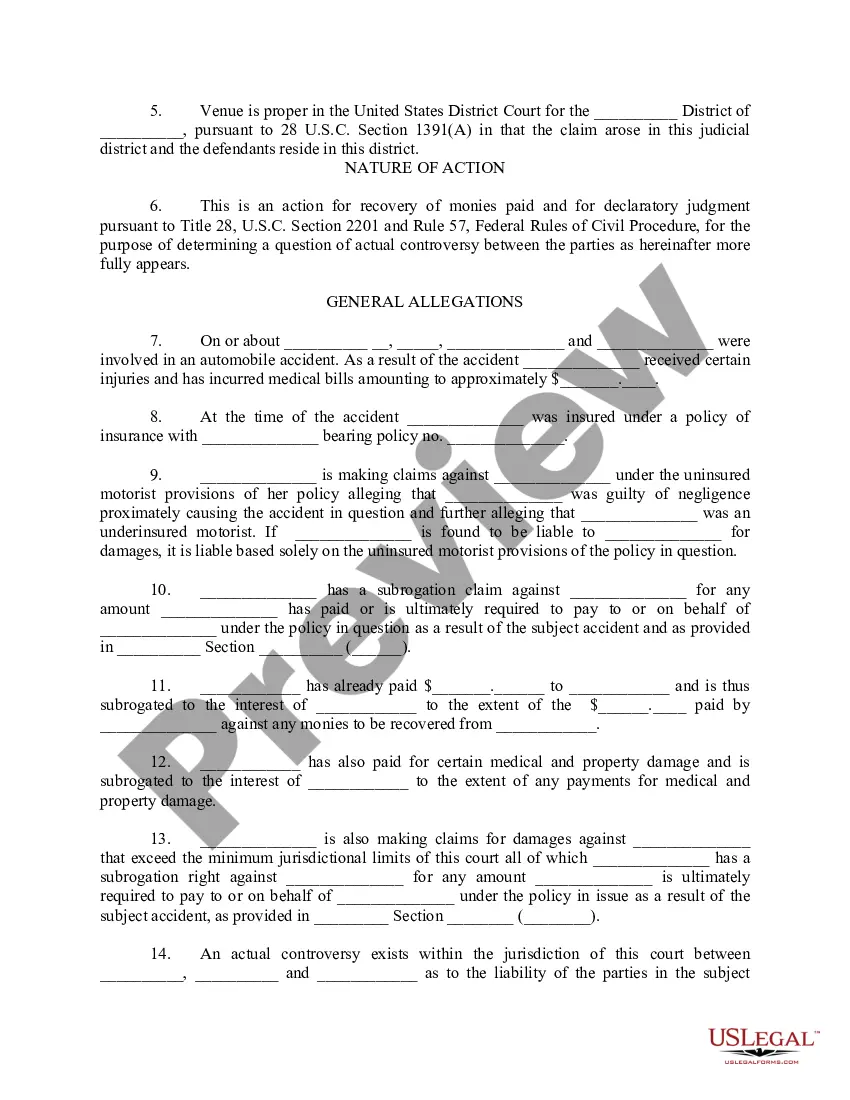
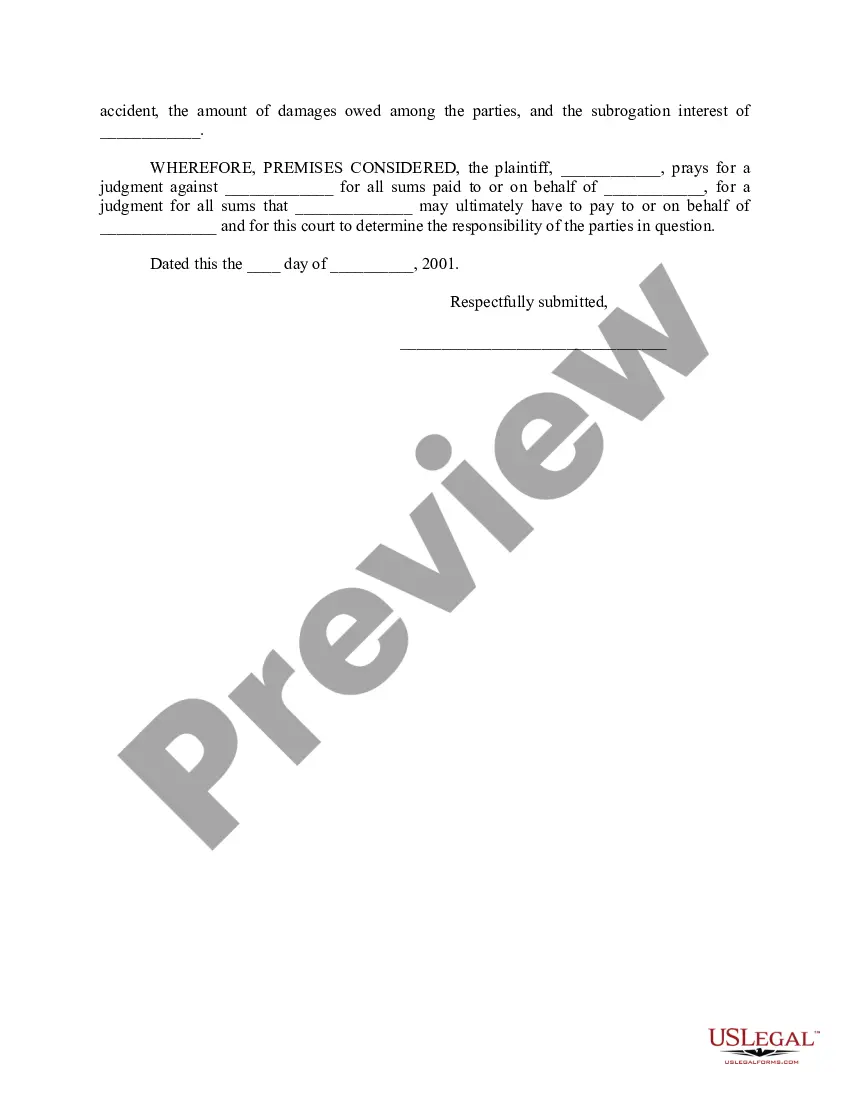
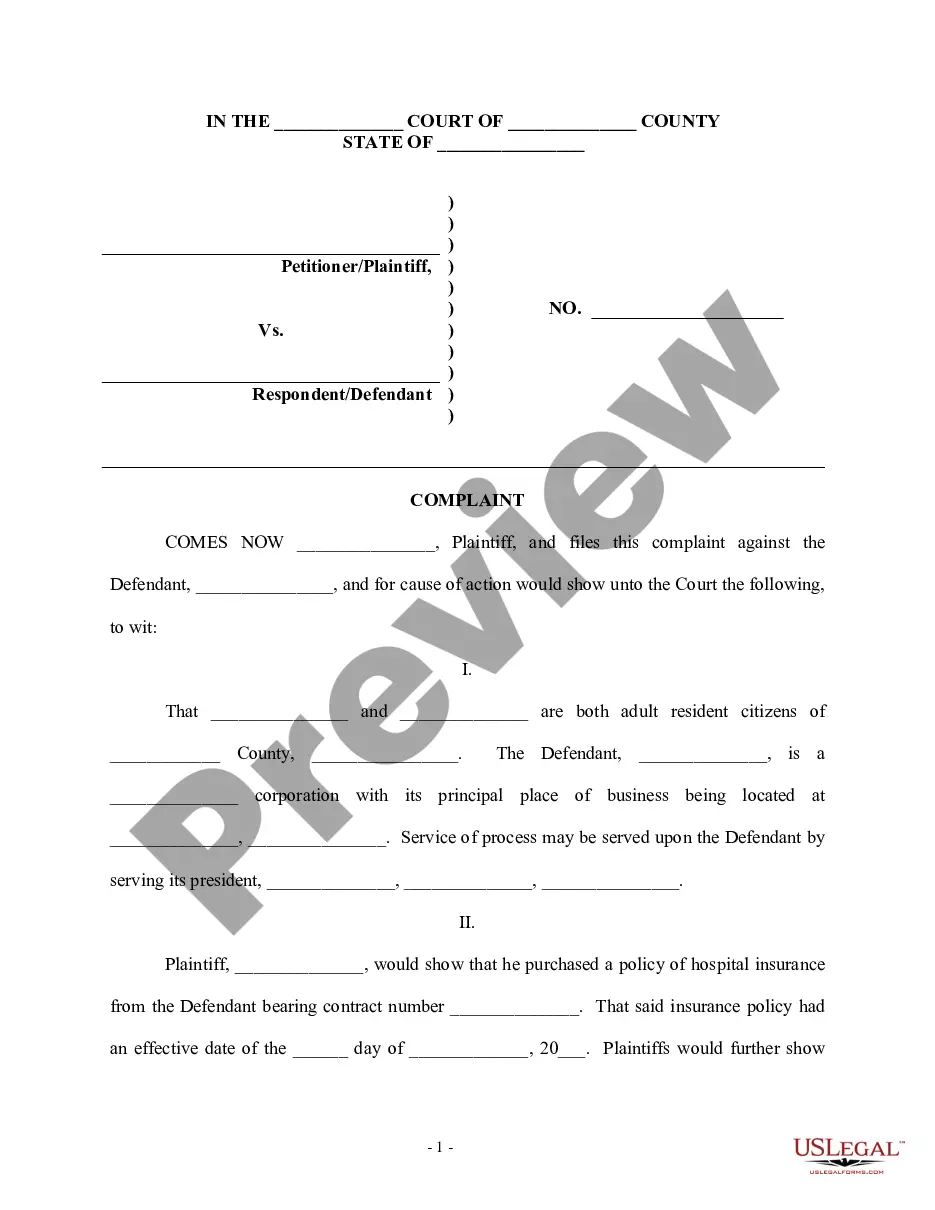
Complaint Responsibility Filed With The Court In Fairfax
Description




Get your form ready online
Our built-in tools help you complete, sign, share, and store your documents in one place.
Make edits, fill in missing information, and update formatting in US Legal Forms—just like you would in MS Word.
Download a copy, print it, send it by email, or mail it via USPS—whatever works best for your next step.
Sign and collect signatures with our SignNow integration. Send to multiple recipients, set reminders, and more. Go Premium to unlock E-Sign.
If this form requires notarization, complete it online through a secure video call—no need to meet a notary in person or wait for an appointment.
We protect your documents and personal data by following strict security and privacy standards.

Make edits, fill in missing information, and update formatting in US Legal Forms—just like you would in MS Word.

Download a copy, print it, send it by email, or mail it via USPS—whatever works best for your next step.

Sign and collect signatures with our SignNow integration. Send to multiple recipients, set reminders, and more. Go Premium to unlock E-Sign.

If this form requires notarization, complete it online through a secure video call—no need to meet a notary in person or wait for an appointment.

We protect your documents and personal data by following strict security and privacy standards.
Looking for another form?










Form popularity
FAQ
Timeline of How to File a Lawsuit Step 1: File a Complaint. Plaintiff files a complaint and summons with the local county court. Step 2: Answer Complaint. Step 3: Discovery. Step 4: Failing to Respond to Discovery. Step 5: Conclusion of Lawsuit.
Fairfax County Consumer Affairs receives complaints occurring in Fairfax County and seeks to resolve them by means of voluntary mediation or arbitration. If you have a question or need advice about a consumer issue, contact Consumer Affairs at 703-222-8435, TTY 711, to speak to a consumer specialist.
If you choose to file a lawsuit without an attorney, you first must go to the offices of the Clerk of the GDC in the city or county where: • the defendant lives, is employed or has a regular place of business; • the incident upon which your claim is based took place; or, • if the defendant is a corporation, its ...
If you choose to file a lawsuit without an attorney, you first must go to the offices of the Clerk of the GDC in the city or county where: • the defendant lives, is employed or has a regular place of business; • the incident upon which your claim is based took place; or, • if the defendant is a corporation, its ...
You start a lawsuit by filing a complaint. In some circumstances, you file a petition or a motion. The court has several complaint forms that you may use in drafting your complaint. The forms are available online and at the Pro Se Intake Unit.
Unless otherwise provided in this section or by other statute, every action for personal injuries, whatever the theory of recovery, and every action for damages resulting from fraud, shall be brought within two years after the cause of action accrues.
The Commonwealth of Virginia imposes a two-year limitation period to file both personal injury claims and wrongful death lawsuits. Under certain circumstances, the two-year limit for personal injury claims may be extended.
In Virginia, the deadline to file most personal injury cases is two years from the date that the injury or accident occurred. That is a firm and hard date. Filing even one day after that two-year mark will mean the party you are suing can have your case dismissed.
There are no general rules related to the time period to file a case. However, you almost always have at least a year to file a civil lawsuit. Depending on the type of case or civil action, it could be much longer. Different statutes of limitations apply to different types of cases and causes of action.
