Declaratory Judgment Statute Of Limitations In Broward
Description

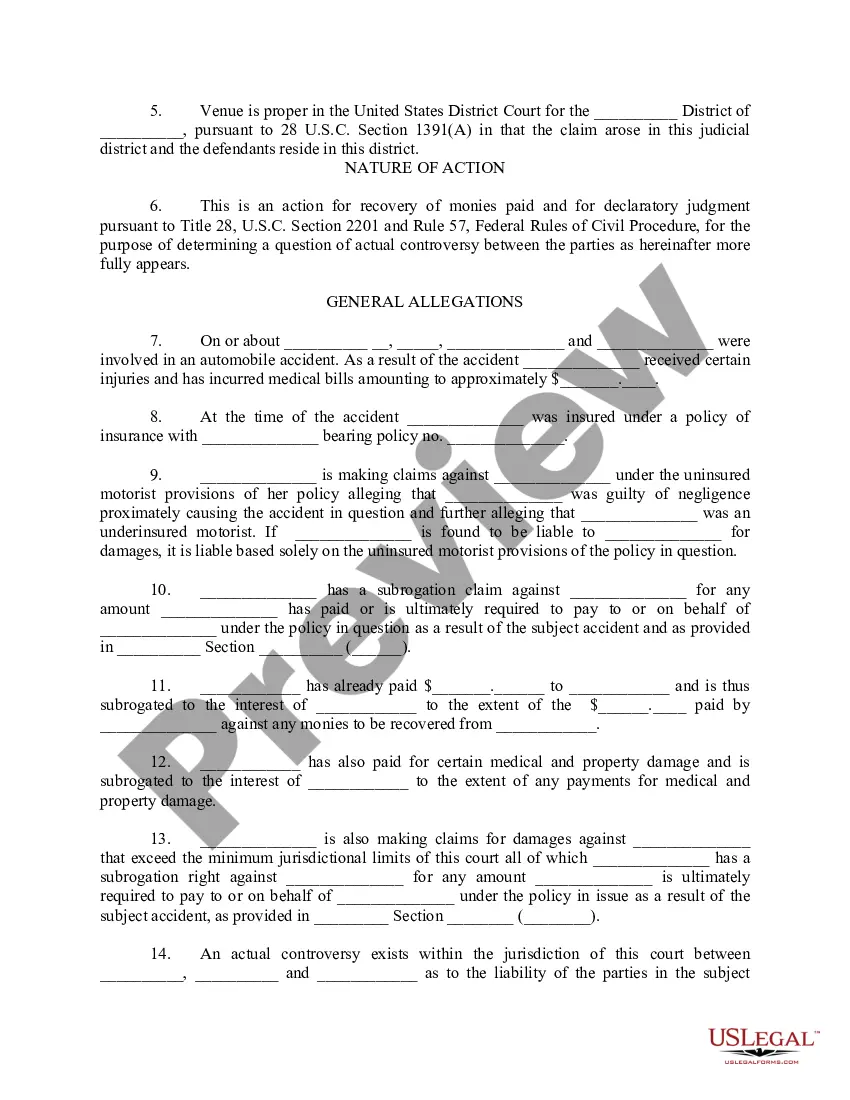
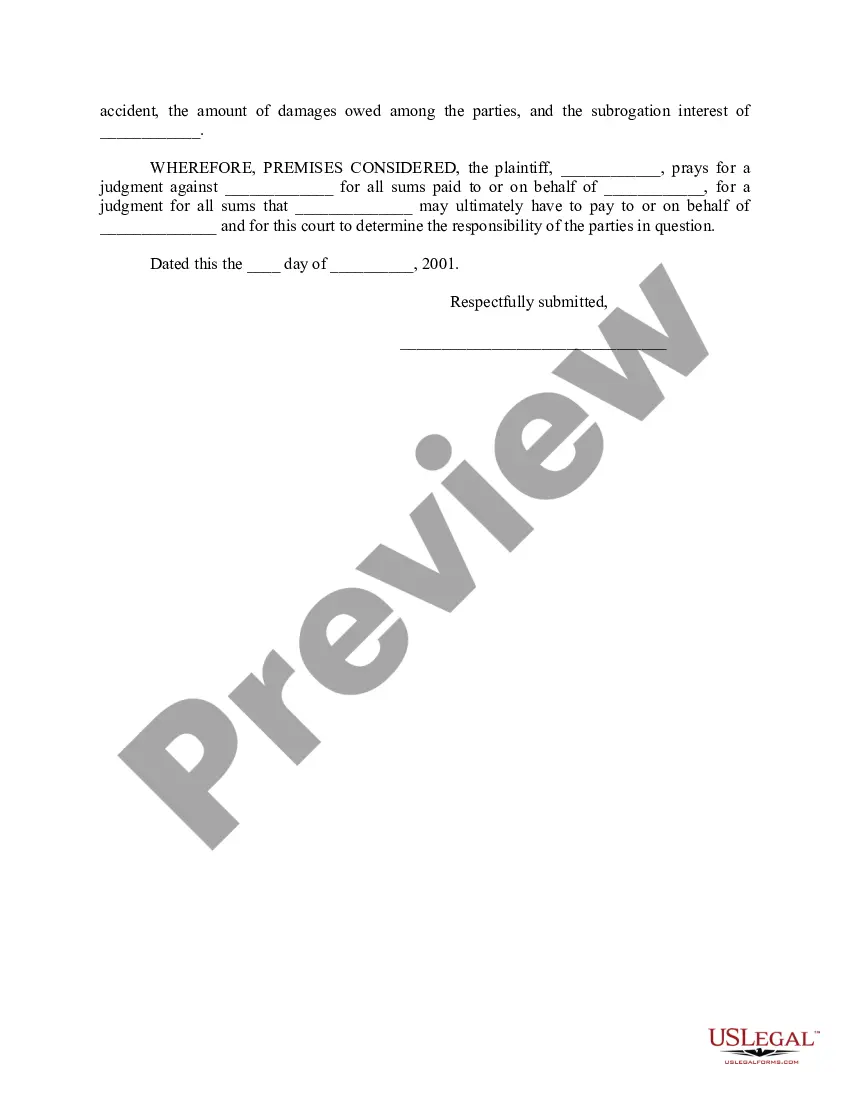




Get your form ready online
Our built-in tools help you complete, sign, share, and store your documents in one place.
Make edits, fill in missing information, and update formatting in US Legal Forms—just like you would in MS Word.
Download a copy, print it, send it by email, or mail it via USPS—whatever works best for your next step.
Sign and collect signatures with our SignNow integration. Send to multiple recipients, set reminders, and more. Go Premium to unlock E-Sign.
If this form requires notarization, complete it online through a secure video call—no need to meet a notary in person or wait for an appointment.
We protect your documents and personal data by following strict security and privacy standards.

Make edits, fill in missing information, and update formatting in US Legal Forms—just like you would in MS Word.

Download a copy, print it, send it by email, or mail it via USPS—whatever works best for your next step.

Sign and collect signatures with our SignNow integration. Send to multiple recipients, set reminders, and more. Go Premium to unlock E-Sign.

If this form requires notarization, complete it online through a secure video call—no need to meet a notary in person or wait for an appointment.

We protect your documents and personal data by following strict security and privacy standards.
Looking for another form?

Form popularity
FAQ
To bring a claim for declaratory judgment in a situation where a patent dispute may exist or develop, the claimant must establish that an actual controversy exists. If there is a substantial controversy of sufficient immediacy and reality, the court will generally proceed with the declaratory-judgment action.
“To plead a claim for declaratory relief in Florida, a plaintiff must plead facts to show: (1) there is a bona fide, actual, present practical need for the declaration; (2) that the declaration deals with a present, ascertained or ascertainable state of facts or present controversy; (3) that some right or privilege of ...
“To plead a claim for declaratory relief in Florida, a plaintiff must plead facts to show: (1) there is a bona fide, actual, present practical need for the declaration; (2) that the declaration deals with a present, ascertained or ascertainable state of facts or present controversy; (3) that some right or privilege of ...
A declaratory judgment is a ruling of the court to clarify something (usually a contract provision) that is in dispute. A summary judgment is a ruling that a case or portion of a case must be dismissed because there are no triable issues of material fact in dispute.
An example of a declaratory judgment in an insurance situation may occur when a policyholder and an insurer disagree about whether a particular claim is covered under the insurance policy. For instance, suppose a homeowner files a claim with their insurance company for damages to their home caused by a storm.
A declaratory judgment plaintiff does not need to allege actual infringement. It is sufficient, for standing purposes, to show that a party “has engaged in a course of conduct evidencing a definite intent and apparent ability to commence use of the mark.” See Starter Corp. v. Converse, Inc., 84 F.
To bring a claim for declaratory judgment in a situation where a patent dispute may exist or develop, the claimant must establish that an actual controversy exists. If there is a substantial controversy of sufficient immediacy and reality, the court will generally proceed with the declaratory-judgment action.
A declaratory judgment establishes the rights and other legal actions of the parties without providing for or ordering enforcement. One example is, if you purchased a vehicle or boat and cannot obtain a certificate of title from the previous owner, you can obtain a judgment declaring your ownership.
The statute of limitations in Florida on debt is five years. This means that once the five-year timeline has expired, creditors can no longer file a lawsuit against the borrower to try and recover the debt. This is only true of debts that include a written agreement, though.
