Habeas Corpus For Child Custody In Salt Lake
Description






Get your form ready online
Our built-in tools help you complete, sign, share, and store your documents in one place.
Make edits, fill in missing information, and update formatting in US Legal Forms—just like you would in MS Word.
Download a copy, print it, send it by email, or mail it via USPS—whatever works best for your next step.
Sign and collect signatures with our SignNow integration. Send to multiple recipients, set reminders, and more. Go Premium to unlock E-Sign.
If this form requires notarization, complete it online through a secure video call—no need to meet a notary in person or wait for an appointment.
We protect your documents and personal data by following strict security and privacy standards.

Make edits, fill in missing information, and update formatting in US Legal Forms—just like you would in MS Word.

Download a copy, print it, send it by email, or mail it via USPS—whatever works best for your next step.

Sign and collect signatures with our SignNow integration. Send to multiple recipients, set reminders, and more. Go Premium to unlock E-Sign.

If this form requires notarization, complete it online through a secure video call—no need to meet a notary in person or wait for an appointment.

We protect your documents and personal data by following strict security and privacy standards.
Looking for another form?
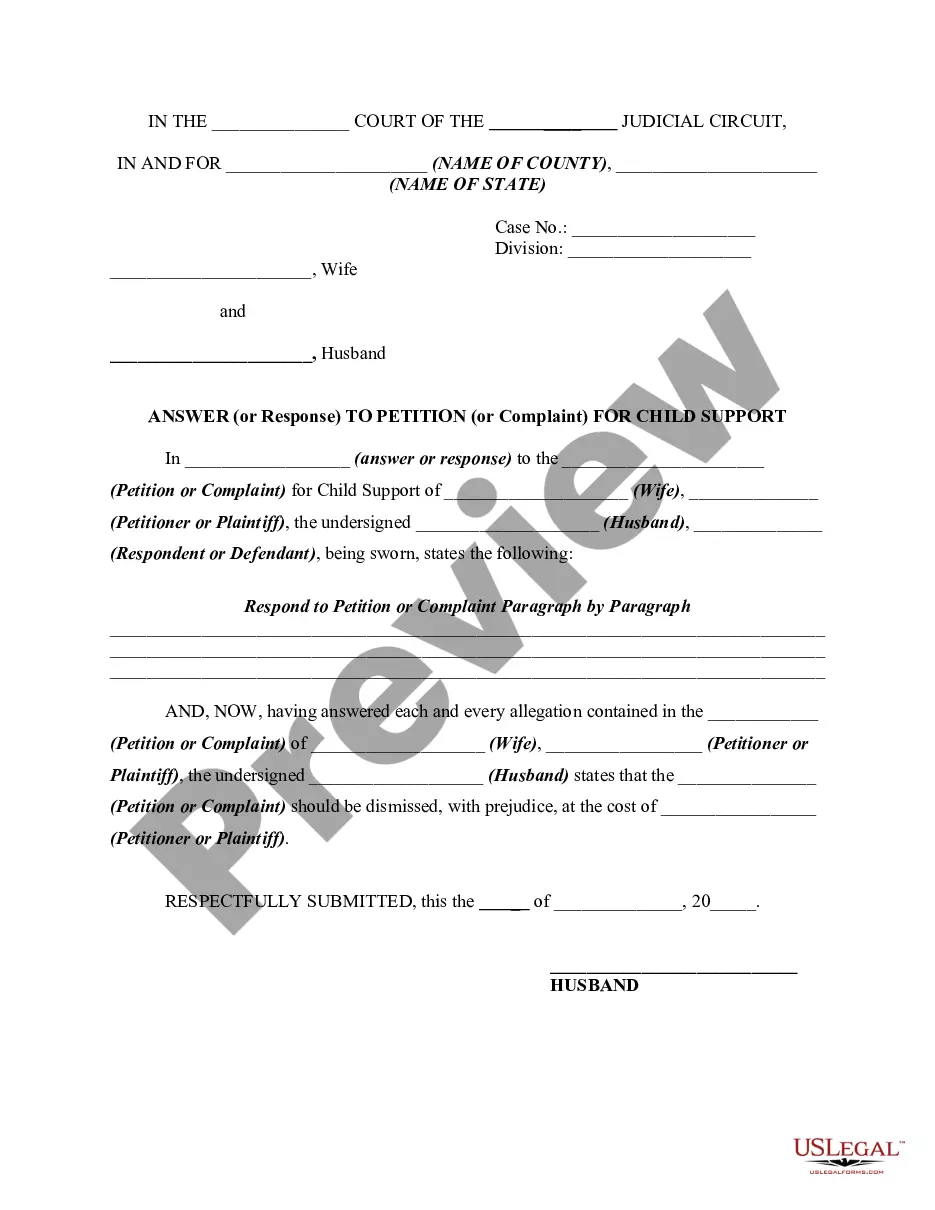

Form popularity
FAQ
In Utah, the court will usually not consider a child's preference unless they are 14. However, the child's preferences are not the only factor the court finds. The judge may place more weight on the child's wishes if they are 16 or older.
The court may choose sole legal and physical custody if: There's a history of domestic violence, neglect, or abuse of a child or other family member which would make it unsafe for the child to live with one of the parents. The parents live far apart. Moral and financial conduct of the parent is detrimental.
Tips On How To Win Custody Without a Lawyer Prepare your custody case. Gather useful information. Follow proper procedure. Attend every court appointment. Remain level-headed throughout. The children's best interests. Compliance with court orders.
Utah's custody law provides three parent-time schedule options for parents who share custody: The standard minimum parent-time schedule that provides a parent with one three-hour visit each week and every other weekend. A 60/40 schedule. A 50/50 schedule.
In general, a non-custodial parent does not have the legal right to take a child without the custodial parent's permission, especially if there is a custody agreement in place. Violating such an agreement can lead to legal consequences, such as charges of kidnapping or custody disputes.
In Utah, being a father gives you the right to pursue custody and visitation of your child, and to make decisions regarding your son or daughter. These rights apply whether you are married or not, but you may have to fight for them, especially in the case of divorce.
After the Writ of Habeas Corpus is filed, the Court has a few options. The Court may deny the Writ, the Court may request that the government submit a response to the Writ, or the Court may grant the Writ.
If the court grants the writ of habeas corpus, it may schedule a hearing to determine the child's custody or visitation arrangements. During the hearing, both parents will have the opportunity to present their arguments and evidence.
The court must rule on a petition for writ of habeas corpus within 60 days after the petition is filed. (B) If the court fails to rule on the petition within 60 days of its filing, the petitioner may file a notice and request for ruling.
