Writ For Assistance In Queens
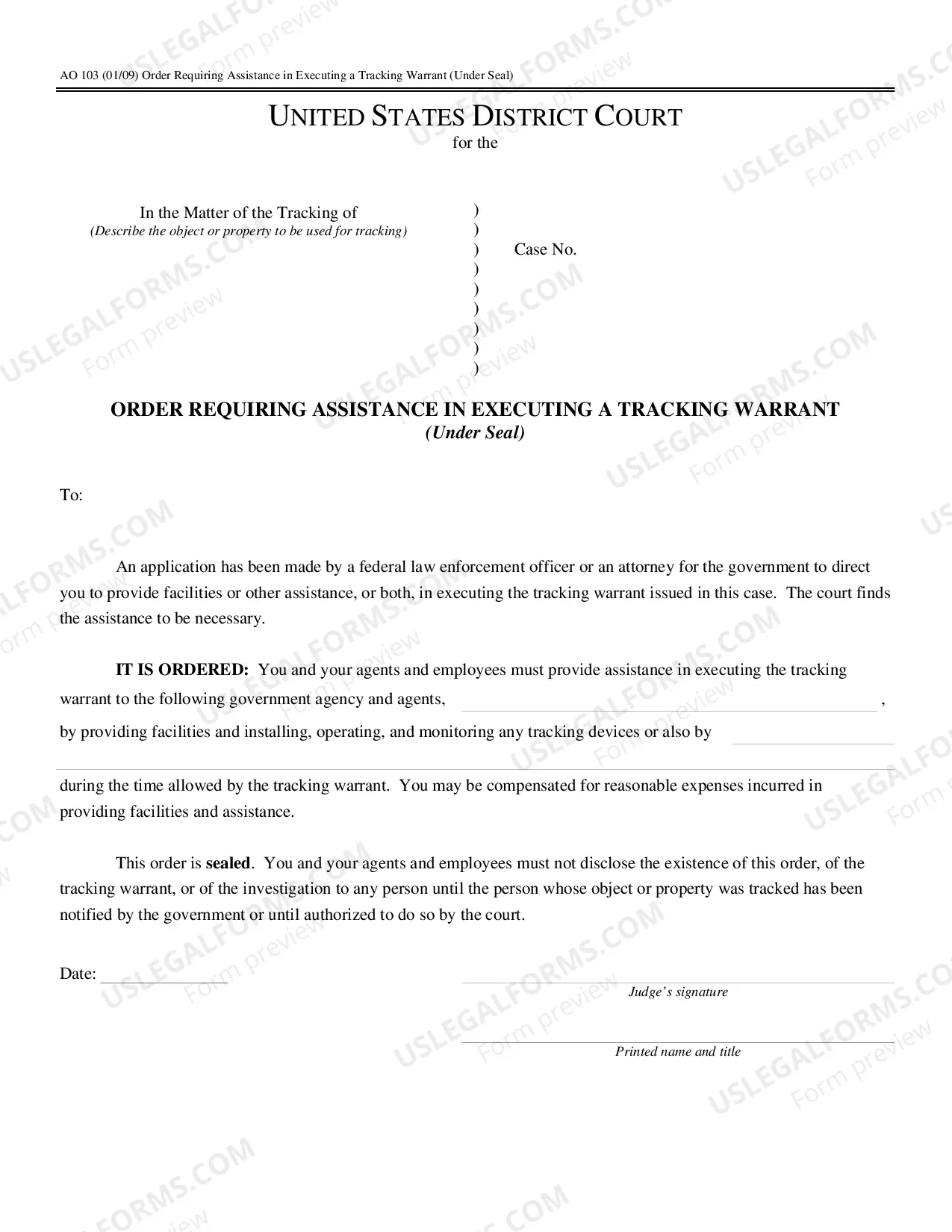
Description






Get your form ready online
Our built-in tools help you complete, sign, share, and store your documents in one place.
Make edits, fill in missing information, and update formatting in US Legal Forms—just like you would in MS Word.
Download a copy, print it, send it by email, or mail it via USPS—whatever works best for your next step.
Sign and collect signatures with our SignNow integration. Send to multiple recipients, set reminders, and more. Go Premium to unlock E-Sign.
If this form requires notarization, complete it online through a secure video call—no need to meet a notary in person or wait for an appointment.
We protect your documents and personal data by following strict security and privacy standards.

Make edits, fill in missing information, and update formatting in US Legal Forms—just like you would in MS Word.

Download a copy, print it, send it by email, or mail it via USPS—whatever works best for your next step.

Sign and collect signatures with our SignNow integration. Send to multiple recipients, set reminders, and more. Go Premium to unlock E-Sign.

If this form requires notarization, complete it online through a secure video call—no need to meet a notary in person or wait for an appointment.

We protect your documents and personal data by following strict security and privacy standards.
Looking for another form?




Form popularity
FAQ
File and serve a pleading called a defence on the plaintiff within 14 days of the time limited for an appearance. If you have a claim against the plaintiff, you should file and serve a defence and counterclaim instead.
You can either answer the summons in writing or in person. If you answer in person, you must go to the courthouse clerk's office and tell the clerk about your defenses to the plaintiff's claims. The clerk will check off the boxes in a Consumer Credit Transaction Answer In Person form.
On a separate page or pages, write a short and plain statement of the answer to the allegations in the complaint. Number the paragraphs. The answer should correspond to each paragraph in the complaint, with paragraph 1 of the answer corresponding to paragraph 1 of the complaint, etc.
You would respond to the court with a general denial of all of the allegations regarding you owing the debt and the actual amount of the debt. What you do is copy the heading on the top of the complaint and then under that you title your document Answer.
The written response must be made within 20 days of personal service, or within 30 days of the time when service by any other means is complete. If the defendant fails to respond he or she is in default and plaintiff may be able to obtain a default judgment against the defendant.
The purpose of a writ is to enforce rights, compel actions, or correct errors. Writs are fundamental tools in both civil and criminal law, making sure that judicial decisions and legal principles are upheld.
A writ of assistance is an order directing that a party convey, deliver, or turn over a deed, document, or right of ownership. This writ, which may also be called a writ of restitution or writ of possession, usually serves as an eviction from real property.
A writ of assistance is an order directing that a party convey, deliver, or turn over a deed, document, or right of ownership. This writ, which may also be called a writ of restitution or writ of possession, usually serves as an eviction from real property.
Writs of assistance are valid from the date of issue and cease to be valid six months after the end of the reign of the monarch under which the order was issued.
Writ of assistance, in English and American colonial history, a general search warrant issued by superior provincial courts to assist the British government in enforcing trade and navigation laws.
