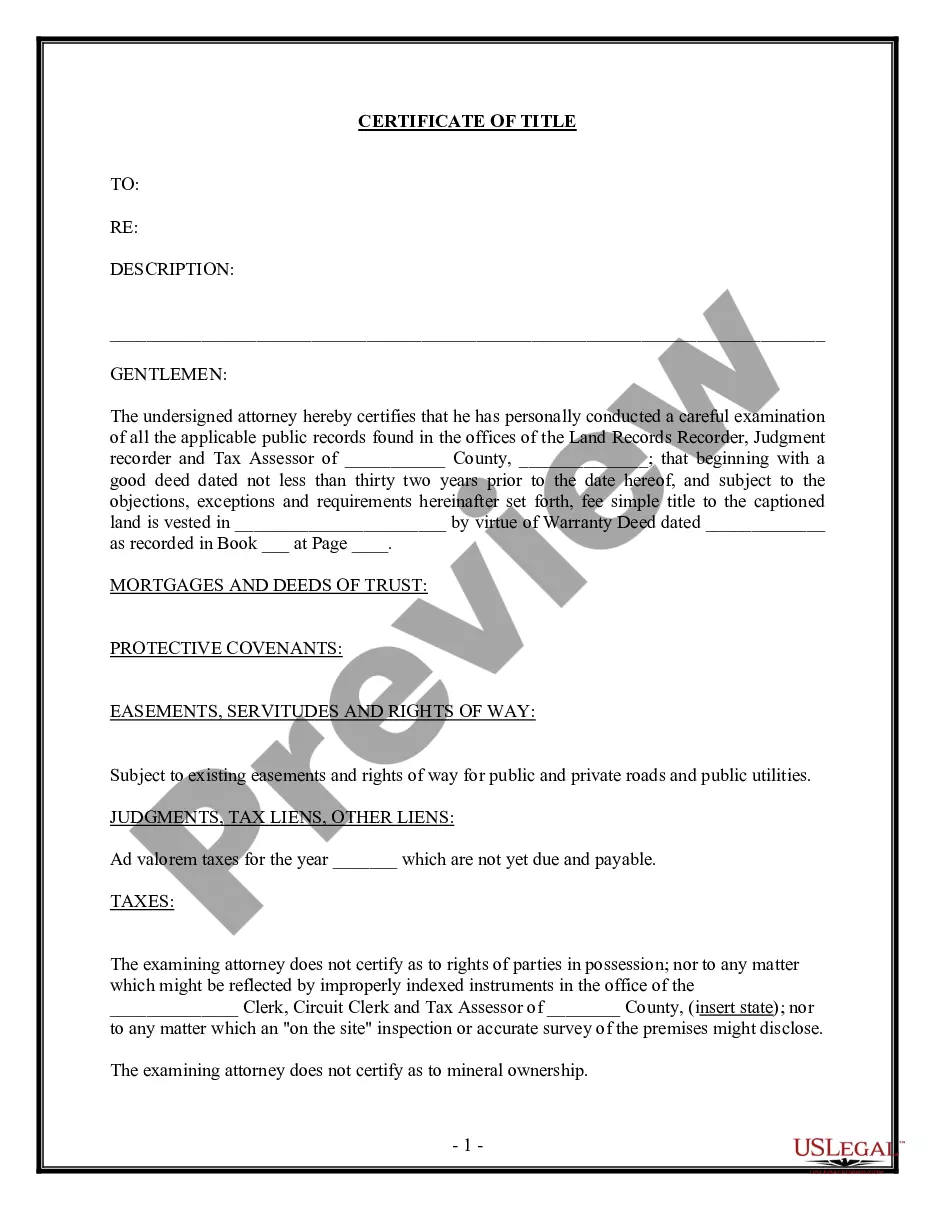
Habeas Corpus Meaning In Law In Massachusetts
Description






Get your form ready online
Our built-in tools help you complete, sign, share, and store your documents in one place.
Make edits, fill in missing information, and update formatting in US Legal Forms—just like you would in MS Word.
Download a copy, print it, send it by email, or mail it via USPS—whatever works best for your next step.
Sign and collect signatures with our SignNow integration. Send to multiple recipients, set reminders, and more. Go Premium to unlock E-Sign.
If this form requires notarization, complete it online through a secure video call—no need to meet a notary in person or wait for an appointment.
We protect your documents and personal data by following strict security and privacy standards.

Make edits, fill in missing information, and update formatting in US Legal Forms—just like you would in MS Word.

Download a copy, print it, send it by email, or mail it via USPS—whatever works best for your next step.

Sign and collect signatures with our SignNow integration. Send to multiple recipients, set reminders, and more. Go Premium to unlock E-Sign.

If this form requires notarization, complete it online through a secure video call—no need to meet a notary in person or wait for an appointment.

We protect your documents and personal data by following strict security and privacy standards.
Looking for another form?

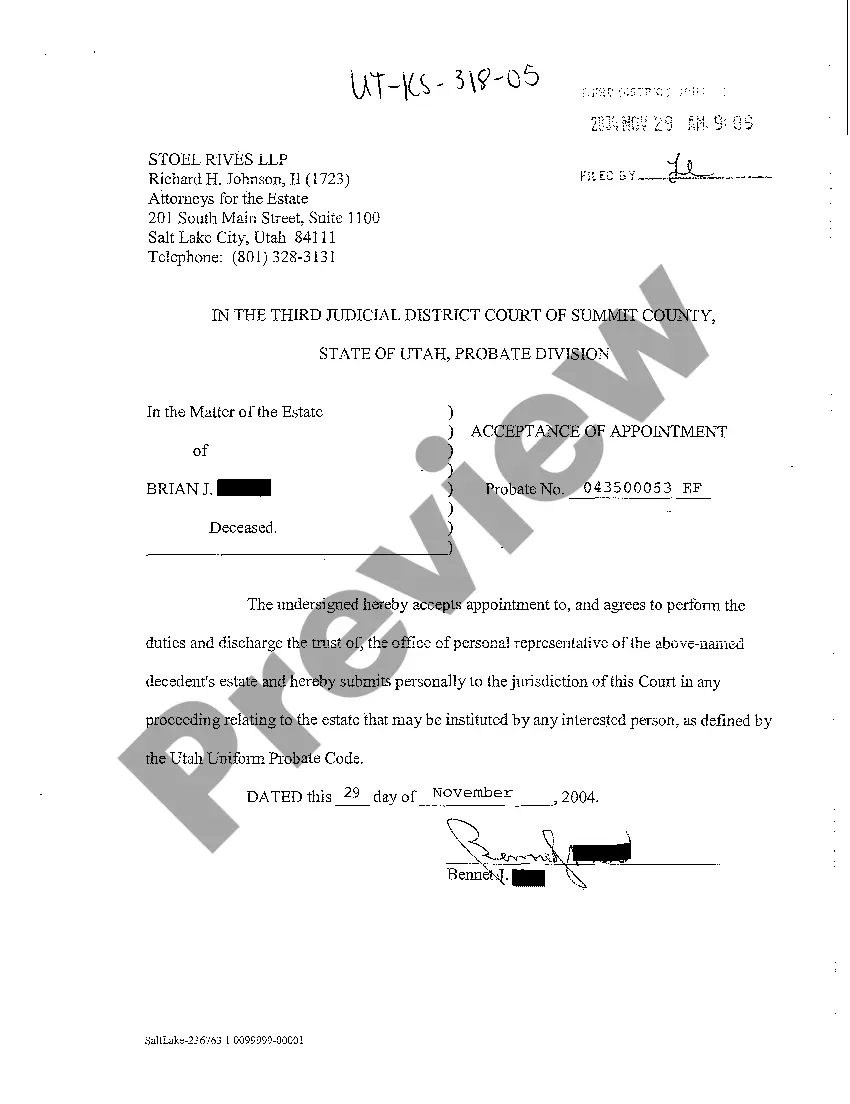

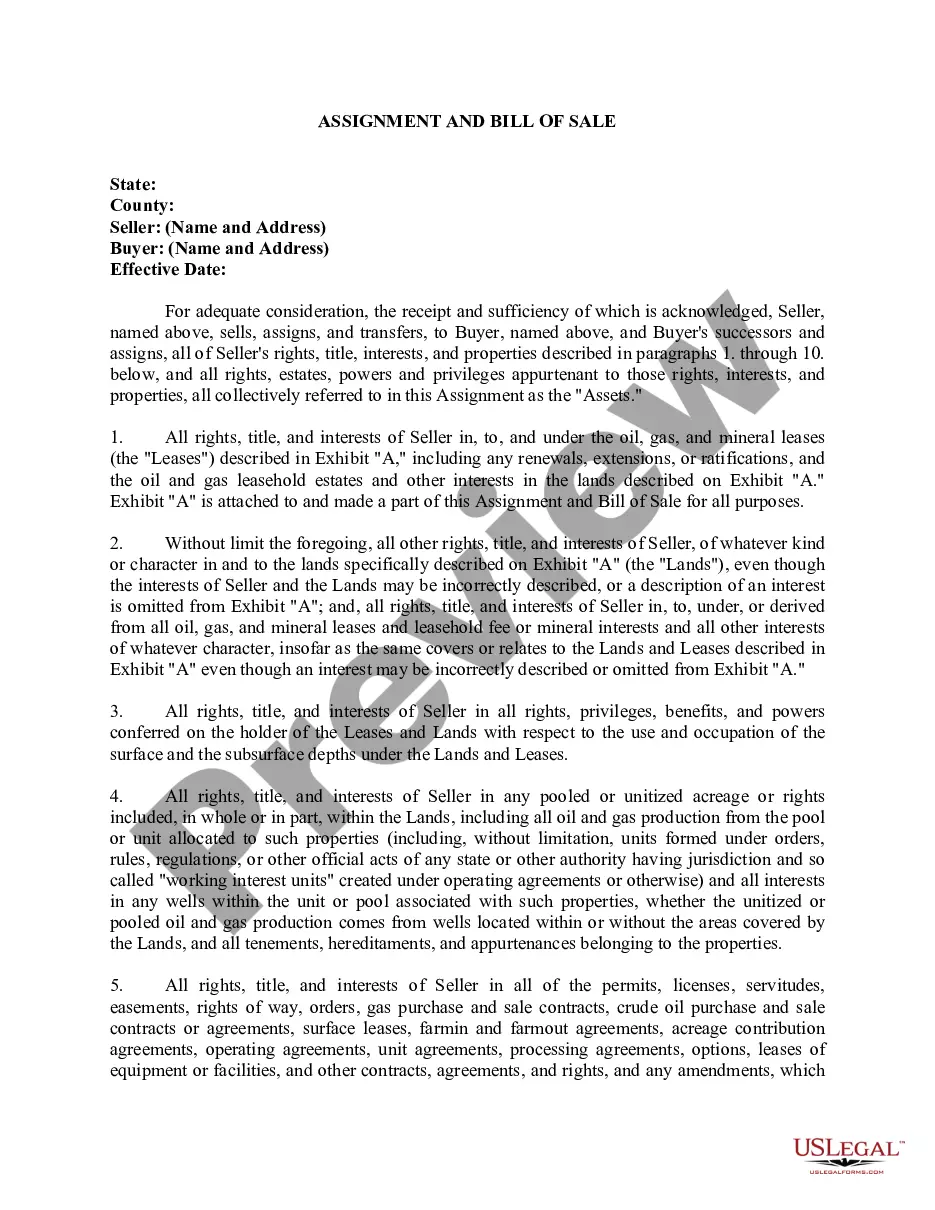

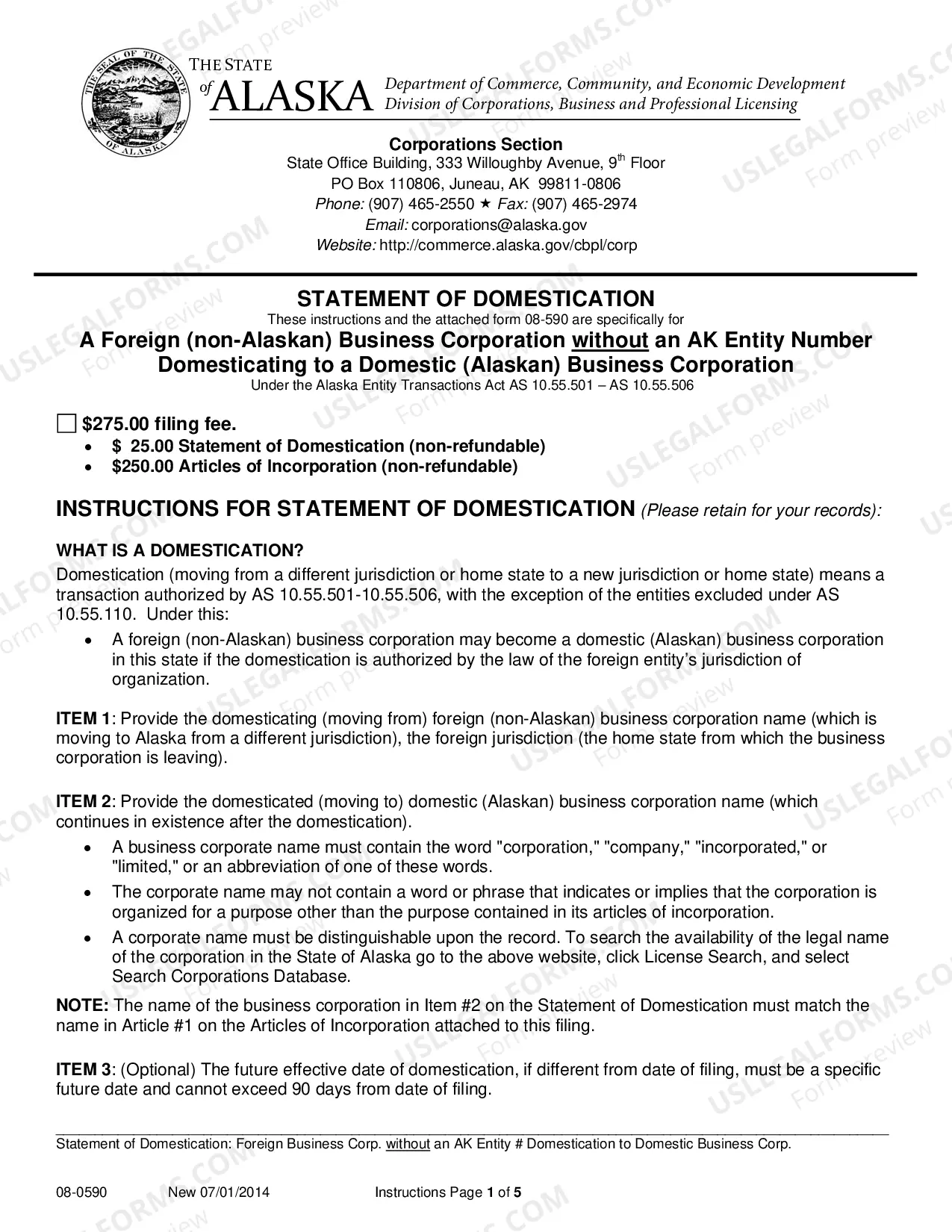
Form popularity
FAQ
Typical examples where a court has granted a habeas corpus petition include claims of new evidence discovered in the case, ineffective assistance of counsel, prosecutorial misconduct, incompetence to stand trial, and challenging conditions of confinement.
A Writ of Habeas Corpus is one of the primary ways of obtaining a client's freedom based on his or her actual innocence. Actual innocence Writs of Habeas Corpus can include witness statements, affidavits, and other external evidence that shows how the client has been wrongfully convicted.
The Writ of Habeas Corpus protects prison inmates from false imprisonment to ensure people are not thrown into jail unlawfully. Today, it is a highly effective post-conviction tool that can be used by inmates to challenge their sentencing conditions.
The writ of habeas corpus is the great remedy of the citizen or subject against arbitrary or illegal imprisonment; it is the mode by which the judicial power speedily and effectually protects the personal liberty of every individual, and repels the injustice of unconstitutional laws and despotic governments.
The "Great Writ" of habeas corpus is a fundamental right in the Constitution that protects against unlawful and indefinite imprisonment. Translated from Latin it means "show me the body." Habeas corpus has historically been an important instrument to safeguard individual freedom against arbitrary executive power.
Translated from Latin it means "show me the body." Habeas corpus has historically been an important instrument to safeguard individual freedom against arbitrary executive power. Why Did Congress Pass the Military Commissions Act? In June 2006, the Supreme Court found in Hamdan v.
A writ of habeas corpus safeguards individual freedom by preventing the unlawful detention of citizens. Essentially, it is a court order to anyone holding another to justify the detention and for the court to rule whether it is within the boundaries of the law.
A successful Writ of Habeas Corpus in California can achieve one of the following: Release the defendant. Reduce the defendant's sentencing. Make changes to the defendant's sentencing conditions.
The habeas petition must be in writing and signed and verified either by the petitioner seeking relief or by someone acting on his or her behalf. The petition must name the custodian as the respondent and state the facts concerning the applicant's custody and include the legal basis for the request.