Writ Habeas Corpus Counsel Withholding In Allegheny
Description









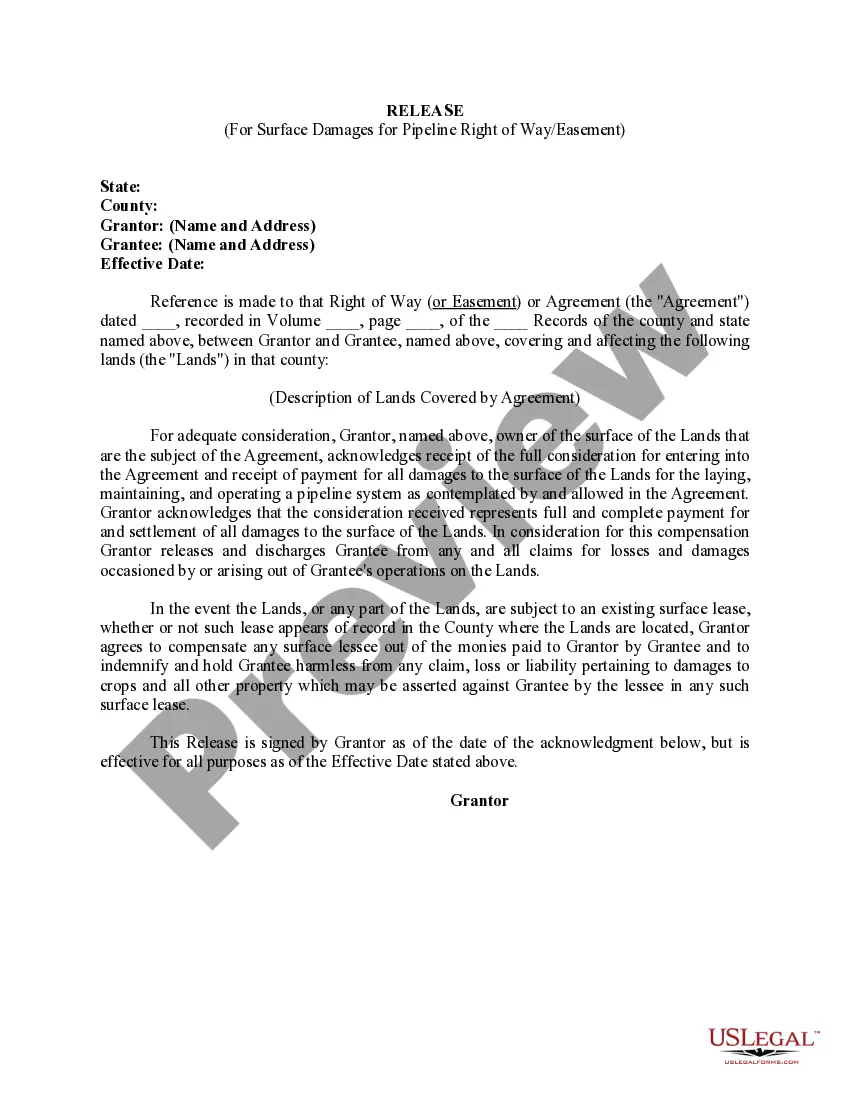
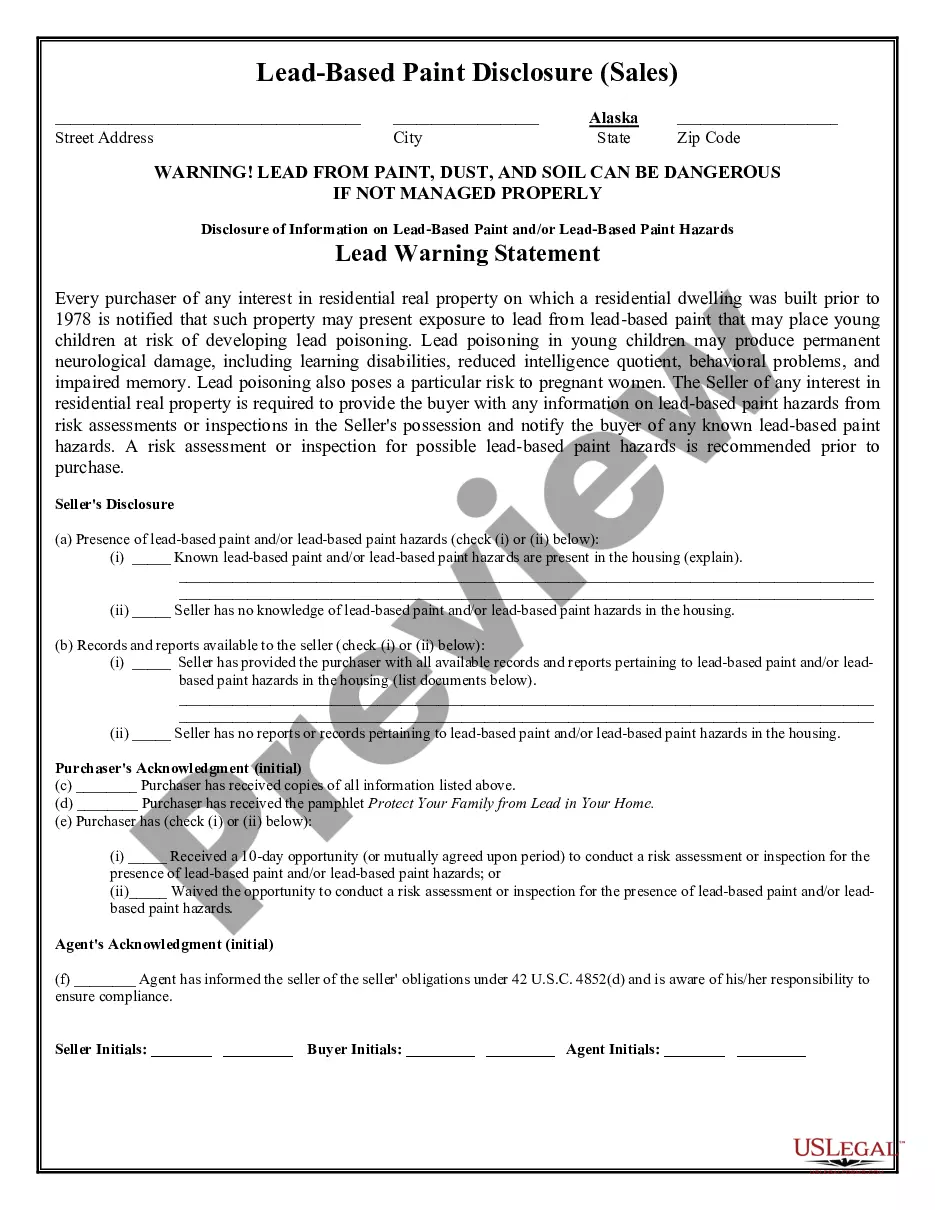

Form popularity
FAQ
Rule 212.2 - Pre-Trial Statement (a) Each party shall file and serve upon all other parties a written pre-trial statement in conformity with the requirements of Pa. R.C.P.
Rule 236 - Notice by Prothonotary of Entry of Order or Judgment (a) The prothonotary shall immediately give written notice of the entry of (1) a judgment entered by confession to the defendant by ordinary mail together with a copy of all documents filed with the prothonotary in support of the confession of judgment.
234.1 - Subpoena to Attend and Testify. (a) A subpoena is an order of the court commanding a person to attend and testify at a particular time and place. It may also require the person to produce documents or things which are under the possession, custody or control of that person.
In order to file a petition for habeas corpus in federal court, you must satisfy the following conditions: You must be duly convicted prisoner serving time in a Pennsylvania prison; The writ must first be filed in Pennsylvania Supreme Court; You must have exhausted all other appeal options;
State every ground (reason) that supports your claim that you are being held in violation of the Constitution, laws, or treaties of the United States. Attach additional pages if you have more than four grounds. State the facts supporting each ground. Any legal arguments must be submitted in a separate memorandum.
Rule 212.2 - PRE-TRIAL CONFERENCE (a) Pre-trial conferences shall be mandatory in all contested civil actions listed for trial by jury, and shall be held in the chambers of the Judge for the purposes set forth in Pa. R.C.P. 212.
Rule 1301.1 - Discovery in Compulsory Arbitration Proceedings (Except Small Claims) (1) For any personal injury claim filed in Compulsory Arbitration, the plaintiff may serve arbitration discovery requests (see FORM 1301.1A) (see subsection (8)(a) below) either together with the copy of the Complaint served on the ...
A Writ of Habeas Corpus is one of the primary ways of obtaining a client's freedom based on his or her actual innocence. Actual innocence Writs of Habeas Corpus can include witness statements, affidavits, and other external evidence that shows how the client has been wrongfully convicted.
A writ of habeas corpus orders the custodian of an individual in custody to produce the individual before the court to make an inquiry concerning his or her detention, to appear for prosecution (ad prosequendum) or to appear to testify (ad testificandum).
