Erisa Complaint Sample For Poor Customer Service In Santa Clara
Description
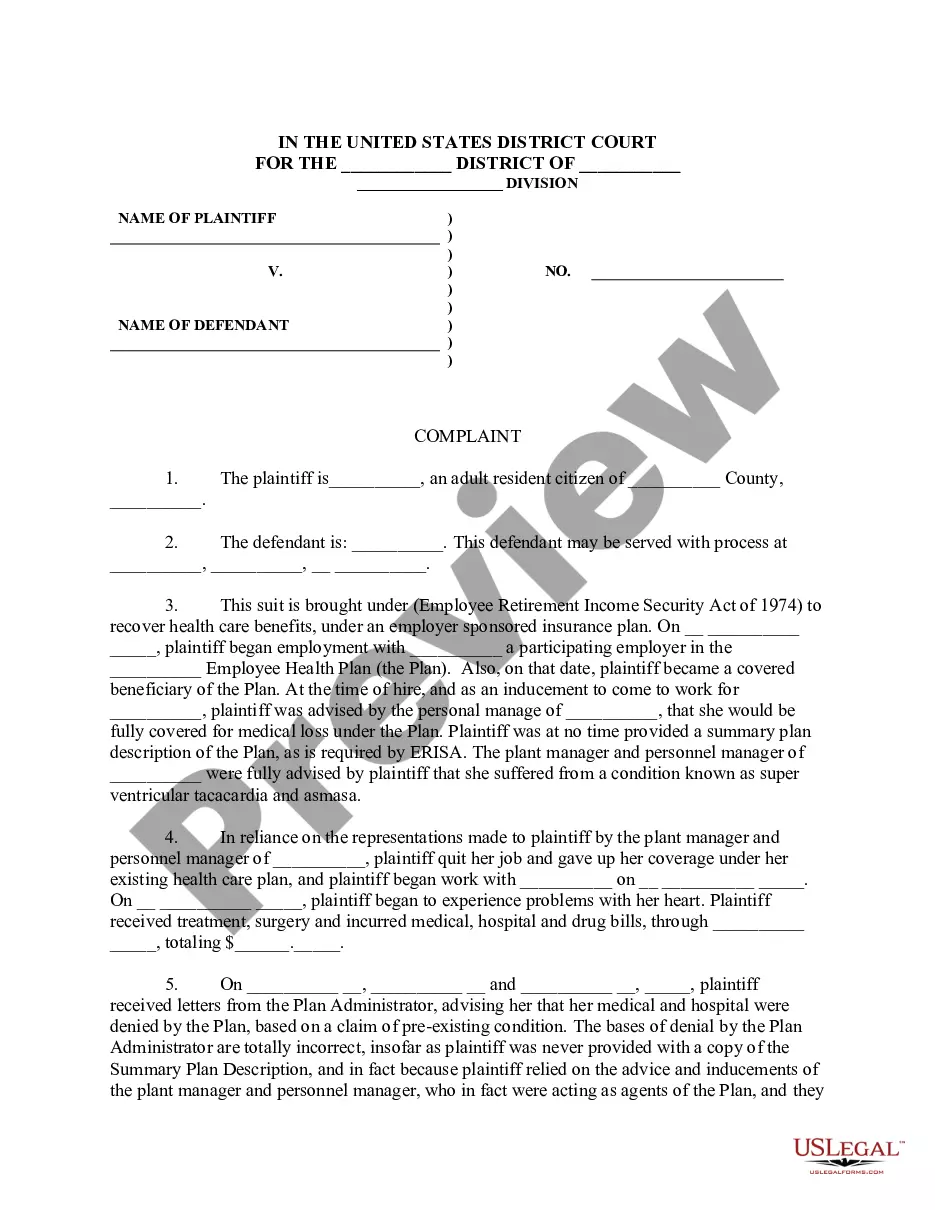
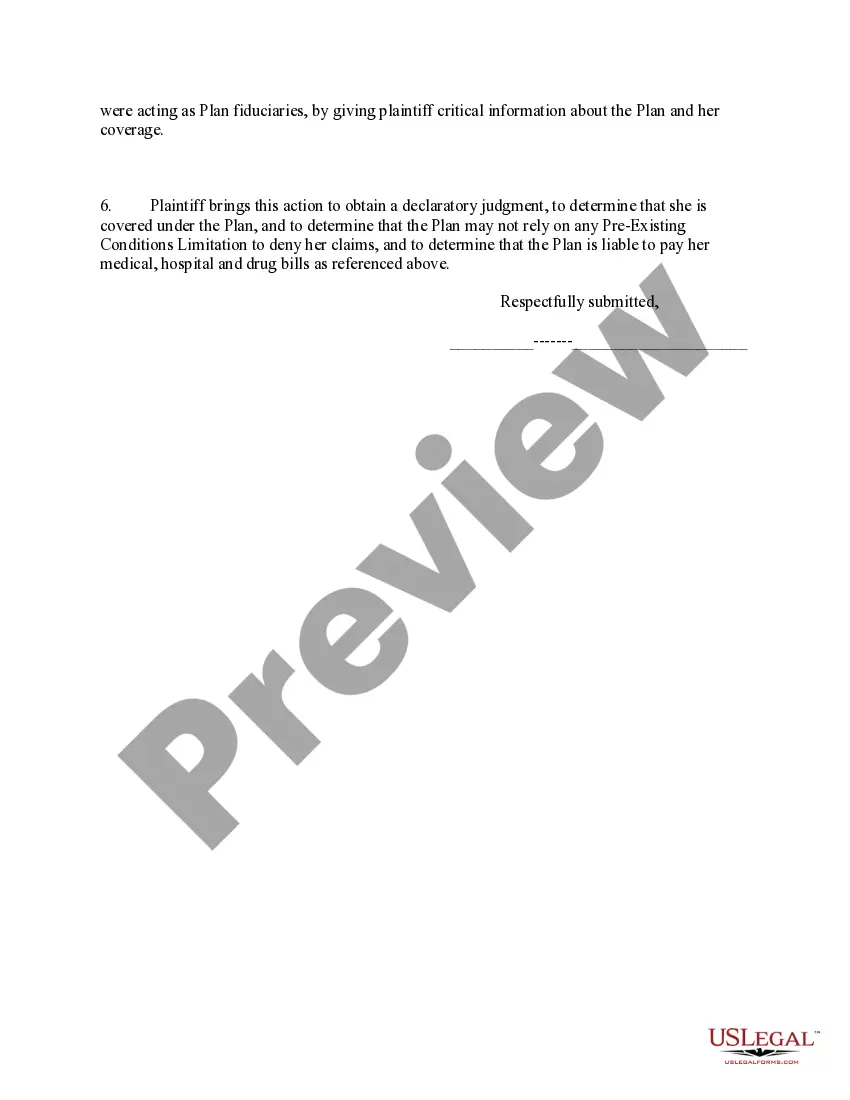
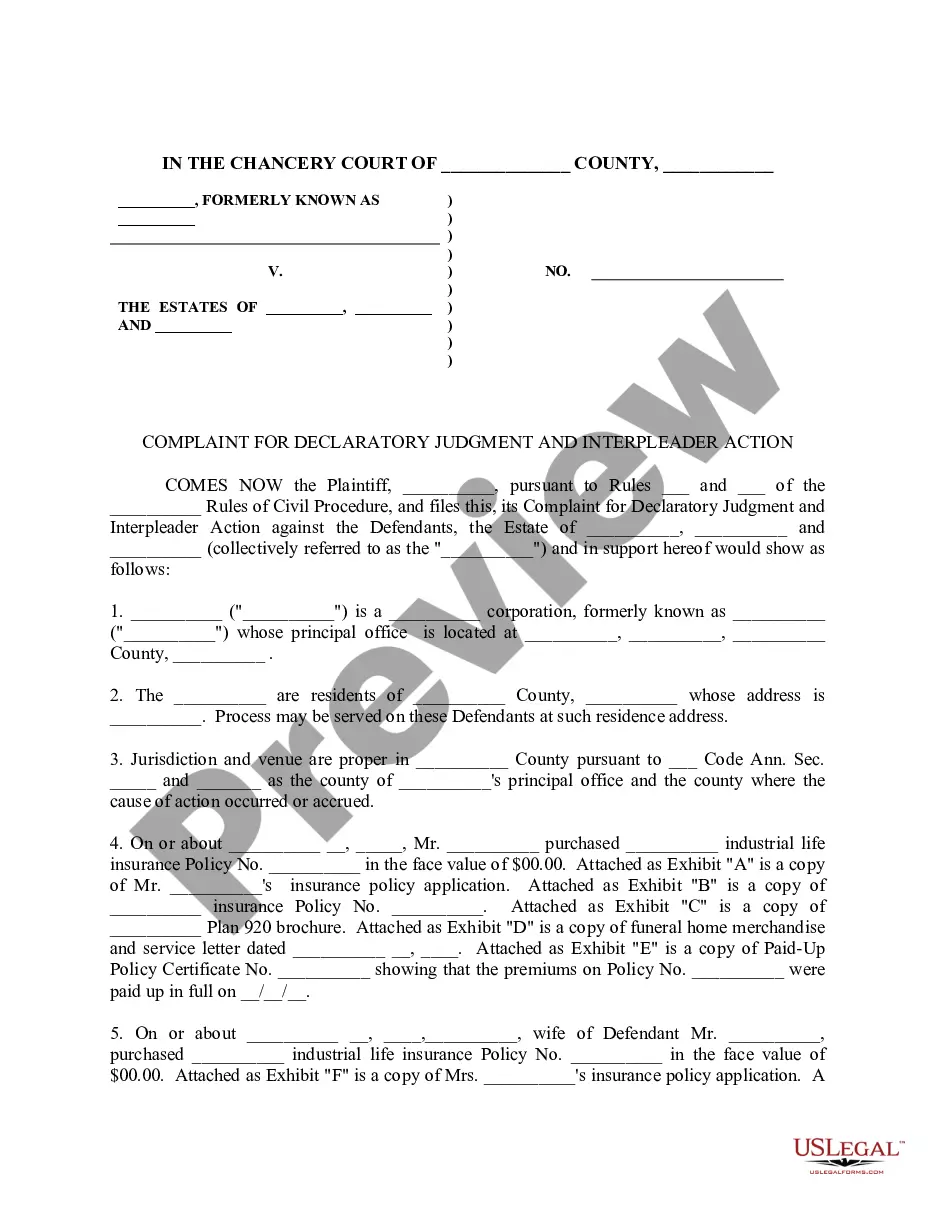
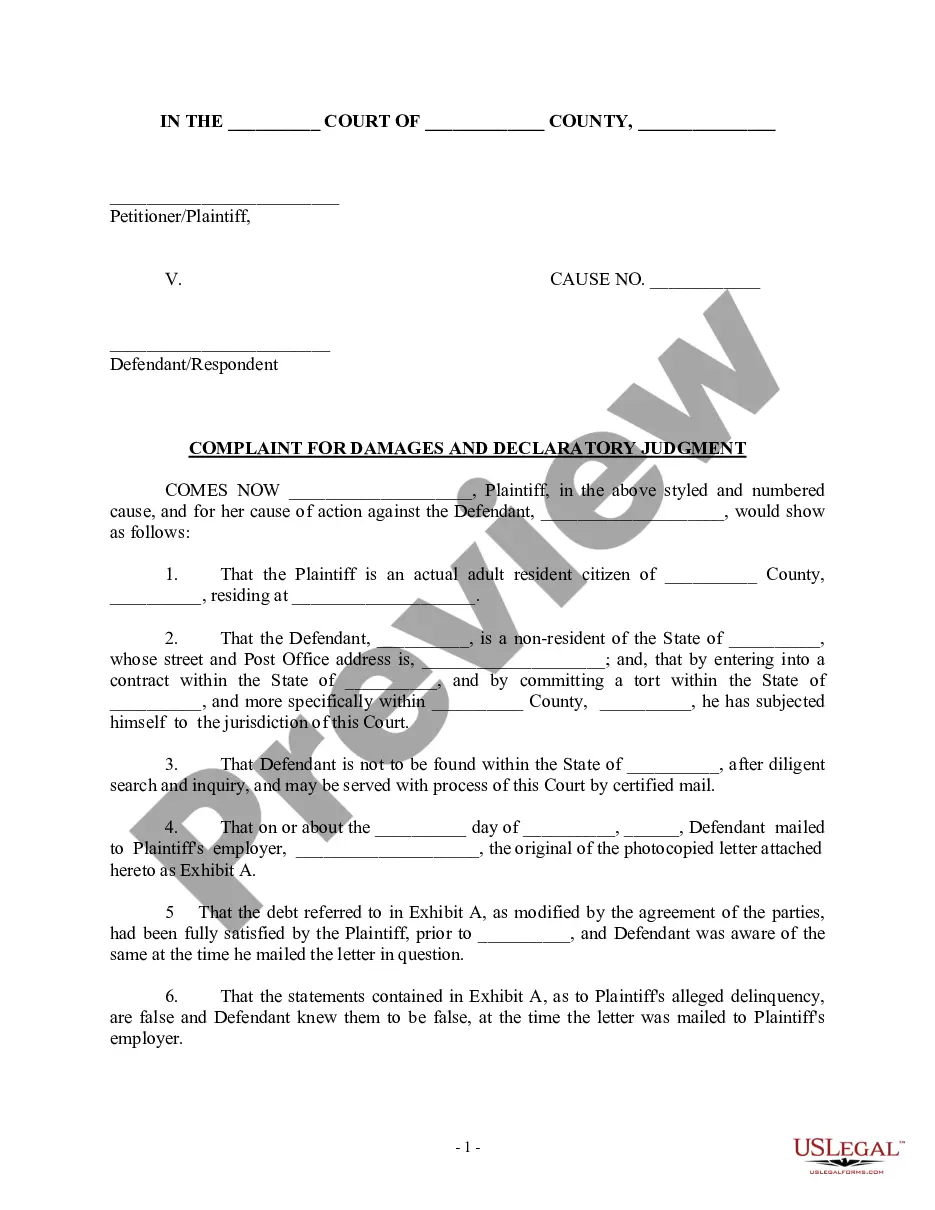
Get your form ready online
Our built-in tools help you complete, sign, share, and store your documents in one place.
Make edits, fill in missing information, and update formatting in US Legal Forms—just like you would in MS Word.
Download a copy, print it, send it by email, or mail it via USPS—whatever works best for your next step.
Sign and collect signatures with our SignNow integration. Send to multiple recipients, set reminders, and more. Go Premium to unlock E-Sign.
If this form requires notarization, complete it online through a secure video call—no need to meet a notary in person or wait for an appointment.
We protect your documents and personal data by following strict security and privacy standards.

Make edits, fill in missing information, and update formatting in US Legal Forms—just like you would in MS Word.

Download a copy, print it, send it by email, or mail it via USPS—whatever works best for your next step.

Sign and collect signatures with our SignNow integration. Send to multiple recipients, set reminders, and more. Go Premium to unlock E-Sign.

If this form requires notarization, complete it online through a secure video call—no need to meet a notary in person or wait for an appointment.

We protect your documents and personal data by following strict security and privacy standards.
Looking for another form?







Form popularity
FAQ
ERISA governs the claim only if ERISA covers the plan involved in the claim. ERISA applies to most employee benefit plans, including employee health and retirement plans. ERISA does not cover certain plans, such as government plans and church plans.
The Employee Benefits Security Administration (EBSA) is responsible for administering and enforcing the fiduciary, reporting and disclosure provisions of Title I of the Employee Retirement Income Security Act of 1974 (ERISA). Until February 2003, EBSA was known as the Pension and Welfare Benefits Administration (PWBA).
Contact your regional EBSA office to file a complaint or an appeal after exhausting your insurance appeals process. You can also find ERISA information through the U.S. Department of Labor online at .dol/ebsa.
ERISA is administered in part by the Employee Benefits Security Administration (EBSA), a branch of the U.S. Department of Labor. The law establishes requirements and guidelines for employers and benefit plan managers, trustees and certain other service providers.
Contact your regional EBSA office to file a complaint or an appeal after exhausting your insurance appeals process. You can also find ERISA information through the U.S. Department of Labor online at .dol/ebsa.
Under ERISA, a participant has at least 180 days following receipt of a notification of an adverse benefit determination to file an appeal concerning disability insurance claims. If the final day of the 180-day period falls on a Saturday, Sunday, or legal holiday, the deadline is extended to the next business day.
Common ERISA violations include denying benefits improperly, breaching fiduciary duties, and interfering with employee rights under the plan.
Filing an ERISA Claim: Step-by-Step Guide Step 1: Review Your Plan. The first step in filing an ERISA claim is to review your disability insurance policy thoroughly. Step 2: Gather Evidence. Step 3: File Your Claim. Step 4: Wait for a Decision. Step 5: Appeal if Necessary.
Tips for writing a successful complaint letter Structure. Address the letter to a real person. Be honest and straightforward. Maintain a firm but respectful tone, and avoid aggressive, accusing language. Include your contact information. Tell them what you want. Do not threaten action. Keep copies and records.
Common ERISA violations include denying benefits improperly, breaching fiduciary duties, and interfering with employee rights under the plan.
