File Complaint With Labor Board In California In Franklin
Description

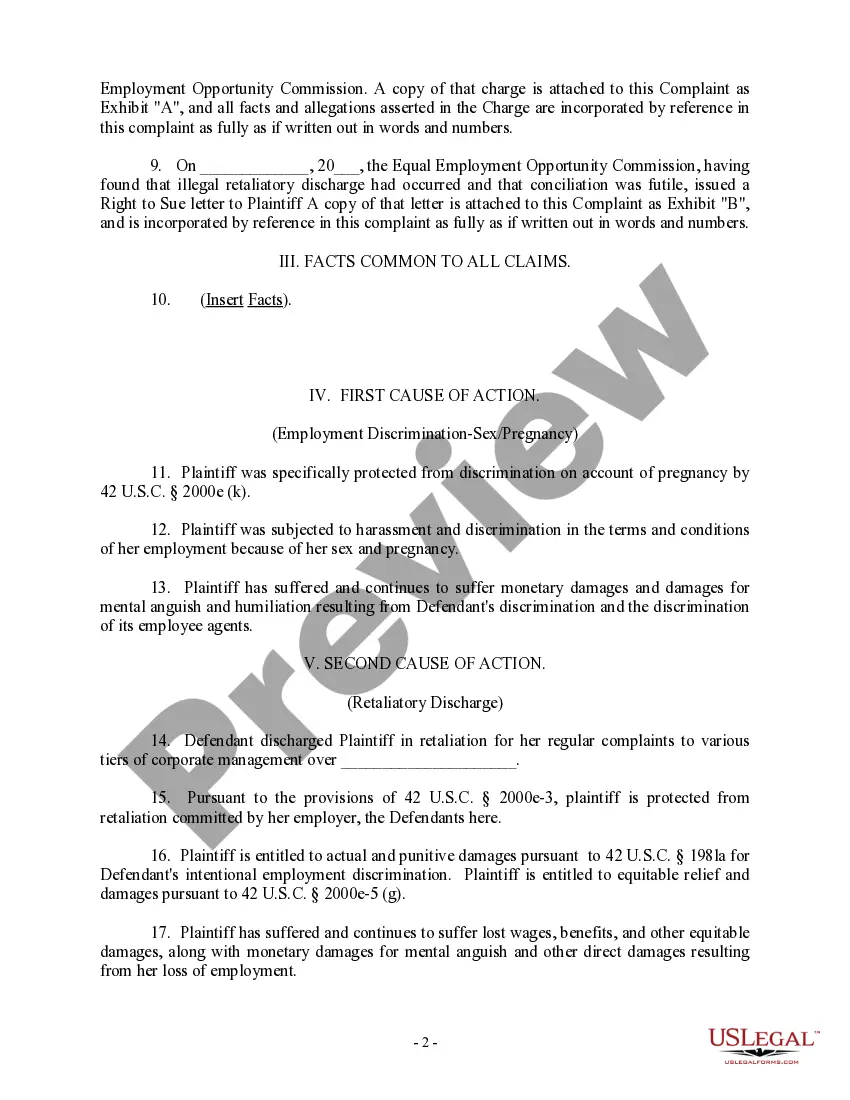
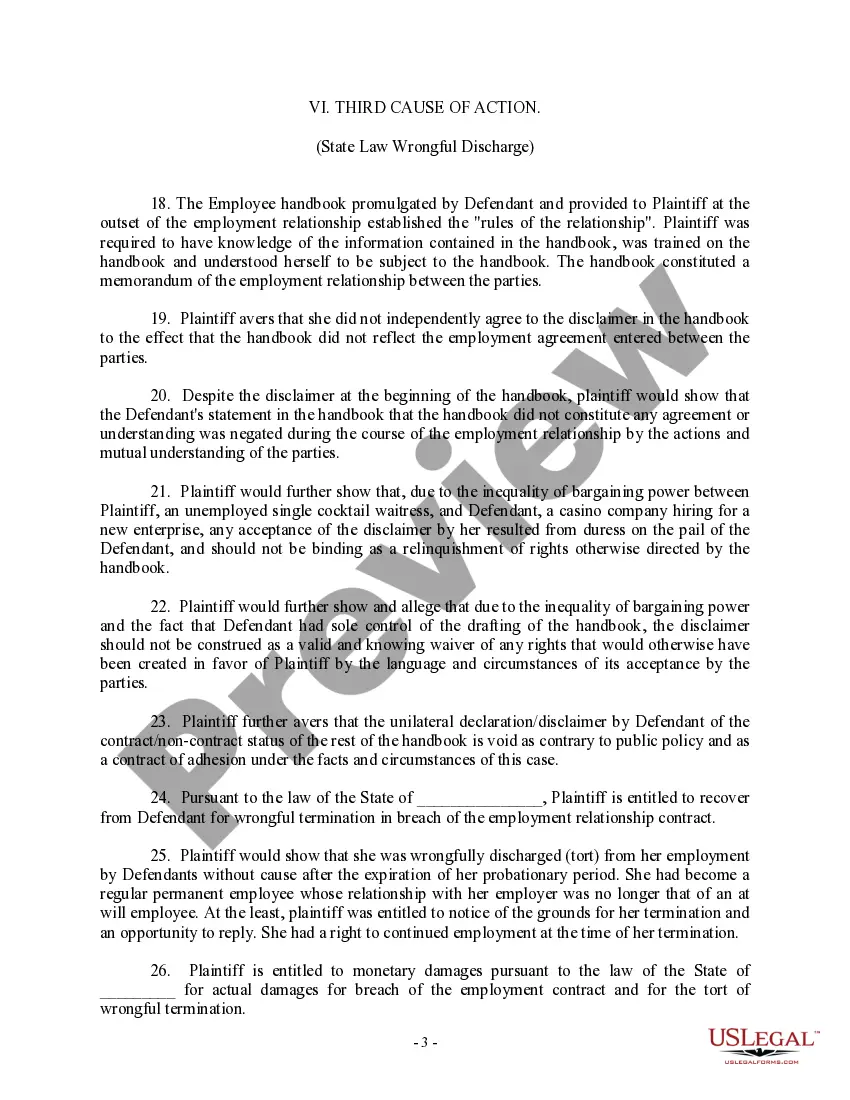
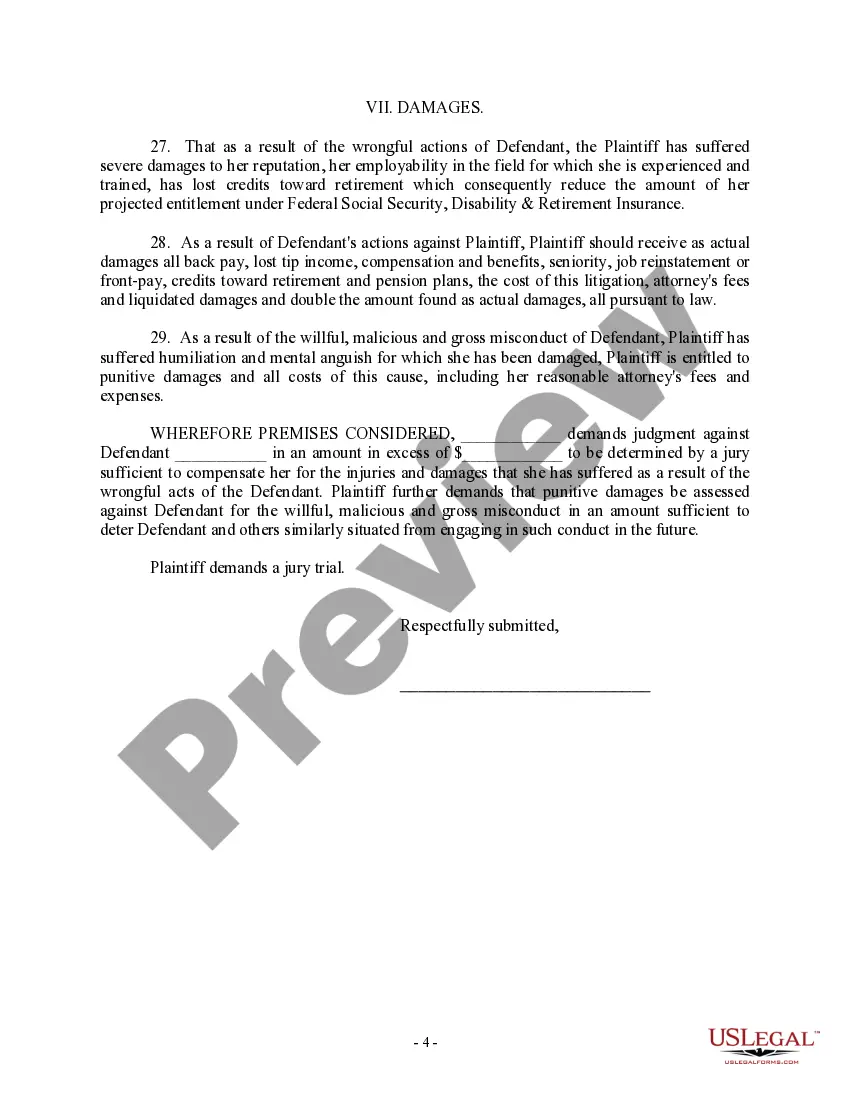


Get your form ready online
Our built-in tools help you complete, sign, share, and store your documents in one place.
Make edits, fill in missing information, and update formatting in US Legal Forms—just like you would in MS Word.
Download a copy, print it, send it by email, or mail it via USPS—whatever works best for your next step.
Sign and collect signatures with our SignNow integration. Send to multiple recipients, set reminders, and more. Go Premium to unlock E-Sign.
If this form requires notarization, complete it online through a secure video call—no need to meet a notary in person or wait for an appointment.
We protect your documents and personal data by following strict security and privacy standards.

Make edits, fill in missing information, and update formatting in US Legal Forms—just like you would in MS Word.

Download a copy, print it, send it by email, or mail it via USPS—whatever works best for your next step.

Sign and collect signatures with our SignNow integration. Send to multiple recipients, set reminders, and more. Go Premium to unlock E-Sign.

If this form requires notarization, complete it online through a secure video call—no need to meet a notary in person or wait for an appointment.

We protect your documents and personal data by following strict security and privacy standards.
Looking for another form?
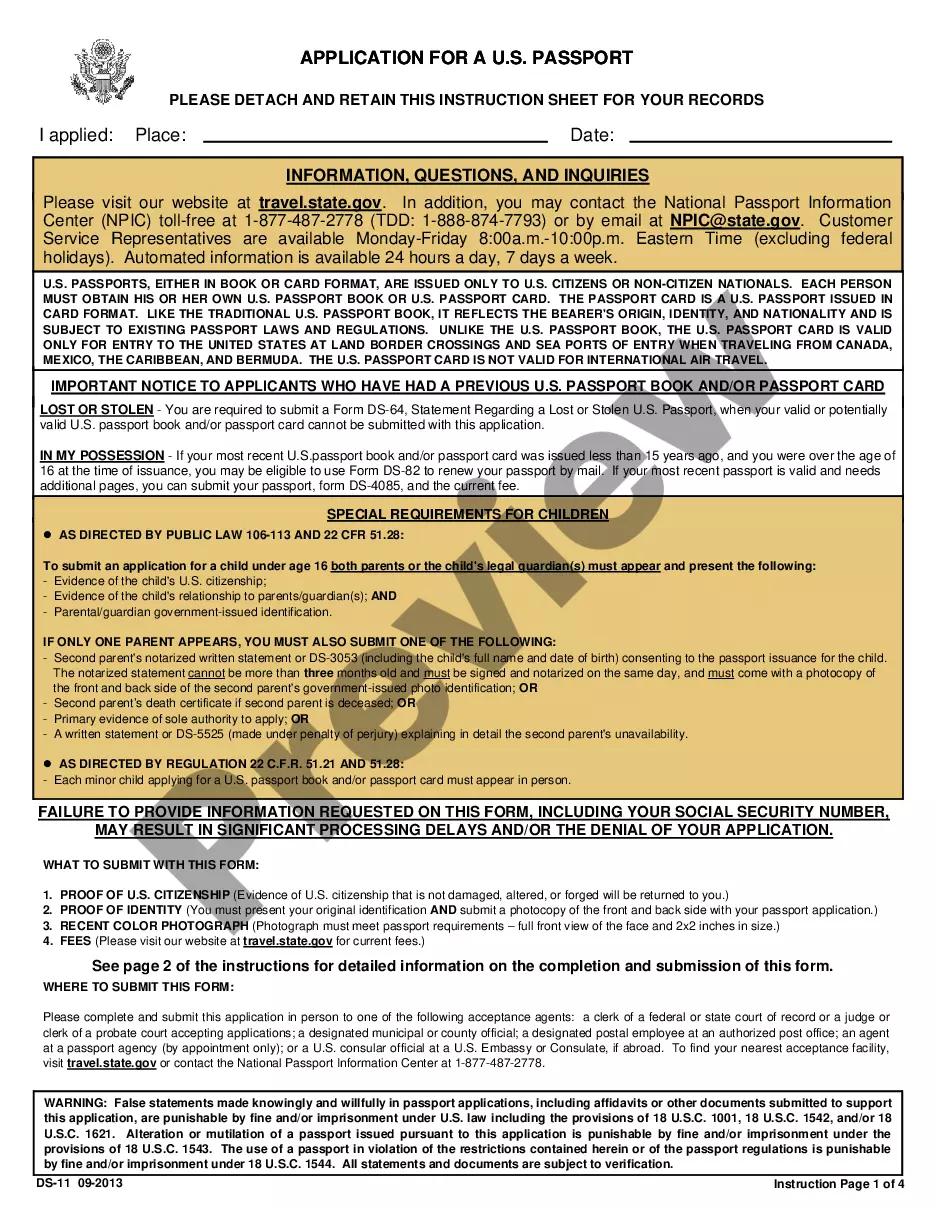






Form popularity
FAQ
Many investigations are initiated by complaints, which are confidential. The name of the complainant, the nature of the complaint, and whether a complaint exists may not be disclosed.
Our employment attorneys have found that employers typically round to the nearest 15 minutes or quarter-hour. This allows for the “7 minute rule,” where: the first 7 minutes to the increment, 1 through 7, are rounded down, and. the final 7 minutes, or 8-15, are rounded up.
How Do I Contact the Labor Board in California? To contact the DLSE, call 833-LCO-INFO (833-526-4636). You may also visit the DLSE webpage to determine DLSE business hours, find local office addresses, or visit an office nearest you. General inquiries may be emailed to DLSE2@dir.ca.
An employer has the right to set certain policies regarding the behavior and performance of employees. Policies must be easily accessible to all employees and must be enforced equally. In other words, the employer cannot enforce rules against only certain employees in a manner that is discriminatory.
Under Labor Code Section 202, when an employee not having a written contact for a definite period quits his or her employment and gives 72 hours prior notice of his or her intention to quit, and quits on the day given in the notice, the employee is entitled to his or her wages at the time of quitting.
If appropriate, the Department of Labor may litigate and/or recommend criminal prosecution. Employers who have willfully violated the law may be subject to criminal penalties, including fines and imprisonment.
California is generally an “at-will” state, meaning either the employer or employee can terminate the employment at any time for any reason or no reason. However, there can be exceptions, such as anything written into a contract or anything that is classified as discrimination or retaliation, among other things.
An employer has the right to set certain policies regarding the behavior and performance of employees. Policies must be easily accessible to all employees and must be enforced equally. In other words, the employer cannot enforce rules against only certain employees in a manner that is discriminatory.