Employment Law For Notice Period In Orange
Description
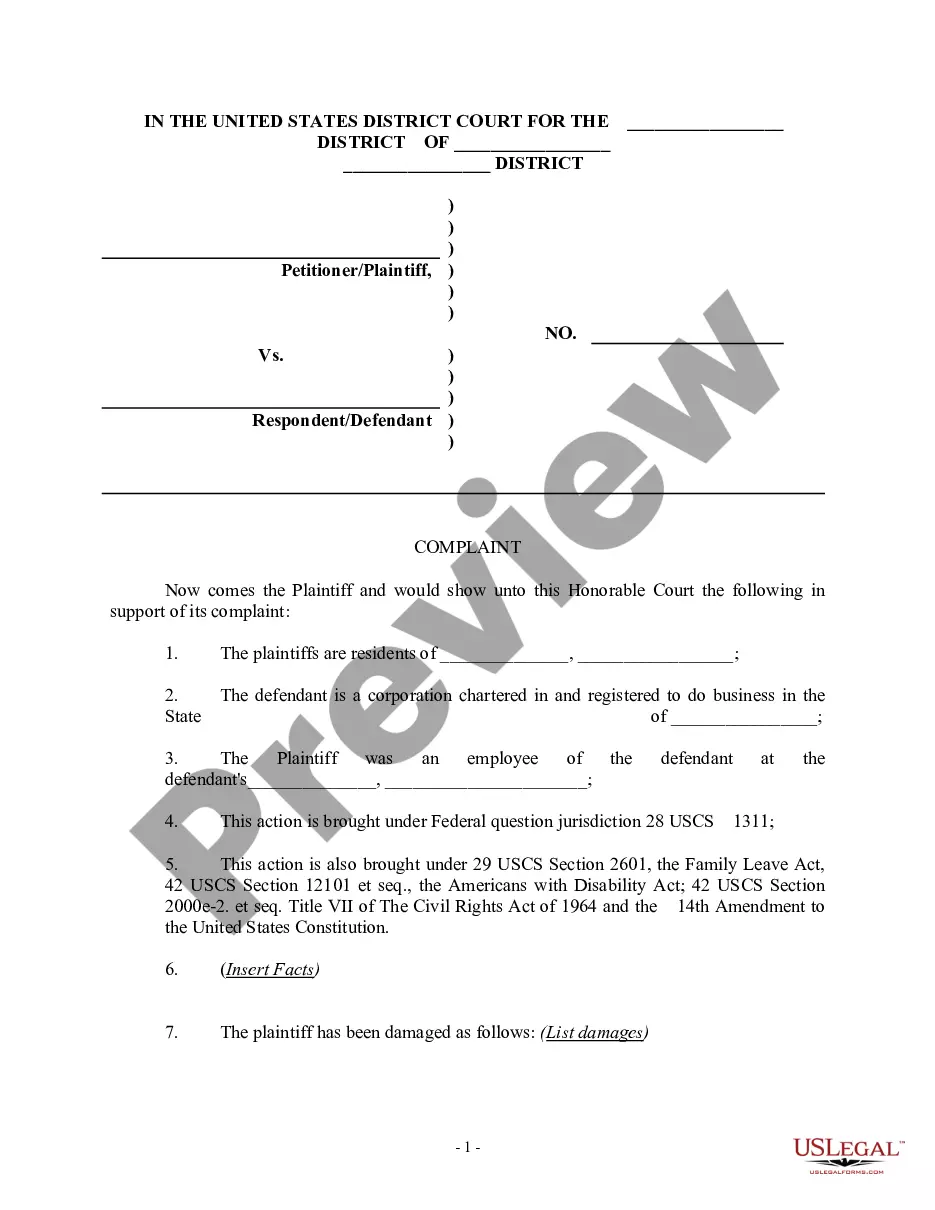
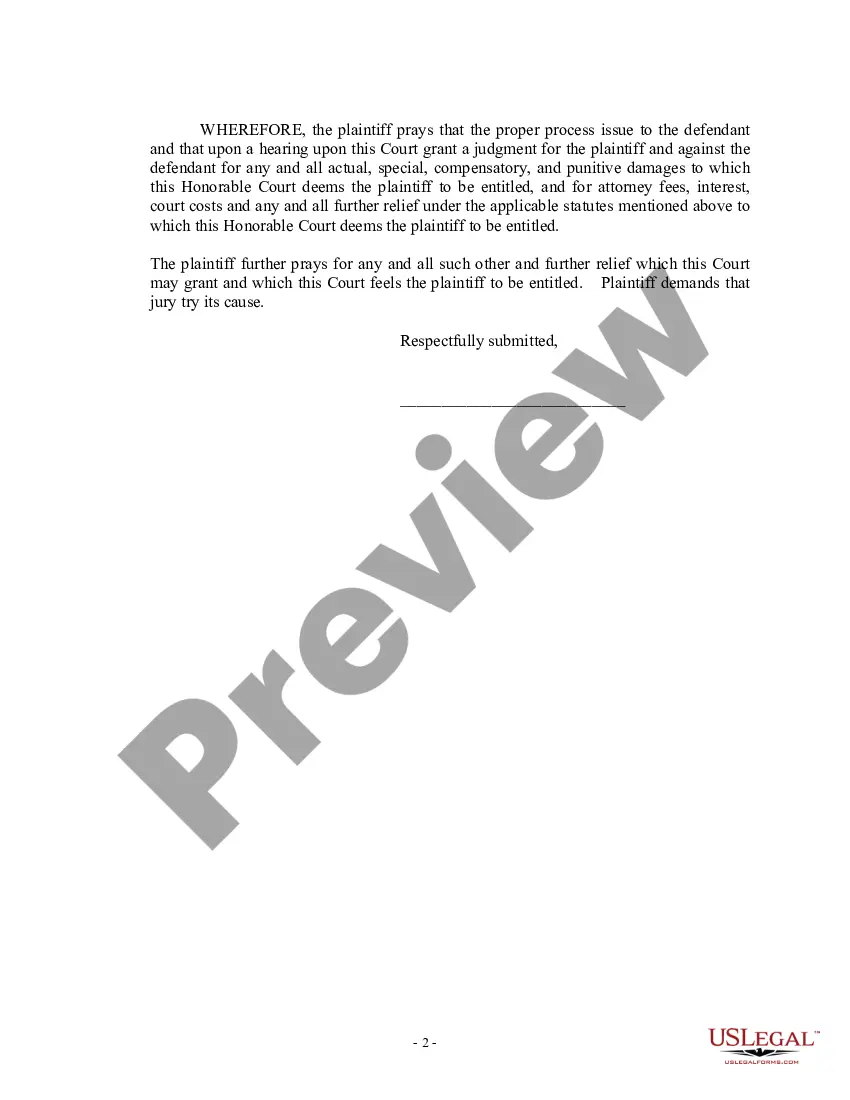
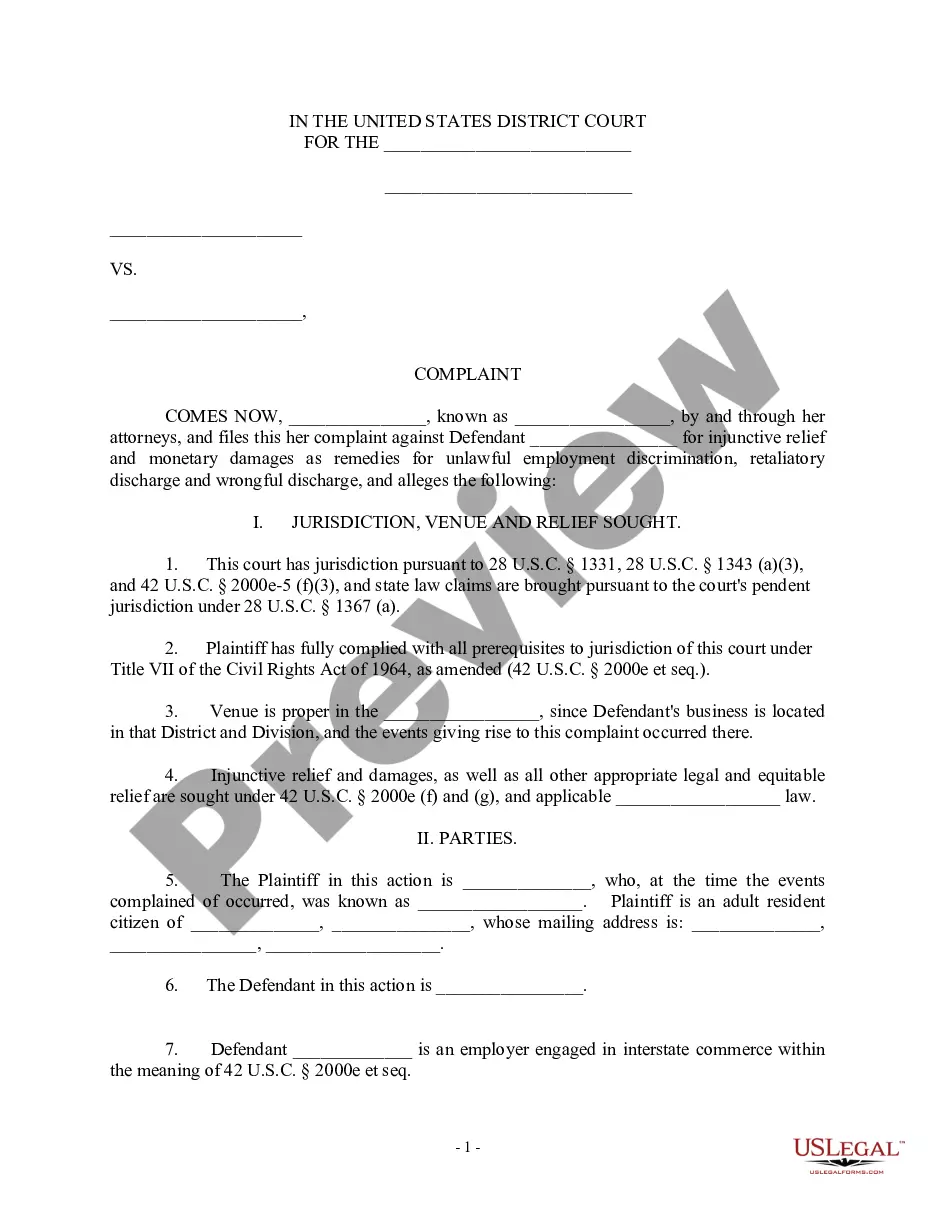
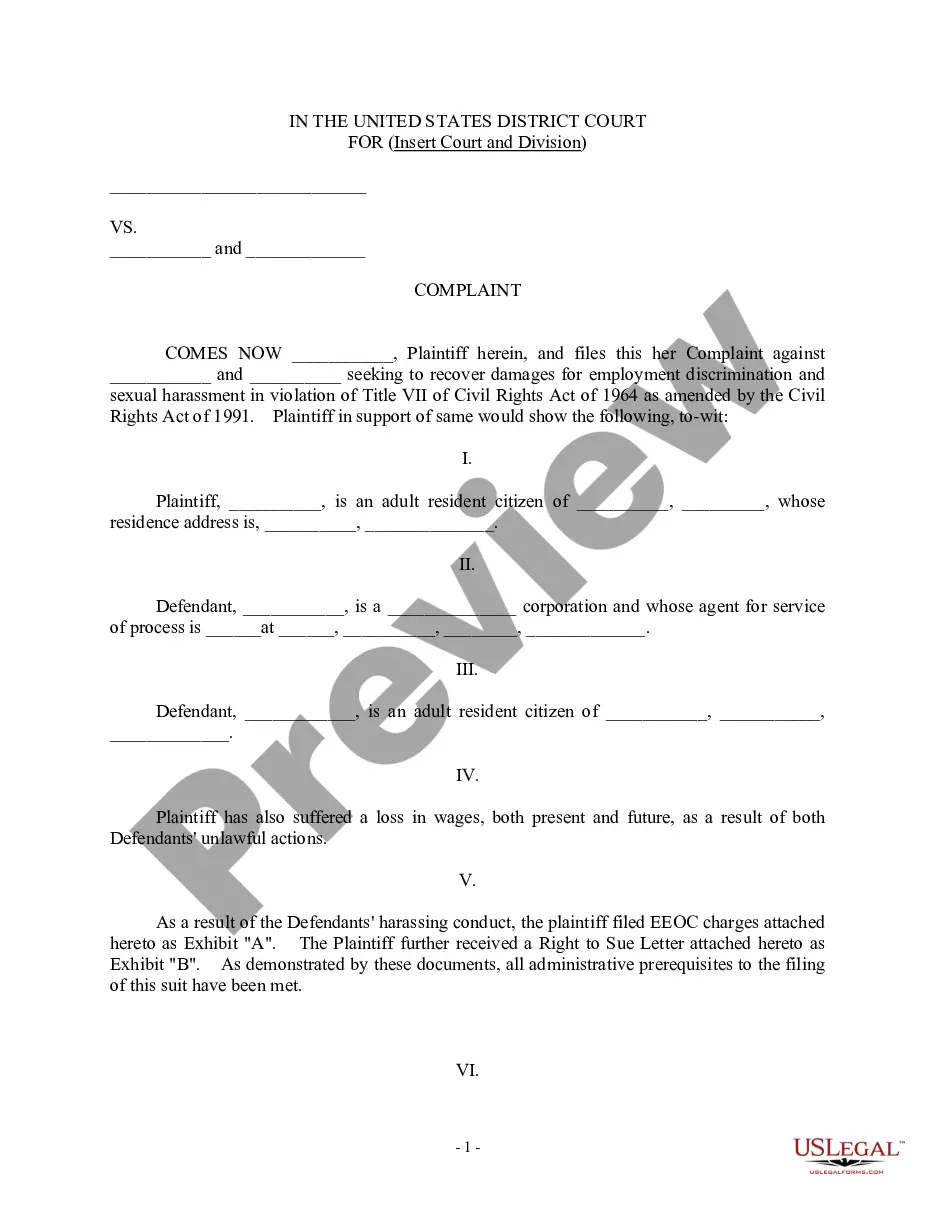
Get your form ready online
Our built-in tools help you complete, sign, share, and store your documents in one place.
Make edits, fill in missing information, and update formatting in US Legal Forms—just like you would in MS Word.
Download a copy, print it, send it by email, or mail it via USPS—whatever works best for your next step.
Sign and collect signatures with our SignNow integration. Send to multiple recipients, set reminders, and more. Go Premium to unlock E-Sign.
If this form requires notarization, complete it online through a secure video call—no need to meet a notary in person or wait for an appointment.
We protect your documents and personal data by following strict security and privacy standards.

Make edits, fill in missing information, and update formatting in US Legal Forms—just like you would in MS Word.

Download a copy, print it, send it by email, or mail it via USPS—whatever works best for your next step.

Sign and collect signatures with our SignNow integration. Send to multiple recipients, set reminders, and more. Go Premium to unlock E-Sign.

If this form requires notarization, complete it online through a secure video call—no need to meet a notary in person or wait for an appointment.

We protect your documents and personal data by following strict security and privacy standards.
Looking for another form?
Form popularity
FAQ
Here is an example of a termination clause: “Party A and Party B have the right to terminate the Contract under material breach, change in circumstances, insolvency, and mutual agreement. To terminate the Contract, the terminating party must provide 30 days of written notice to the other party.
While you might be able to quit at any time, California's labor laws do require you to give at least 72 hours' notice if you want your final paycheck at the time you leave. Employees who do not give three days' notice or more must wait three days for their employer to deliver or mail their paycheck.
Notice periods are typically two weeks or longer. However, you can determine the needed length of your notice period by considering variables like the state of your current projects and the schedule of your coworkers.
Employee's right to resign: (2019), the Supreme Court upheld the right of an employee to resign after serving the required notice period, emphasizing that an employee cannot be compelled to continue in employment against their will unless there are specific contractual provisions or rules mandating otherwise.
Home > Employment Law FAQs > What is a reasonable notice period? For most employees a notice period of between 1- 3 months is usual. For more senior roles, the period is usually 3-6 months, and a period of 12 months is not uncommon for senior executives.
Reasonable notice: where a contract does not provide any express provisions on termination, generally it can be terminated on reasonable notice (although there are some exceptions). What is considered reasonable, is to be determined on the facts at the time notice is provided.
One week, if the employee has been employed for six months or less; two weeks, if the employee has been employed for more than six months but not more than one year; four weeks, if the employee has been employed for one year or more or, in the case of a farmworker or domestic worker , employed for more than six months.
If you decide to leave one position for another, it is important to do so in a manner that maintains personal and professional relationships. In some cases, providing an employer a one week notice before resigning is ample warning, while in other positions two week's notice is standard.