Employment Discrimination In China In Los Angeles
Description
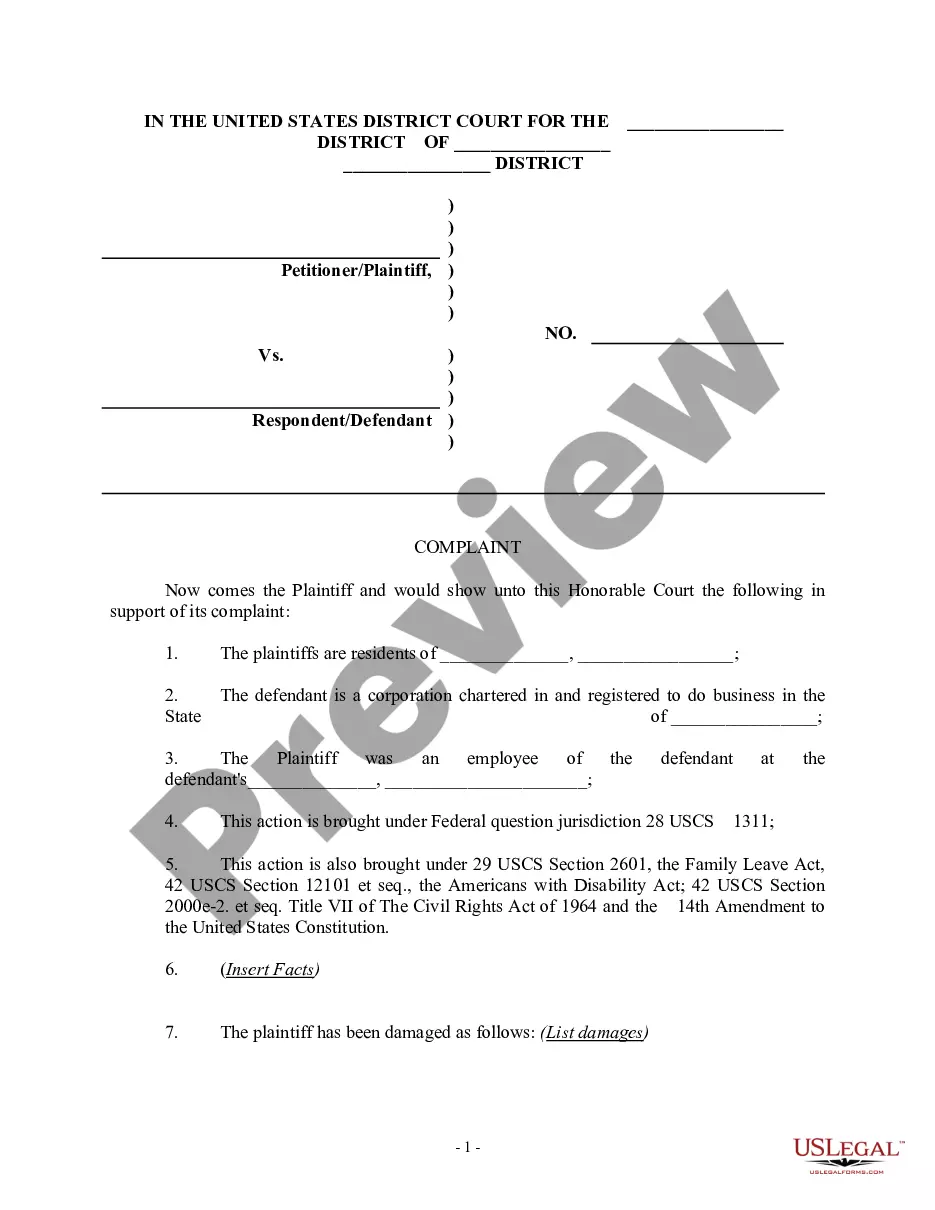
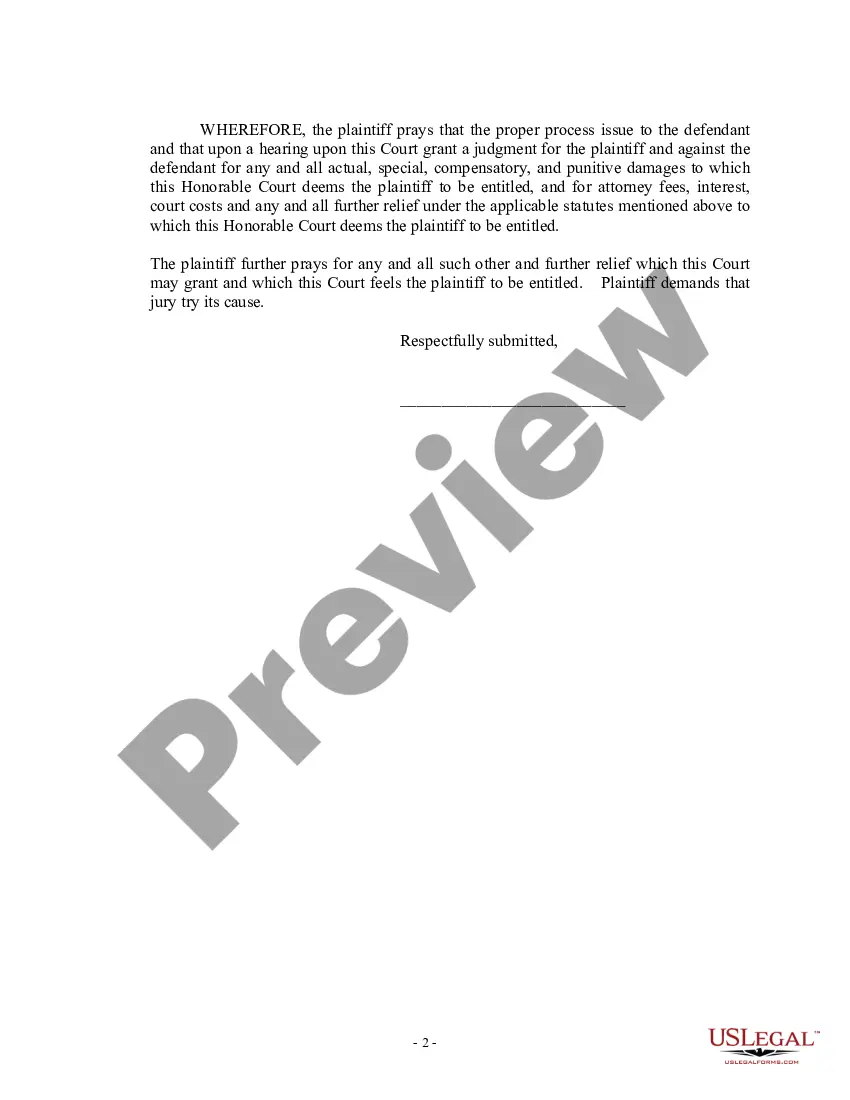
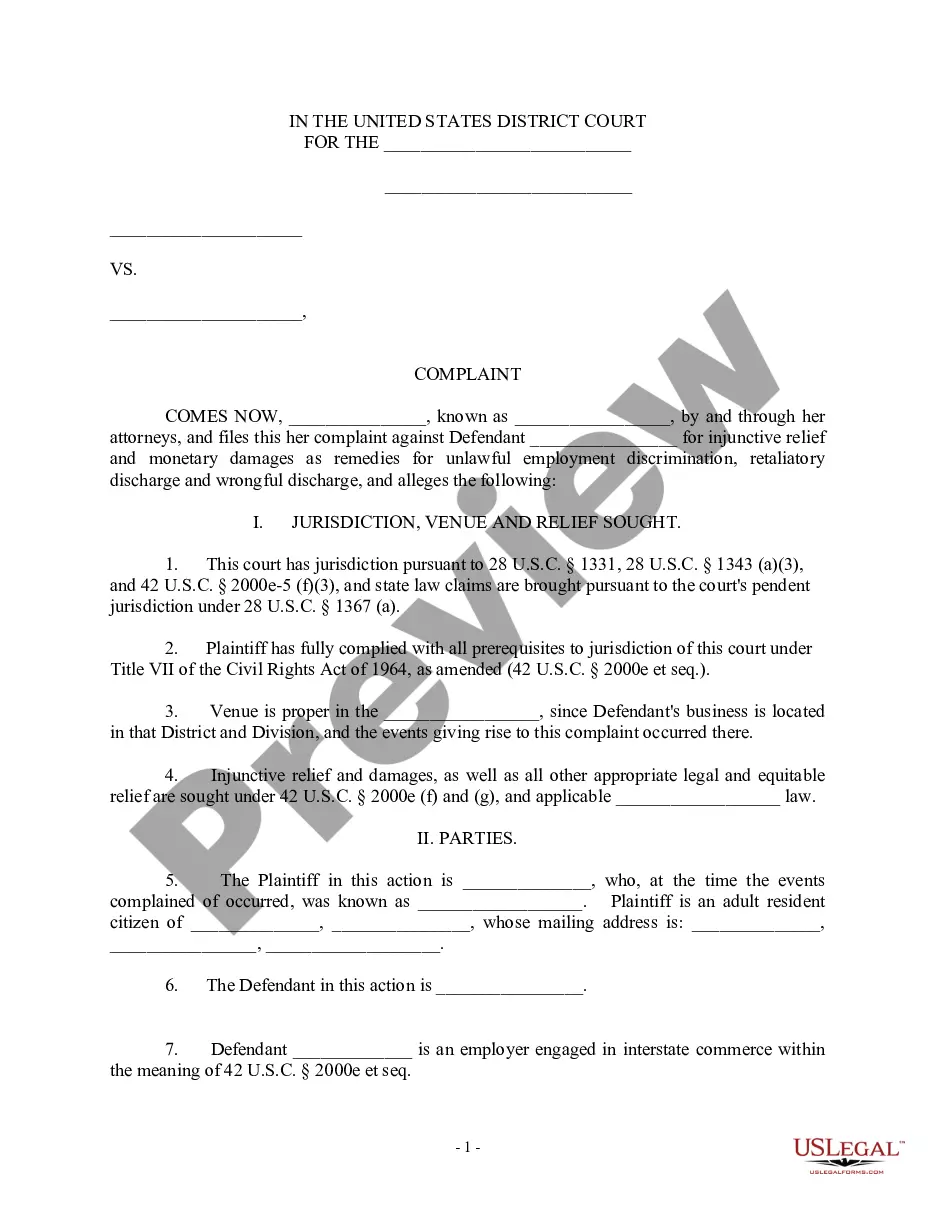
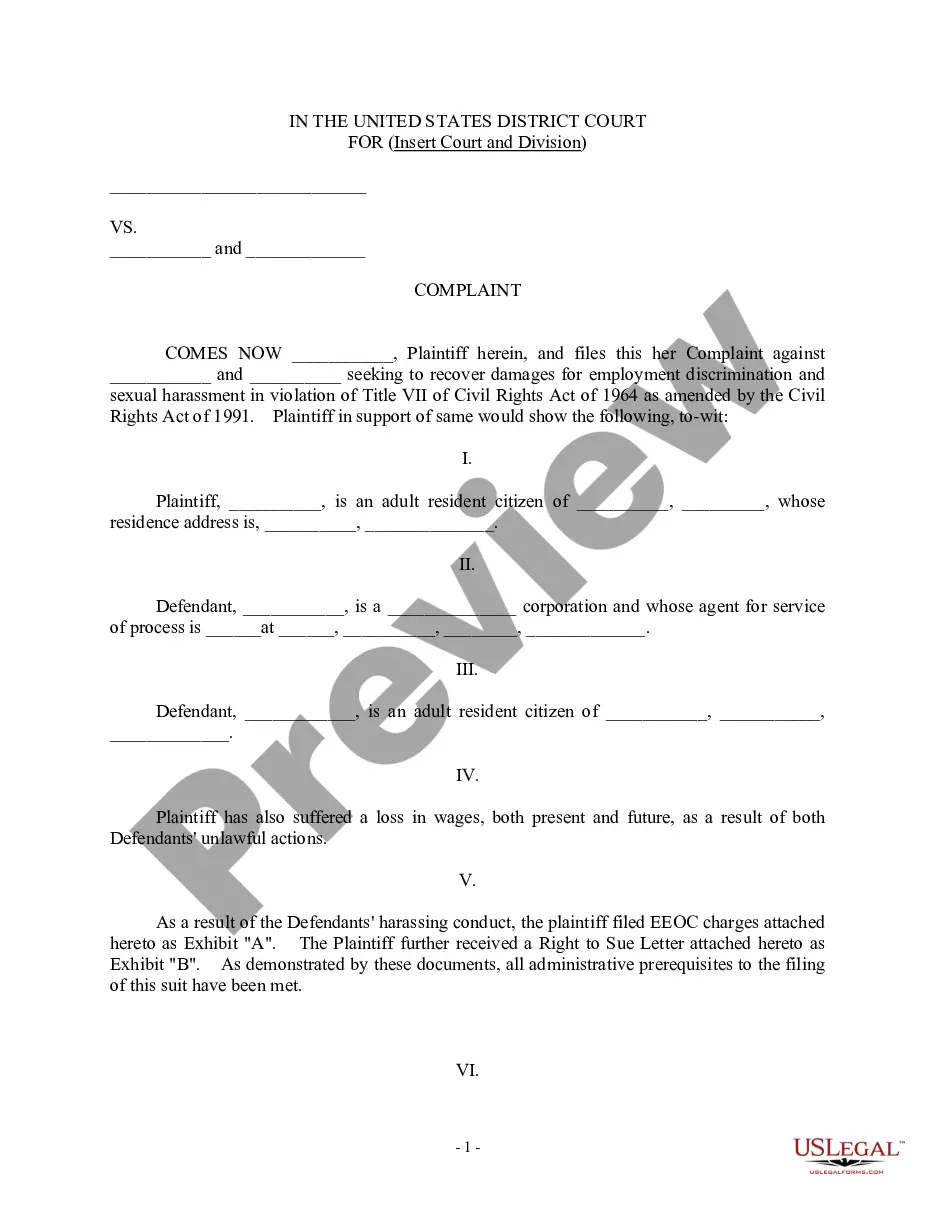
Get your form ready online
Our built-in tools help you complete, sign, share, and store your documents in one place.
Make edits, fill in missing information, and update formatting in US Legal Forms—just like you would in MS Word.
Download a copy, print it, send it by email, or mail it via USPS—whatever works best for your next step.
Sign and collect signatures with our SignNow integration. Send to multiple recipients, set reminders, and more. Go Premium to unlock E-Sign.
If this form requires notarization, complete it online through a secure video call—no need to meet a notary in person or wait for an appointment.
We protect your documents and personal data by following strict security and privacy standards.

Make edits, fill in missing information, and update formatting in US Legal Forms—just like you would in MS Word.

Download a copy, print it, send it by email, or mail it via USPS—whatever works best for your next step.

Sign and collect signatures with our SignNow integration. Send to multiple recipients, set reminders, and more. Go Premium to unlock E-Sign.

If this form requires notarization, complete it online through a secure video call—no need to meet a notary in person or wait for an appointment.

We protect your documents and personal data by following strict security and privacy standards.
Looking for another form?
Form popularity
FAQ
Article 3 under the PRC Employment Promotion Law makes an open and not exhaustive listing of forbidden discriminating factors, 'employees shall not be discriminated due to their nationality, race, gender or religious belief, etc', which entitles gender and sexuality minorities to claim anti-discrimination rights with ...
For discrimination complaints related to housing, employment, or business establishments, you may contact the California Department of Fair Employment and Housing (DFEH) at 800-884-1684 (voice), 800-700-2320 (TTY). You may also visit the DFEH page for additional information.
Proving workplace discrimination in California can be one of the most difficult steps in a successful discrimination case. It can also be complex, confusing and frustrating.
Many cases of intentional discrimination are not proven by a single type of evidence. Rather, many different kinds of evidence-direct and circumstantial, statistical and anecdotal-are relevant to the showing of intent and should be assessed on a cumulative basis.
Age. Age discrimination involves treating someone (an applicant or employee) less favorably because of age. Disability. Genetic Information. Unlawful Workplace Harassment (Harassment) ... National Origin. Pregnancy. Race/Color. Religion.
Ing to various legal industry analyses, plaintiffs in employment discrimination lawsuits might win at trial in approximately 1 out of 4 cases. However, this rate can fluctuate based on jurisdiction and the nature of the case.
Evidence in a discrimination case in California typically includes: emails, text messages, recordings, disciplinary forms, termination documents, or a copy of your employment contract if one exists. If you're like most Californians, you spend an inordinate amount of time at work.
Q: What Are the Chances of Winning an EEOC Case? A: The EEOC has a very high success rate when it comes to court decisions, reaching favorable outcomes in nearly 96% of all district court cases stemming from EEOC complaints.
The California Fair Employment and Housing Act (FEHA) is the primary law protecting employees from discrimination in employment. All employment provisions of the FEHA apply to employers with five or more full- or part-time employees. Most comparable federal laws cover only employers with at least 15 employees.
No person shall discriminate against another person in private employment, housing, education or commerce, because of that person's actual or perceived race, color, ethnicity, creed, age, national origin, religion, citizenship status, gender, gender identity or expression, sexual orientation, disability, medical ...