Employment Discrimination Rights For Criminal Record In Franklin
Description
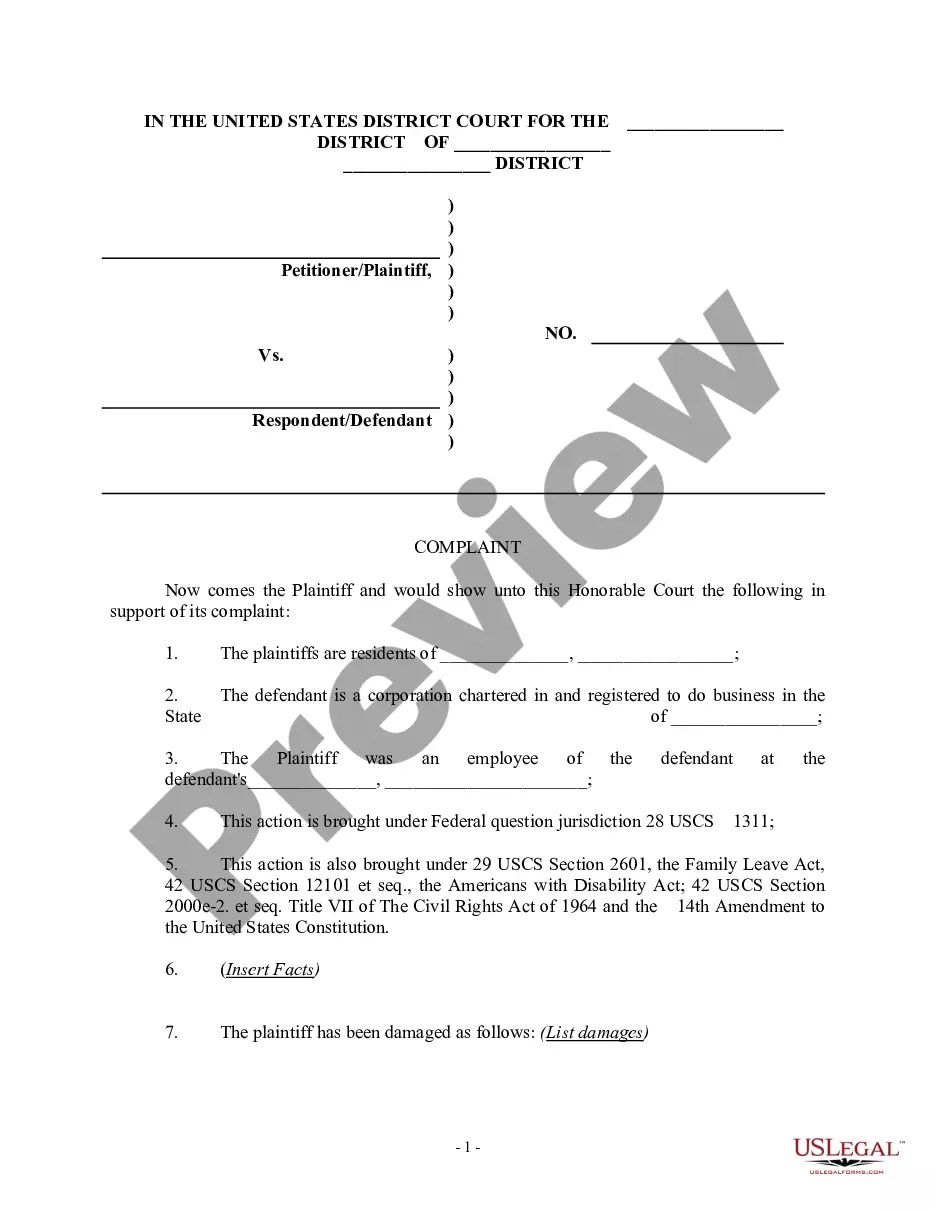
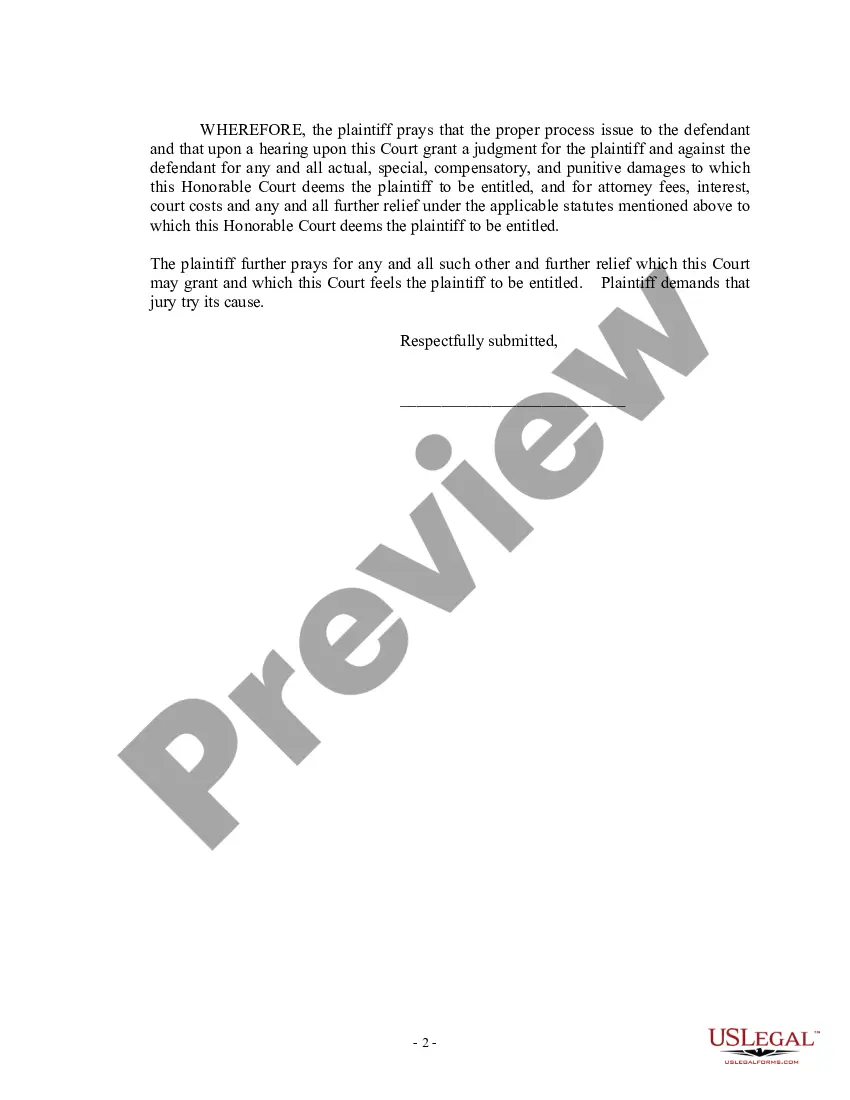
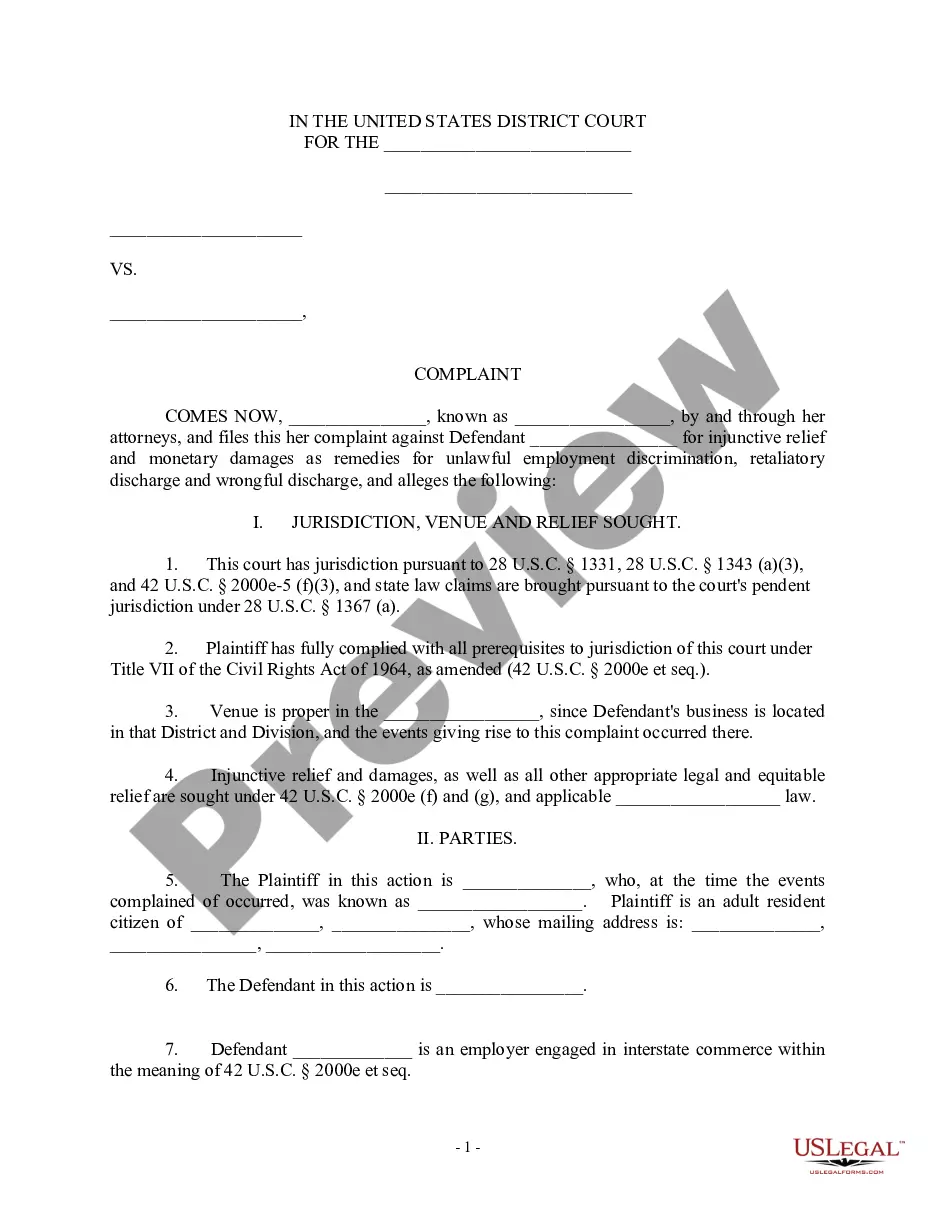
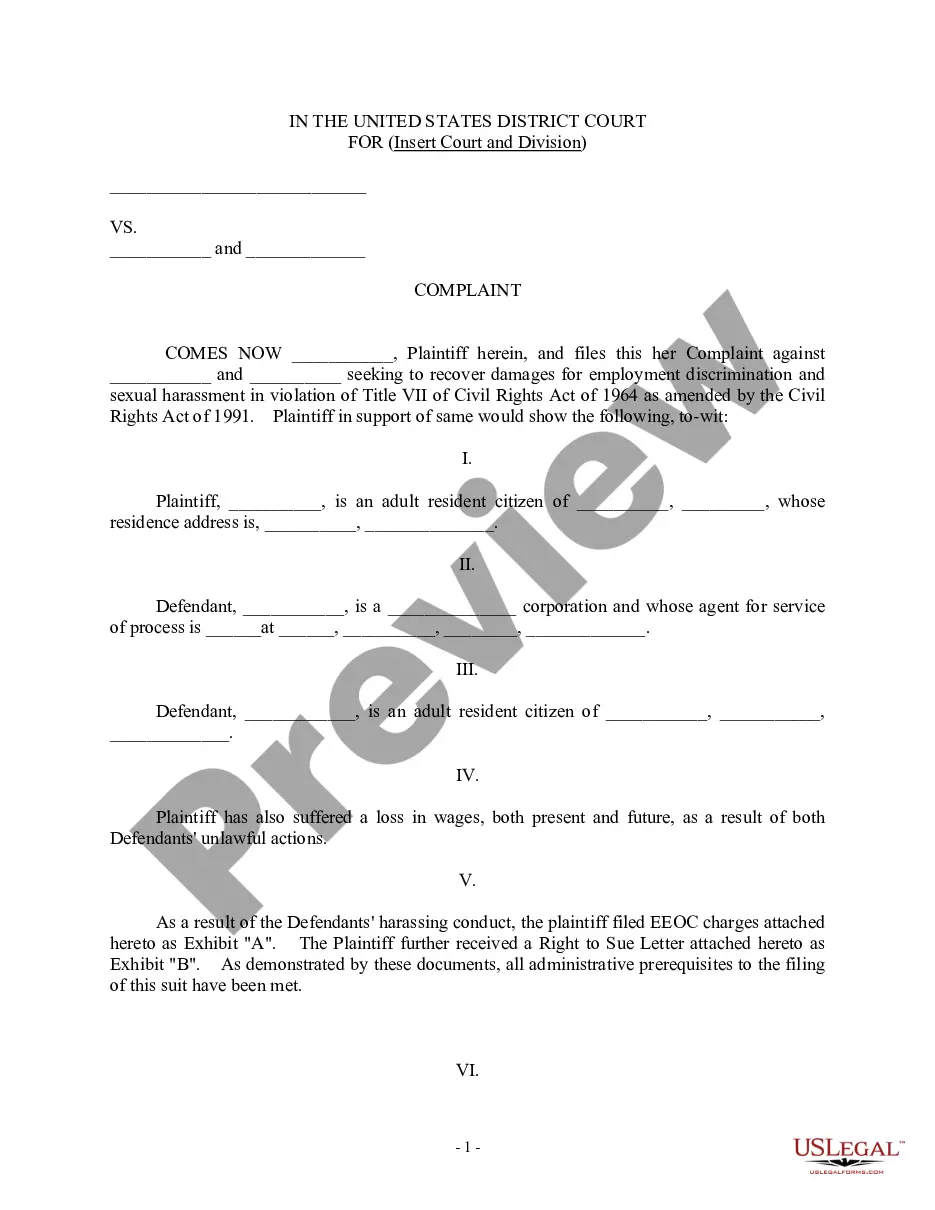
Get your form ready online
Our built-in tools help you complete, sign, share, and store your documents in one place.
Make edits, fill in missing information, and update formatting in US Legal Forms—just like you would in MS Word.
Download a copy, print it, send it by email, or mail it via USPS—whatever works best for your next step.
Sign and collect signatures with our SignNow integration. Send to multiple recipients, set reminders, and more. Go Premium to unlock E-Sign.
If this form requires notarization, complete it online through a secure video call—no need to meet a notary in person or wait for an appointment.
We protect your documents and personal data by following strict security and privacy standards.

Make edits, fill in missing information, and update formatting in US Legal Forms—just like you would in MS Word.

Download a copy, print it, send it by email, or mail it via USPS—whatever works best for your next step.

Sign and collect signatures with our SignNow integration. Send to multiple recipients, set reminders, and more. Go Premium to unlock E-Sign.

If this form requires notarization, complete it online through a secure video call—no need to meet a notary in person or wait for an appointment.

We protect your documents and personal data by following strict security and privacy standards.
Looking for another form?
Form popularity
FAQ
In a Nutshell: A convicted felon does not enjoy a protected status against employer discrimination (i.e. like race, religion, sexual orientation, etc.). An employer may refuse to hire a convicted felon as long as there is a bona fide occupational basis for so discriminating.
An employment discrimination lawsuit is adjudicated in civil courts. This means that the plaintiff, in such cases, the employee, has the burden of proof.
If you believe that you or someone else experienced unlawful discrimination, you can report a civil rights violation.
If a criminal background check is conducted but doesn't relate to the nature of the job, the applicant might make a legal claim for discrimination or argue that the information obtained cannot be used when making hiring decisions.
Many people mistakenly think that United States criminal records automatically clear after 7 years. This is inaccurate. However, after 5 to 10 years, you may be eligible for expungement, depending on state law. At that point, you can file a petition with the court to have your criminal record expunged.
The U.S. Equal Employment Opportunity Commission (EEOC) enforces Federal laws that protect you from discrimination in employment. If you believe you've been discriminated against at work or in applying for a job, the EEOC may be able to help.
You can include specific details such as: The names of prior employers. The dates of your employment. Previous job titles you held. Your duties and their impacts. Relevant education or training, including certifications. Accomplishments such as promotions, awards or other recognitions.
For example, asking only people of a certain race about their financial histories or criminal records is evidence of discrimination.
It is up to you, but we recommend honesty. On the application, write ”will discuss in interview” rather than a lengthy explanation of past convictions. In an interview, keep explanations brief, and stress what you have learned from your conviction and time in prison, how you have changed, and your skills or assets.