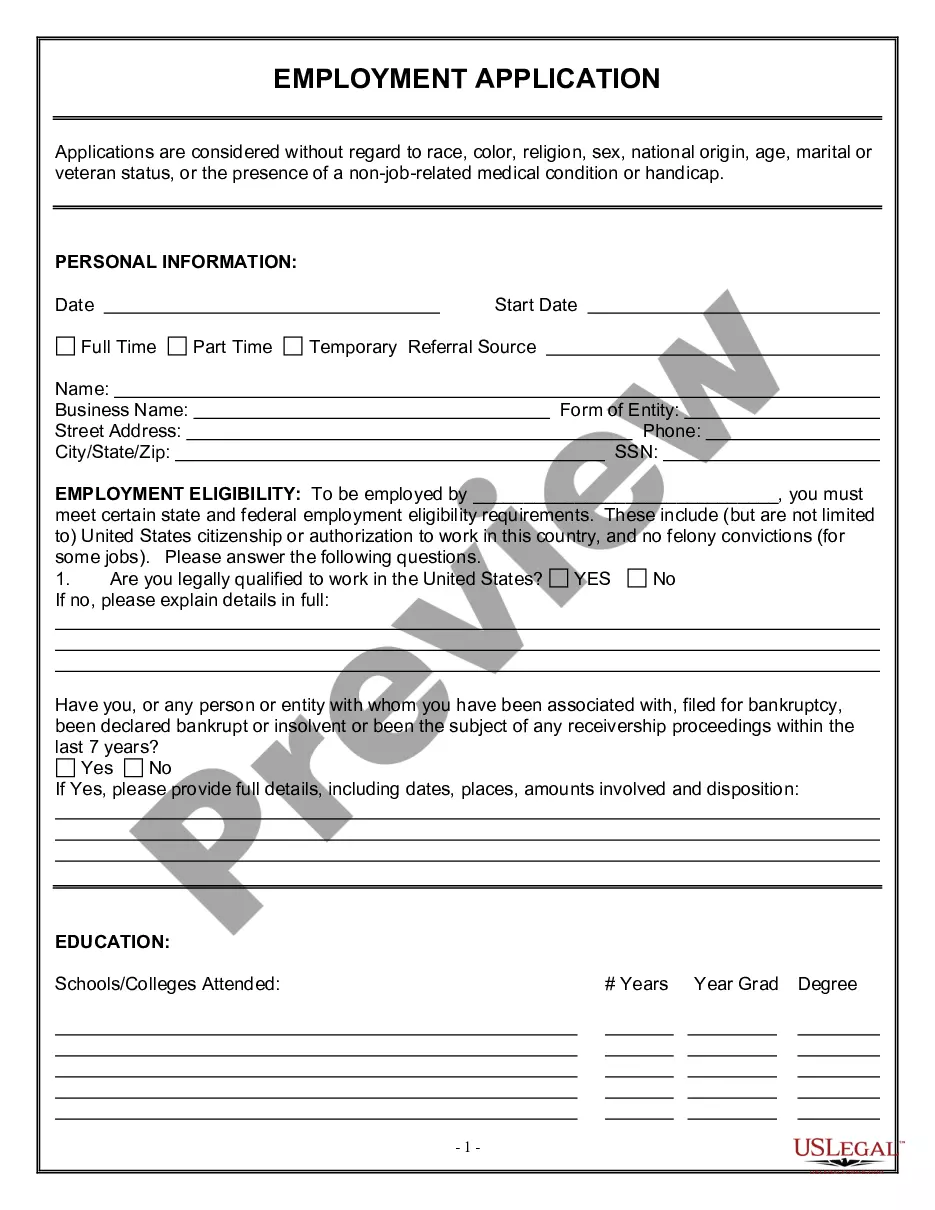
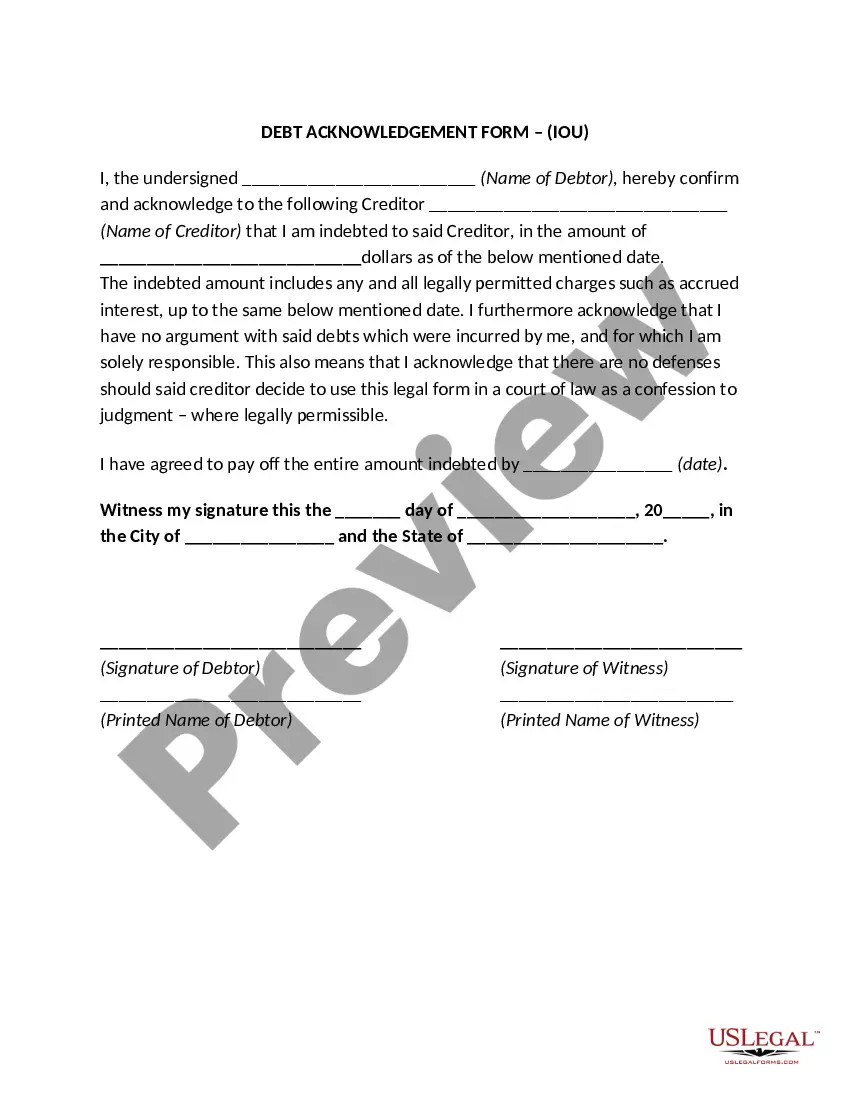
Complaint Discrimination File For Unemployment In Franklin
Description




Get your form ready online
Our built-in tools help you complete, sign, share, and store your documents in one place.
Make edits, fill in missing information, and update formatting in US Legal Forms—just like you would in MS Word.
Download a copy, print it, send it by email, or mail it via USPS—whatever works best for your next step.
Sign and collect signatures with our SignNow integration. Send to multiple recipients, set reminders, and more. Go Premium to unlock E-Sign.
If this form requires notarization, complete it online through a secure video call—no need to meet a notary in person or wait for an appointment.
We protect your documents and personal data by following strict security and privacy standards.

Make edits, fill in missing information, and update formatting in US Legal Forms—just like you would in MS Word.

Download a copy, print it, send it by email, or mail it via USPS—whatever works best for your next step.

Sign and collect signatures with our SignNow integration. Send to multiple recipients, set reminders, and more. Go Premium to unlock E-Sign.

If this form requires notarization, complete it online through a secure video call—no need to meet a notary in person or wait for an appointment.

We protect your documents and personal data by following strict security and privacy standards.
Looking for another form?







Form popularity
FAQ
Include the following in your complaint letter: Your name, address and telephone number. The name, address, and telephone number of your attorney or authorized representative, if you are represented. The basis of your complaint. The date(s) that the incident(s) you are reporting as discrimination occurred.
Include the following in your complaint letter: Your name, address and telephone number. The name, address, and telephone number of your attorney or authorized representative, if you are represented. The basis of your complaint. The date(s) that the incident(s) you are reporting as discrimination occurred.
You need to inform the person or organisation you want to take action against, why you want to take action. You do this by sending them a letter called a letter before claim. Your letter should explain what happened to you and why you think unlawful discrimination has taken place.
E) Discrimination in housing – When seeking an apartment for rent, the landlord tells you that “no children are allowed” (discrimination based on family status) or they won't rent to people under 25 years (age discrimination) because “they're too noisy and won't look after the place”.
Call 1-866-487-9243, or for general questions reach out to us online.
Examples of Employment Discrimination Failure to hire. Harassment. Quid pro quo: Conditioning employment or promotion on sexual favors. Hostile Work Environment: Continuous actions and comments based on protected characteristics that create an uncomfortable and hostile workplace.
Any employee who feels that he/she has been unfairly discriminated against or that an employer has contravened the laws may lodge a grievance in writing with their employer. The matter may thereafter be referred to the CCMA if the issue cannot be resolved at the workplace.
The answer depends on your claims and willingness to pursue litigation. If your claims are strong and you are invested in the litigation process, it can be very “worth it” to feel you are standing up for accountability, getting compensation for your injuries, and incentivizing the company to change its ways.
How to Prove Discrimination in the Workplace You have been treated unjustly based on one of your protected characteristics. You are qualified, capable and honest and performed your job satisfactorily. Discrimination has negatively affected your job. Job decisions were not objective.
