Replevin For Property In Nevada
Description








Get your form ready online
Our built-in tools help you complete, sign, share, and store your documents in one place.
Make edits, fill in missing information, and update formatting in US Legal Forms—just like you would in MS Word.
Download a copy, print it, send it by email, or mail it via USPS—whatever works best for your next step.
Sign and collect signatures with our SignNow integration. Send to multiple recipients, set reminders, and more. Go Premium to unlock E-Sign.
If this form requires notarization, complete it online through a secure video call—no need to meet a notary in person or wait for an appointment.
We protect your documents and personal data by following strict security and privacy standards.

Make edits, fill in missing information, and update formatting in US Legal Forms—just like you would in MS Word.

Download a copy, print it, send it by email, or mail it via USPS—whatever works best for your next step.

Sign and collect signatures with our SignNow integration. Send to multiple recipients, set reminders, and more. Go Premium to unlock E-Sign.

If this form requires notarization, complete it online through a secure video call—no need to meet a notary in person or wait for an appointment.

We protect your documents and personal data by following strict security and privacy standards.
Looking for another form?






Form popularity
FAQ
Nearly all household goods, furniture, family heirlooms, clothing, personal jewelry and retirement accounts are also exempt from creditors in bankruptcy. Life insurance policies are usually exempt, as well as 529 college savings plans. As to wages, Nevada law allows you to shield 75% of your income from creditors.
In contrast to personal property like chattels and motor vehicles, replevin generally doesn't apply to real property like real estate or houses. Real property, such as land, houses, or other types of real estate, is immovable.
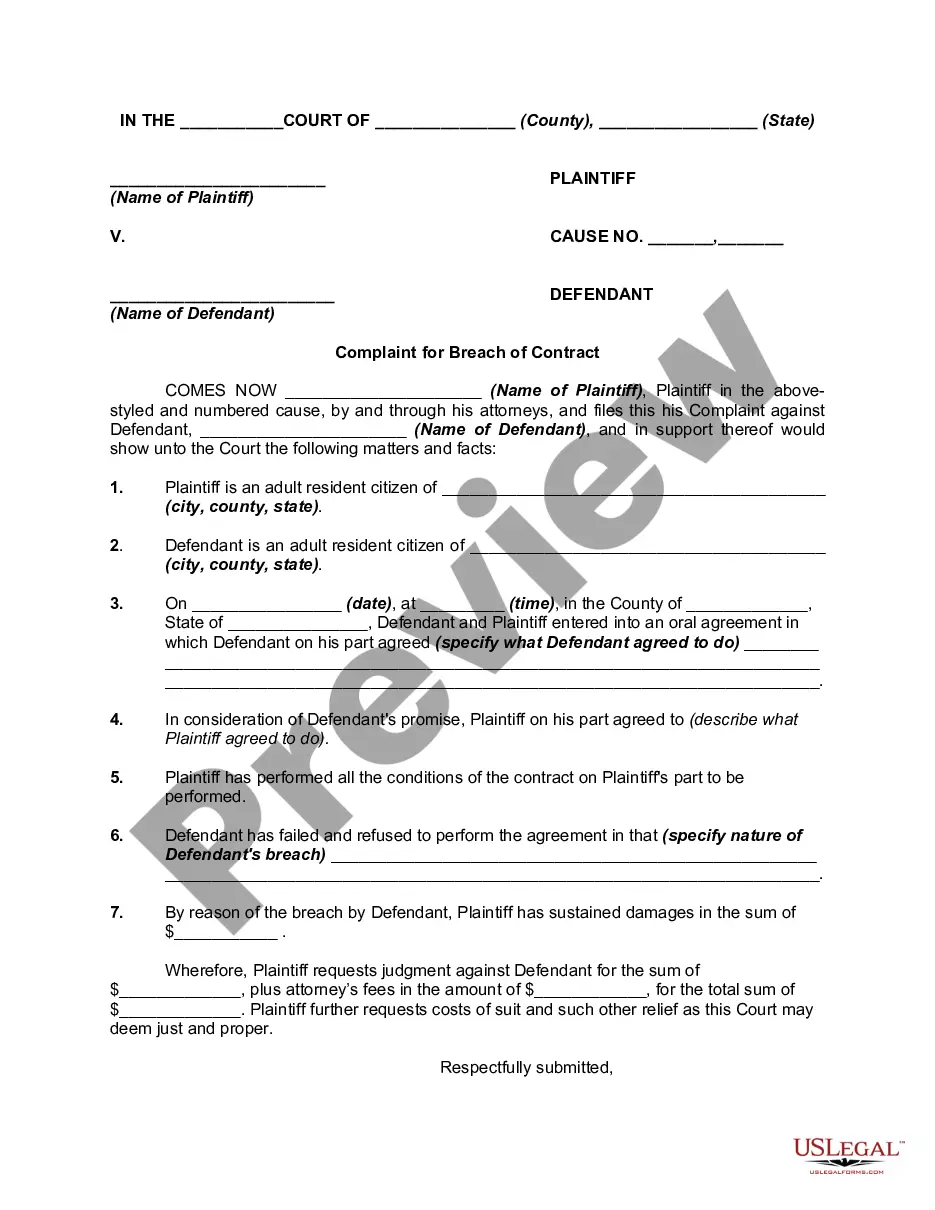
The Complaint: The complaint in replevin typically must include: (i) a description of the property to be replevied; (ii) its value; (iii) its location if known; and (iv) the material facts upon which the claim is based – in other words, why the filing party is entitled to seize the property that has been taken.
Types of Exemptions Under Nevada Laws Nevada laws carve out a long list of property exempt from execution. Below are some examples of exemptions: Necessary household goods, furnishings, electronics, clothes, yard equipment, and other personal effects up to $12,000 in value.
Replevin may also be referred to as claim and delivery. Creditors use replevin actions to recover collateral when debtors default on secured loans. For example, a bank might file a replevin action against a borrower to repossess the borrower's car after he missed too many payments.
The Complaint: The complaint in replevin typically must include: (i) a description of the property to be replevied; (ii) its value; (iii) its location if known; and (iv) the material facts upon which the claim is based – in other words, why the filing party is entitled to seize the property that has been taken.
What happens once I file the replevin? Your case will be set for a hearing to go before a judge. An Order To Show Cause will be issued and served on the defendant, notifying him/her of the action and the date of the hearing. You will also be notified of the hearing date.
Replevin is an action seeking return of personal property wrongfully taken or held by the defendant. In exchange for the personal property, the plaintiff in the action pledges a security and is allowed to hold the property until the case is resolved by the court.
You will not go to jail. You have 21 days to respond to the complaint. However, the 21 days on the clock do not start to run until you are actually served with the summons by the process server.
