Replevin File With Court In Nassau
Description
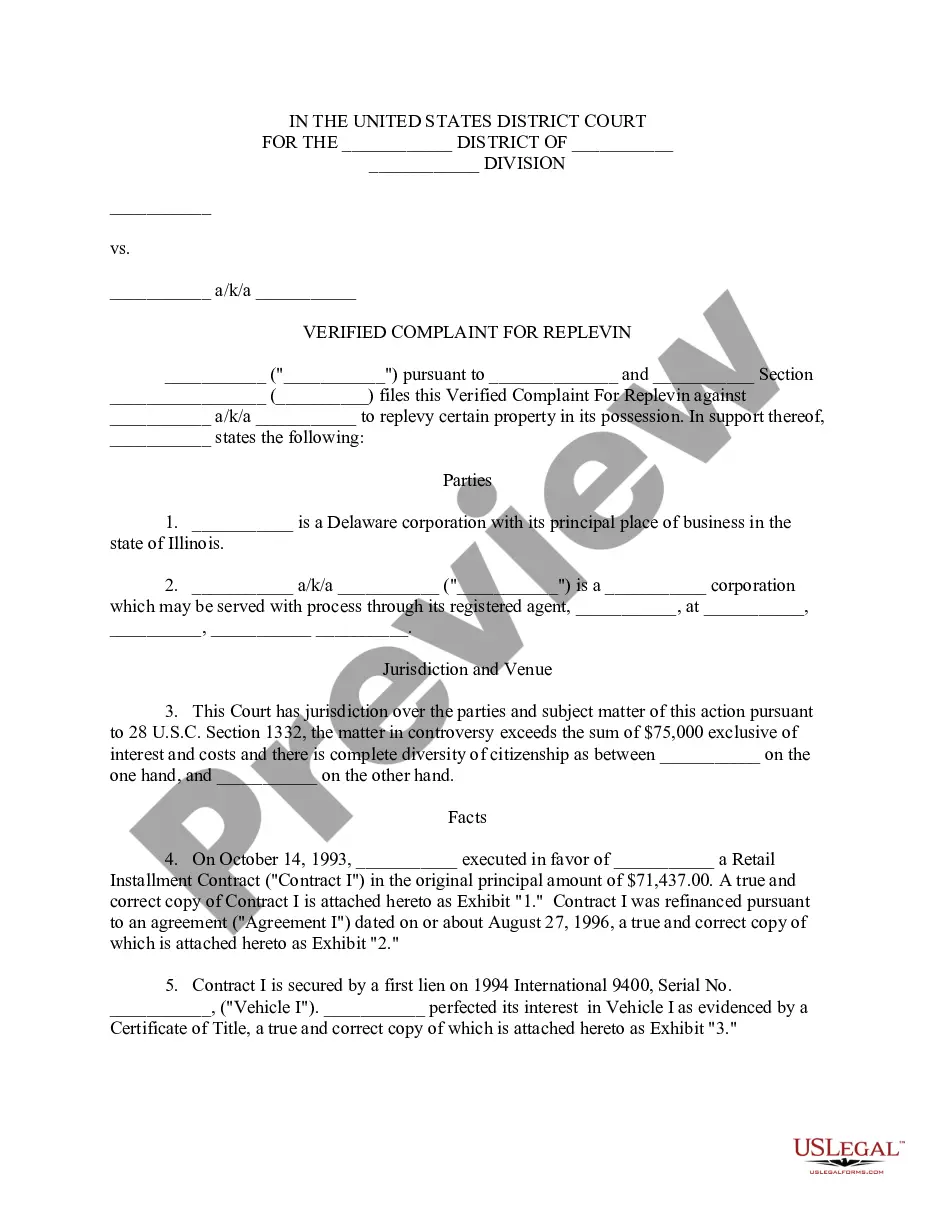
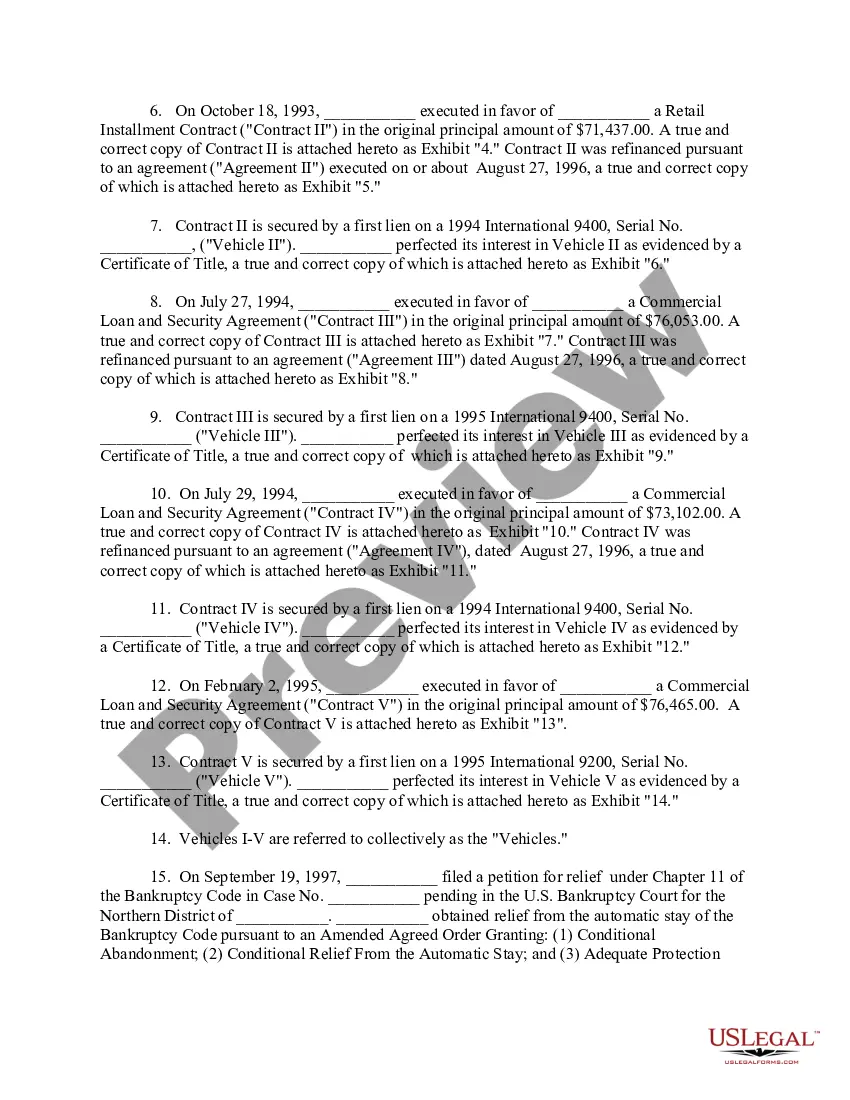
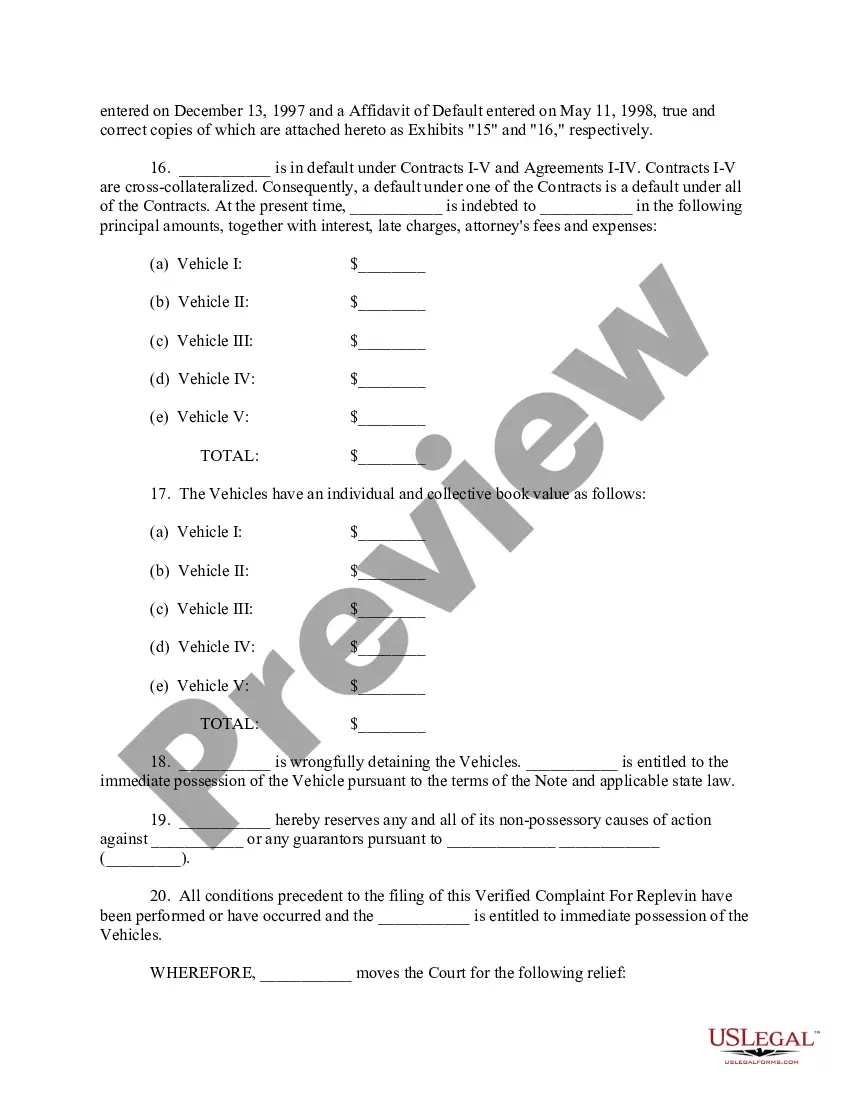
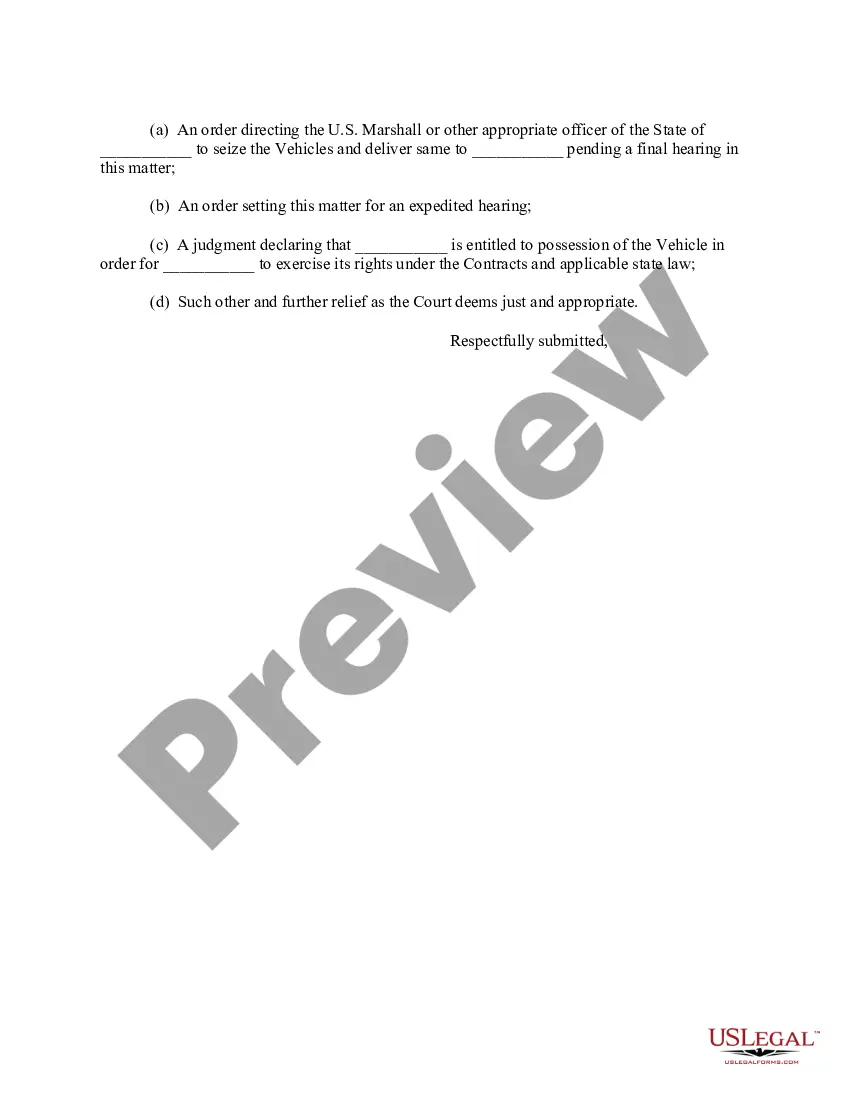
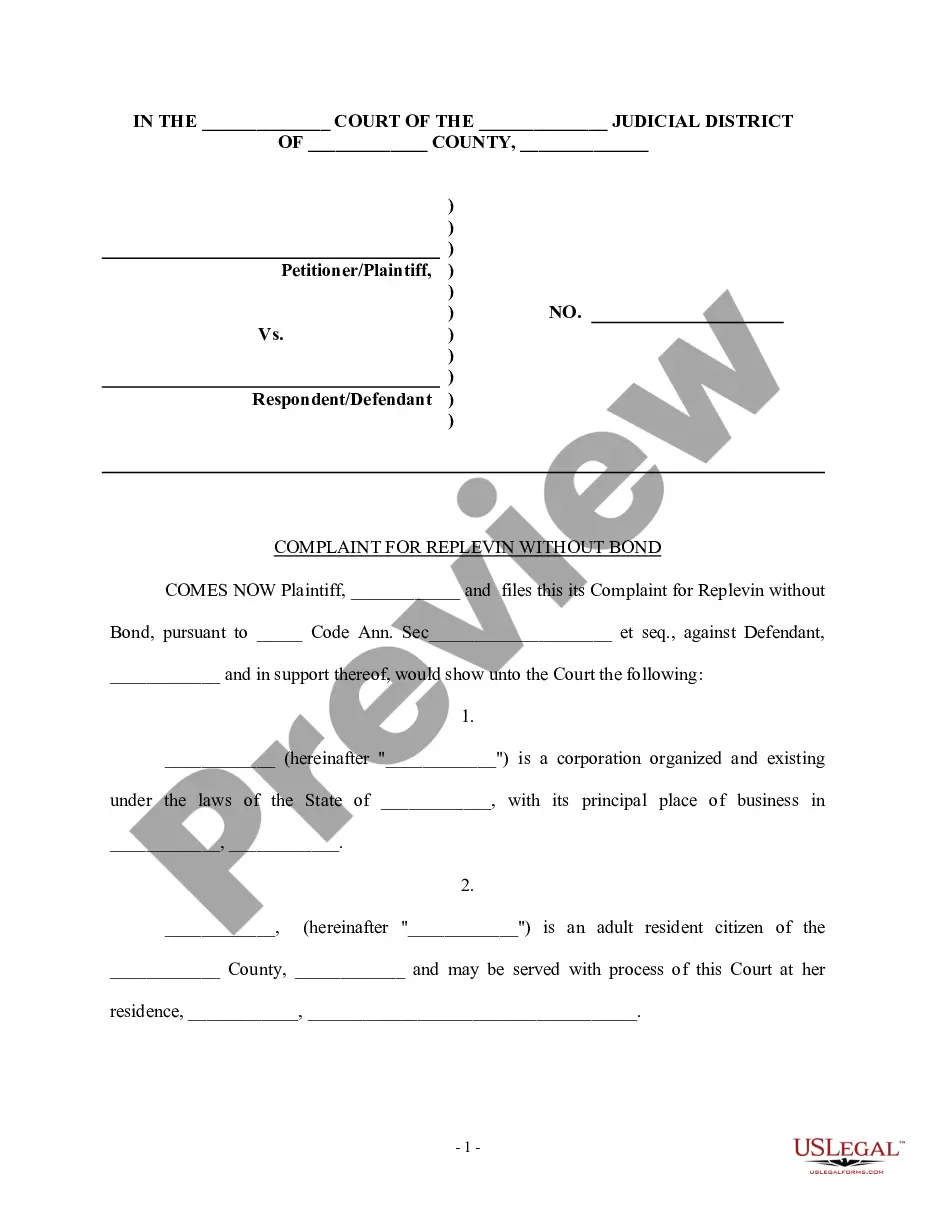
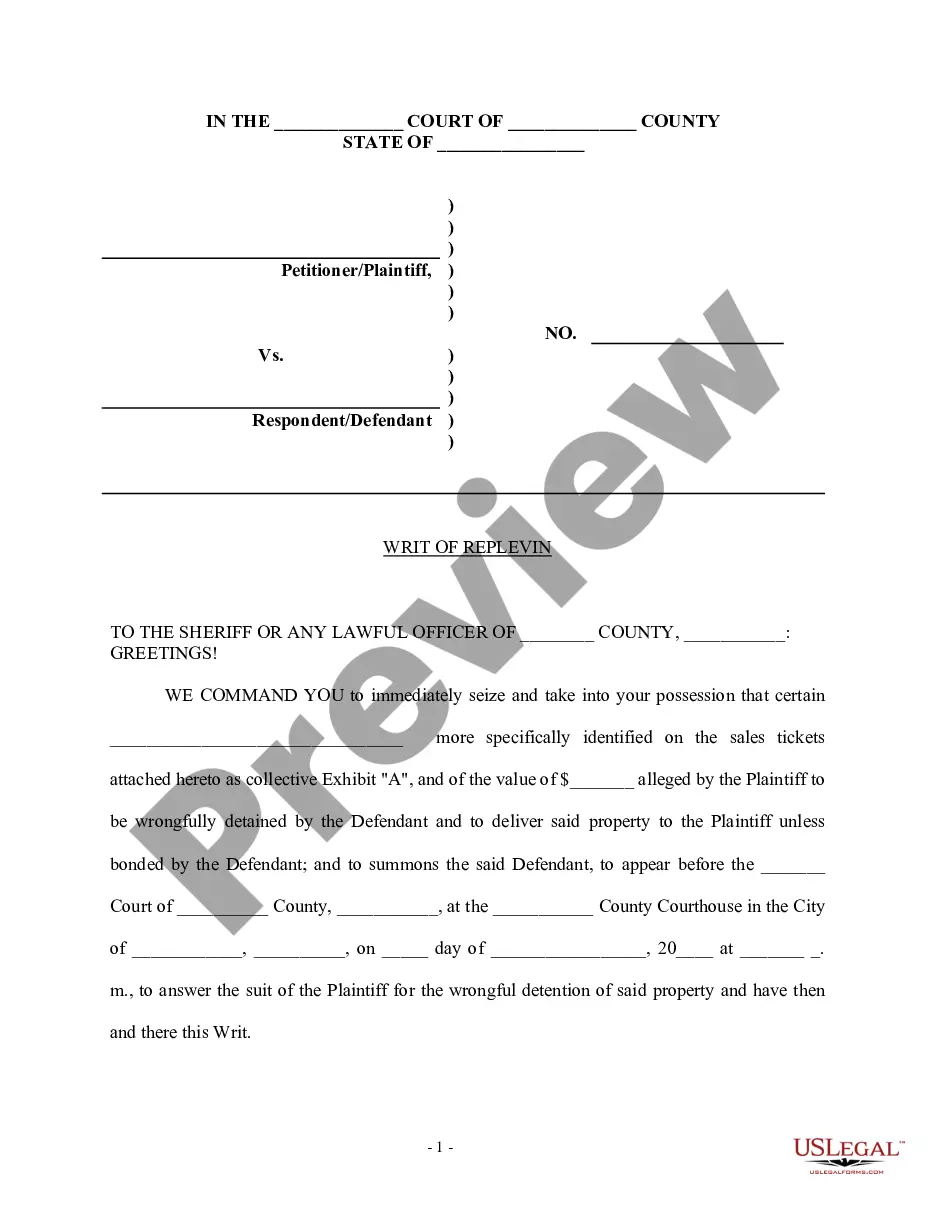
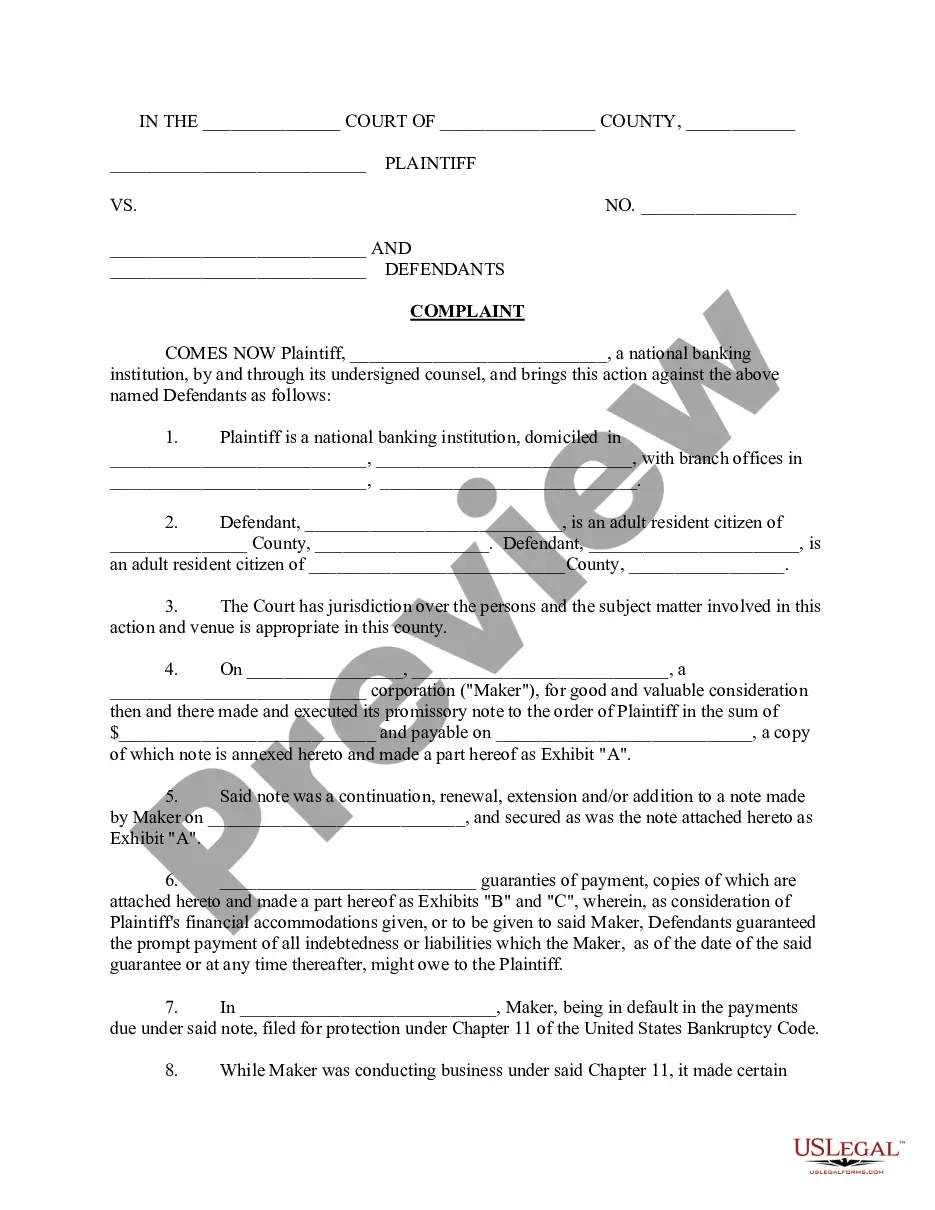
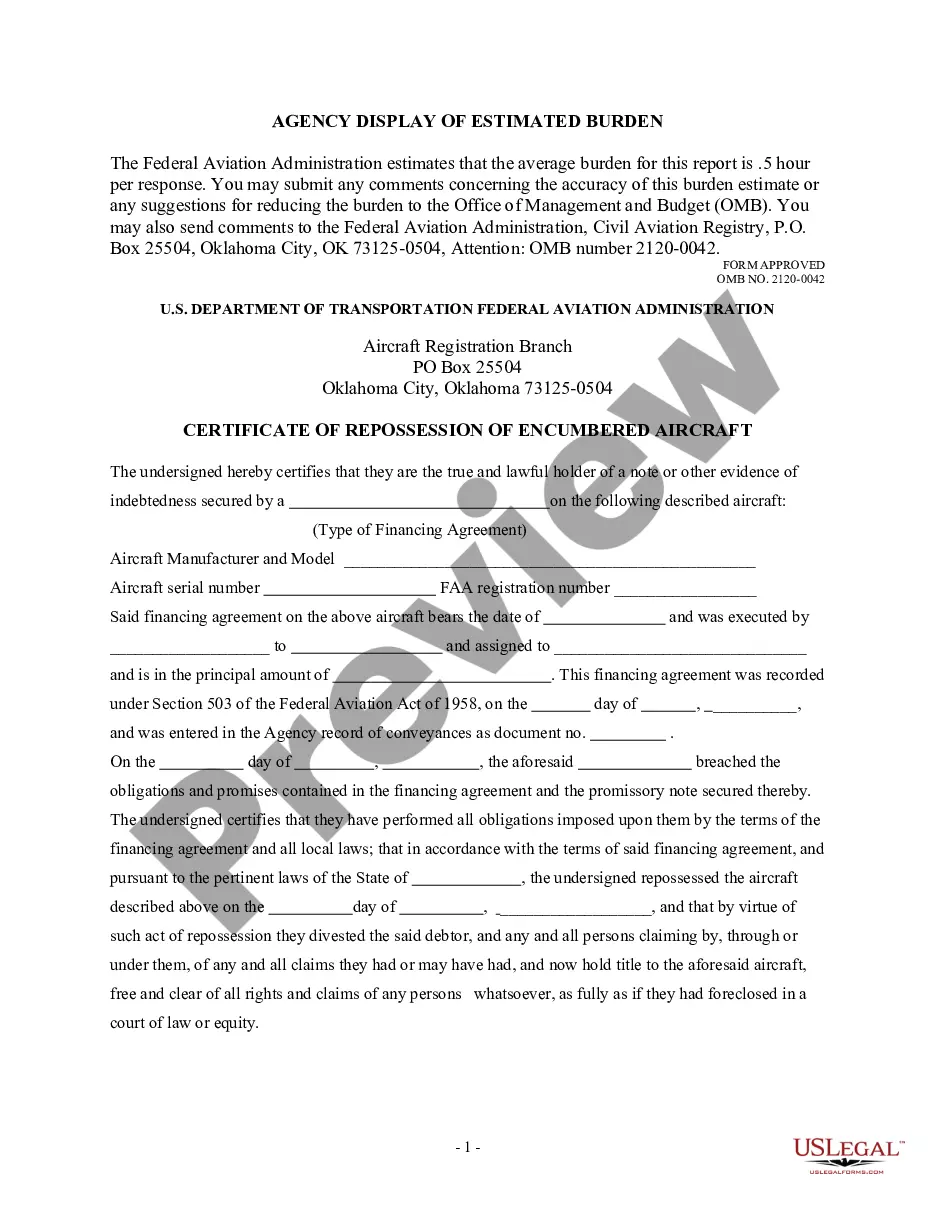
Get your form ready online
Our built-in tools help you complete, sign, share, and store your documents in one place.
Make edits, fill in missing information, and update formatting in US Legal Forms—just like you would in MS Word.
Download a copy, print it, send it by email, or mail it via USPS—whatever works best for your next step.
Sign and collect signatures with our SignNow integration. Send to multiple recipients, set reminders, and more. Go Premium to unlock E-Sign.
If this form requires notarization, complete it online through a secure video call—no need to meet a notary in person or wait for an appointment.
We protect your documents and personal data by following strict security and privacy standards.
Make edits, fill in missing information, and update formatting in US Legal Forms—just like you would in MS Word.
Download a copy, print it, send it by email, or mail it via USPS—whatever works best for your next step.
Sign and collect signatures with our SignNow integration. Send to multiple recipients, set reminders, and more. Go Premium to unlock E-Sign.

If this form requires notarization, complete it online through a secure video call—no need to meet a notary in person or wait for an appointment.
We protect your documents and personal data by following strict security and privacy standards.
Looking for another form?
Form popularity
FAQ
District Courts are located in Nassau County and parts of Suffolk County and handle civil and criminal matters. They have criminal jurisdiction over misdemeanors and lesser offenses (cases that carry a term of imprisonment of no more than one year), and also conduct arraignments in felony cases.
Overview. The Supreme Court has broad authority over all categories of cases, including civil and criminal matters. The court generally handles civil matters seeking monetary damages greater than $25,000. It also hears cases where a party seeks to enjoin or stop certain actions by another party.
The Nassau County Court is a trial court that has jurisdiction over felonies, misdemeanors and civil lawsuits of up to $25,000 that take place within the Nassau County, New York. The court is located within the 10th Judicial District in New York.
Municipal blendings. In the states that have a judicial county court, such as New York, it generally handles trials for felonies, as well as appeals of misdemeanors from local courts and some small claims cases. It is a court of original jurisdiction, and thus handles mostly trials of accused felons.
The Nassau County Court is a trial court that has jurisdiction over felonies, misdemeanors and civil lawsuits of up to $25,000 that take place within the Nassau County, New York. The court is located within the 10th Judicial District in New York.
Can I sue for more than $5,000 in Small Claims Court? If your claim is for more than $5,000 in either Nassau or Suffolk county you must start a civil case. In NYC you may sue for up to $10,000 in Small Claims Court. You cannot split your claim into smaller claims to get around the limit.
Conclusion: Going to small claims court may be worth it for $500, but it will determine how you weigh your costs versus benefits. At a minimum, it is worth it to send a demand letter.
Be on your best behavior But be prepared to wait for your case to be called. Your judge will be hearing several other cases on the same day as yours. If your case is called and you are not there, the judge may dismiss it. Show respect to the judge by calling him or her “your honor." Don't use profanity.
To maintain replevin, the plaintiff must have the right of exclusive possession to the goods in question. The plaintiff must not only have property absolute or qualified, and the right of possession at the time of the commencement of the action, but he or she must have the exclusive right of possession.
Procedure for Obtaining, in Court, a Writ of Replevin The filing of a complaint begins a replevin action. As in other civil actions, the defendant is brought into Court by the service of the summons and the complaint. If the plaintiff establishes the cause of action, the Court must enter an Order granting possession.