Verified Complaint Form With Court In Middlesex
Description








Get your form ready online
Our built-in tools help you complete, sign, share, and store your documents in one place.
Make edits, fill in missing information, and update formatting in US Legal Forms—just like you would in MS Word.
Download a copy, print it, send it by email, or mail it via USPS—whatever works best for your next step.
Sign and collect signatures with our SignNow integration. Send to multiple recipients, set reminders, and more. Go Premium to unlock E-Sign.
If this form requires notarization, complete it online through a secure video call—no need to meet a notary in person or wait for an appointment.
We protect your documents and personal data by following strict security and privacy standards.
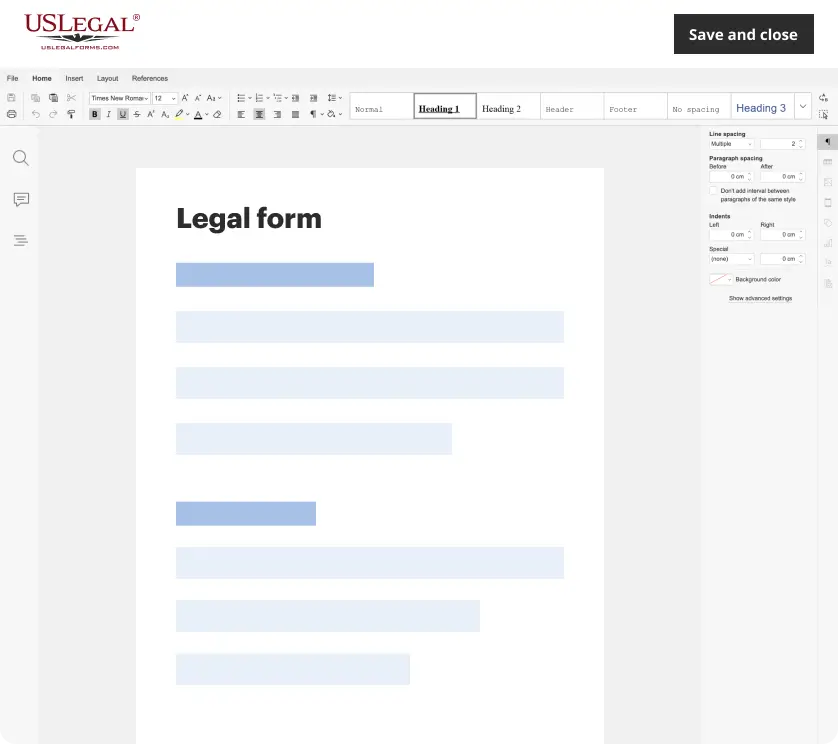
Make edits, fill in missing information, and update formatting in US Legal Forms—just like you would in MS Word.
Download a copy, print it, send it by email, or mail it via USPS—whatever works best for your next step.
Sign and collect signatures with our SignNow integration. Send to multiple recipients, set reminders, and more. Go Premium to unlock E-Sign.
If this form requires notarization, complete it online through a secure video call—no need to meet a notary in person or wait for an appointment.
We protect your documents and personal data by following strict security and privacy standards.
Looking for another form?









Form popularity
FAQ
Definition. A verified complaint is a sworn document in which the plaintiff tells the court the facts of the case and states what relief is sought.
Though there are a variety of issues a customer may have, realistically there are a few distinct buckets that a majority of requests fit into: Time-based complaints. Company-based complaints. Product/service-based complaints.
Complaints means expressions of discontent, pain, or grief when used as a noun. Complains means expressing discomfort, pain, or unease when used as a verb. A good way to remember the difference is Complaints has a T because they are things. Out of the two words, 'complaints' is the most common.
Typically, a plaintiff verifies a complaint by attaching a page at the end containing a statement made under oath that: The plaintiff has reviewed the complaint. The plaintiff knows or believes that all allegations that the plaintiff has personal knowledge of to be true.
The Verified Complaint is the document your spouse and your spouse's lawyer have written up to give to the court to explain why he or she should be given a divorce from you. In New York State, because of the way the laws are written, you must have “grounds” in order to get divorced.
Process shall be mailed within 12 days of the filing of the complaint. The clerk thereafter shall send a postcard toplaintiff or the attorney showing the docket number, date of mailing and a statementthat, unless the plaintiff is otherwise notified, default will be entered on the date shown.
Unless a rule or statute specifically states otherwise, a pleading need not be verified or accompanied by an affidavit.
When filing a lawsuit in California, the original complaint may be either verified or unverified. If it is verified, the plaintiff makes assertions under the pains and penalties of perjury. A verified complaint also forces the defendant to respond to the lawsuit with a verified answer.
Typically, a plaintiff verifies a complaint by attaching a page at the end containing a statement made under oath that: The plaintiff has reviewed the complaint. The plaintiff knows or believes that all allegations that the plaintiff has personal knowledge of to be true.
