Replevin For A Cow For Meat In Maryland
Description
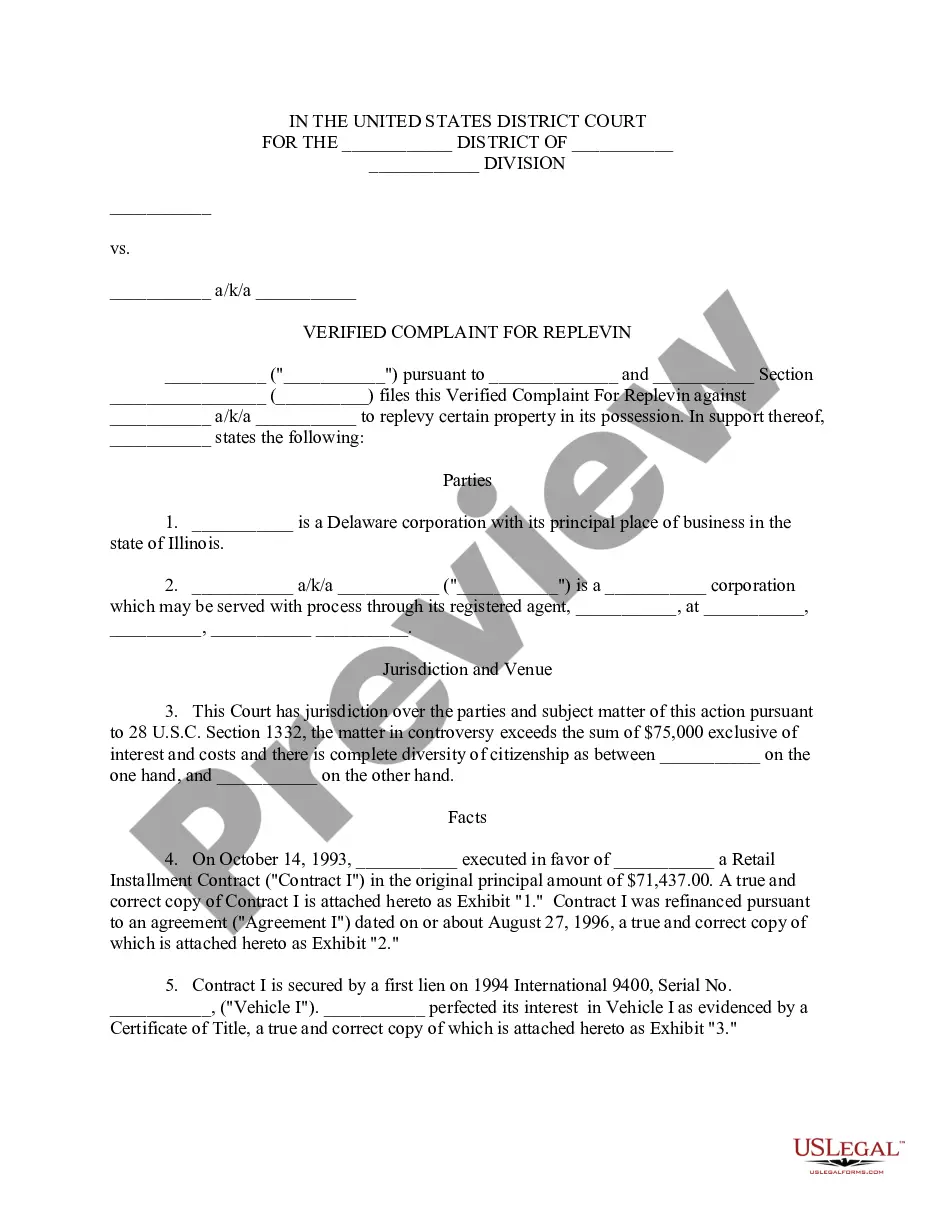
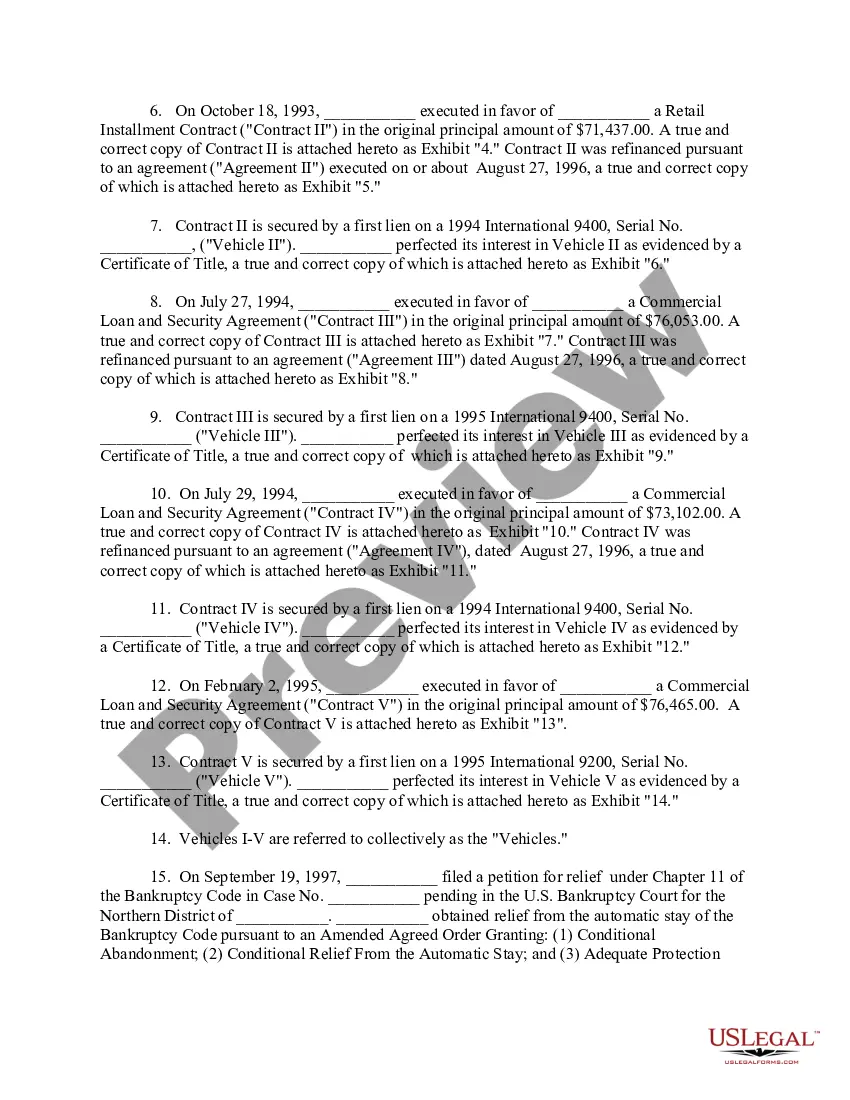
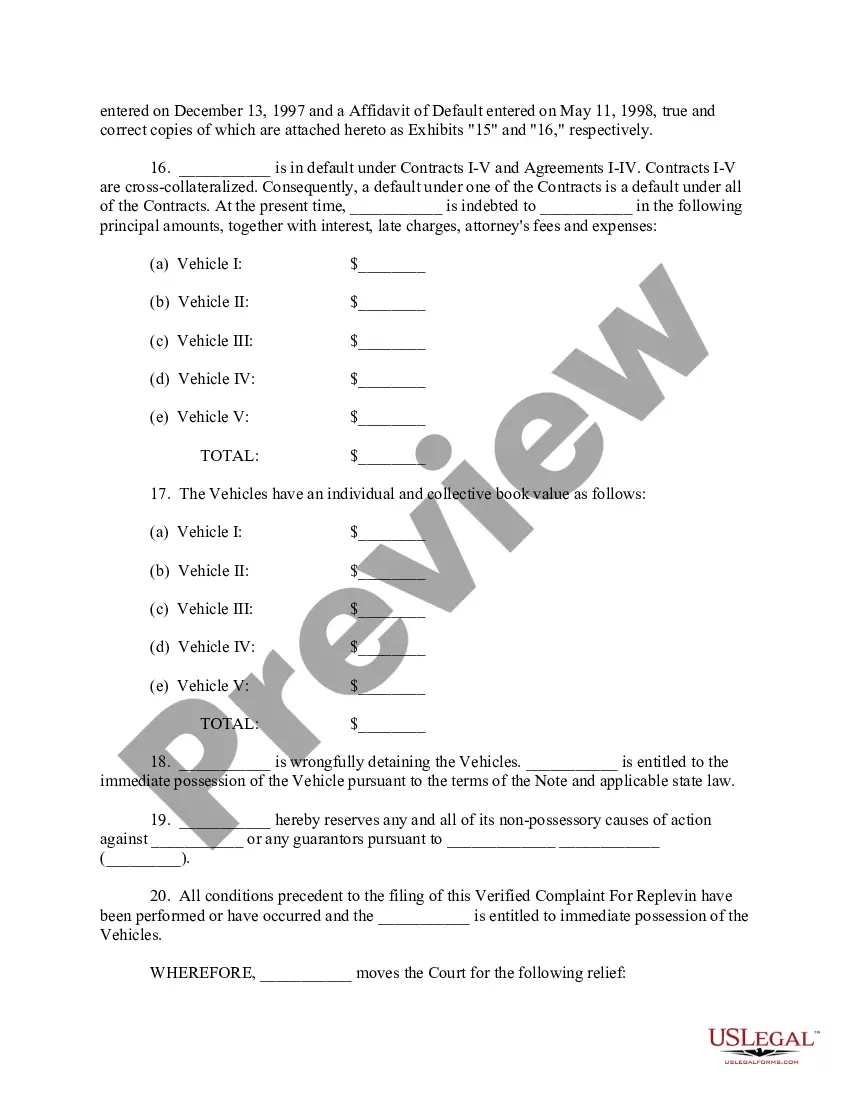
Get your form ready online
Our built-in tools help you complete, sign, share, and store your documents in one place.
Make edits, fill in missing information, and update formatting in US Legal Forms—just like you would in MS Word.
Download a copy, print it, send it by email, or mail it via USPS—whatever works best for your next step.
Sign and collect signatures with our SignNow integration. Send to multiple recipients, set reminders, and more. Go Premium to unlock E-Sign.
If this form requires notarization, complete it online through a secure video call—no need to meet a notary in person or wait for an appointment.
We protect your documents and personal data by following strict security and privacy standards.

Make edits, fill in missing information, and update formatting in US Legal Forms—just like you would in MS Word.

Download a copy, print it, send it by email, or mail it via USPS—whatever works best for your next step.

Sign and collect signatures with our SignNow integration. Send to multiple recipients, set reminders, and more. Go Premium to unlock E-Sign.

If this form requires notarization, complete it online through a secure video call—no need to meet a notary in person or wait for an appointment.

We protect your documents and personal data by following strict security and privacy standards.
Looking for another form?


Form popularity
FAQ
In a criminal case, once a finding of guilt has been made, the defendant has 90 days from the date of sentencing to ask the judge to reconsider the sentence given. Under Maryland law, the judge then has 5 years from the date of the request to rule on the motion. The judge may deny the motion without a hearing.
Maryland law now clarifies that condo associations are exempted from the obligation of insuring “units” only if the condo is “composed entirely of similar detached condominium units.” For example, a condo where all units are detached residential homes of similar design, separated by shared common element walls, would ...
A Maryland Statement of Probable Cause is an integral element of the state's criminal law system. It's a legally required document provided by law enforcement and reviewed by a commissioner, explaining why an individual was arrested.
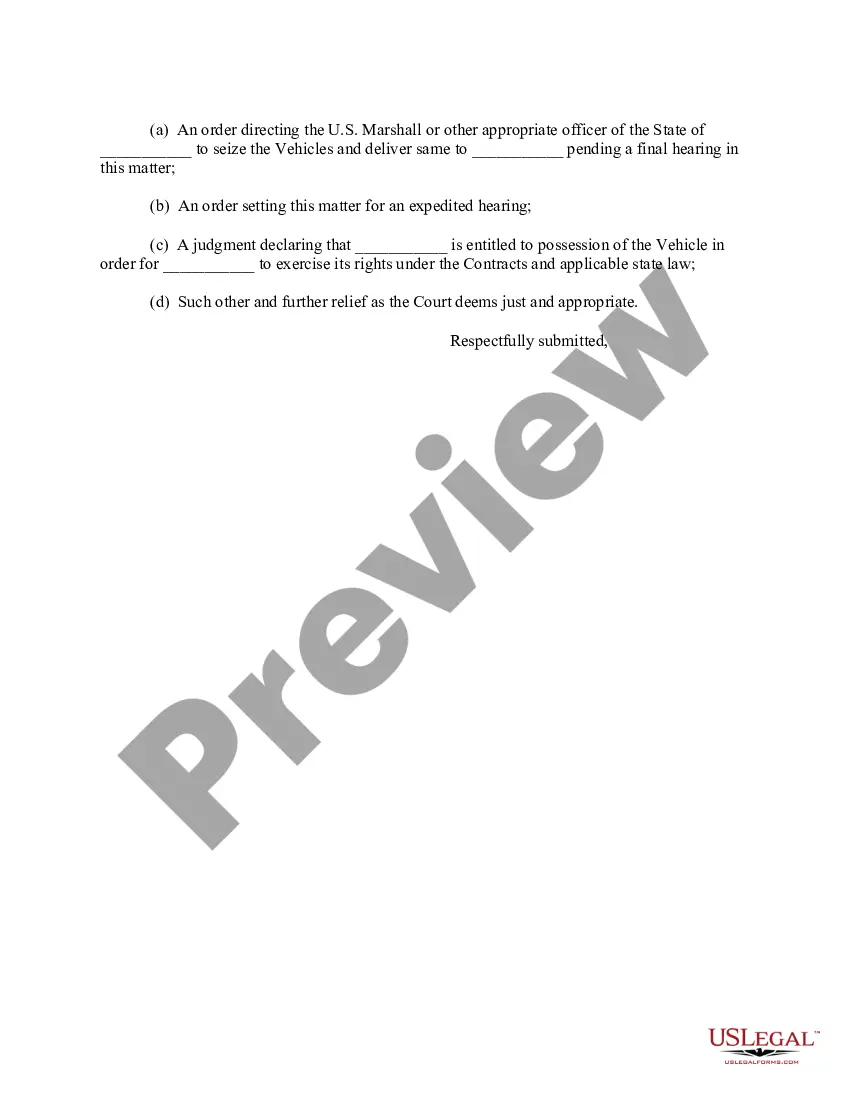
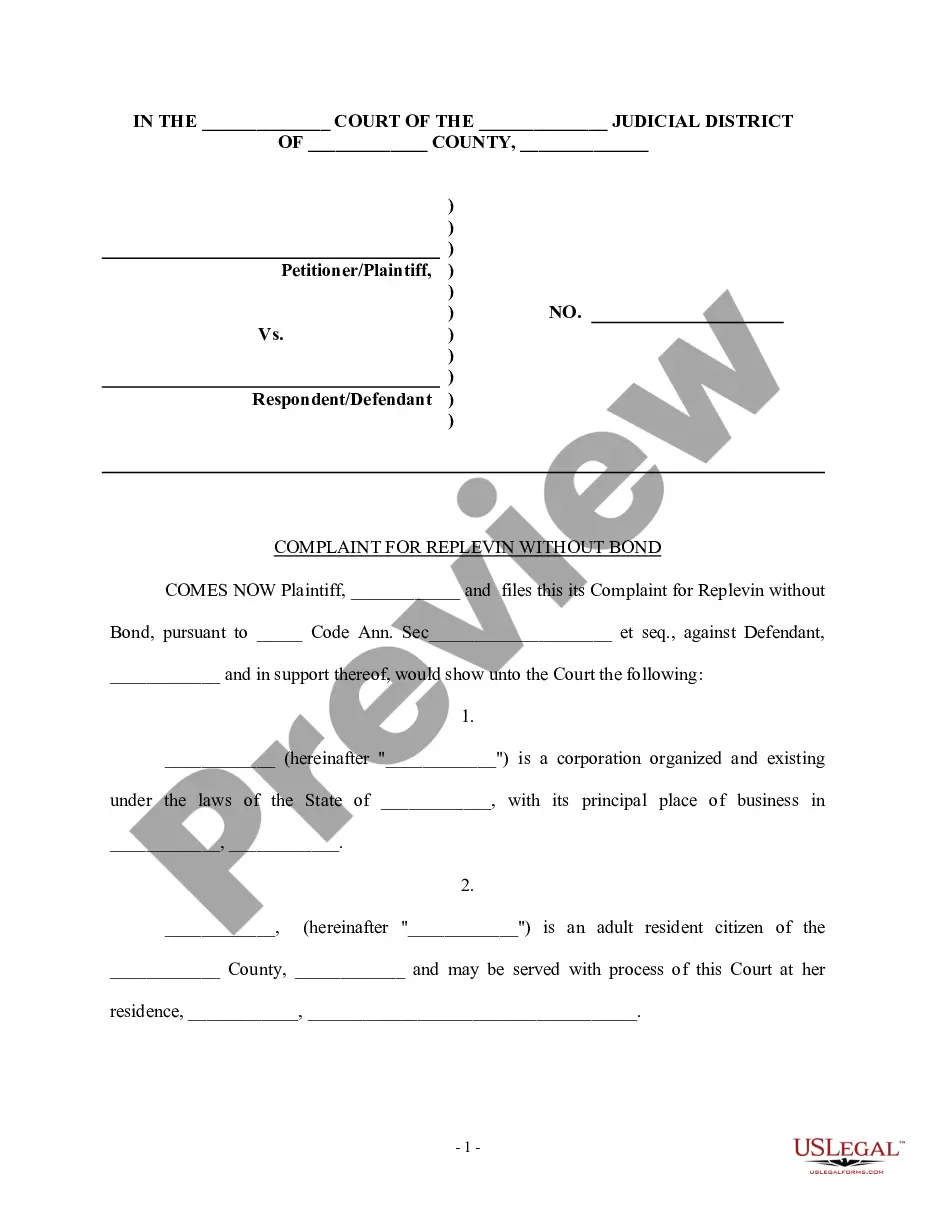
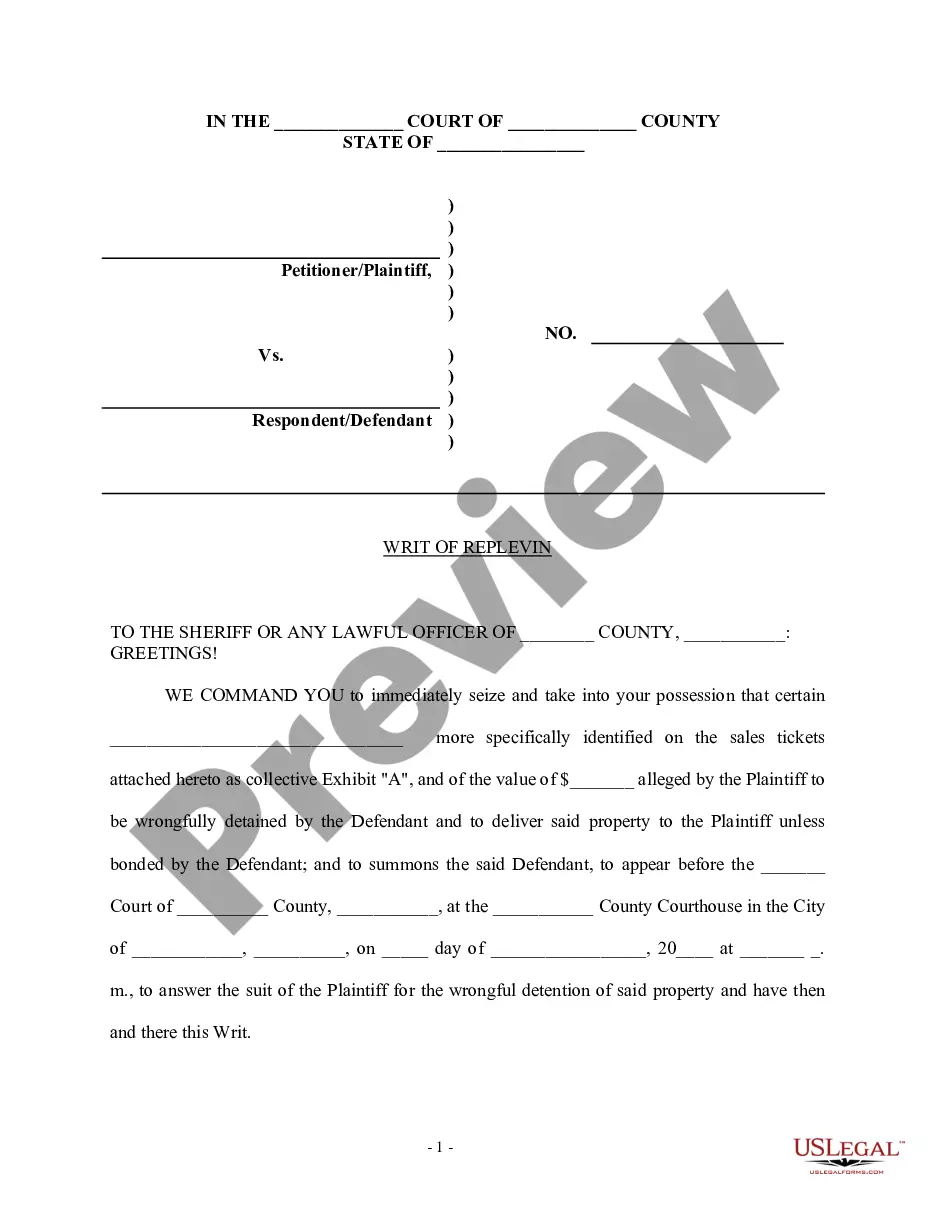
The process of starting a replevin action usually begins with filing a complaint. It also requires filing an affidavit in the county or district court where the property is. The affidavit: States that the plaintiff claims rightful ownership or entitlement to possession of the property.
Replevin is typically the first step when a plaintiff wants to get the property back from a defendant who wrongfully took it. Detinue is a legal action that is most often utilized when a person has possession of property that they should not have, such as when they default on a loan.
Replevin seeks the return of property, along with possible damages. It allows for the possible return/possession of the property at a Show Cause hearing, a hearing held before a trial. It is filed in the District Court, regardless of the amount in dispute.
When filing a replevin suit, the plaintiff must provide evidence that they are the rightful owner of the property in question and that it was taken without justification or consent.