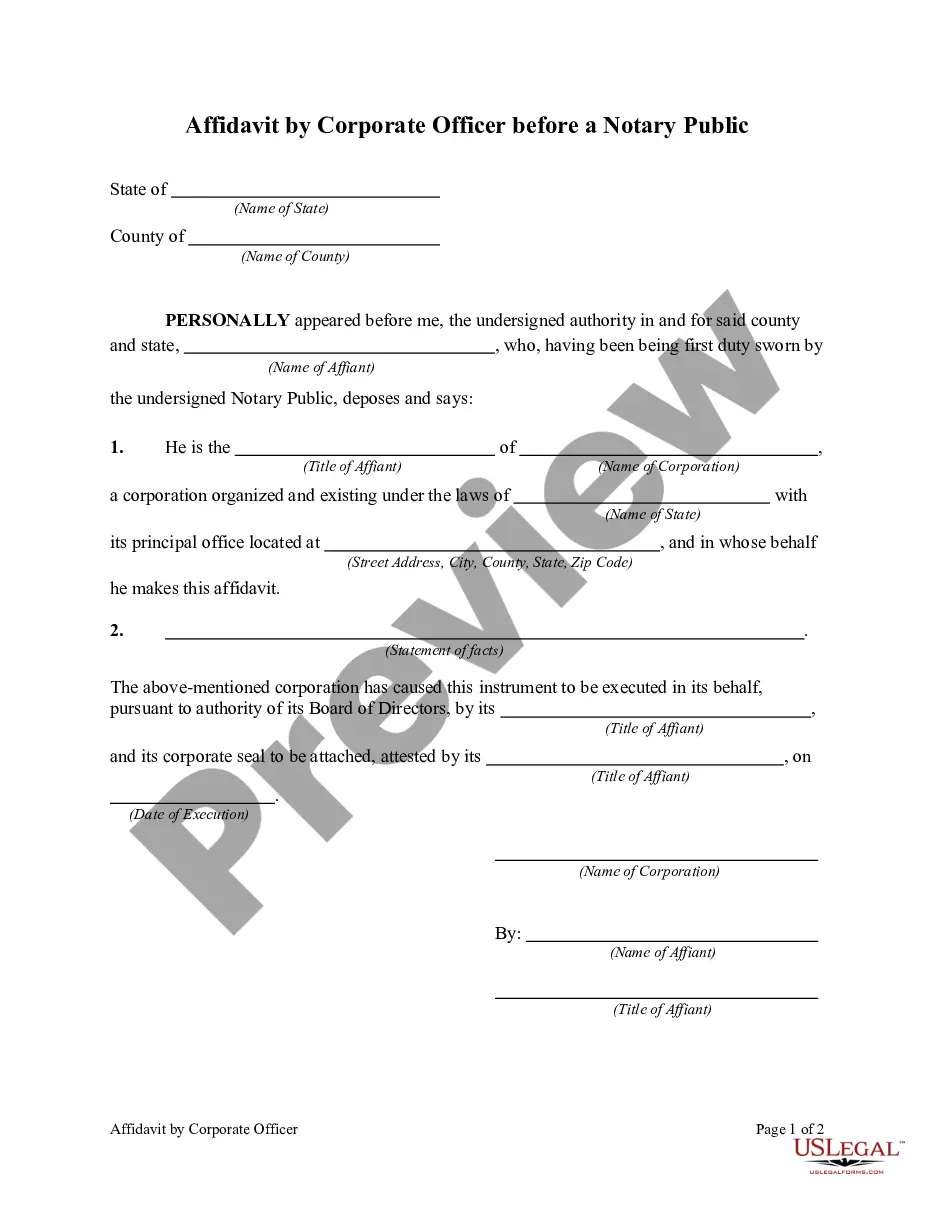
True And Correct Copy Of The Original In Kings
Description
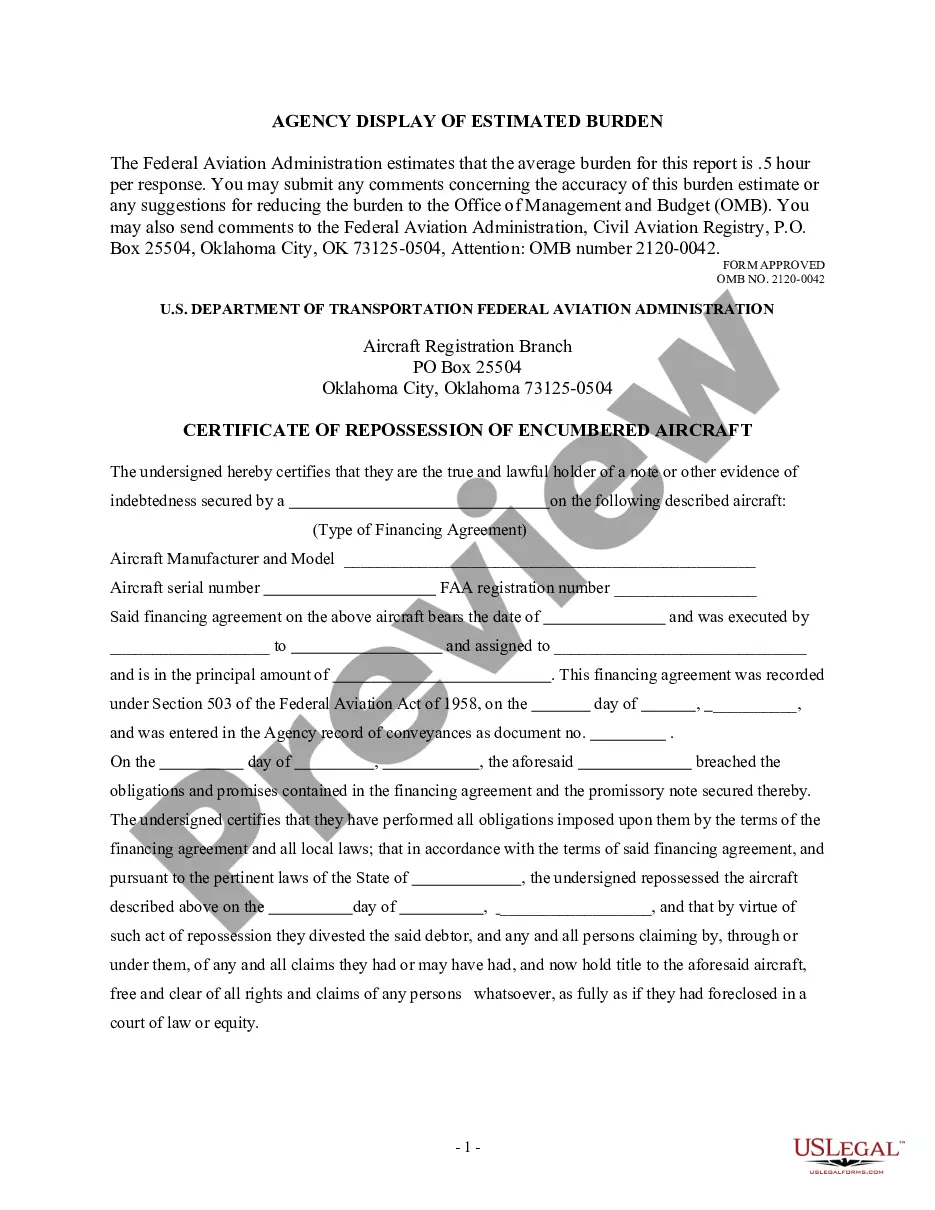
Get your form ready online
Our built-in tools help you complete, sign, share, and store your documents in one place.
Make edits, fill in missing information, and update formatting in US Legal Forms—just like you would in MS Word.
Download a copy, print it, send it by email, or mail it via USPS—whatever works best for your next step.
Sign and collect signatures with our SignNow integration. Send to multiple recipients, set reminders, and more. Go Premium to unlock E-Sign.
If this form requires notarization, complete it online through a secure video call—no need to meet a notary in person or wait for an appointment.
We protect your documents and personal data by following strict security and privacy standards.

Make edits, fill in missing information, and update formatting in US Legal Forms—just like you would in MS Word.

Download a copy, print it, send it by email, or mail it via USPS—whatever works best for your next step.

Sign and collect signatures with our SignNow integration. Send to multiple recipients, set reminders, and more. Go Premium to unlock E-Sign.

If this form requires notarization, complete it online through a secure video call—no need to meet a notary in person or wait for an appointment.

We protect your documents and personal data by following strict security and privacy standards.
Looking for another form?
Form popularity
FAQ
What is the difference between a true copy, certified copy, and original document? A “true copy" is a copy of something that matches the original (ie, not altered or different from the original in any way). A “certified copy" is a copy that someone has inspected to ensure that it is a true copy.
A true copy is a reproduction of an original document that is close enough to the original that anyone can understand it. It is often used in legal proceedings as evidence to prove the contents of a writing.
If you need a certified copy of either document type, you must bring the original document and the copy to the notary public. The notary will closely compare the original and copy. Once satisfied that the copy is a true copy, they will verify and certify by dating, stamping and signing the document as a true copy.
A true copy is a document that has not been altered or modified in any way. True copies of the original papers are required in order to guarantee that the copies are legitimate, accurate, comprehensive, and unaltered.
A certified true copy is usually a special copy of an original document and is made by a notary public or lawyer. A photocopy is just a copy made from a primary document without any certification attached to it. A true copy is a photocopy or duplicate made (without alterations) of any original document.
Certified True Copy Certification Secure and fill out application form. Submit duly accomplished form and attach the other supporting documents. Wait for the issuance of Order of Payment Slip (OPS). Pay the corresponding fees.
What is the difference between a true copy, certified copy, and original document? A “true copy" is a copy of something that matches the original (ie, not altered or different from the original in any way). A “certified copy" is a copy that someone has inspected to ensure that it is a true copy.
Notaries are frequently asked to make a certified or attested copy of an original document. Not all states, however, authorize notaries to perform this act. Not all documents are eligible for copy certification/attestation by a notary.
Certified True Copy Certification Secure and fill out application form. Submit duly accomplished form and attach the other supporting documents. Wait for the issuance of Order of Payment Slip (OPS). Pay the corresponding fees.