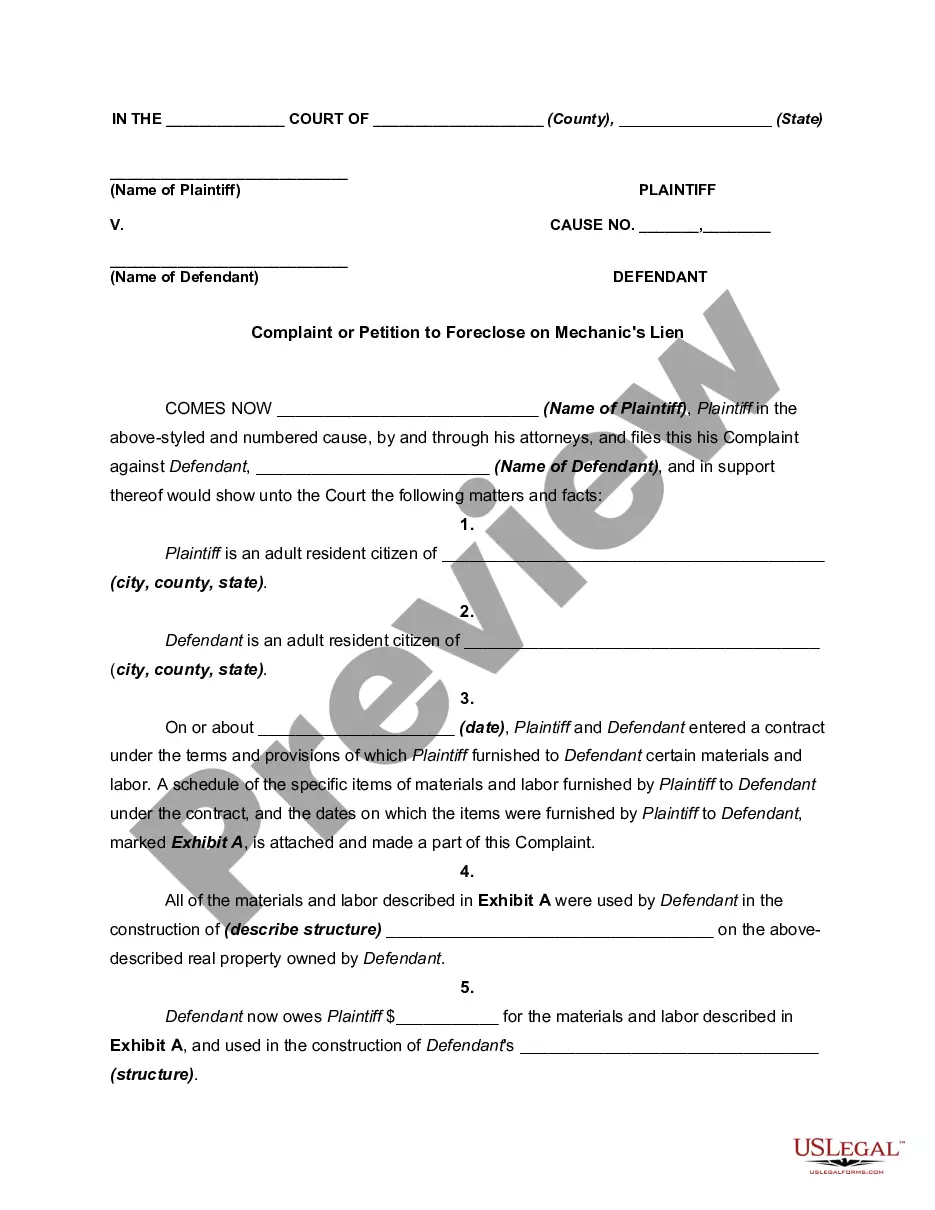
Verified Complaint Form For Divorce In Cook
Description








Get your form ready online
Our built-in tools help you complete, sign, share, and store your documents in one place.
Make edits, fill in missing information, and update formatting in US Legal Forms—just like you would in MS Word.
Download a copy, print it, send it by email, or mail it via USPS—whatever works best for your next step.
Sign and collect signatures with our SignNow integration. Send to multiple recipients, set reminders, and more. Go Premium to unlock E-Sign.
If this form requires notarization, complete it online through a secure video call—no need to meet a notary in person or wait for an appointment.
We protect your documents and personal data by following strict security and privacy standards.

Make edits, fill in missing information, and update formatting in US Legal Forms—just like you would in MS Word.

Download a copy, print it, send it by email, or mail it via USPS—whatever works best for your next step.

Sign and collect signatures with our SignNow integration. Send to multiple recipients, set reminders, and more. Go Premium to unlock E-Sign.

If this form requires notarization, complete it online through a secure video call—no need to meet a notary in person or wait for an appointment.

We protect your documents and personal data by following strict security and privacy standards.
Looking for another form?







Form popularity
FAQ
Read the complaint and decide what to do. Read the complaint. You may agree with some, all, or none of the complaint. Write down next to each paragraph in the complaint whether you agree or disagree with what that paragraph says. If you agree with everything your spouse is asking for, you may not need to file anything.
Yes, complaints in a divorce action must be verified by affidavit. Depending on the jurisdiction, several conditions may apply for a validated complaint in a divorce proceeding.
Uncontested divorces can be relatively quick, where spouses agree on all issues. They may be completed in as little as 2-4 weeks after filing the initial paperwork. Contested divorces involving disputes over assets, child custody, or other matters often take much longer—anywhere from 6 months to 2 years in some cases.
While the answer is simply admitting or denying information from the complaint, the counterclaim can be used to put forth alternative versions of the facts or a completely different reason for the divorce. The counterclaim functions just like a complaint, you do not need to prove anything in the counterclaim.
Here are a few ways you can approach the conversation: Acknowledge Their Feelings: You might say, ``I'm sorry to hear that. Divorce can be really tough.'' Offer Support: Let them know you're there for them. You could say, ``If you ever want to talk about it or share how you're feeling, I'm here to listen.''
The Verified Complaint is the document your spouse and your spouse's lawyer have written up to give to the court to explain why he or she should be given a divorce from you. In New York State, because of the way the laws are written, you must have “grounds” in order to get divorced.
File a motion for default judgment. If you are unable to reach an agreement with your spouse, you can file a motion for default judgment with the court. This will ask the court to enter a default judgment against your spouse without hearing from them. Hire a local attorney.
Oftentimes a party responding to a divorce complaint with an answer will file a counterclaim as well. The counterclaim provides the responding party an opportunity to make their own allegations about the reason for the divorce and a chance to tell the court what they are asking for.
A divorce or legal separation case begins when the plaintiff the party who starts the court case files a formal complaint at the courthouse. The defendant, the other party, may answer within 28 days. If an answer is filed, the case is contested. If the defendant does not file an answer, the case is uncontested.
When filing a lawsuit in California, the original complaint may be either verified or unverified. If it is verified, the plaintiff makes assertions under the pains and penalties of perjury. A verified complaint also forces the defendant to respond to the lawsuit with a verified answer.
