Replevin For A Cow For Meat In Arizona
Description
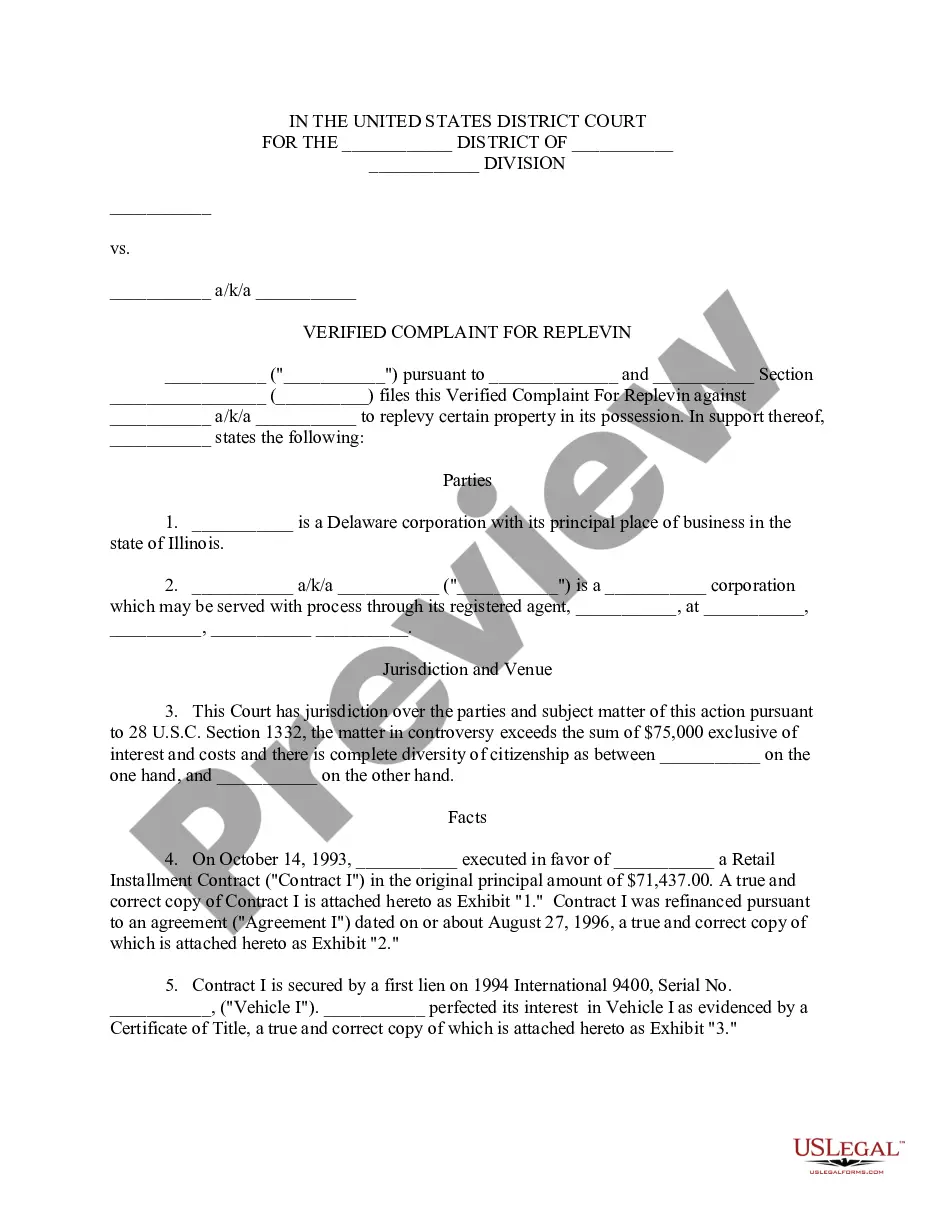
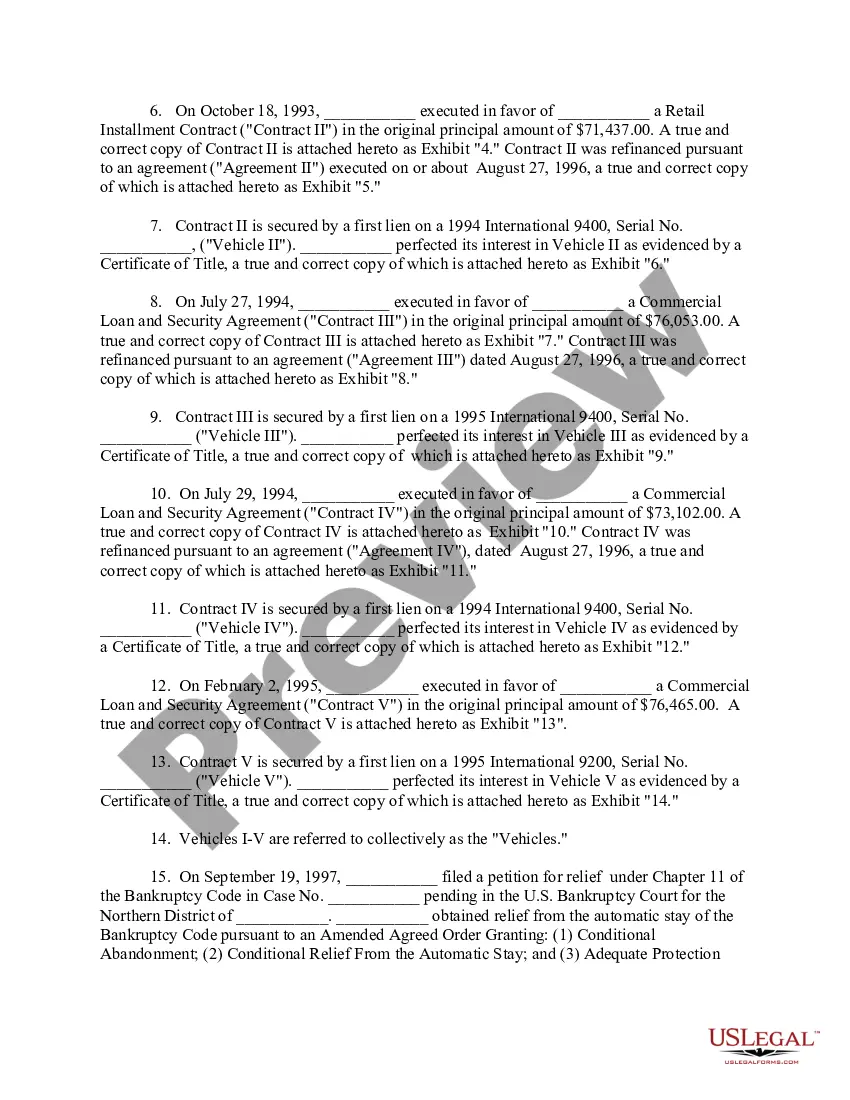
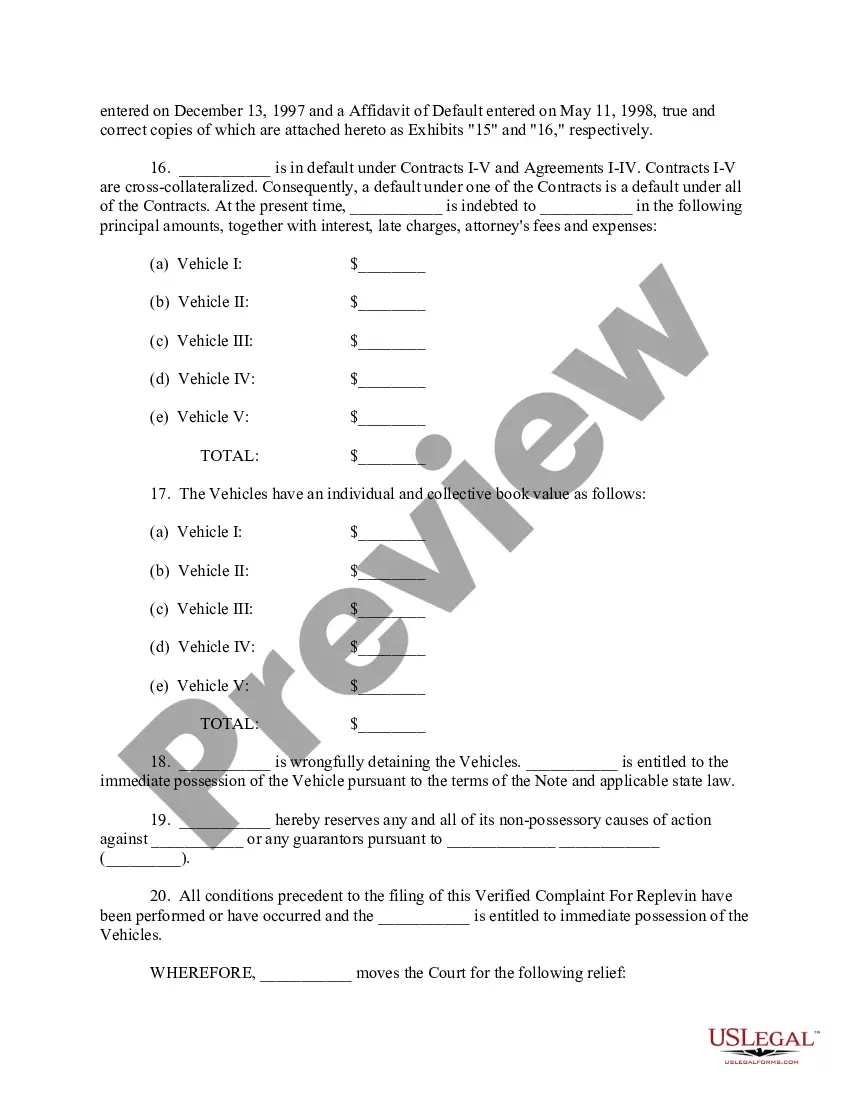
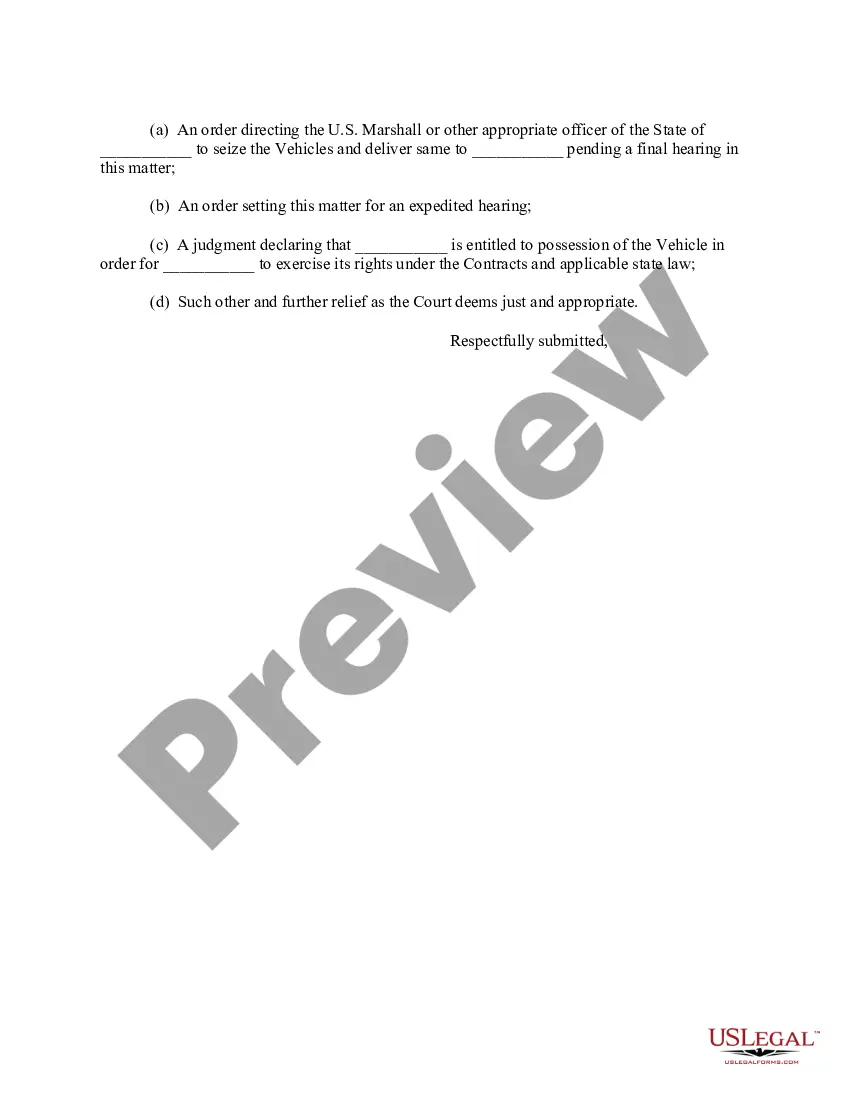
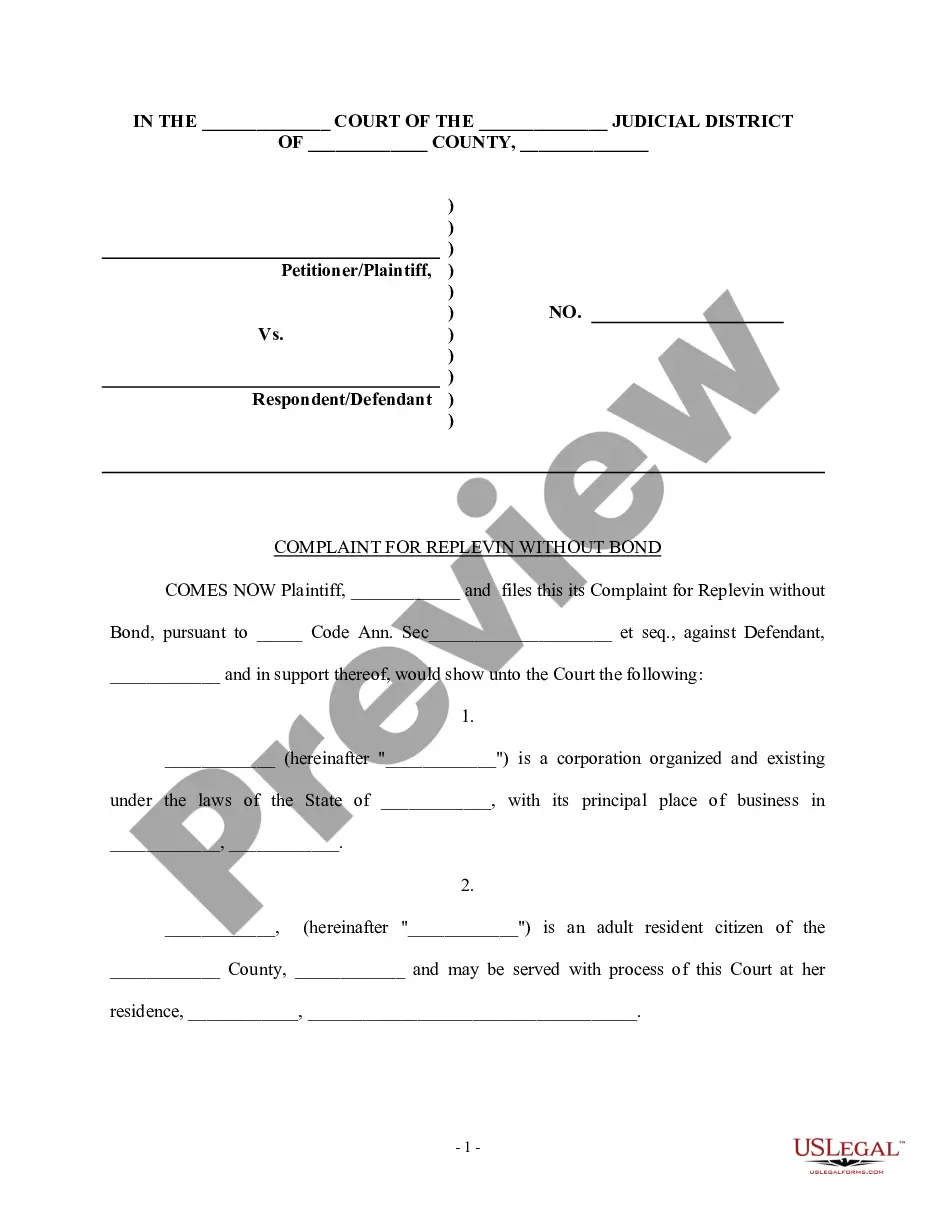
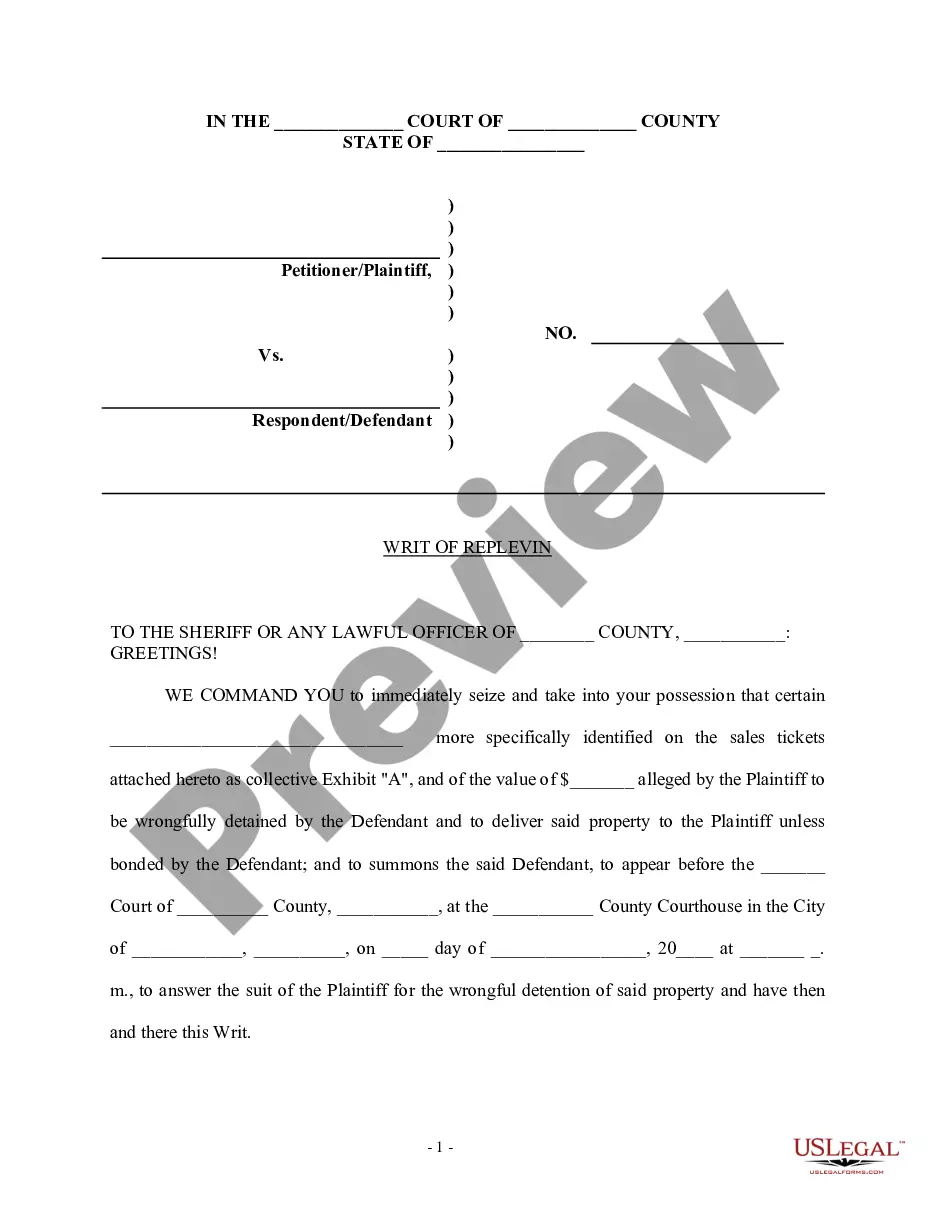
Get your form ready online
Our built-in tools help you complete, sign, share, and store your documents in one place.
Make edits, fill in missing information, and update formatting in US Legal Forms—just like you would in MS Word.
Download a copy, print it, send it by email, or mail it via USPS—whatever works best for your next step.
Sign and collect signatures with our SignNow integration. Send to multiple recipients, set reminders, and more. Go Premium to unlock E-Sign.
If this form requires notarization, complete it online through a secure video call—no need to meet a notary in person or wait for an appointment.
We protect your documents and personal data by following strict security and privacy standards.

Make edits, fill in missing information, and update formatting in US Legal Forms—just like you would in MS Word.

Download a copy, print it, send it by email, or mail it via USPS—whatever works best for your next step.

Sign and collect signatures with our SignNow integration. Send to multiple recipients, set reminders, and more. Go Premium to unlock E-Sign.

If this form requires notarization, complete it online through a secure video call—no need to meet a notary in person or wait for an appointment.

We protect your documents and personal data by following strict security and privacy standards.
Looking for another form?

Form popularity
FAQ
A writ of replevin is a prejudgment process ordering the seizure or attachment of alleged illegally taken or wrongfully withheld property to be held in the U.S. Marshal's custody or that of another designated official, under order and supervision of the court, until the court determines otherwise.
The process of starting a replevin action usually begins with filing a complaint. It also requires filing an affidavit in the county or district court where the property is. The affidavit: States that the plaintiff claims rightful ownership or entitlement to possession of the property.
A replevin action is a civil matter subject to the rules of civil procedure. When the case gets to court, the lien holder must establish his right to possession of the property, normally through a contract. He will have to show that the borrower breached the contract, usually due to nonpayment.
Creditors use replevin actions to recover collateral when debtors default on secured loans. For example, a bank might file a replevin action against a borrower to repossess the borrower's car after he missed too many payments.
The process of starting a replevin action usually begins with filing a complaint. It also requires filing an affidavit in the county or district court where the property is. The affidavit: States that the plaintiff claims rightful ownership or entitlement to possession of the property.
The Complaint: The complaint in replevin typically must include: (i) a description of the property to be replevied; (ii) its value; (iii) its location if known; and (iv) the material facts upon which the claim is based – in other words, why the filing party is entitled to seize the property that has been taken.
The Livestock Services field staff are required to inspect livestock (except equine) for health, marks, and brands before they are slaughtered, sold, purchased, driven, transported, shipped, or conveyed. They also respond to stray and ownership dispute calls.
More than 30% of Arizona's 20,005 farms and ranches raise cattle, totaling almost 1,000,000 head. Besides caring for livestock, a top priority for beef farmers and ranchers is conservation and stewarding the land, water and wildlife.
Arizona is still the leading copper-producing state in the country, but manufacturing has grown to become the state's most important basic industry, notably in electronics, communications, aeronautics, and aluminum.
Arizona's Five C's are: Copper, Cattle, Cotton, Citrus and Climate. In the early years of the state, the five C's served an important role in the economy, with many jobs in agriculture, ranching, and mining.