Complaint Waived File Format In Wake
Description

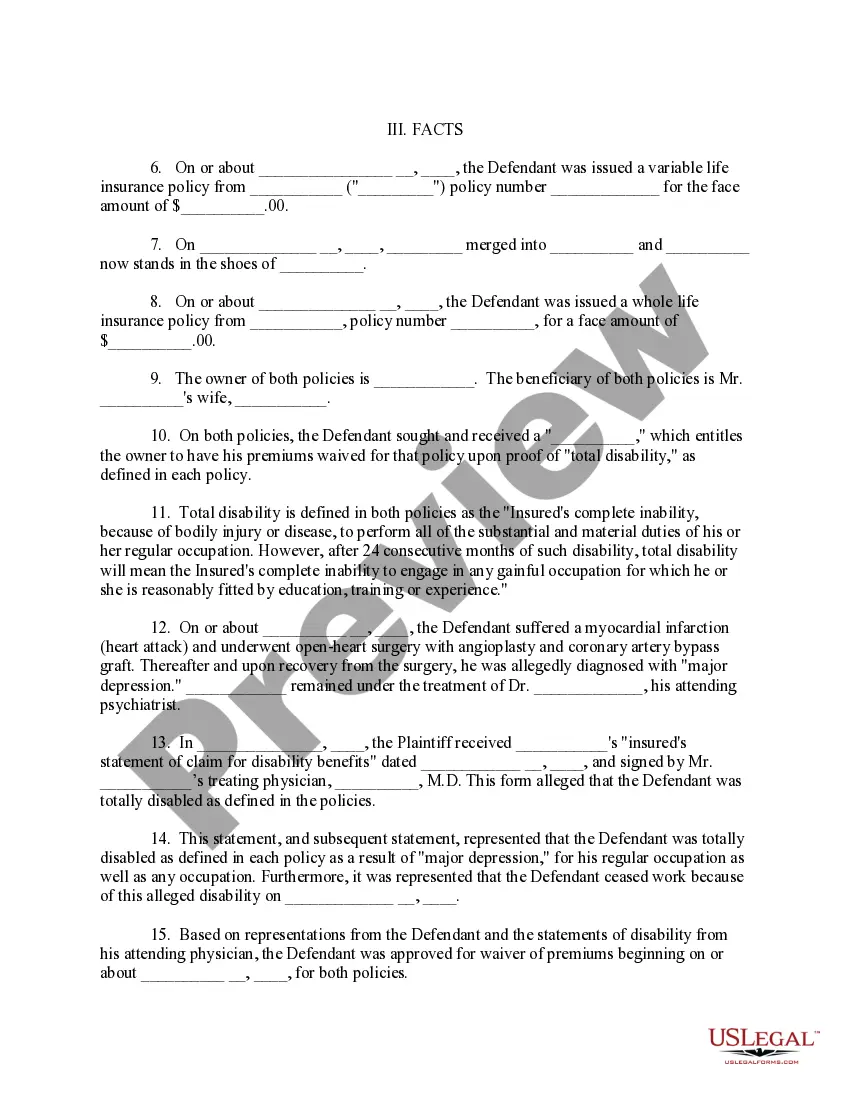
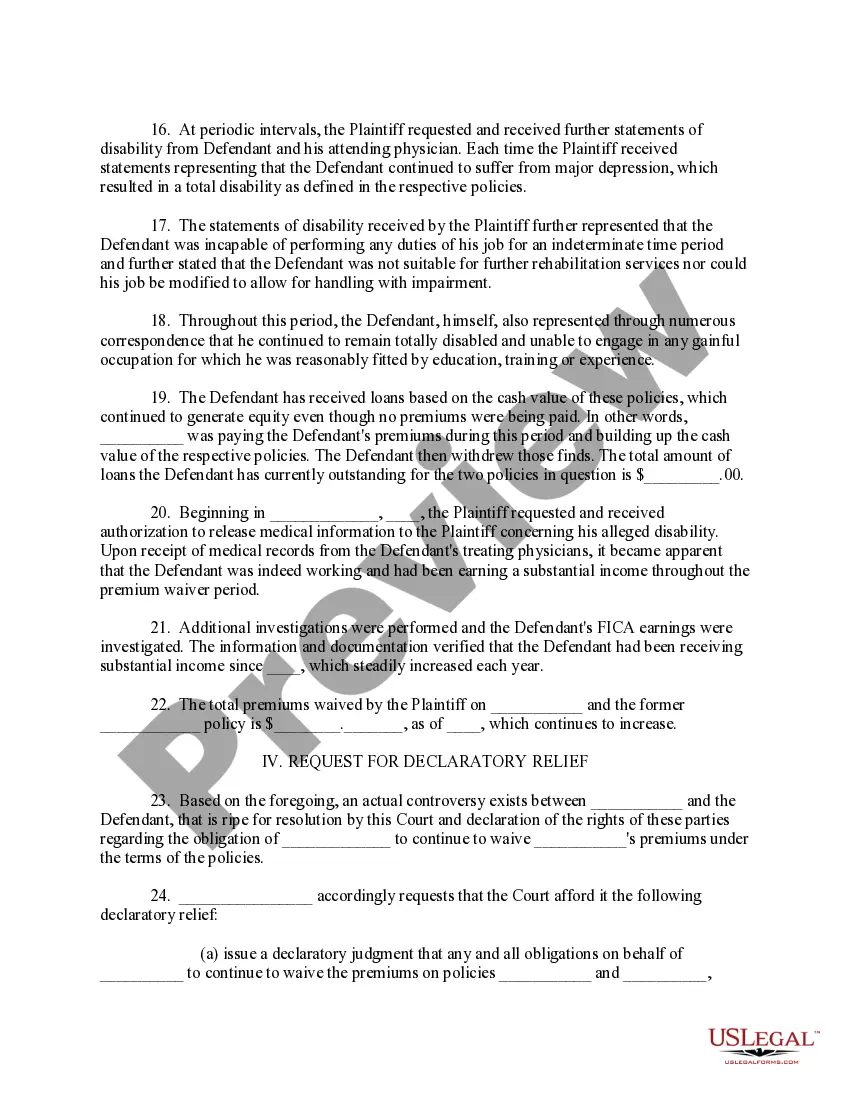
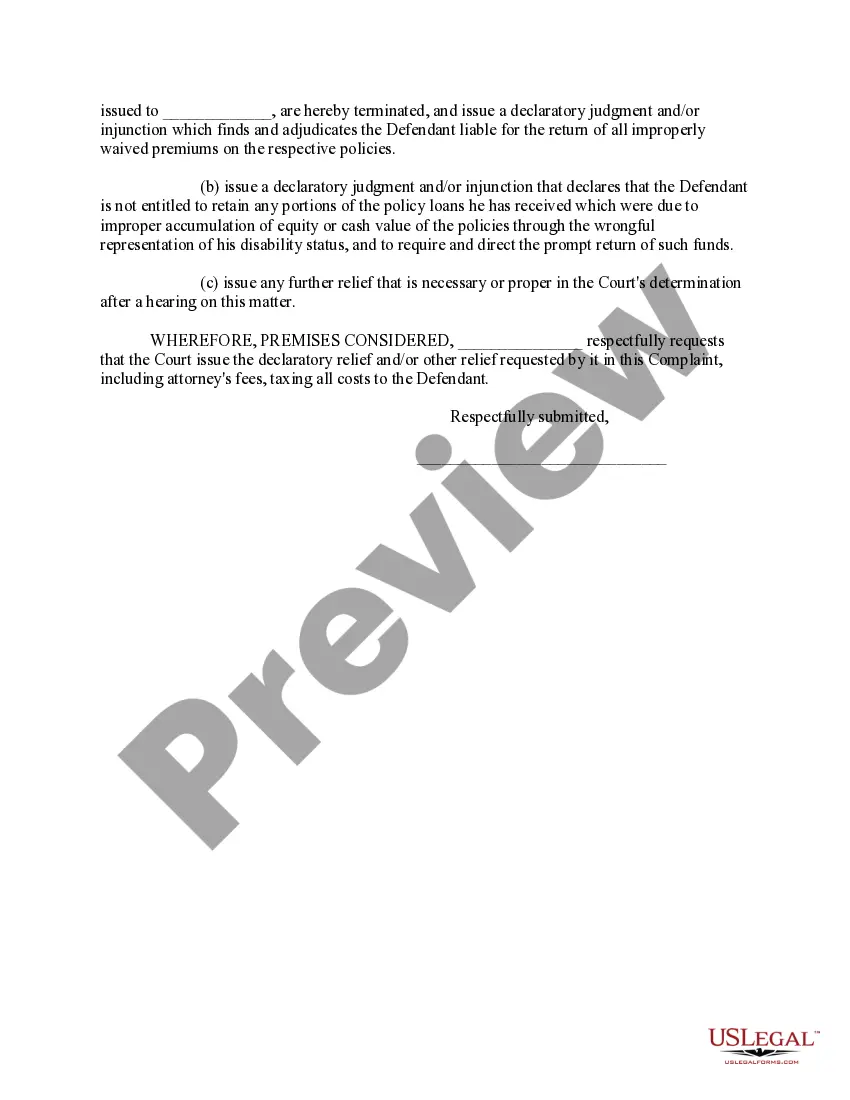



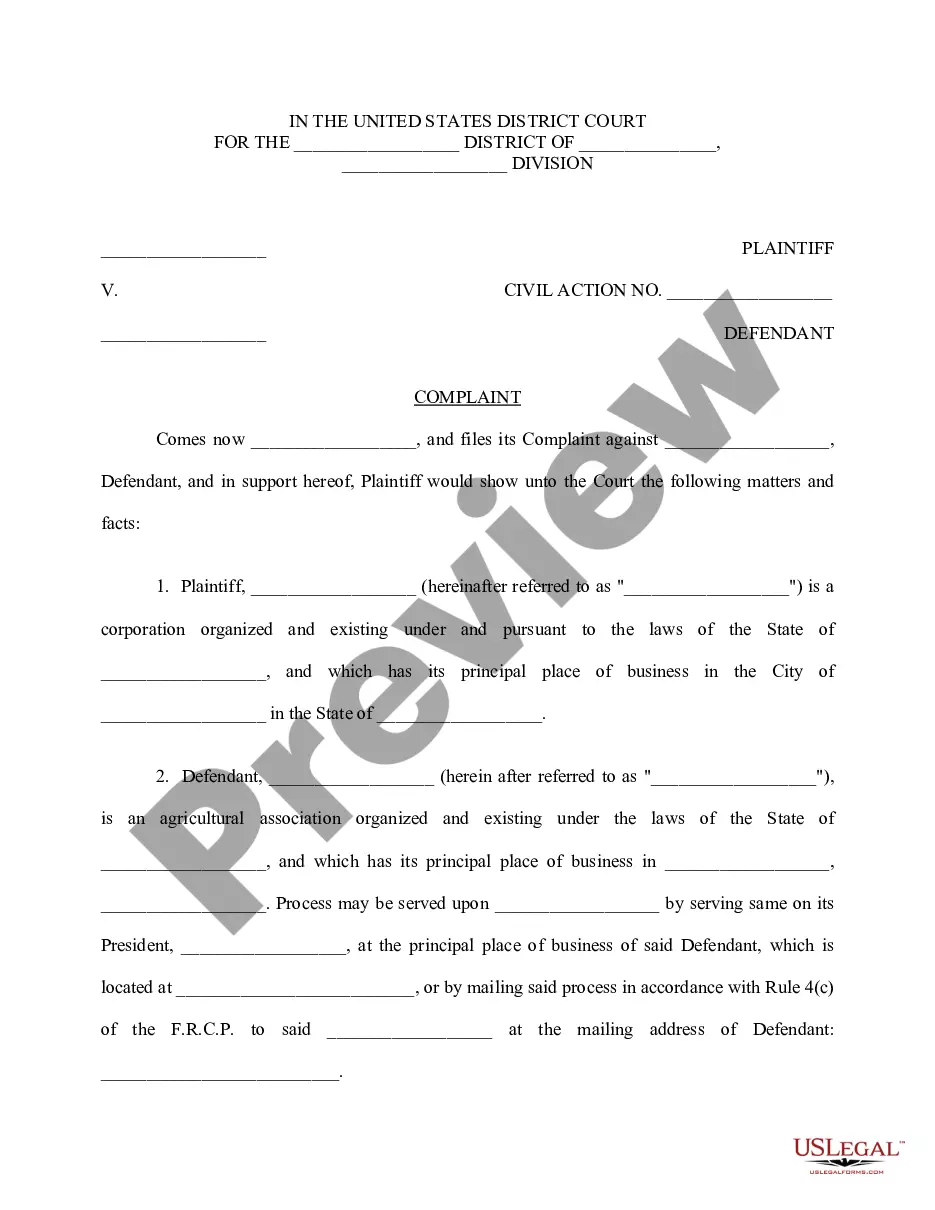
Get your form ready online
Our built-in tools help you complete, sign, share, and store your documents in one place.
Make edits, fill in missing information, and update formatting in US Legal Forms—just like you would in MS Word.
Download a copy, print it, send it by email, or mail it via USPS—whatever works best for your next step.
Sign and collect signatures with our SignNow integration. Send to multiple recipients, set reminders, and more. Go Premium to unlock E-Sign.
If this form requires notarization, complete it online through a secure video call—no need to meet a notary in person or wait for an appointment.
We protect your documents and personal data by following strict security and privacy standards.

Make edits, fill in missing information, and update formatting in US Legal Forms—just like you would in MS Word.

Download a copy, print it, send it by email, or mail it via USPS—whatever works best for your next step.

Sign and collect signatures with our SignNow integration. Send to multiple recipients, set reminders, and more. Go Premium to unlock E-Sign.

If this form requires notarization, complete it online through a secure video call—no need to meet a notary in person or wait for an appointment.

We protect your documents and personal data by following strict security and privacy standards.
Looking for another form?






Form popularity
FAQ
Notably, the rule says a plaintiff may request a waiver of service, but depending on the lawyers and the jurisdiction, it is not necessarily standard practice. Waiving service of a summons does not waive any objection to personal jurisdiction or to venue.
(m) Time Limit for Service. If a defendant is not served within 90 days after the complaint is filed, the court—on motion or on its own after notice to the plaintiff—must dismiss the action without prejudice against that defendant or order that service be made within a specified time.
If you waive service, then you must, within the time specified on the waiver form, serve an answer or a motion under Rule 12 on the plaintiff and file a copy with the court. By signing and returning the waiver form, you are allowed more time to respond than if a summons had been served.
If you waive service, then you must, within the time specified on the waiver form, serve an answer or a motion under Rule 12 on the plaintiff and file a copy with the court. By signing and returning the waiver form, you are allowed more time to respond than if a summons had been served.
Unless a defendant has waived service of process, proof of the service must be made to the court. This proof must be provided by affidavit of the process server as outline in Rule 4(l), unless service was rendered by a United States marshal or deputy marshal.
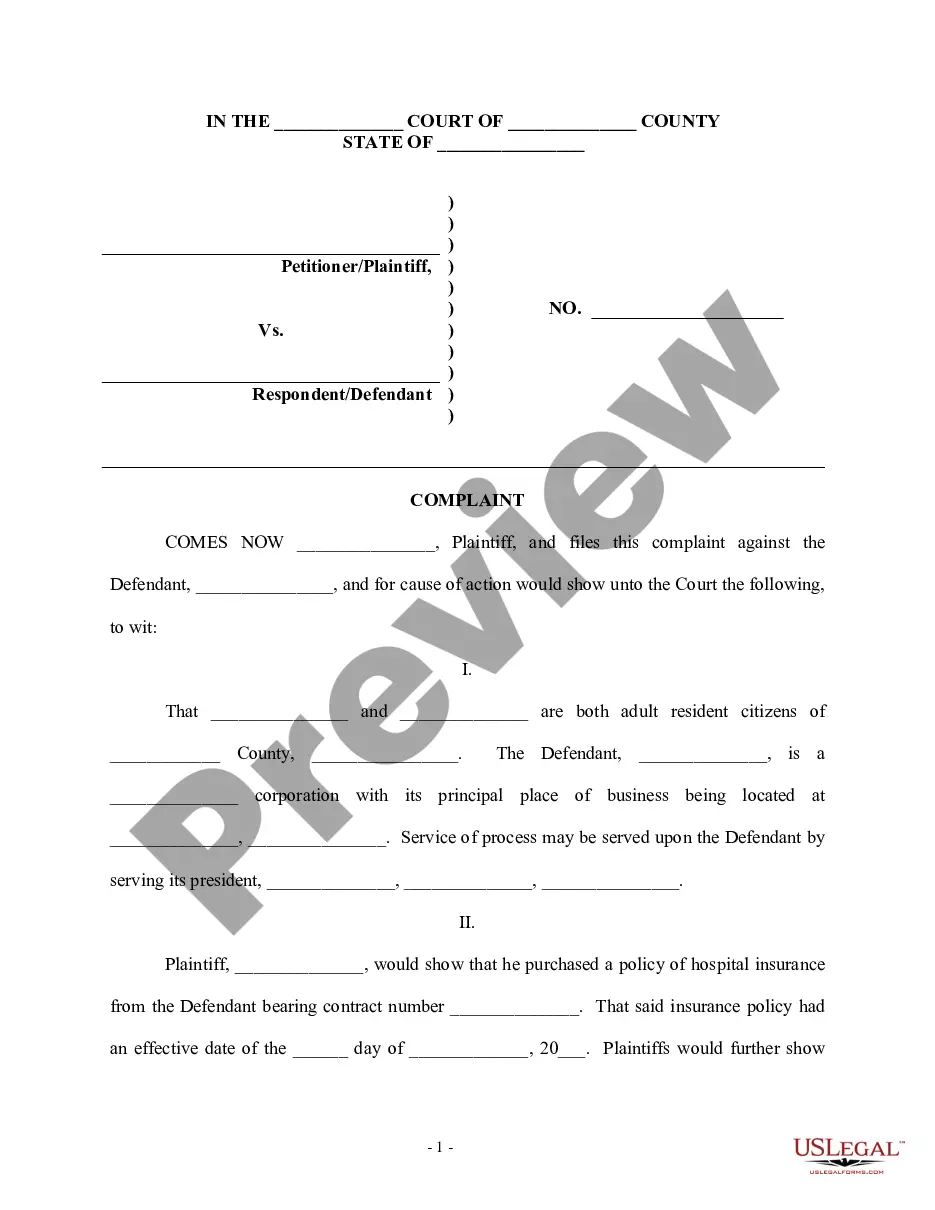
The elements of a legal complaint typically include the names of the parties involved, a statement of facts, the legal claims being made, and a demand for relief. Each of these elements plays a crucial role in the lawsuit, contributing to the overall narrative of the case.
As an affirmative defense, if insufficient service of process is not asserted in a Rule 12(b) motion or in the answer to the pleading, then it may be deemed waived.
For a claim that arises under federal law, serving a summons or filing a waiver of service establishes personal jurisdiction over a defendant if: (A) the defendant is not subject to jurisdiction in any state's courts of general jurisdiction; and (B) exercising jurisdiction is consistent with the United States ...
Signing the waiver of service can spare embarrassment for a party who knows he/she will be served. Signature of the waiver of service means the respondent waives his/her right to be served and chooses not to be served with notice of the lawsuit that he/she is a party to.
