Complaint Waived File Format In Massachusetts
Description

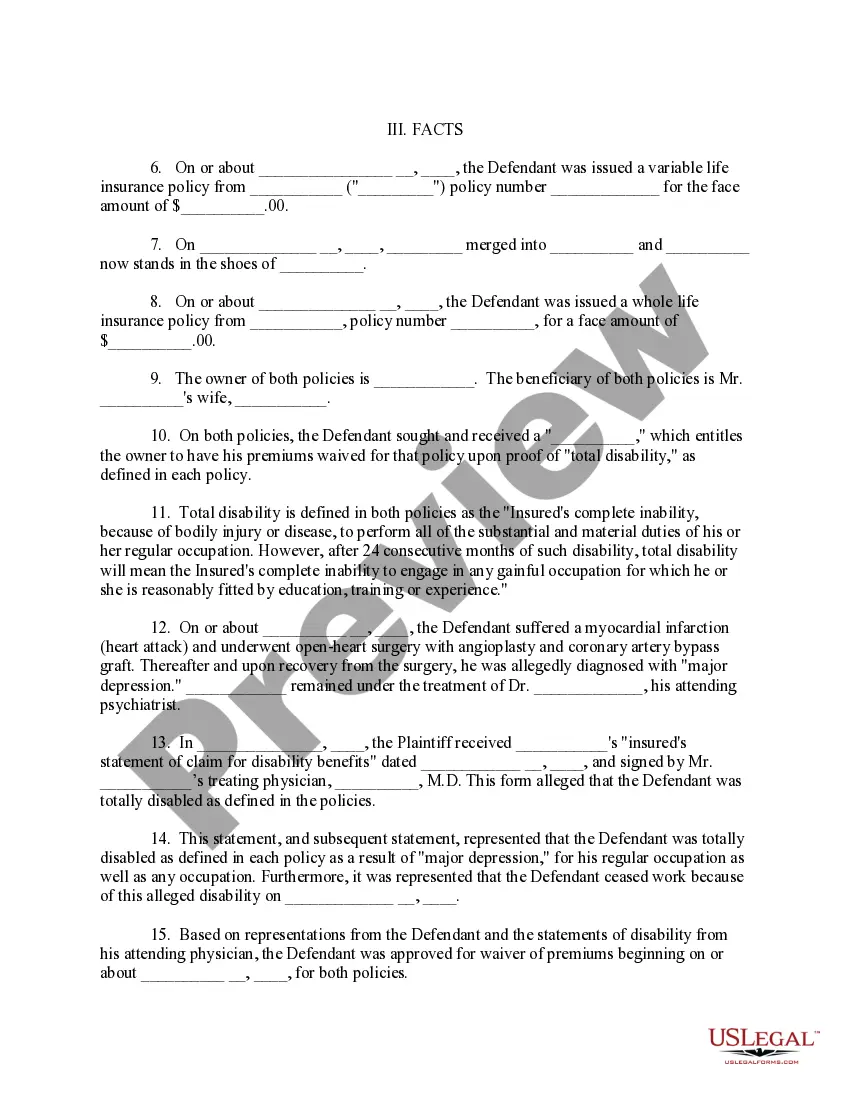
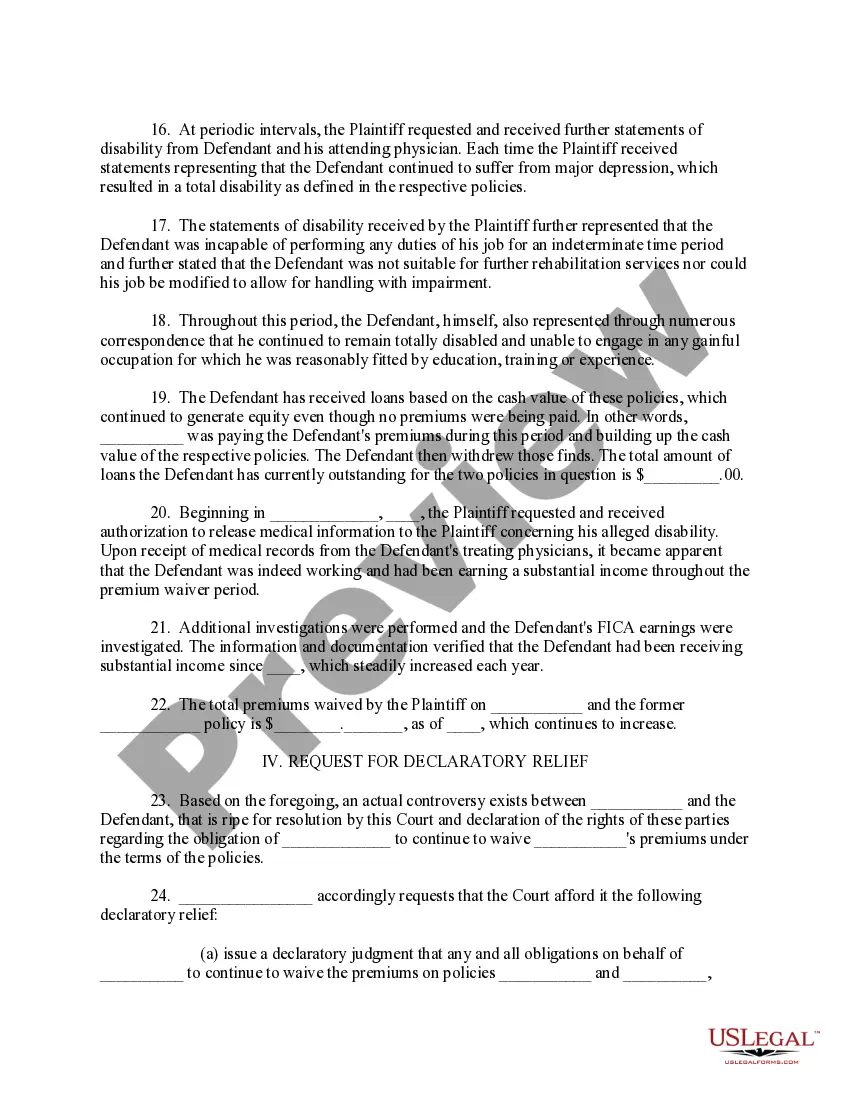
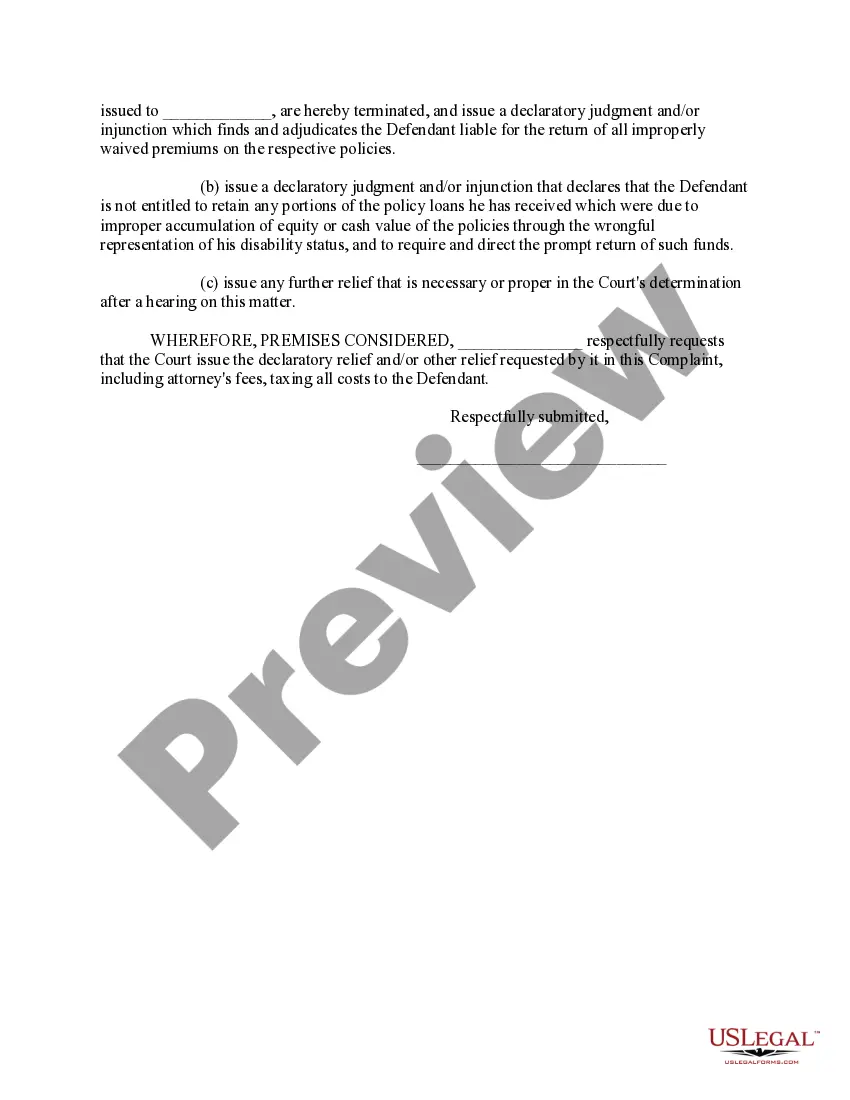



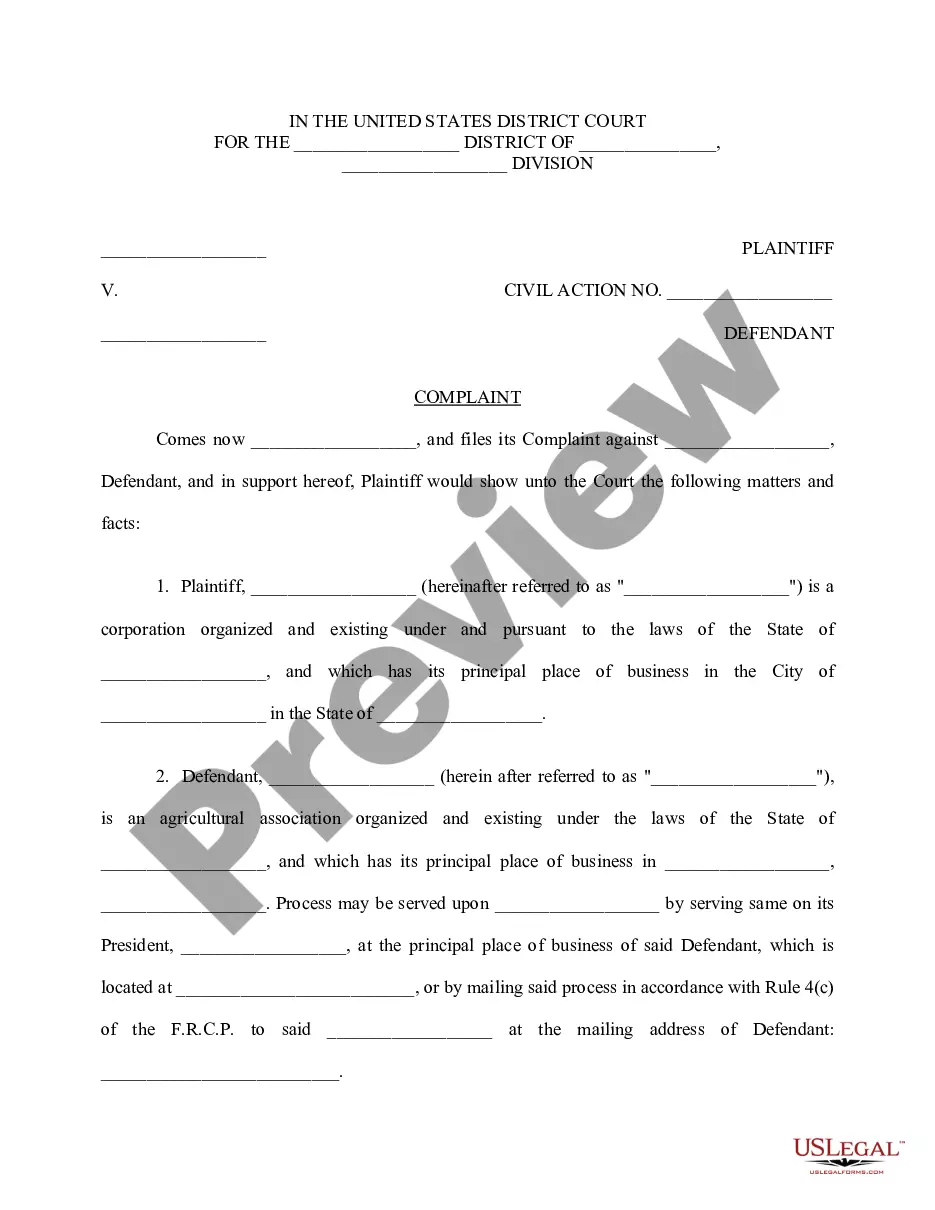
Get your form ready online
Our built-in tools help you complete, sign, share, and store your documents in one place.
Make edits, fill in missing information, and update formatting in US Legal Forms—just like you would in MS Word.
Download a copy, print it, send it by email, or mail it via USPS—whatever works best for your next step.
Sign and collect signatures with our SignNow integration. Send to multiple recipients, set reminders, and more. Go Premium to unlock E-Sign.
If this form requires notarization, complete it online through a secure video call—no need to meet a notary in person or wait for an appointment.
We protect your documents and personal data by following strict security and privacy standards.

Make edits, fill in missing information, and update formatting in US Legal Forms—just like you would in MS Word.

Download a copy, print it, send it by email, or mail it via USPS—whatever works best for your next step.

Sign and collect signatures with our SignNow integration. Send to multiple recipients, set reminders, and more. Go Premium to unlock E-Sign.

If this form requires notarization, complete it online through a secure video call—no need to meet a notary in person or wait for an appointment.

We protect your documents and personal data by following strict security and privacy standards.
Looking for another form?







Form popularity
FAQ
Service upon the attorney or upon a party shall be made by delivering a copy to the attorney or party or by mailing it to the attorney or party at the attorney's or party's last known address or, if no address is known, by leaving it with the clerk of the court.
Under Rule 5(b), service may be made by mailing the paper to the party or attorney at his last known address; if no address is known, the paper may be left with the clerk of court. Prior Massachusetts practice made no provision in cases where the address was unknown. Notice must be written.
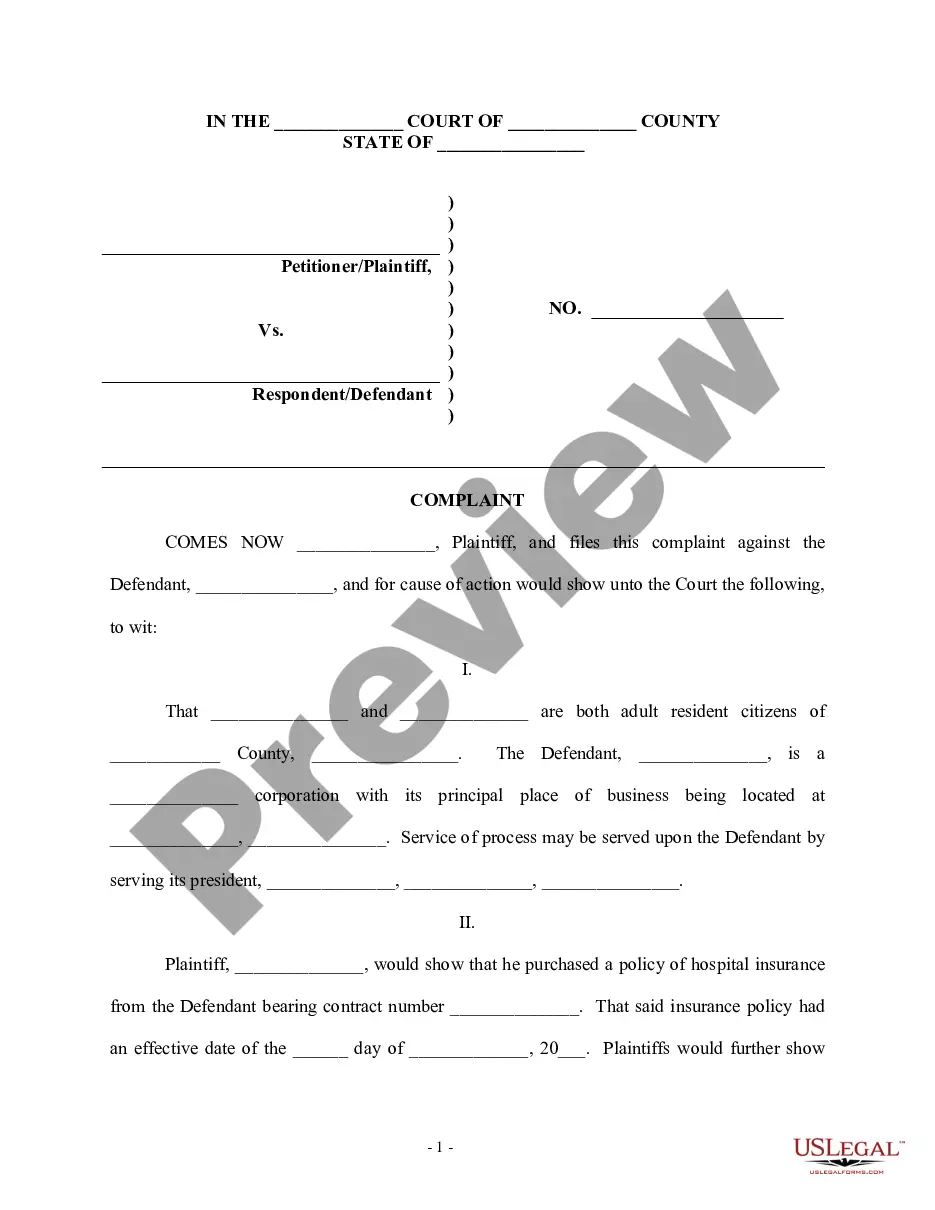
A complaint where the plaintiff (or, in limited cases, the plaintiff's counsel) swears to the allegations, demonstrating to a court that the plaintiff has investigated the charges against the defendant and found them to be of substance.
EFileMA allows litigants to easily initiate court cases and eFile documents in participating courts anytime and from anywhere — 24 hours a day, seven days a week, 365 days a year.
R. Civ. Pro. 5.1 requires a party contesting the constitutionality of a federal statute to serve the Attorney General with notice of the action.
If I get served with a complaint, what do I do? Read the summons and the complaint or petition. It is important to read both the summons (or citation) and the complaint (or petition) very carefully. Write and file an answer. Serve the other party with a copy of the answer.
Rules of Civil Procedure, Rule 4(d) allows for personal or residence service. Service on state government, county, town, or political subdivision can be made by registered or certified mail. Court Rules 2.105(A) allows for either personal, registered mail, or certified mail, restricted delivery service.
Under Rule 5(b), service may be made by mailing the paper to the party or attorney at his last known address; if no address is known, the paper may be left with the clerk of court. Prior Massachusetts practice made no provision in cases where the address was unknown.
A caption identifying the plaintiff and defendant, and the court in which the complaint is being filed. A brief description of the parties (e.g., their name and address). Allegations demonstrating that the court has subject matter jurisdiction, personal jurisdiction, and venue to adjudicate the claims in the complaint.
