Complaint Waived File With Court In Fulton
Description

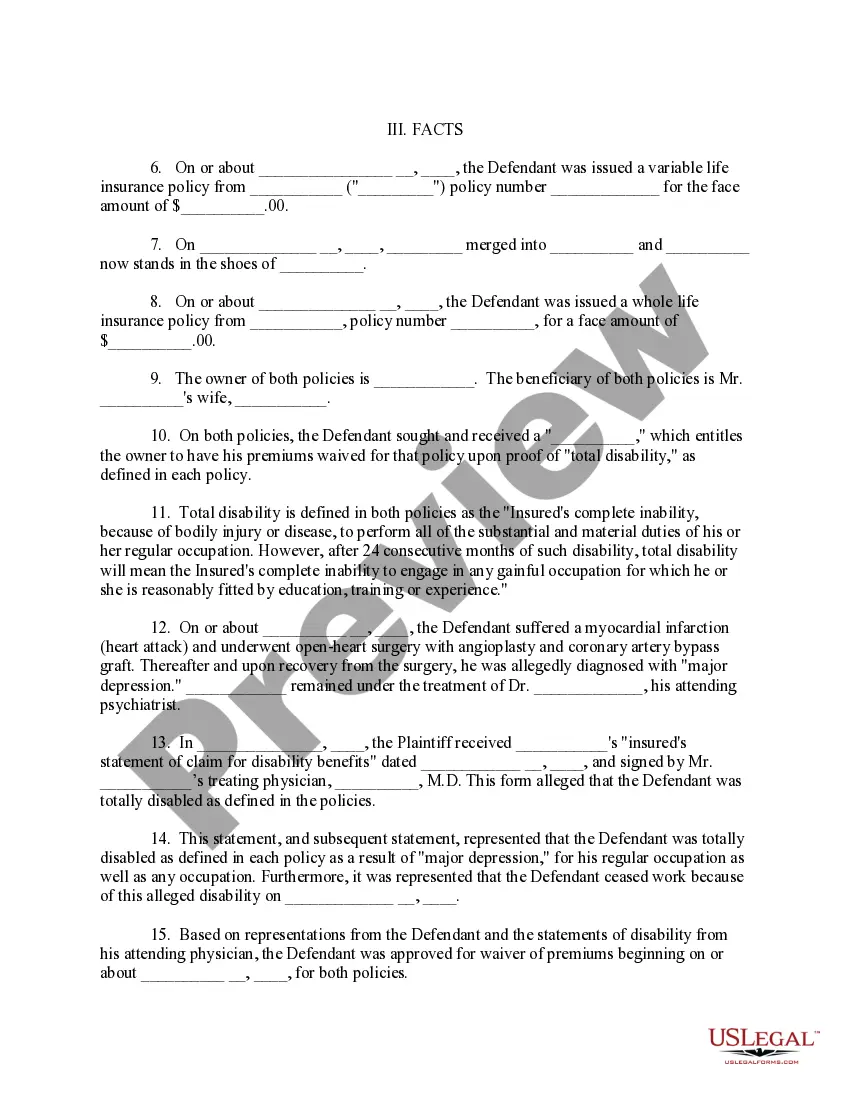
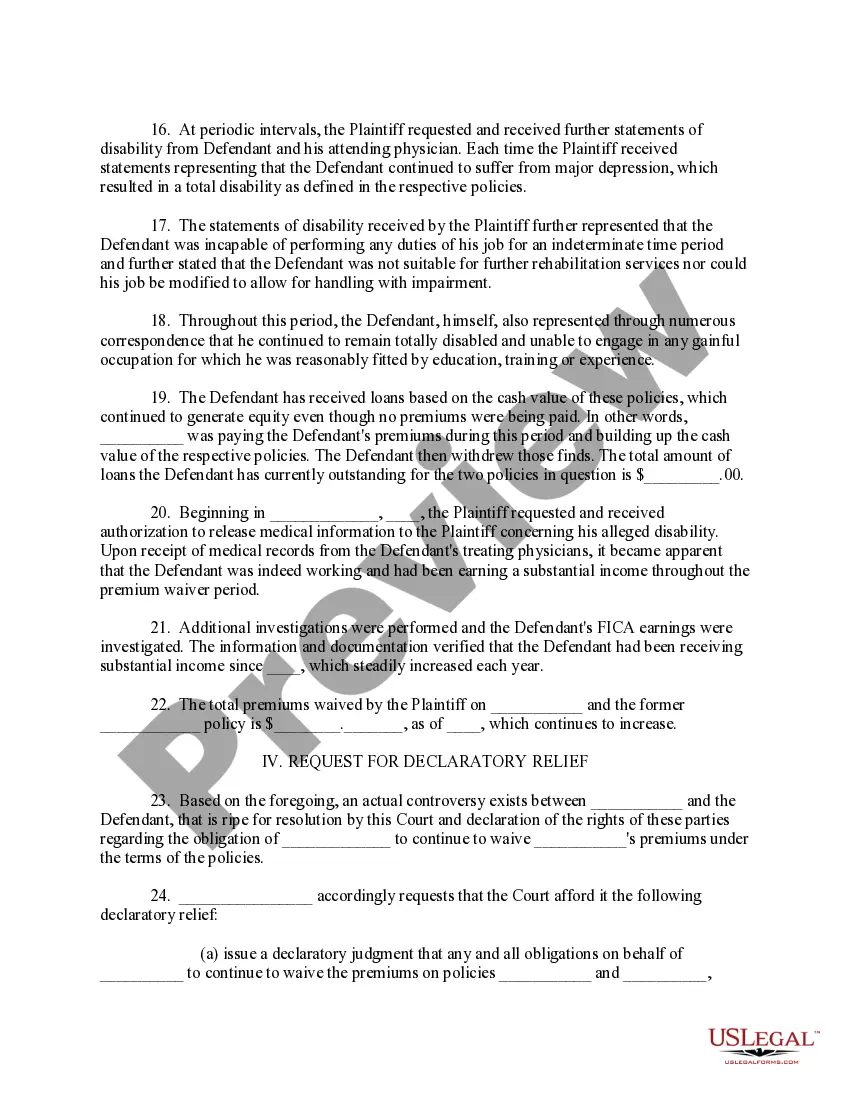
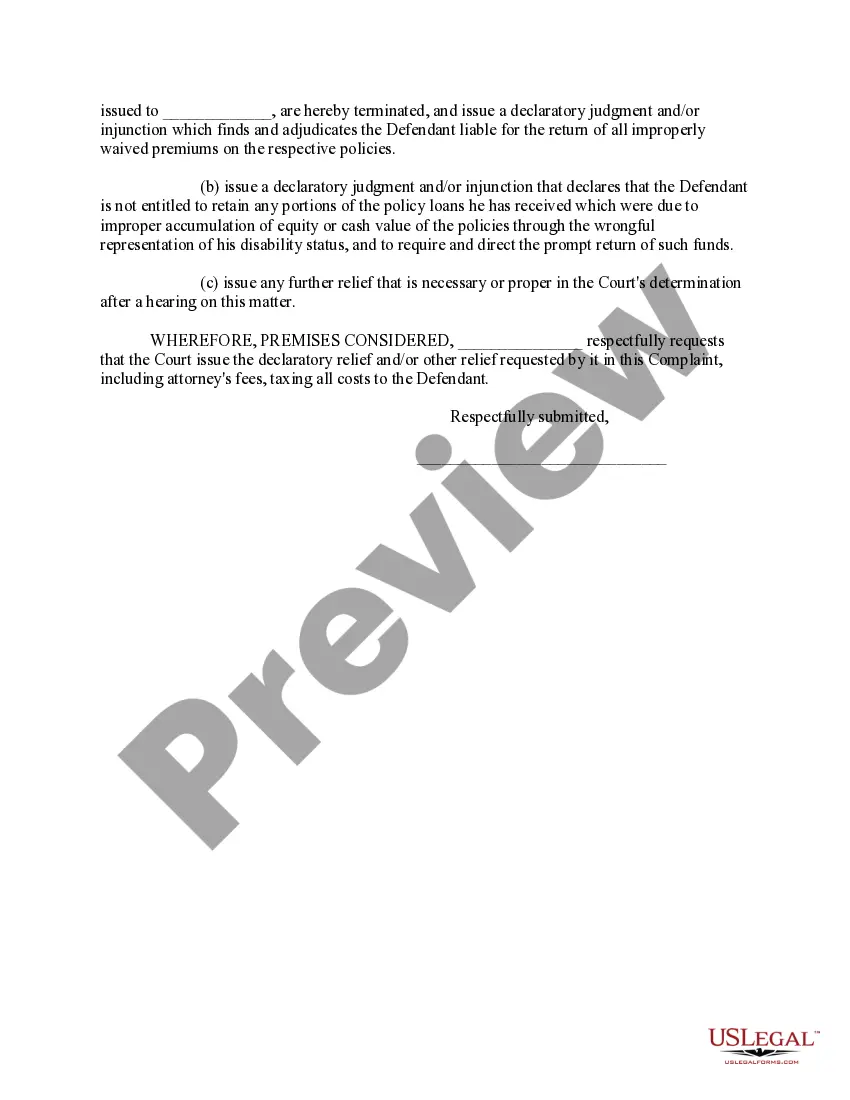



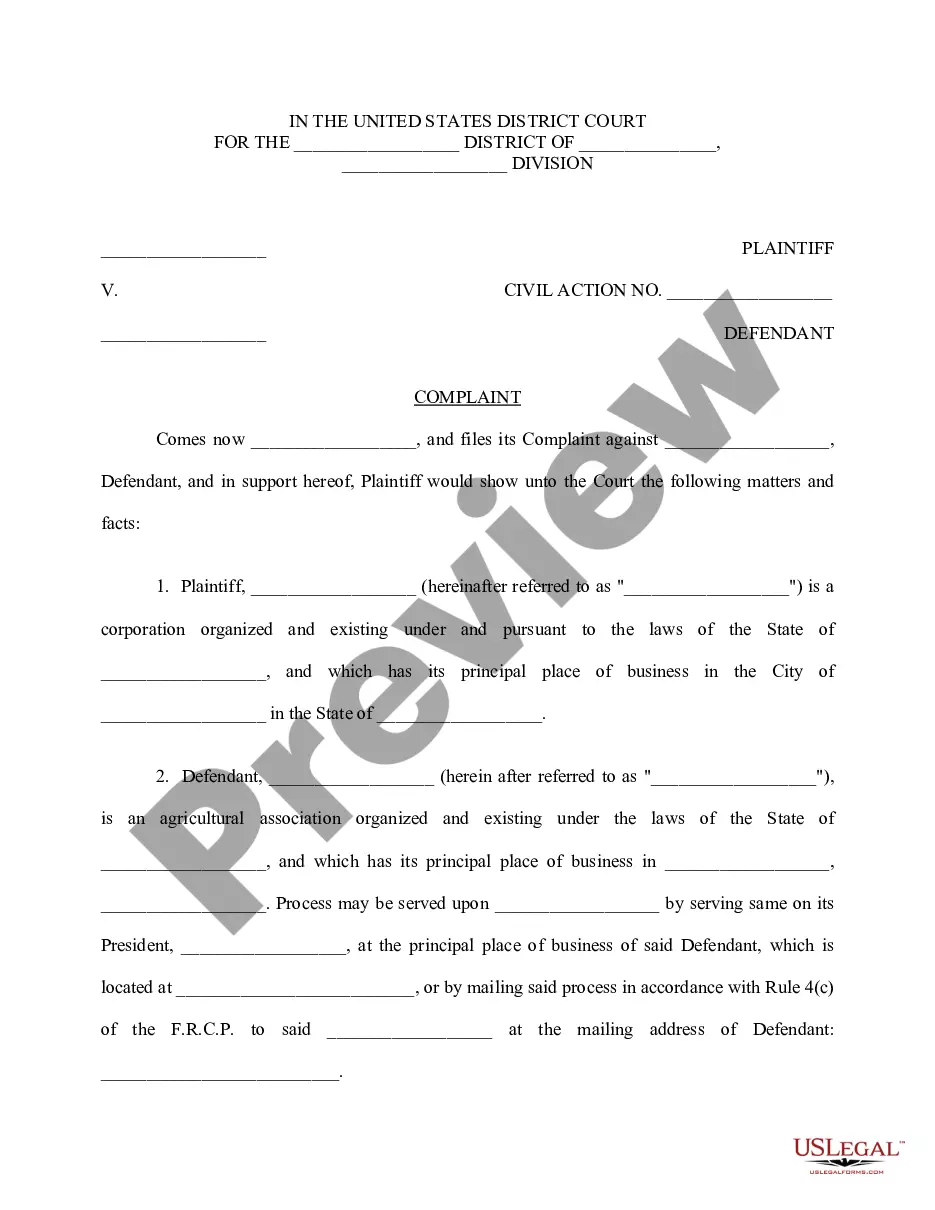
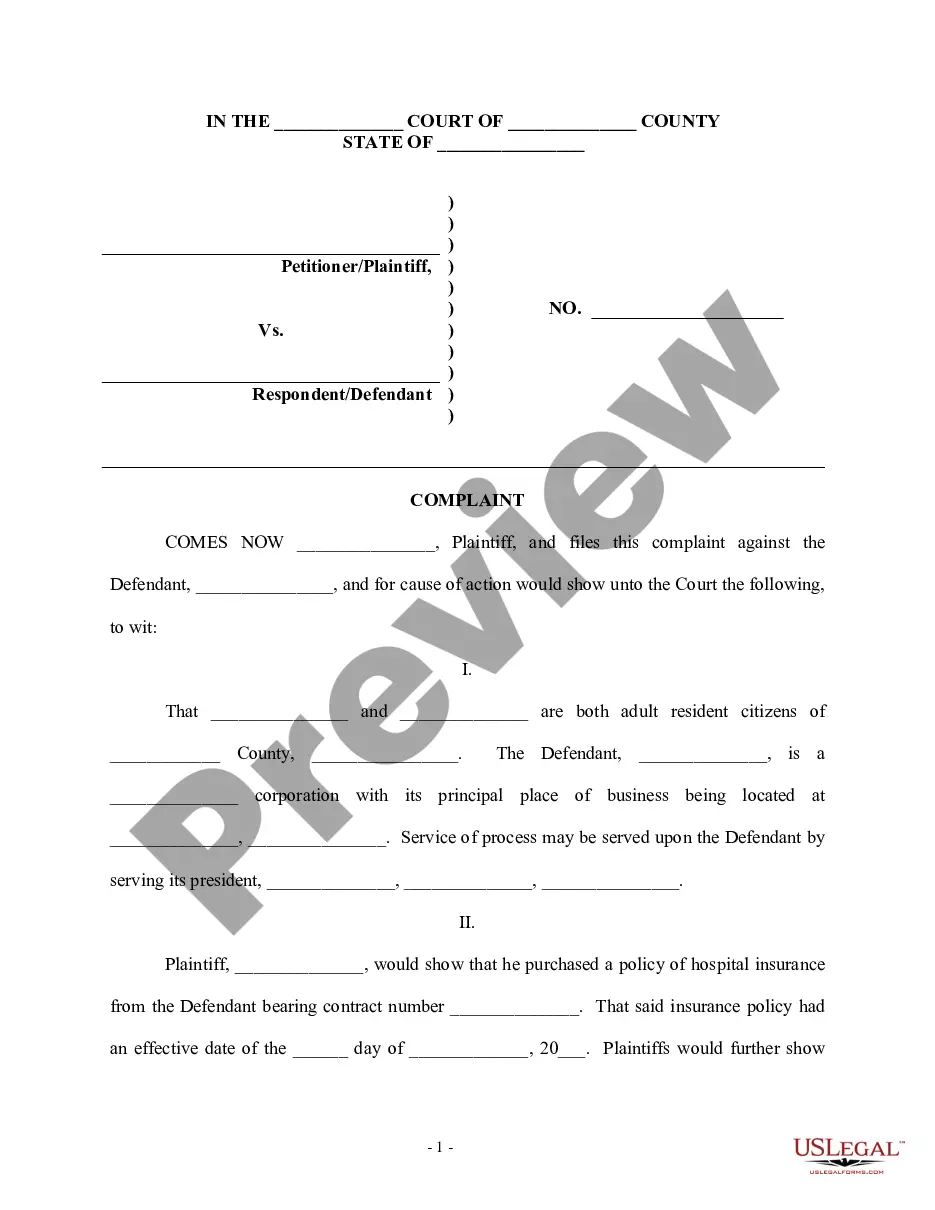
Get your form ready online
Our built-in tools help you complete, sign, share, and store your documents in one place.
Make edits, fill in missing information, and update formatting in US Legal Forms—just like you would in MS Word.
Download a copy, print it, send it by email, or mail it via USPS—whatever works best for your next step.
Sign and collect signatures with our SignNow integration. Send to multiple recipients, set reminders, and more. Go Premium to unlock E-Sign.
If this form requires notarization, complete it online through a secure video call—no need to meet a notary in person or wait for an appointment.
We protect your documents and personal data by following strict security and privacy standards.

Make edits, fill in missing information, and update formatting in US Legal Forms—just like you would in MS Word.

Download a copy, print it, send it by email, or mail it via USPS—whatever works best for your next step.

Sign and collect signatures with our SignNow integration. Send to multiple recipients, set reminders, and more. Go Premium to unlock E-Sign.

If this form requires notarization, complete it online through a secure video call—no need to meet a notary in person or wait for an appointment.

We protect your documents and personal data by following strict security and privacy standards.
Looking for another form?







Form popularity
FAQ
Essentially, a waiver removes a real or potential liability for the other party in the agreement. For example, in a settlement between two parties, one party might, by means of a waiver, relinquish its right to pursue any further legal action once the settlement is finalized.
If you have been making your payments regularly and on time, restitution and other court-ordered debt shouldn't show up on your credit report. However, once you begin missing payments, the court can sell your debt to a collection agency that will likely report the debt to the credit bureau.
Cost bill, also referred to as bill of costs, is an itemized list of court costs incurred by the prevailing party in a lawsuit. The prevailing party submits this list to the court and the losing party after a judgment has been issued in the case.
Court costs usually include: filing fees, charges for serving summons and subpenas, court reporter charges for depositions (which can be very expensive), court transcripts and copying papers and exhibits. The prevailing party in a lawsuit is usually awarded court costs.
