State Disability For California In Florida
Description

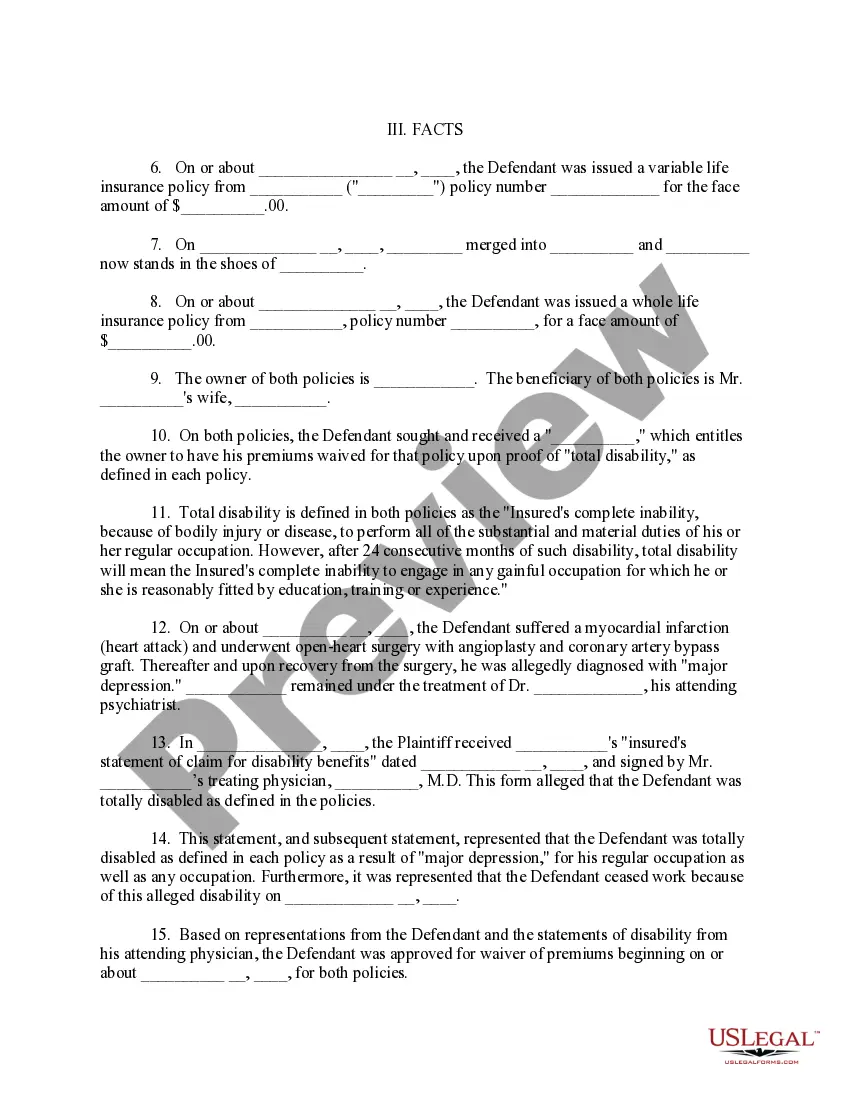
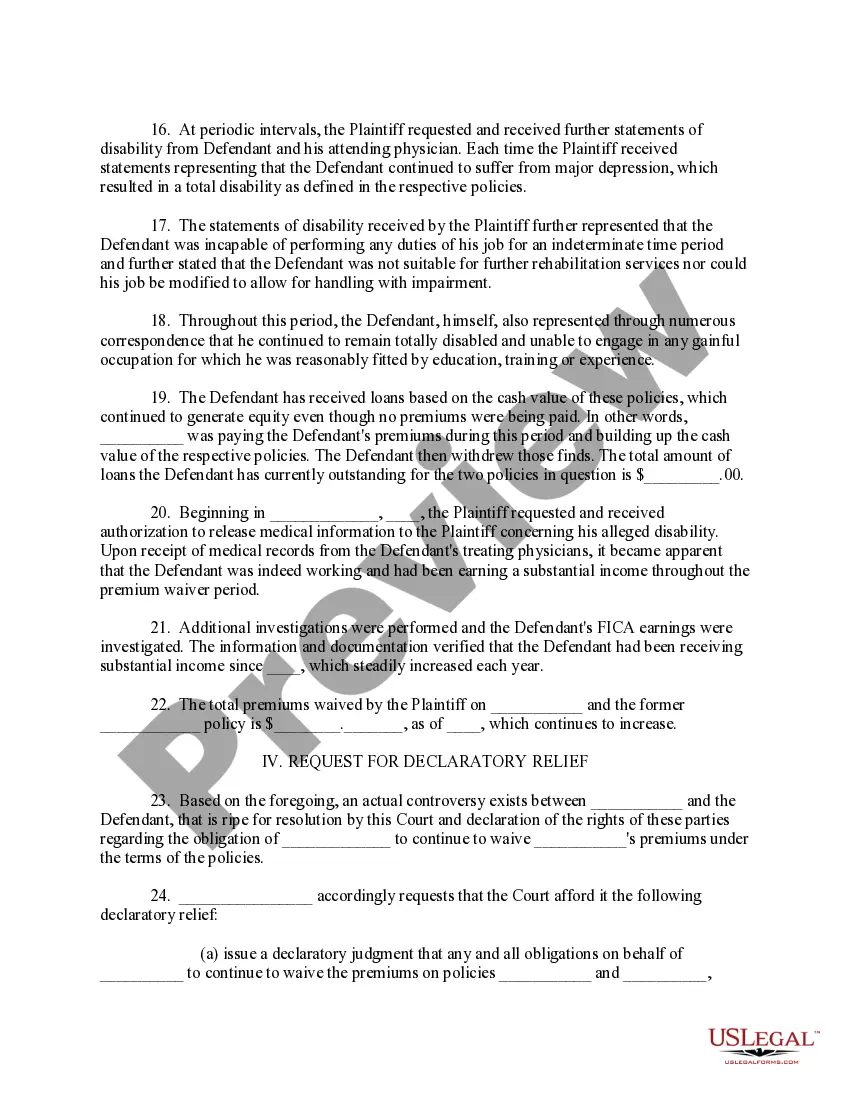
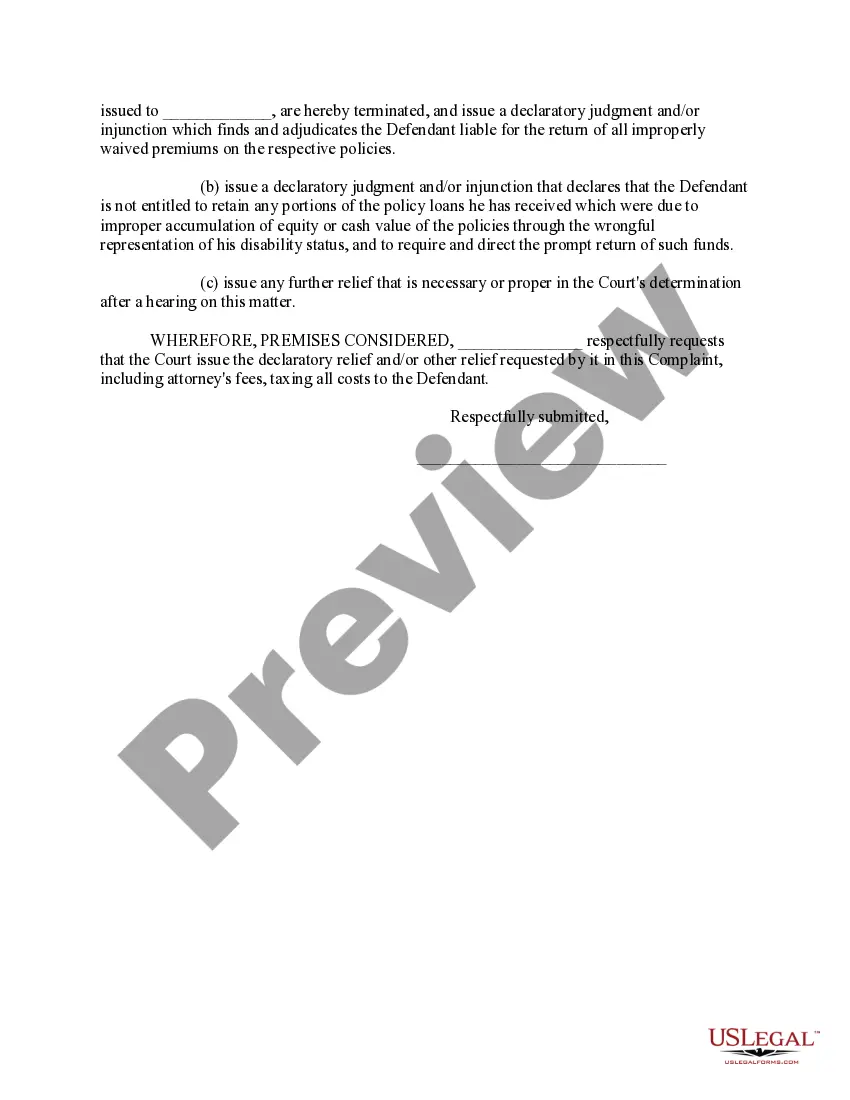



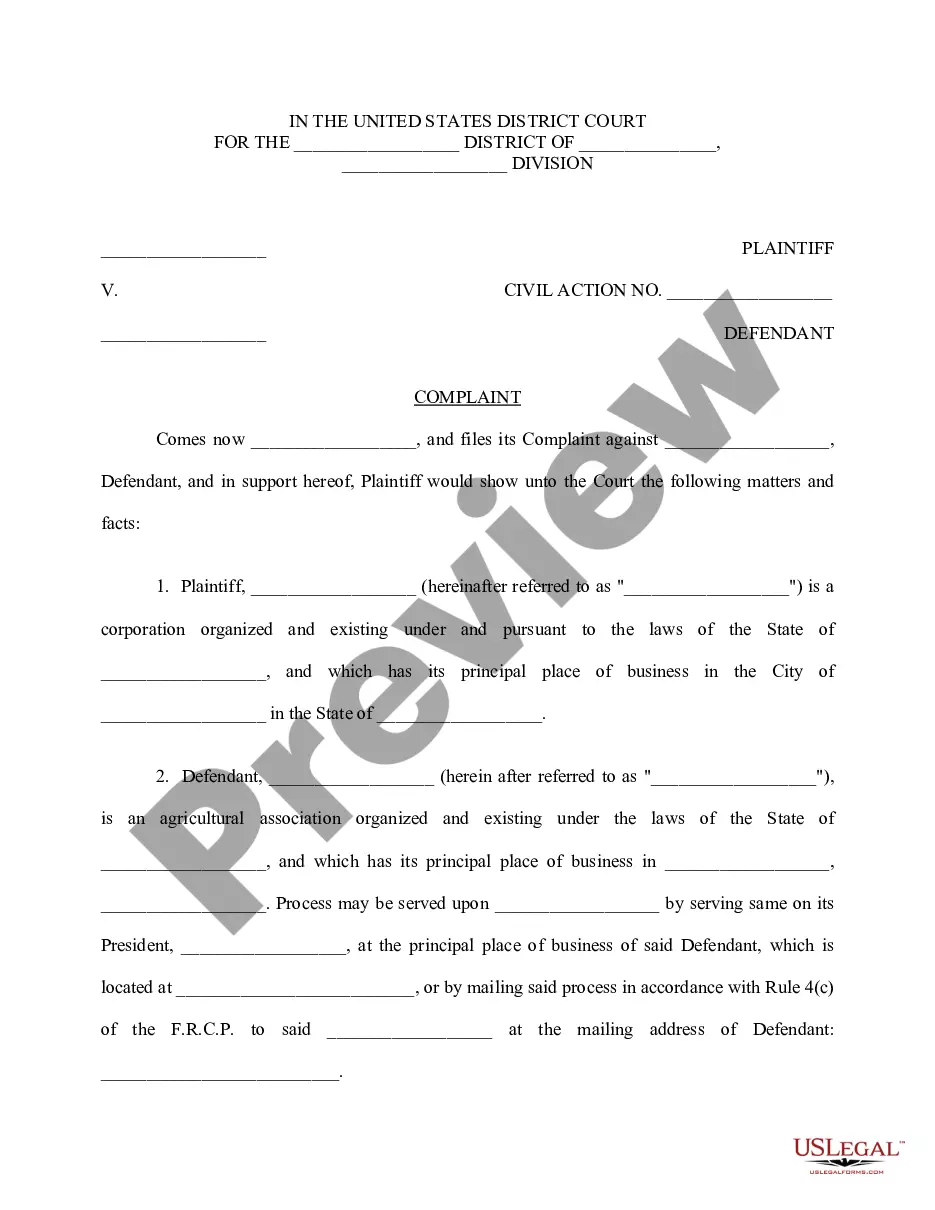
Get your form ready online
Our built-in tools help you complete, sign, share, and store your documents in one place.
Make edits, fill in missing information, and update formatting in US Legal Forms—just like you would in MS Word.
Download a copy, print it, send it by email, or mail it via USPS—whatever works best for your next step.
Sign and collect signatures with our SignNow integration. Send to multiple recipients, set reminders, and more. Go Premium to unlock E-Sign.
If this form requires notarization, complete it online through a secure video call—no need to meet a notary in person or wait for an appointment.
We protect your documents and personal data by following strict security and privacy standards.

Make edits, fill in missing information, and update formatting in US Legal Forms—just like you would in MS Word.

Download a copy, print it, send it by email, or mail it via USPS—whatever works best for your next step.

Sign and collect signatures with our SignNow integration. Send to multiple recipients, set reminders, and more. Go Premium to unlock E-Sign.

If this form requires notarization, complete it online through a secure video call—no need to meet a notary in person or wait for an appointment.

We protect your documents and personal data by following strict security and privacy standards.
Looking for another form?








Form popularity
FAQ
Disability Evaluation Under Social Security Listing of Impairments - Adult Listings (Part A) 1.00. Musculoskeletal Disorders. 2.00. Special Senses and Speech. 3.00. Respiratory Disorders. 4.00. Cardiovascular System. 5.00. Digestive Disorders. 6.00. Genitourinary Disorders. 7.00. 8.00. Skin Disorders.
Requirements to File a Claim Can't do your regular work for at least eight days. Have lost wages because of your disability. Are working or looking for work at the time your disability begins. Earned at least $300 with State Disability Insurance (SDI) deducted from your paycheck.
Overall, however, the most approved disability for Social Security is disabilities involving the musculoskeletal system and/or connective tissues. ing to the World Health Organization (WHO), such conditions include arthritis, back pain, and lupus.
What Conditions Automatically Qualify You for Disability? Musculoskeletal System and Connective Tissue. Mental Disorders. Cardiac and Circulatory Disorders. Neoplasms (Cancer) Nervous System and Sense Organs.
The law defines disability as the inability to engage in any substantial gainful activity (SGA) by reason of any medically determinable physical or mental impairment(s) which can be expected to result in death or which has lasted or can be expected to last for a continuous period of not less than 12 months.
Once you begin receiving Social Security Disability Insurance benefits (SSDI), you may decide to move to a different state. The good news is that your move will not affect your eligibility for SSDI, and you will not have to reapply for benefits in the new state you live in.
No, Florida doesn't have a state disability program. Only five states (California, Hawaii, New Jersey, New York, and Rhode Island) have a state program. Residents of Florida can apply for federal disability programs (SSDI and SSI). Read more about SSDI and SSI here.
If you're moving to a new state, your Social Security disability benefits can follow you. You don't need to apply for disability benefits again in your new state. Transferring your benefits is mostly a matter of telling Social Security about the move and providing your new address, contact, and banking information.
Mental Disorders. Intellectual Disabilities. Affective Disorders. Schizophrenia and Other Psychotic Disorders. Physical Disorders. Immune System Disorders. Cancer Diagnosis. Neurological Disorders. Congenital Disorders. Cardiovascular Disabilities and Disorders. Respiratory Disorders. Musculoskeletal Disorders.
APS Program supports adults with disabilities (18 through 59 years of age) who need assistance to remain in their homes and/or in the community.
