Farming Would Business Without Which Natural Resource In Utah
Description

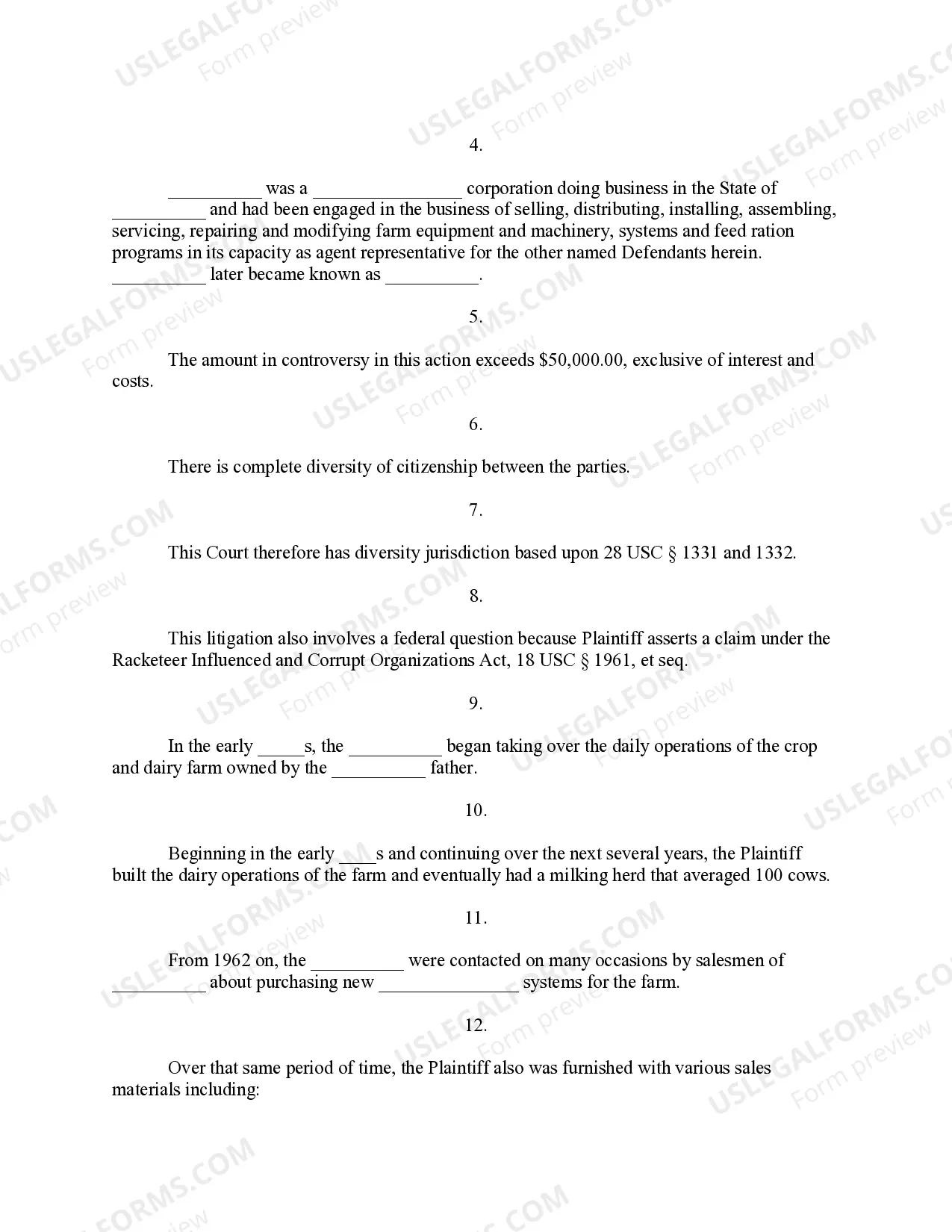
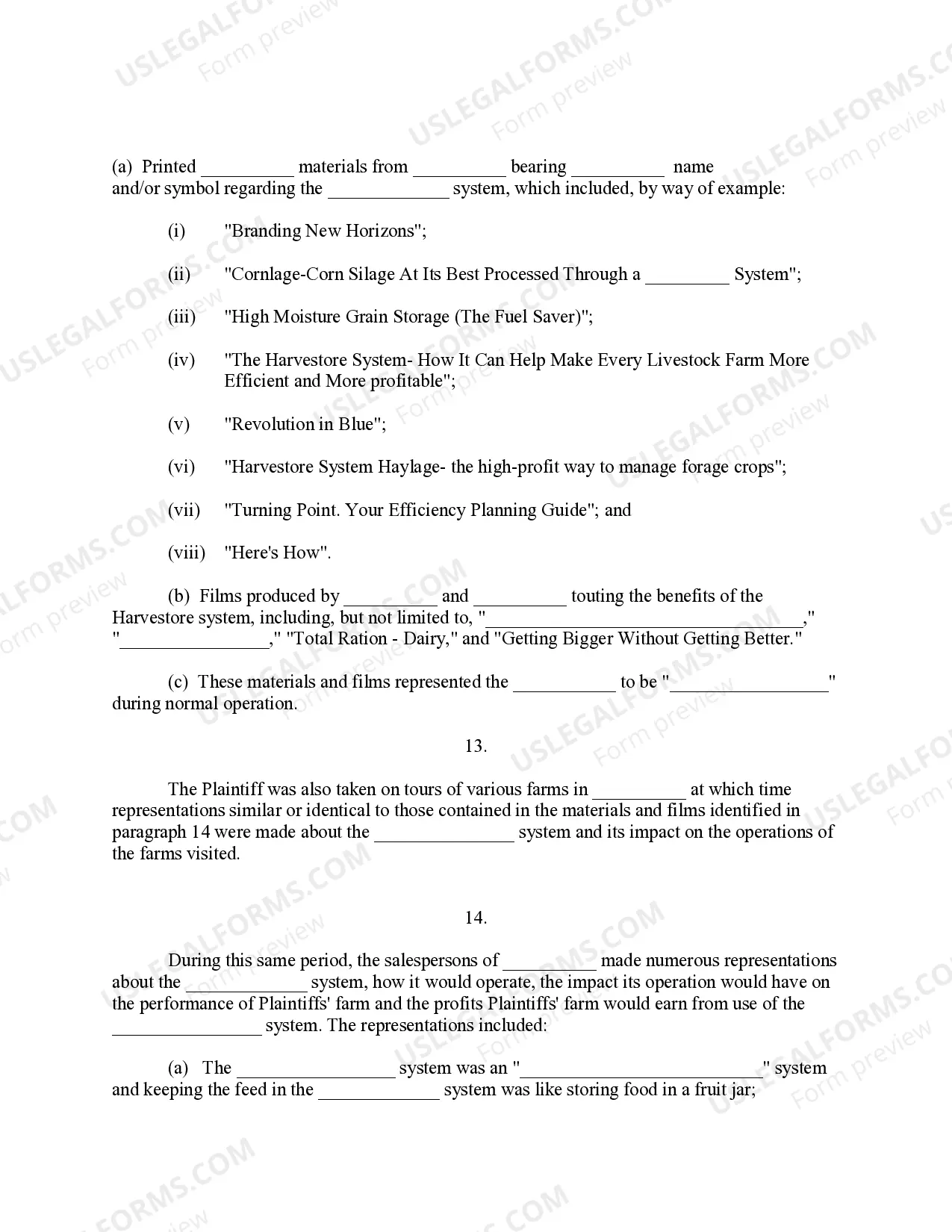
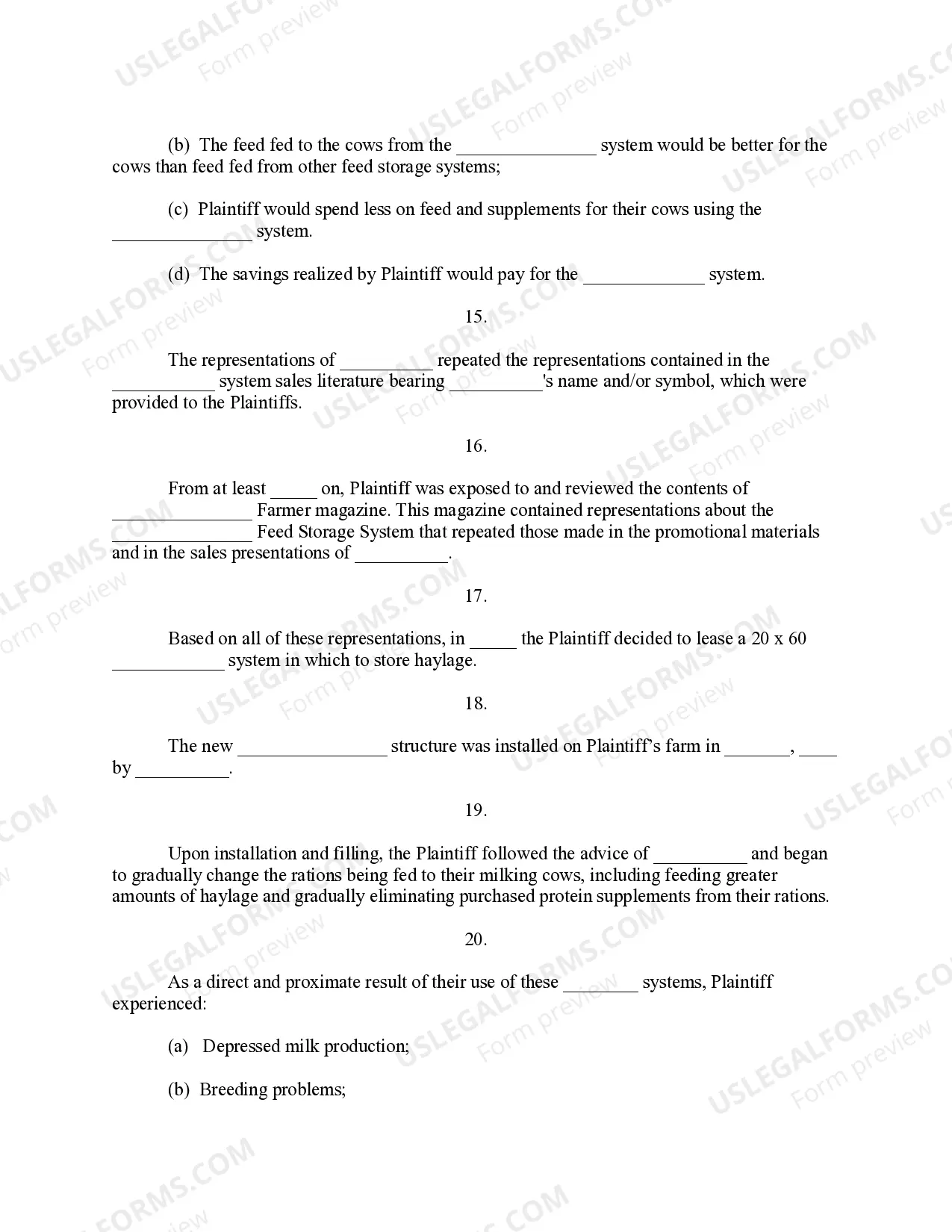
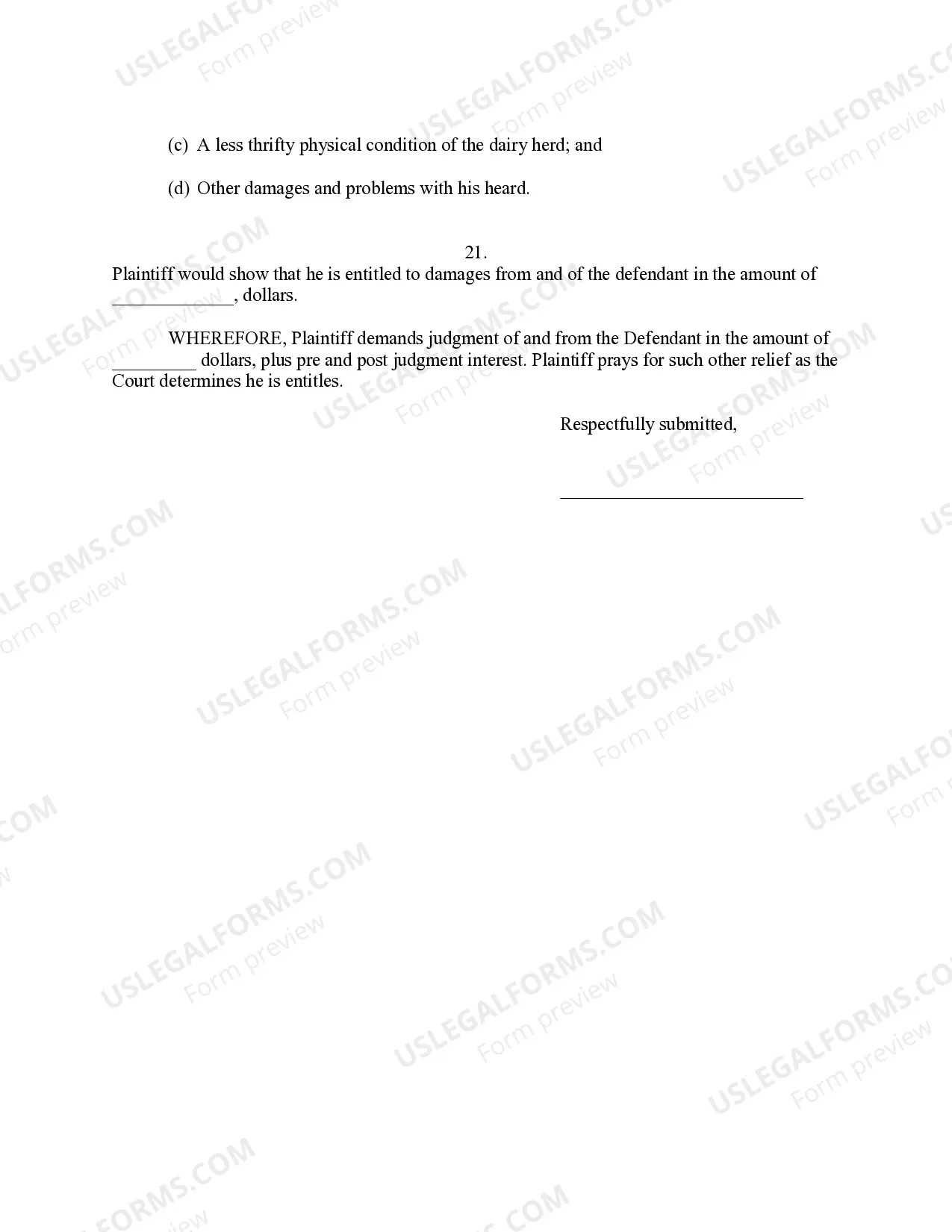


Get your form ready online
Our built-in tools help you complete, sign, share, and store your documents in one place.
Make edits, fill in missing information, and update formatting in US Legal Forms—just like you would in MS Word.
Download a copy, print it, send it by email, or mail it via USPS—whatever works best for your next step.
Sign and collect signatures with our SignNow integration. Send to multiple recipients, set reminders, and more. Go Premium to unlock E-Sign.
If this form requires notarization, complete it online through a secure video call—no need to meet a notary in person or wait for an appointment.
We protect your documents and personal data by following strict security and privacy standards.

Make edits, fill in missing information, and update formatting in US Legal Forms—just like you would in MS Word.

Download a copy, print it, send it by email, or mail it via USPS—whatever works best for your next step.

Sign and collect signatures with our SignNow integration. Send to multiple recipients, set reminders, and more. Go Premium to unlock E-Sign.

If this form requires notarization, complete it online through a secure video call—no need to meet a notary in person or wait for an appointment.

We protect your documents and personal data by following strict security and privacy standards.
Looking for another form?









Form popularity
FAQ
Farmers fully understand in order to yield a successful crop we need our vast natural resources. The sun, air, water and soil are just some that we rely on. For thousands of years, farmers have fed the world while protecting these resources and operating sustainable family businesses.
Utah is only producer of beryllium, and magnesium metal and a major producer of bentonite, copper, gold, and vanadium. Other commodities produced include cement, common clay, aggregates, iron ore, lime, molybdenum, phosphate, potash, silver.
Major mining districts in the state include the Bingham Canyon, Tintic, Park City, Iron Springs, Lisbon Valley, Mercur, and Spor Mountain districts, all of which have produced over $2 billion from metals mining.
The world's largest known beryllium resource is in Juab County. Bertrandite ore (beryllium silicate) is found in volcanic tuff northwest of Delta. Utah continues to be the leading producer of beryllium metal in the United States.
Just under 80 percent of Utah's farmland is permanent pasture and rangeland –– but a significant amount is cropland, of which most is irrigated. The total value of agricultural sales is $1.84 billion, of which 31 percent are from crop sales and 69 percent are from livestock and their products!
Central and eastern Utah contain tremendous energy resources, including coal, oil, natural gas, oil shale, tar sand, and uranium. Deposits of salt and phosphate are important sources of chemicals, as are Utah's saline lakes.
Water, air, and soil are three natural resources that we cannot live without. The Forest Service strives to protect, maintain, and restore these valuable assets now and into the future. Water is one of the most important natural resources flowing from forests.
The biggest crop for Utah is hay and haylage at an annual production valued at $488.9 million. The USDA ranks Utah the 19th highest-producing state for all hay, but their alfalfa production ranks 11th in the U.S. All of this hay comes in handy because farmers in Utah raise a lot of sheep!
