Farm Would Business Formula In Houston
Description



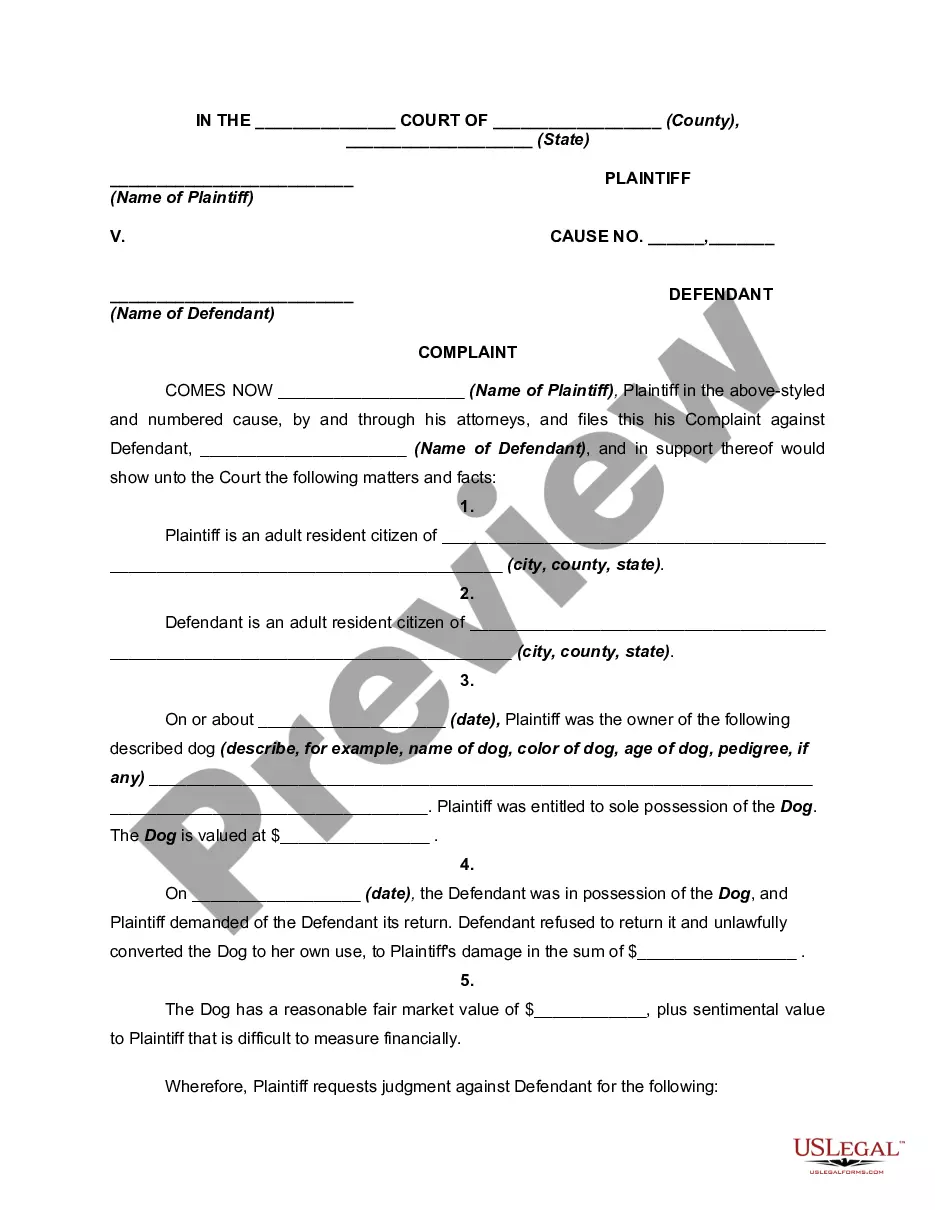
Get your form ready online
Our built-in tools help you complete, sign, share, and store your documents in one place.
Make edits, fill in missing information, and update formatting in US Legal Forms—just like you would in MS Word.
Download a copy, print it, send it by email, or mail it via USPS—whatever works best for your next step.
Sign and collect signatures with our SignNow integration. Send to multiple recipients, set reminders, and more. Go Premium to unlock E-Sign.
If this form requires notarization, complete it online through a secure video call—no need to meet a notary in person or wait for an appointment.
We protect your documents and personal data by following strict security and privacy standards.

Make edits, fill in missing information, and update formatting in US Legal Forms—just like you would in MS Word.

Download a copy, print it, send it by email, or mail it via USPS—whatever works best for your next step.

Sign and collect signatures with our SignNow integration. Send to multiple recipients, set reminders, and more. Go Premium to unlock E-Sign.

If this form requires notarization, complete it online through a secure video call—no need to meet a notary in person or wait for an appointment.

We protect your documents and personal data by following strict security and privacy standards.
Looking for another form?


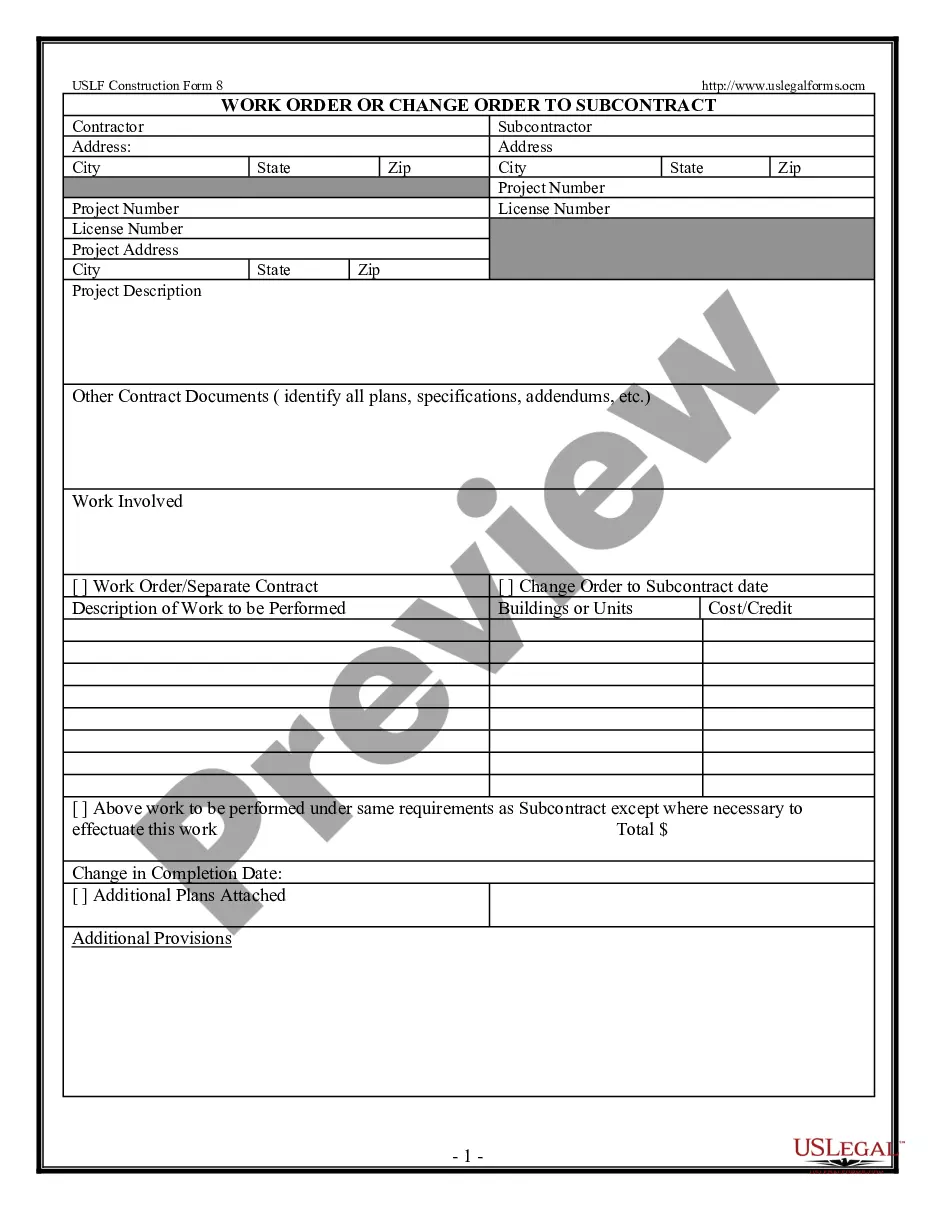


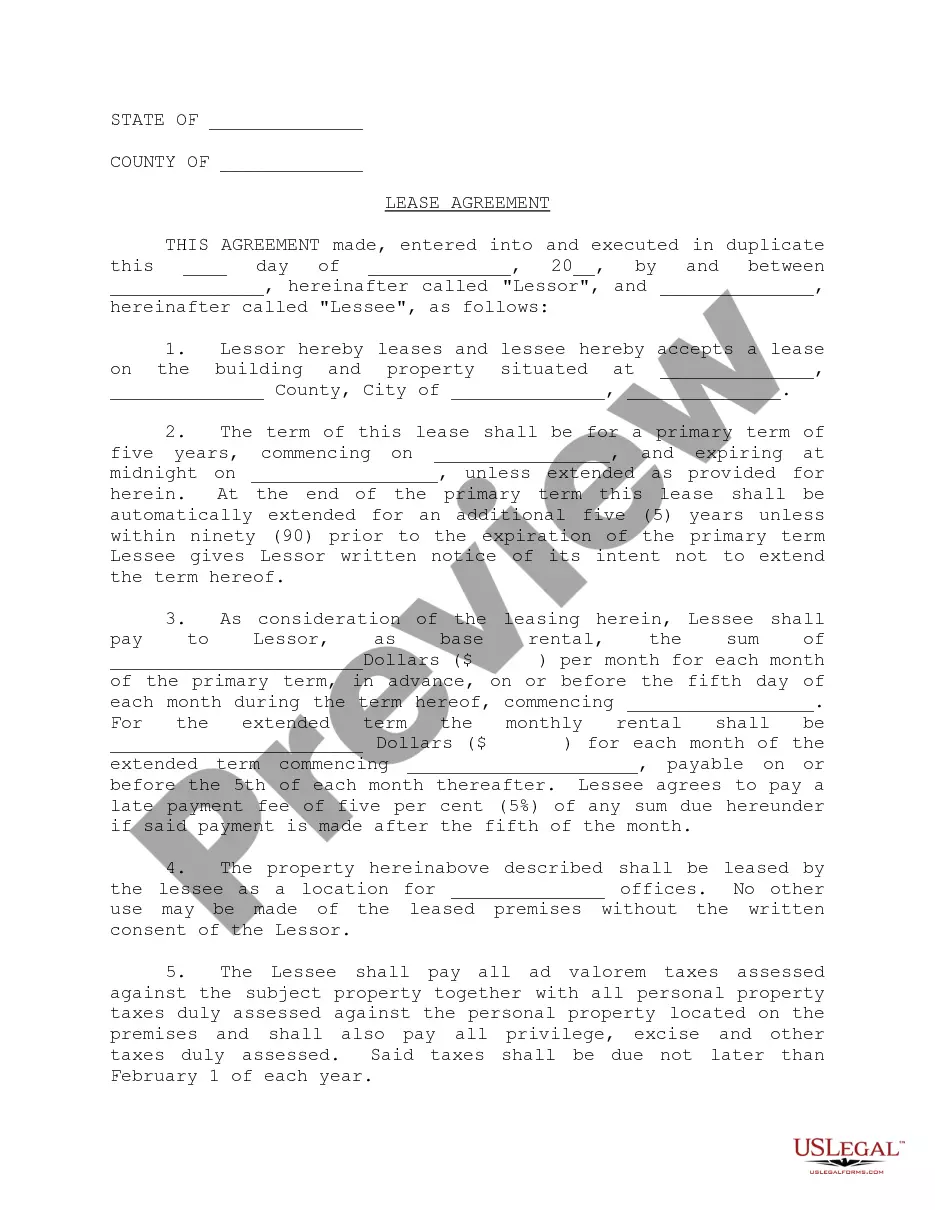




Form popularity
FAQ
Applicants must have an acceptable credit history as determined by the lender. Applicants must have the legal capacity to incur responsibility for the loan obligation. Applicants must be unable to obtain a loan without an FSA guarantee. Applicants must not be delinquent on any Federal debt.
Approved USDA loan lenders typically require a minimum credit score of at least 620 to get a USDA home loan. However, the USDA doesn't have a minimum credit score, so borrowers with scores below 620 may still be eligible for a USDA-backed mortgage. If your credit score is below 620, there's still hope.
Comments Section The loans are only available to those who cannot get a standard loan through a farm credit union or the like. So, it's kinda helpful, but not as helpful as it could be. With most banks wanting 35-40% down on farm land it is pretty easy to not qualify for a standard loan.
Generally speaking, there is no minimum acreage for farm tax exemption. There may, however, be specific acreage minimums required to be considered for certain land classifications such as a “greenbelt” property.
There are several ways you can choose to structure the ownership of your farm operation, ranging from a sole-proprietorship, general partnership, or corporation. More and more farms are now using a limited liability company (LLC) as a business entity which has become popular in the industry for several reasons.
One of the first things a lender looks at is your current business credit score. For example, FarmLoans requires borrowers to have a minimum credit score of 660 from at least one of the three major credit reporting bureaus. The lender may also ask for a business plan before considering you for an agricultural loan.
Now that you know why this type of plan is so important, it's time to learn how to craft a winning business plan — step by step. Executive summary. Company description. Market analysis. Products or services. Sales and marketing strategy. Organizational and management structure. Financial analysis.
Key components include an executive summary, business overview, goals and objectives, market analysis, marketing plan, production plan, and financial plan. Each section should provide detailed insights into your farm's operations, target market, and financial strategy to ensure comprehensive planning.
As a beginning farmer you will need a federal tax ID number , also known as an Employer Identification Number (EIN). An EIN is used to identify a business entity, hire employees, apply for business licenses, permits, and more. The EIN is necessary for reporting to the IRS.
Gross farm income reflects the total value of agricultural output plus Government farm program payments. Net farm income (NFI) reflects income after expenses from production in the calendar year and is calculated by subtracting farm expenses from gross farm income.
