Farm Would Business For Fork In Bexar
Description

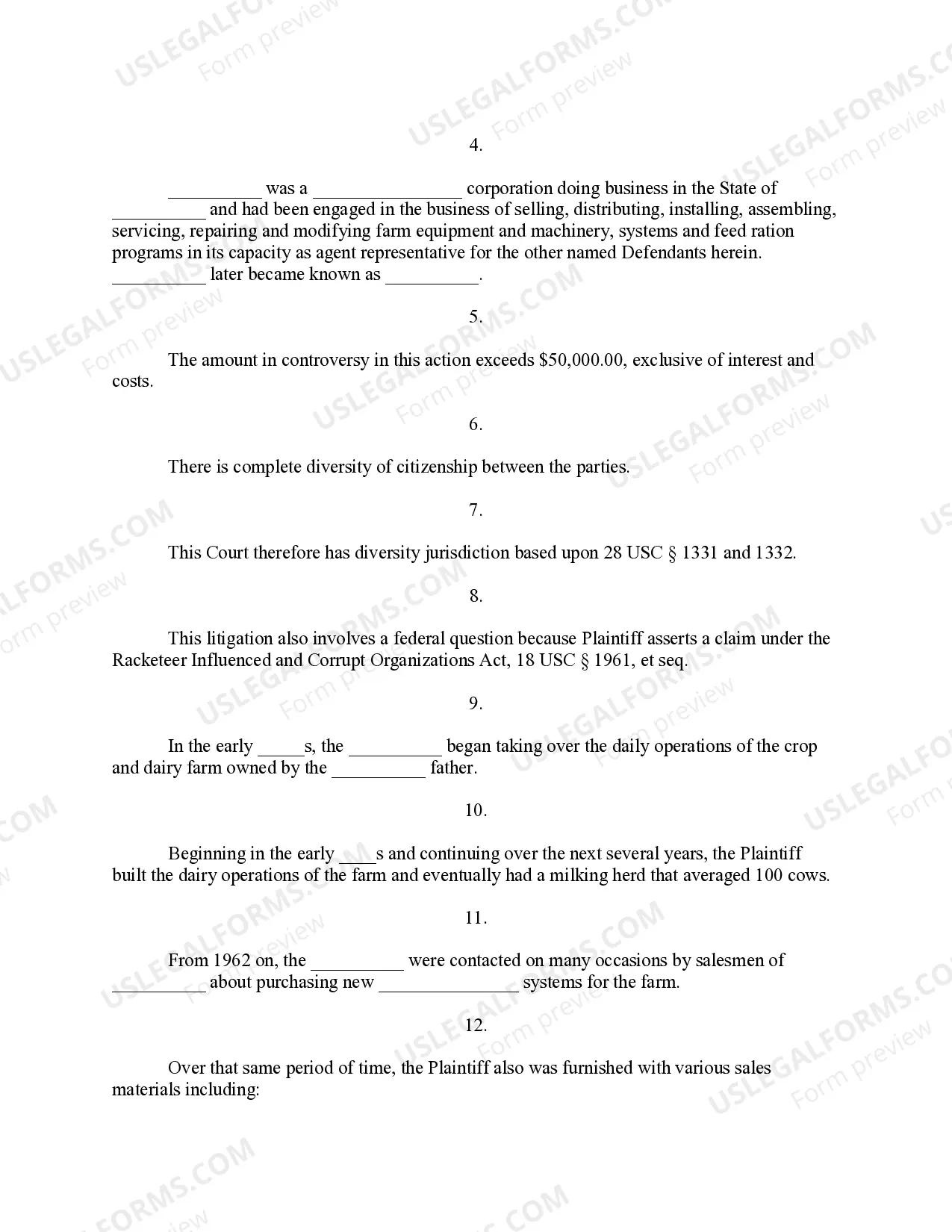
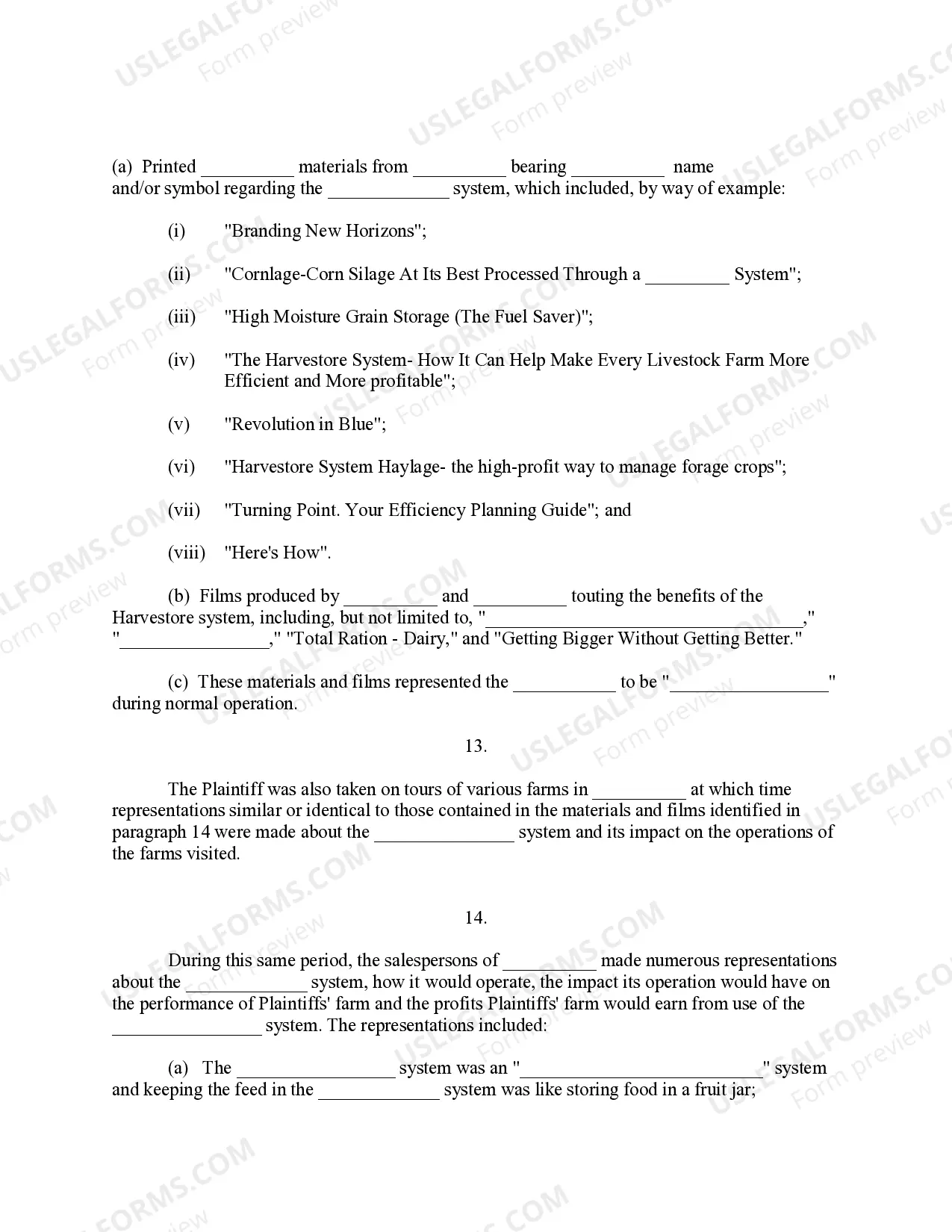
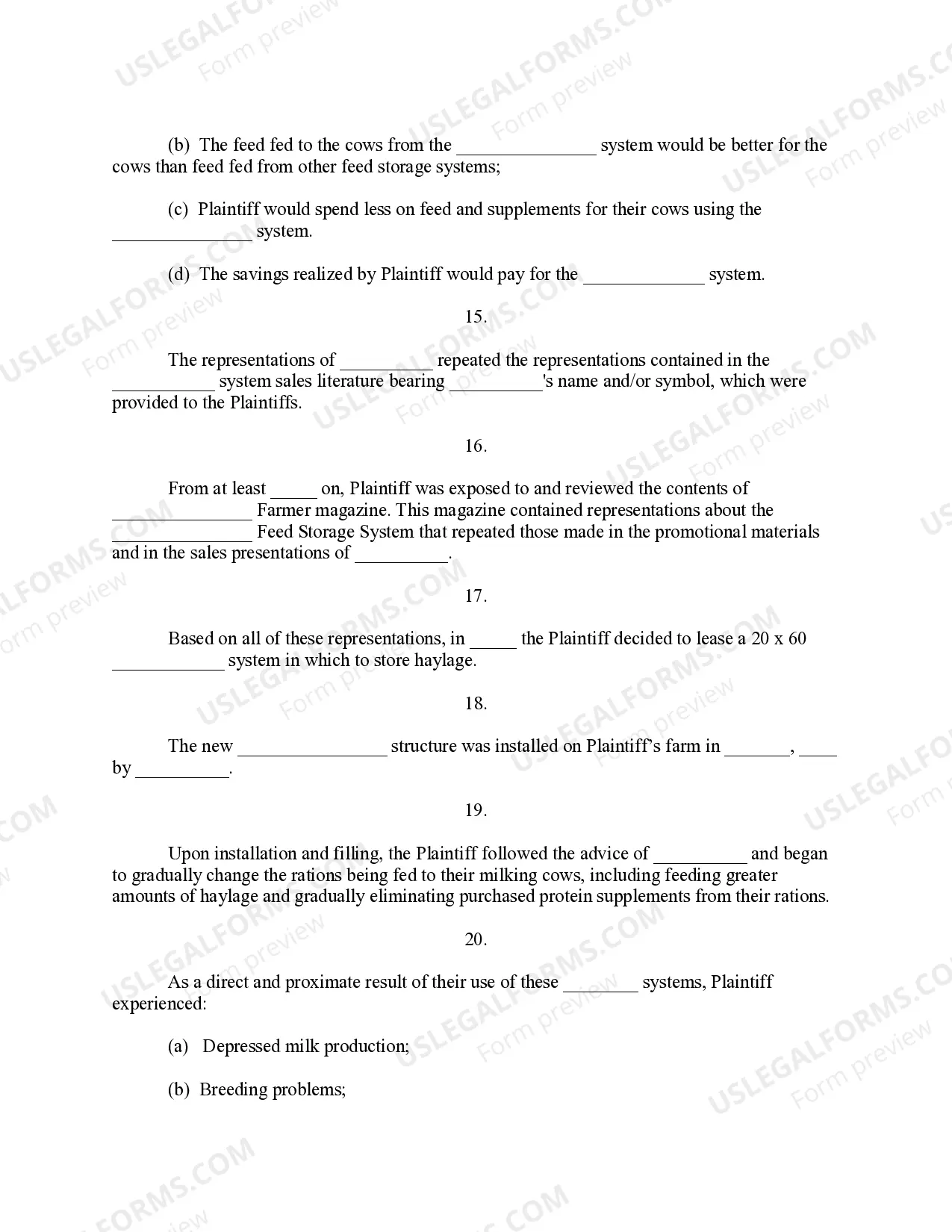
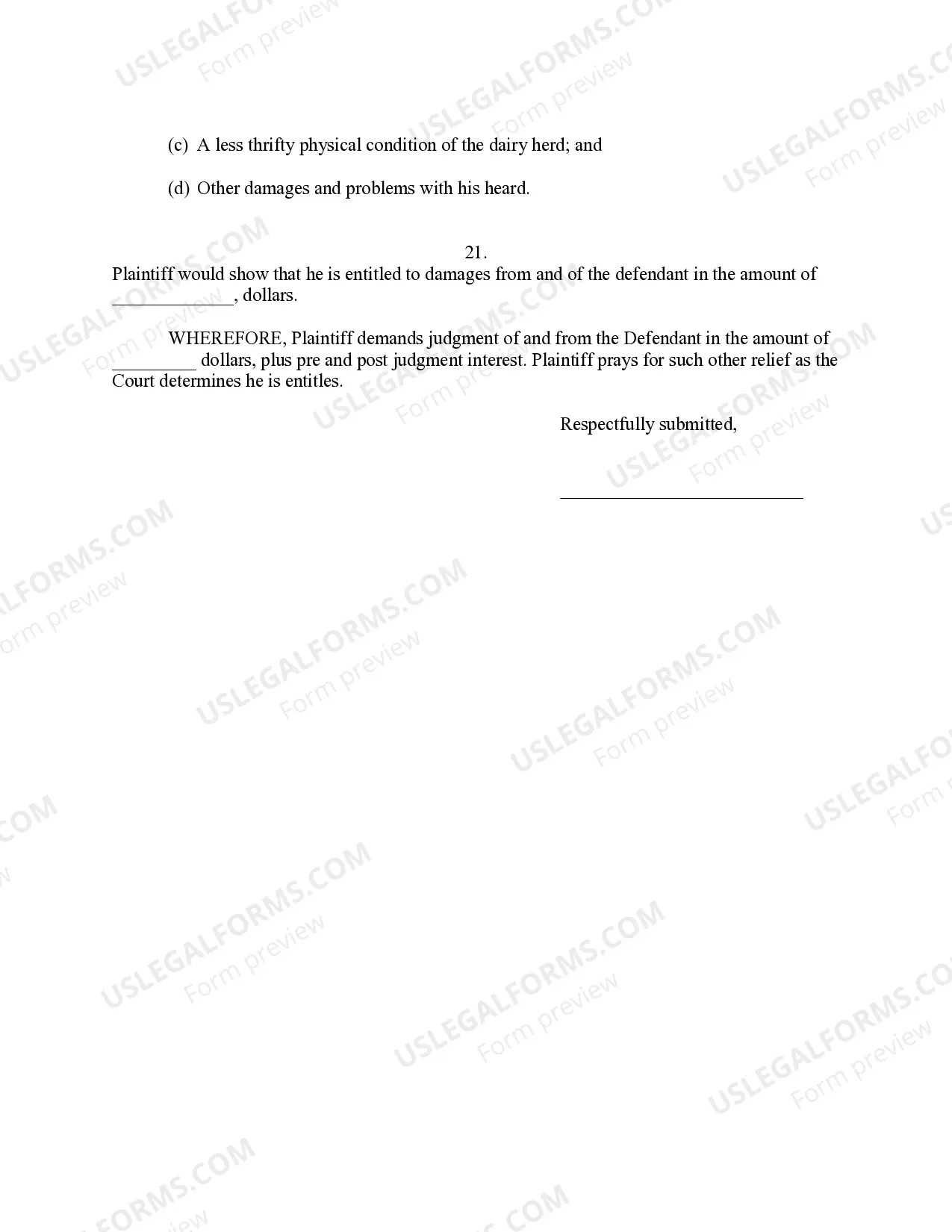


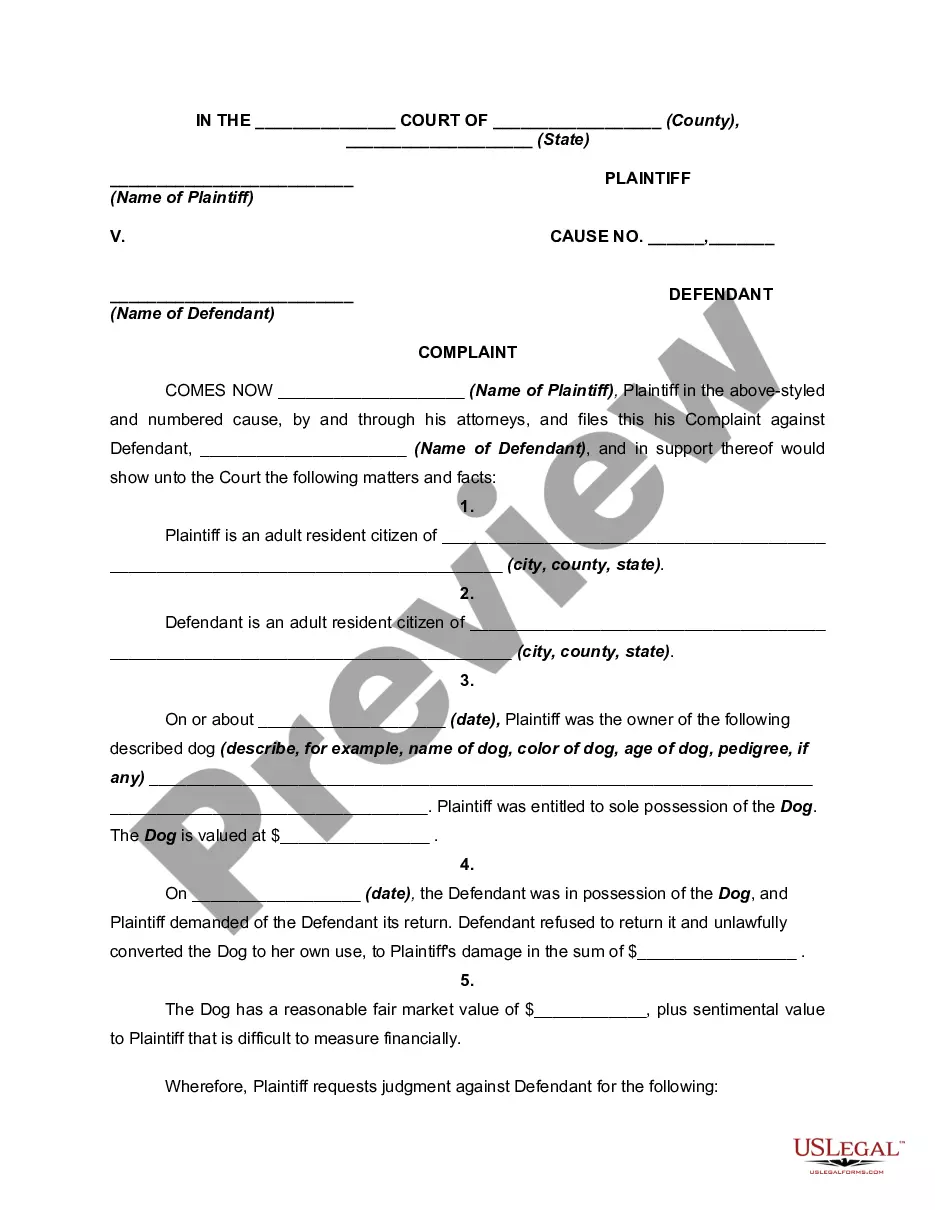
Get your form ready online
Our built-in tools help you complete, sign, share, and store your documents in one place.
Make edits, fill in missing information, and update formatting in US Legal Forms—just like you would in MS Word.
Download a copy, print it, send it by email, or mail it via USPS—whatever works best for your next step.
Sign and collect signatures with our SignNow integration. Send to multiple recipients, set reminders, and more. Go Premium to unlock E-Sign.
If this form requires notarization, complete it online through a secure video call—no need to meet a notary in person or wait for an appointment.
We protect your documents and personal data by following strict security and privacy standards.

Make edits, fill in missing information, and update formatting in US Legal Forms—just like you would in MS Word.

Download a copy, print it, send it by email, or mail it via USPS—whatever works best for your next step.

Sign and collect signatures with our SignNow integration. Send to multiple recipients, set reminders, and more. Go Premium to unlock E-Sign.

If this form requires notarization, complete it online through a secure video call—no need to meet a notary in person or wait for an appointment.

We protect your documents and personal data by following strict security and privacy standards.
Looking for another form?









Form popularity
FAQ
Production. Food production typically starts with farmers, who grow crops or raise animals for meat, dairy, and egg production. Processing. Distribution. Retail. Consumption. Raw materials sourcing. Manufacturing. Distribution.
Generally speaking, there is no minimum acreage for farm tax exemption. There may, however, be specific acreage minimums required to be considered for certain land classifications such as a “greenbelt” property.
Processing and packaging includes cutting, cleaning, packaging, storage, refrigeration, refining, purifying, extracting, milling (of wheat, for example), pasteurisation, pressing, dehydrating, hydrolysis, hydrogenation, heat treatment and fermentation.
Top 10 Most Profitable Small Farm Crops Gourmet Mushrooms (Oyster and Shiitake) ... Microgreens. Heirloom Tomatoes. Garlic. Specialty Herbs (Basil, Mint, Cilantro) ... Strawberries. Ginseng. Lavender.
New Word Suggestion. denoting locally sourced fresh produce supplied direct to customers; same as farm-to-table.
What is the farm to fork strategy? ensure sufficient, affordable and nutritious food within planetary limits. halve the use of pesticides and fertilisers and sales of antimicrobials. increase the amount of land devoted to organic farming. promote more sustainable food consumption and healthy diets.
The food travels from the farmer to a processing center, where that food is collected; then to a regional distribution center and on to the local retailer or restaurant; and then finally to the hungry consumer.
The Farm to Fork Strategy, a central component of the European Green Deal, signifies a significant shift in the EU's approach to food sustainability. Adopted in May 2020, it aims to revolutionise food production, distribution, and consumption to address environmental and public health concerns.
The Farm to Fork Strategy aims to accelerate our transition to a sustainable food system that should: have a neutral or positive environmental impact. help to mitigate climate change and adapt to its impacts.
The farm-to-fork journey includes all the stages your produce goes through, from growing the plants to being eaten in your home. It is important to maintain freshness of the fruits and vegetables and prevent microbial contamination of produce throughout the farm-to-fork journey.
