Torts Form With Decimals In Texas
Description







Get your form ready online
Our built-in tools help you complete, sign, share, and store your documents in one place.
Make edits, fill in missing information, and update formatting in US Legal Forms—just like you would in MS Word.
Download a copy, print it, send it by email, or mail it via USPS—whatever works best for your next step.
Sign and collect signatures with our SignNow integration. Send to multiple recipients, set reminders, and more. Go Premium to unlock E-Sign.
If this form requires notarization, complete it online through a secure video call—no need to meet a notary in person or wait for an appointment.
We protect your documents and personal data by following strict security and privacy standards.

Make edits, fill in missing information, and update formatting in US Legal Forms—just like you would in MS Word.

Download a copy, print it, send it by email, or mail it via USPS—whatever works best for your next step.

Sign and collect signatures with our SignNow integration. Send to multiple recipients, set reminders, and more. Go Premium to unlock E-Sign.

If this form requires notarization, complete it online through a secure video call—no need to meet a notary in person or wait for an appointment.

We protect your documents and personal data by following strict security and privacy standards.
Looking for another form?










Form popularity
FAQ
Answer: 7/10 in decimal form is 0.7.
To make a fraction into a decimal, you divide. For example, 3/4 = 0.75 = 75%, to recycle a recent example. Decimals already stand for fractions. For example, 0.23 means 23 / 100 , and 0.6 means 6/10 or 3/5.
Two hundred seven that's the first name and the last name is where that decimal ends. So what placeMoreTwo hundred seven that's the first name and the last name is where that decimal ends. So what place does that seven sit in well it ends in the thousandths.
Explanation: To convert any fraction to decimal form, we just need to divide the numerator by the denominator. Here the fraction is 3/4 which means we need to divide: 3 ÷ 4. Therefore, 3/4 = 0.75.
Step 1: Write the first number from the given number. Step 2: Add the decimal point after the first number. Step 3: Now, count the number of digits after the first number from the given number and write it in the power of 10. Step 2: Adding the decimal point after 5, it becomes “5.”
Everything so let's jump right into number one where we have two fifths or two over five. So hereMoreEverything so let's jump right into number one where we have two fifths or two over five. So here again divide the numerator by the denominator. So 2/5 and this fraction is less than a whole.
Three and then put a bar above the three to show that that digit repeats So 1/3 equals 0.3 repeatingMoreThree and then put a bar above the three to show that that digit repeats So 1/3 equals 0.3 repeating Now another option when we have a repeating decimal is to round.
1) Line up the decimal points vertically. Fill in any 0's where necessary. 2) Add or subtract the numbers as if they were whole numbers. 3) Place the decimal point in the sum or difference so that it lines up vertically with the numbers being added or subtracted.
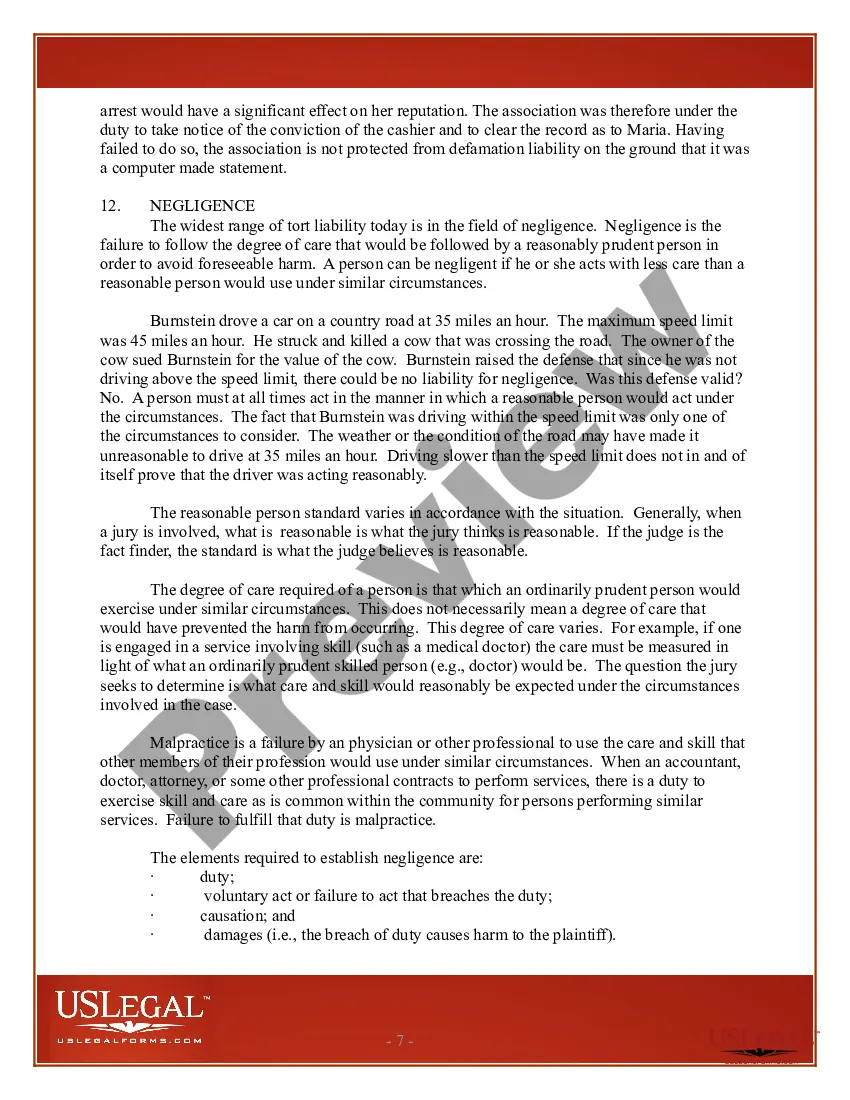
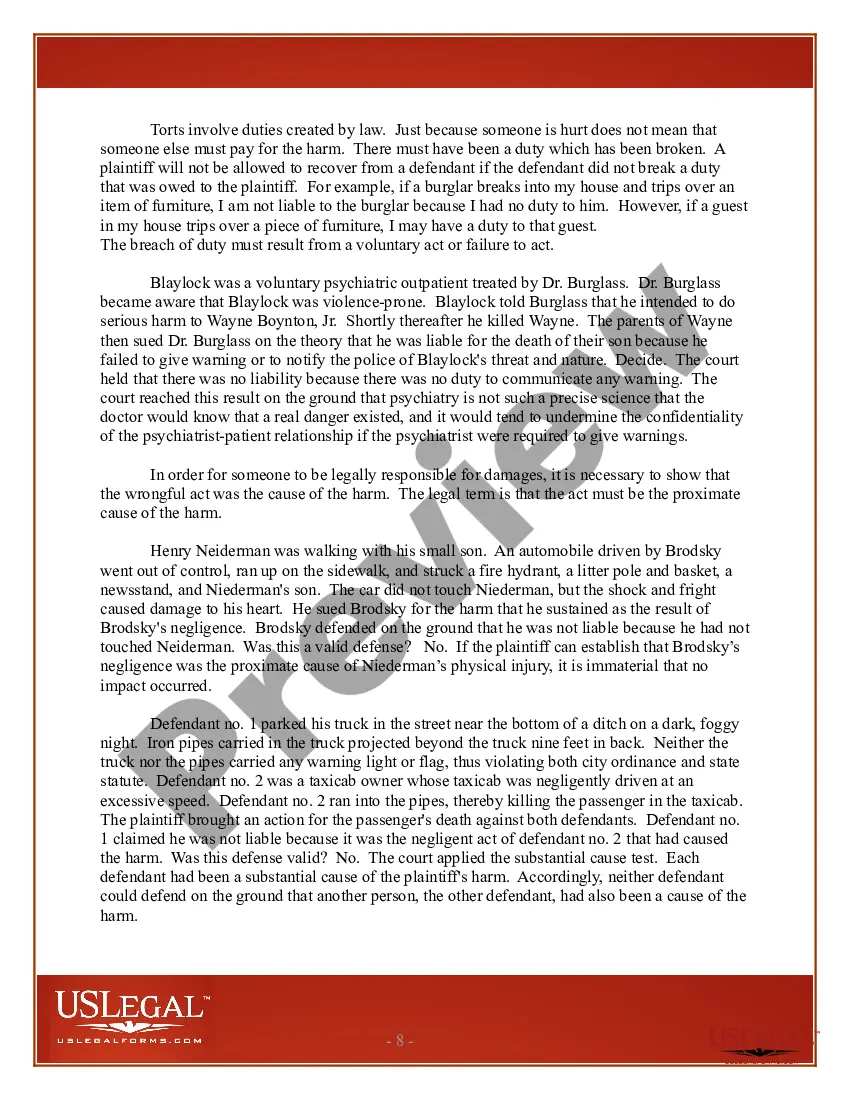
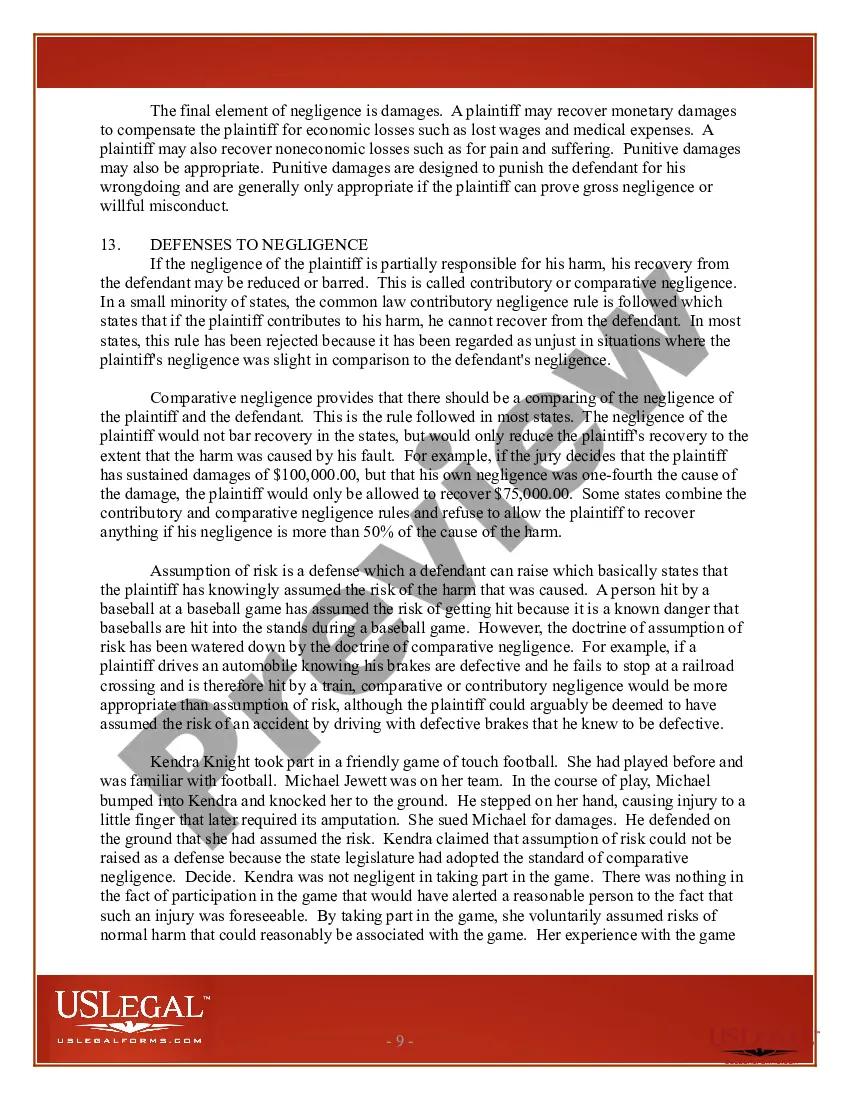
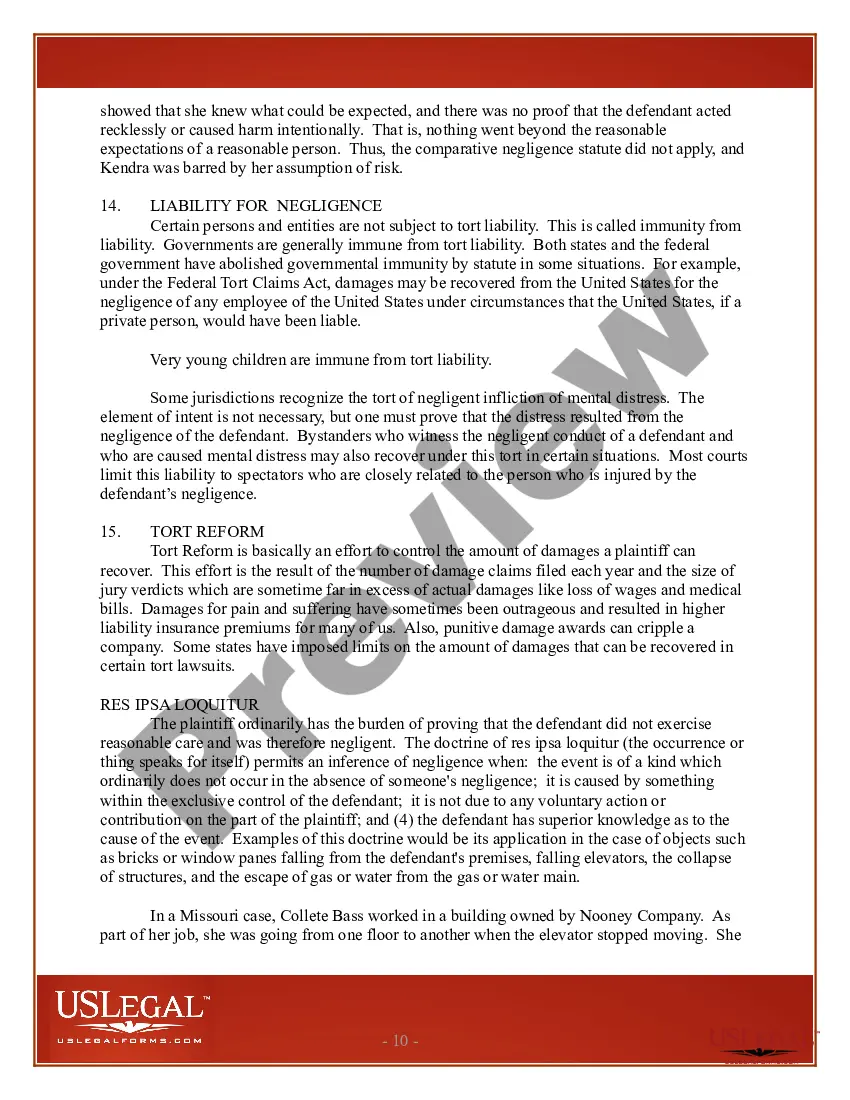
Damage Caps Under the Texas Tort Claims Act Under Section 101.023 of the Texas Civil Practice and Remedies Code, damages for personal injury or death are capped at: $250,000 per person, and. $500,000 per occurrence.
A statute of limitations is a deadline for filing a lawsuit. In most personal injury cases in Texas, you have two years from the accident or the injury date to file a lawsuit. The statute of limitations applies to any civil claim for injury filed in Texas.