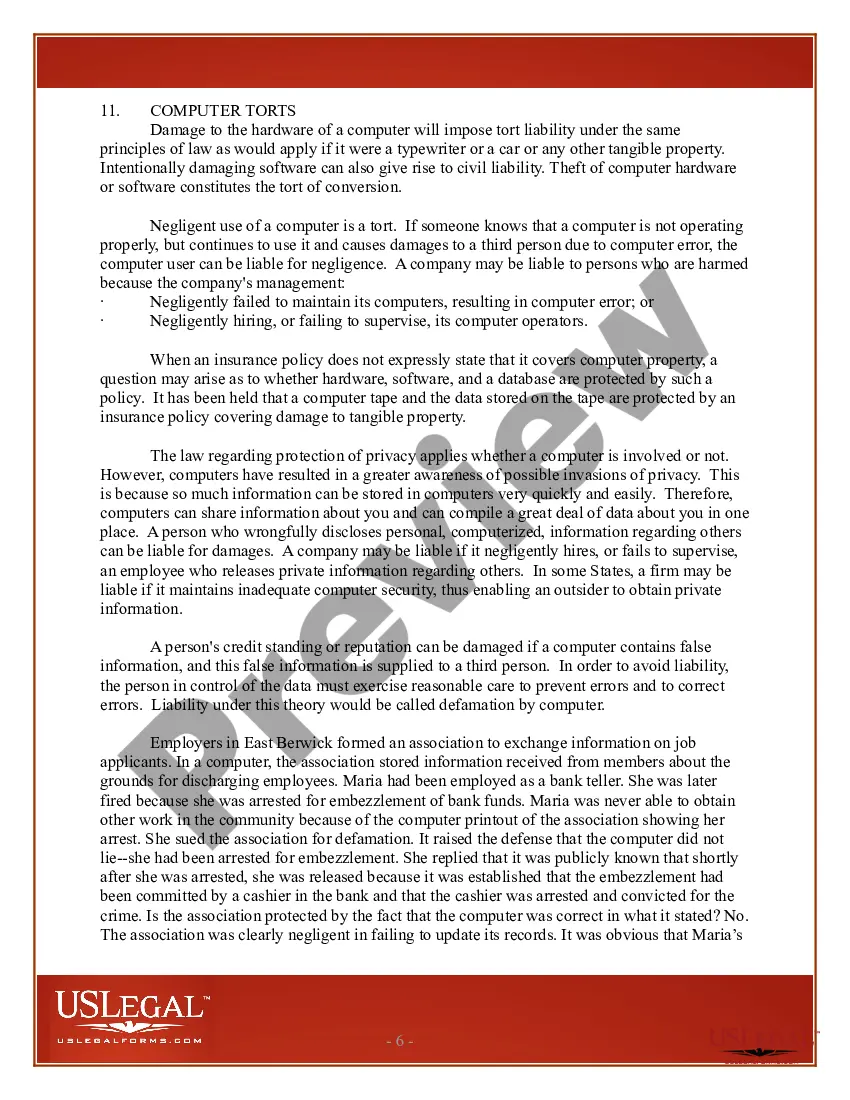
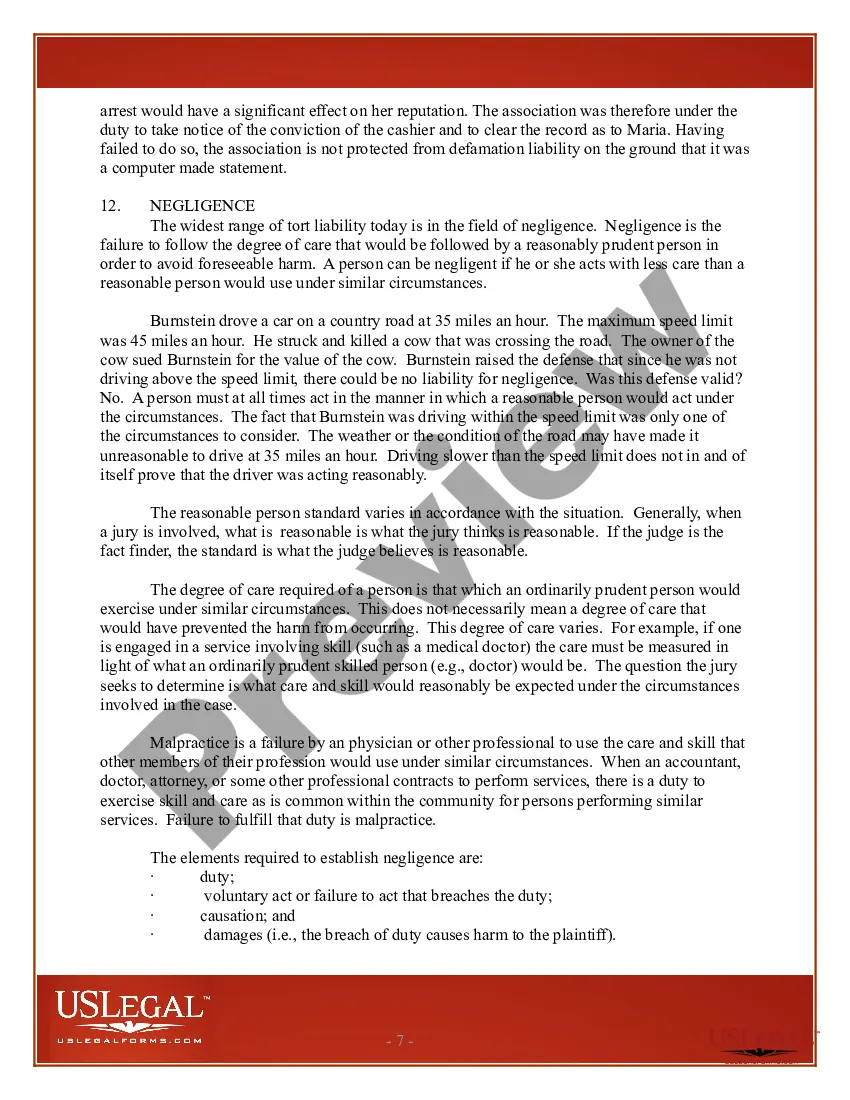
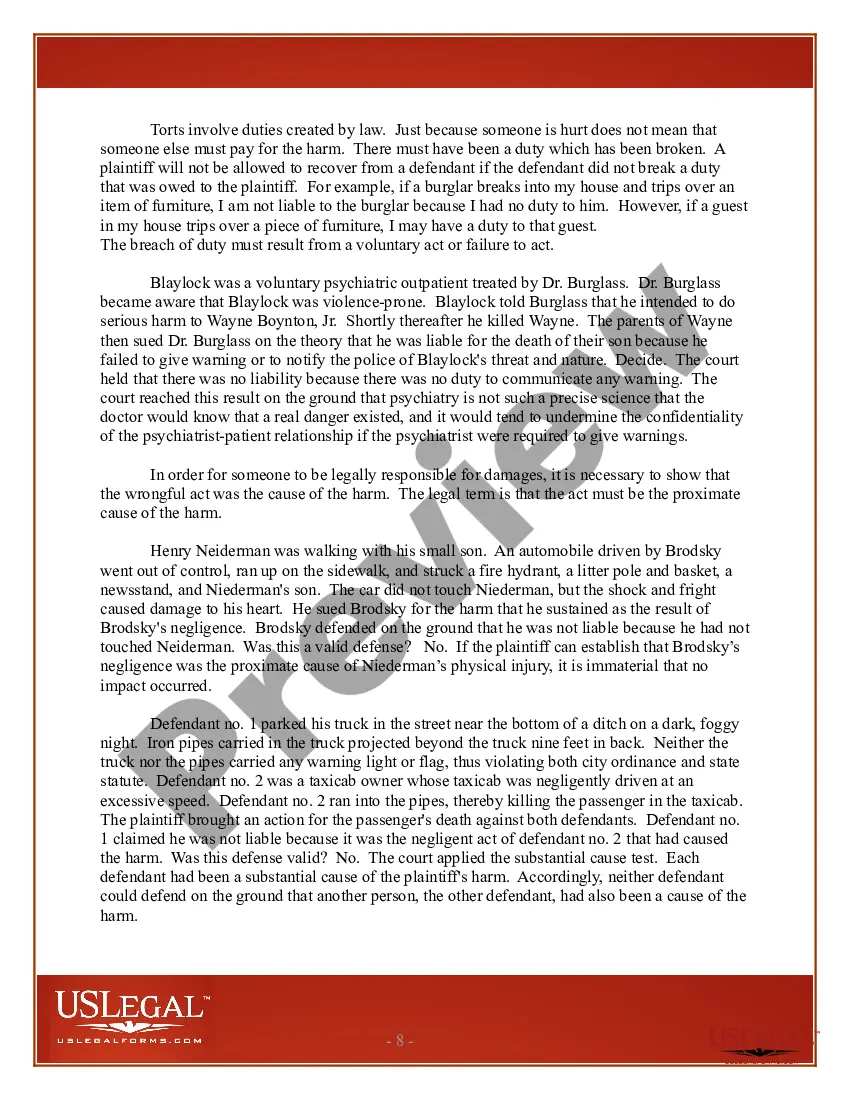
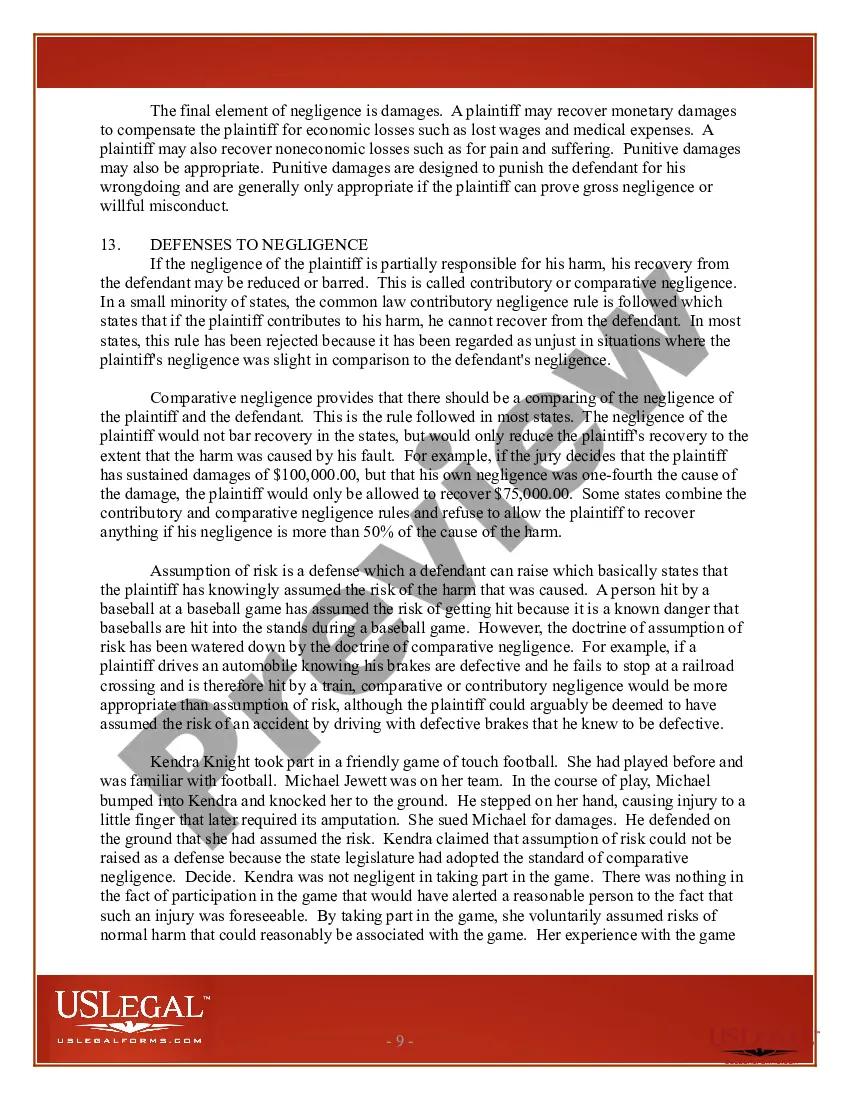
Tort Negligence Liability For Psychiatric Damage In Sacramento
Description





Get your form ready online
Our built-in tools help you complete, sign, share, and store your documents in one place.
Make edits, fill in missing information, and update formatting in US Legal Forms—just like you would in MS Word.
Download a copy, print it, send it by email, or mail it via USPS—whatever works best for your next step.
Sign and collect signatures with our SignNow integration. Send to multiple recipients, set reminders, and more. Go Premium to unlock E-Sign.
If this form requires notarization, complete it online through a secure video call—no need to meet a notary in person or wait for an appointment.
We protect your documents and personal data by following strict security and privacy standards.

Make edits, fill in missing information, and update formatting in US Legal Forms—just like you would in MS Word.

Download a copy, print it, send it by email, or mail it via USPS—whatever works best for your next step.

Sign and collect signatures with our SignNow integration. Send to multiple recipients, set reminders, and more. Go Premium to unlock E-Sign.

If this form requires notarization, complete it online through a secure video call—no need to meet a notary in person or wait for an appointment.

We protect your documents and personal data by following strict security and privacy standards.
Looking for another form?










Form popularity
FAQ
To file a claim under the CTCA, one must provide timely notice, which includes detailed information such as the claimant's name, address, and description of the incident and loss. There's a six-month deadline for filing a claim from the event causing injury.
To file a claim, complete these steps: Complete Standard Form 95. Explain in detail what happened, using additional pages if necessary. Attach all documents that support your claim, which may include the following. Submit the completed Standard Form 95 and supporting documents to the OPM Office of the General Counsel.
Exceptions to immunity The negligent acts of employees; The negligent acts of independent contractors; Premises liability for dangerous conditions on government property; and. When damages are caused by the public entities' failure to carry out a duty imposed by law.
While litigation privilege offers wide-ranging protection, it's not absolute. There are certain exceptions and limitations, such as: The privilege does not extend to crimes or acts of fraud unrelated to the judicial proceedings. Statements that are not pertinent or relevant to the litigation might not be covered.
Negligence Torts This usually involves car accidents, slip and fall accidents, or medical malpractice. To succeed in a negligence claim, you must prove duty, breach, causation, and damages.
Sovereign Immunity in California The California Tort Claims Act lists exceptions to sovereign immunity in which the government can be held liable for the harm that they cause. This gives people the option to pursue damages in cases of gross negligence or corruption.
§ 2680 . These exceptions stipulate that the federal government will not be held liable for the claims against its employees arising out of assault, battery, false imprisonment, false arrest, malicious prosecution, abuse of process, libel, slander, misrepresentation, deceit, or interference with contract rights.
In its 1968 decision of Dillon . Legg, the California Supreme Court rejected the majority rule and permitted a bystander who had not been in the zone of physical danger to be compensated for negligent infliction of mental distress.
Negligent Infliction of Emotional Distress: Overview The tort of NIED may apply to situations where someone suffers some mental or emotional harm. The harm, such as shock or trauma, must result from the negligence of another. This does not apply when the distress is a direct result of a physical injury.
Thankfully, in order to prove negligence and claim damages, a claimant has to prove a number of elements to the court. These are: the defendant owed them a duty of care. the defendant breached that duty of care, and.
