Tort Negligence Liability Without Fault In Queens
Description





Get your form ready online
Our built-in tools help you complete, sign, share, and store your documents in one place.
Make edits, fill in missing information, and update formatting in US Legal Forms—just like you would in MS Word.
Download a copy, print it, send it by email, or mail it via USPS—whatever works best for your next step.
Sign and collect signatures with our SignNow integration. Send to multiple recipients, set reminders, and more. Go Premium to unlock E-Sign.
If this form requires notarization, complete it online through a secure video call—no need to meet a notary in person or wait for an appointment.
We protect your documents and personal data by following strict security and privacy standards.

Make edits, fill in missing information, and update formatting in US Legal Forms—just like you would in MS Word.

Download a copy, print it, send it by email, or mail it via USPS—whatever works best for your next step.

Sign and collect signatures with our SignNow integration. Send to multiple recipients, set reminders, and more. Go Premium to unlock E-Sign.

If this form requires notarization, complete it online through a secure video call—no need to meet a notary in person or wait for an appointment.

We protect your documents and personal data by following strict security and privacy standards.
Looking for another form?








Form popularity
FAQ
File in person: Visit our office located at 100 Church Street, 10th Fl., New York, NY 10007, open from 9am to 5 pm. No appointment is necessary to file a complaint. Go to any Police Station: File a complaint at any precinct or pick up a CCRB complaint form and mail it to our office.
The law requires that property owners file a notice of claim with the Comptroller's Office before they file a lawsuit in court. The law also allows the Comptroller's Office to investigate and evaluate these claims, and to offer an early settlement of these potential lawsuits when the City is liable for the damages.
A lawsuit against the State of New York may only be filed in the Court of Claims. First, however, you must file a Notice of Claim with the State (see Court of Claims Act §10).
A Notice of Intention to File a Claim is an optional document that a potential claimant may serve upon the defendant to extend the time period to serve and file a claim.
Complete a no fault application – You must complete your claim in writing. You can ask your insurance company for the form or download it. You only have 30 days from the date of the crash to file the application with your insurance company, so you can't delay.
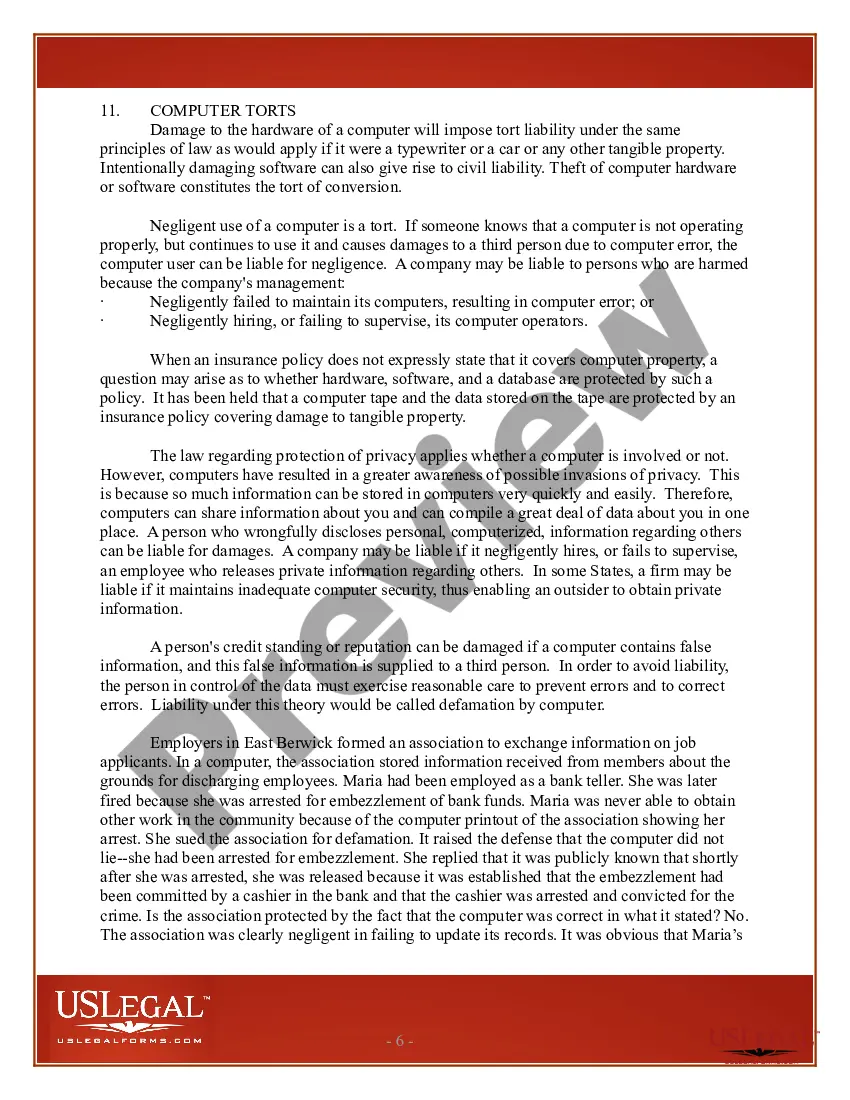
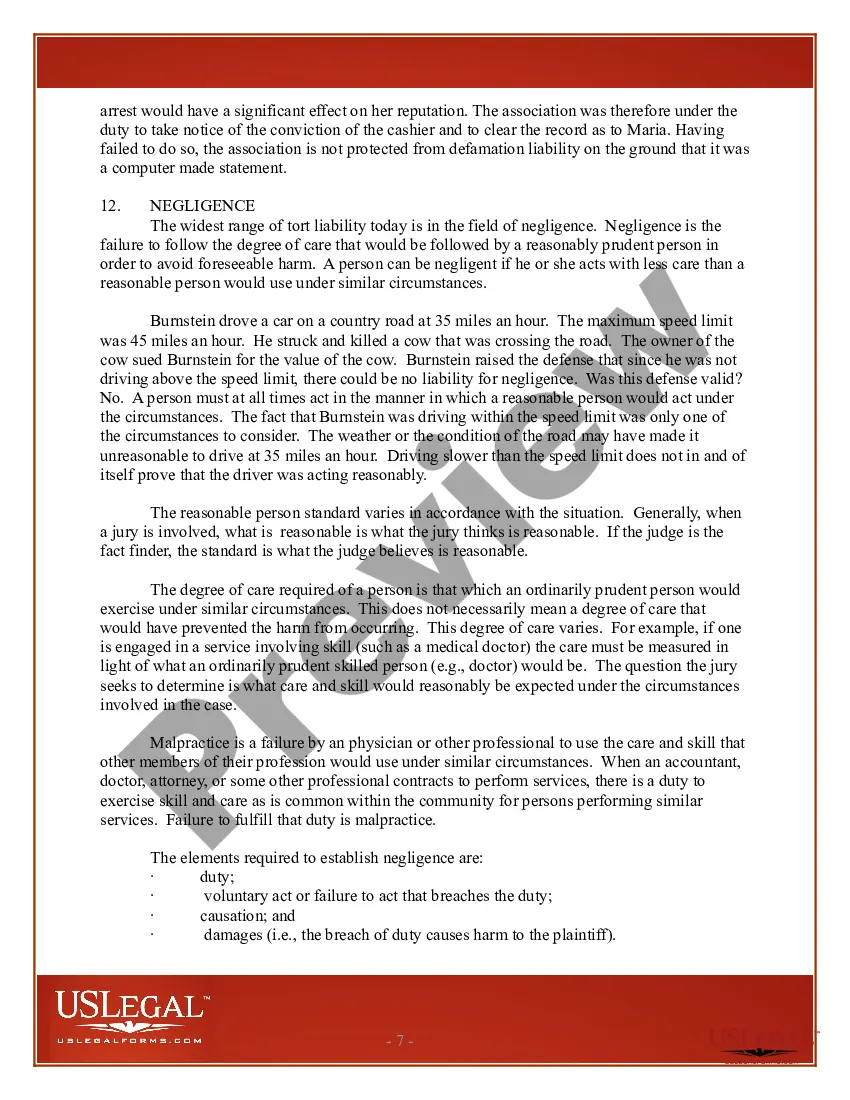
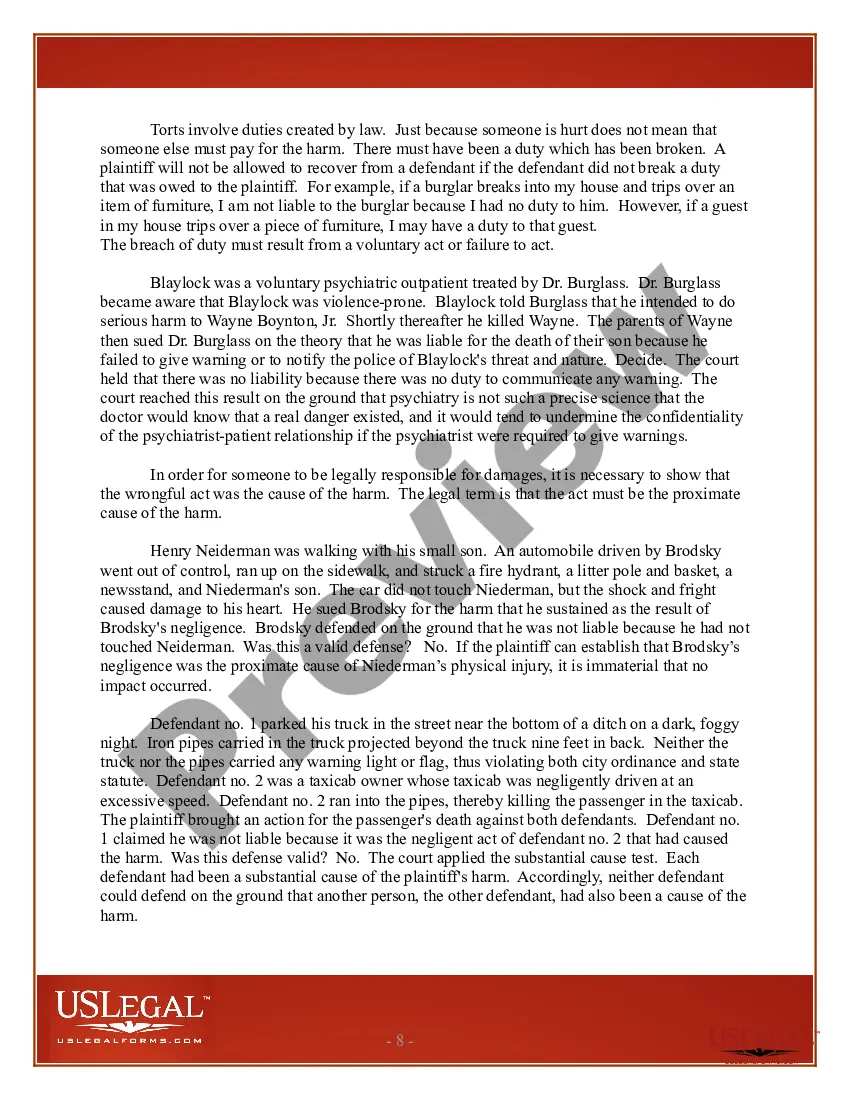
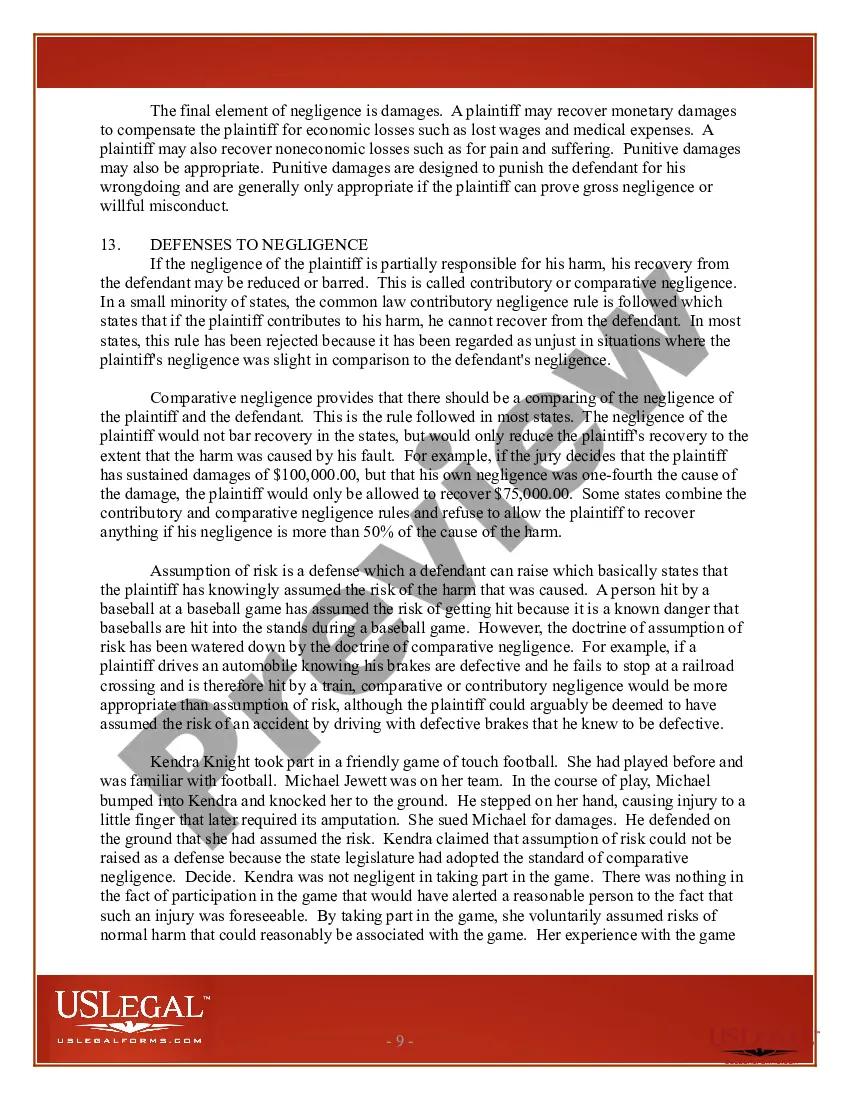
Four Elements Required to Prove Negligence Duty of care. Breach of duty. Causation. Damages.
While seemingly straightforward, the concept of negligence itself can also be broken down into four types of negligence: gross negligence, comparative negligence, contributory negligence, and vicarious negligence or vicarious liability. Gross negligence refers to a more serious form of negligent conduct.
An important consequence of the fact that negligence necessarily involves wrong in the doing, but not in the doer, is that in some of its applications liability for negligence may be strict in the sense that it is imposed on defendants who should not be blamed for failing to have exercised reasonable care.
These legal elements include a professional duty owed to a patient, breach of duty, proximate cause or causal con- nection elicited by a breach of duty, and resulting in- juries or damages suffered. 1 These 4 elements apply to all cases of negligence regardless of specialty or clin- ician level.
Under California law, there are four legal principles of negligence required for a claim include duty of care, breach of duty of care, causation, and damages.
