Washington State Tort Claim Form With State In Phoenix
Description





Get your form ready online
Our built-in tools help you complete, sign, share, and store your documents in one place.
Make edits, fill in missing information, and update formatting in US Legal Forms—just like you would in MS Word.
Download a copy, print it, send it by email, or mail it via USPS—whatever works best for your next step.
Sign and collect signatures with our SignNow integration. Send to multiple recipients, set reminders, and more. Go Premium to unlock E-Sign.
If this form requires notarization, complete it online through a secure video call—no need to meet a notary in person or wait for an appointment.
We protect your documents and personal data by following strict security and privacy standards.

Make edits, fill in missing information, and update formatting in US Legal Forms—just like you would in MS Word.

Download a copy, print it, send it by email, or mail it via USPS—whatever works best for your next step.

Sign and collect signatures with our SignNow integration. Send to multiple recipients, set reminders, and more. Go Premium to unlock E-Sign.

If this form requires notarization, complete it online through a secure video call—no need to meet a notary in person or wait for an appointment.

We protect your documents and personal data by following strict security and privacy standards.
Looking for another form?







Form popularity
FAQ
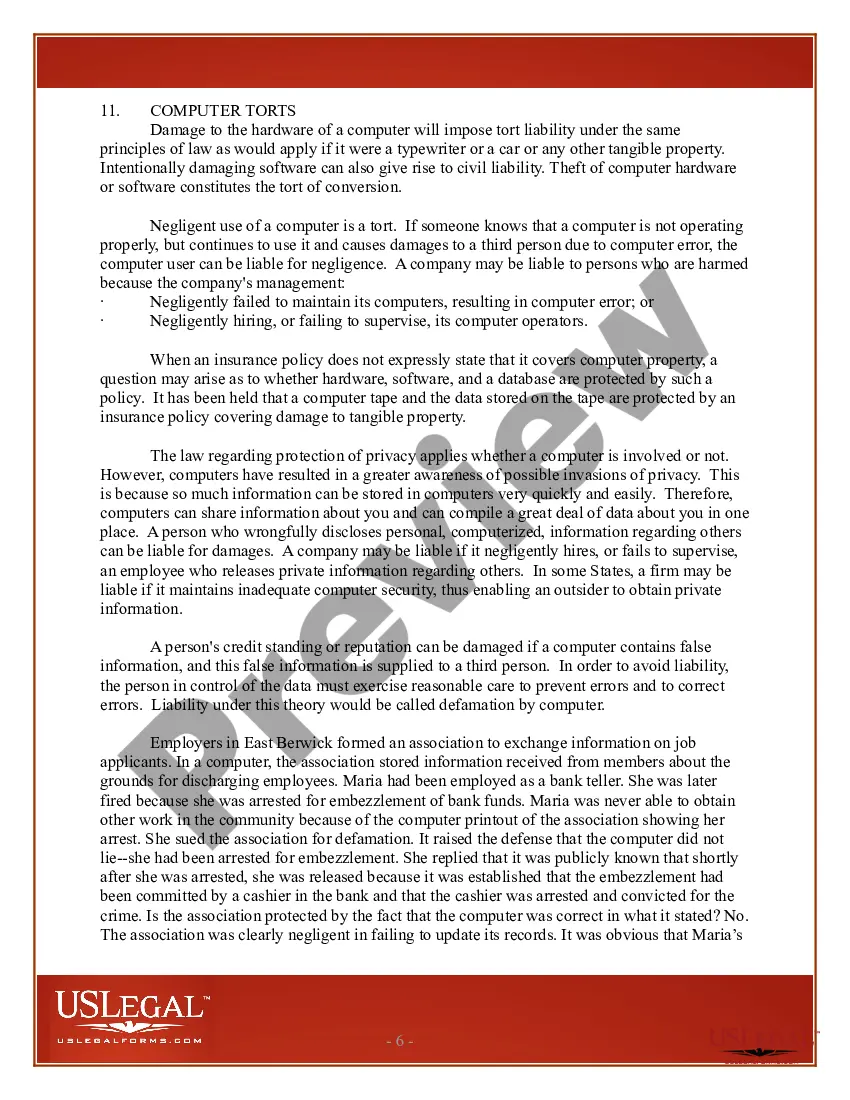
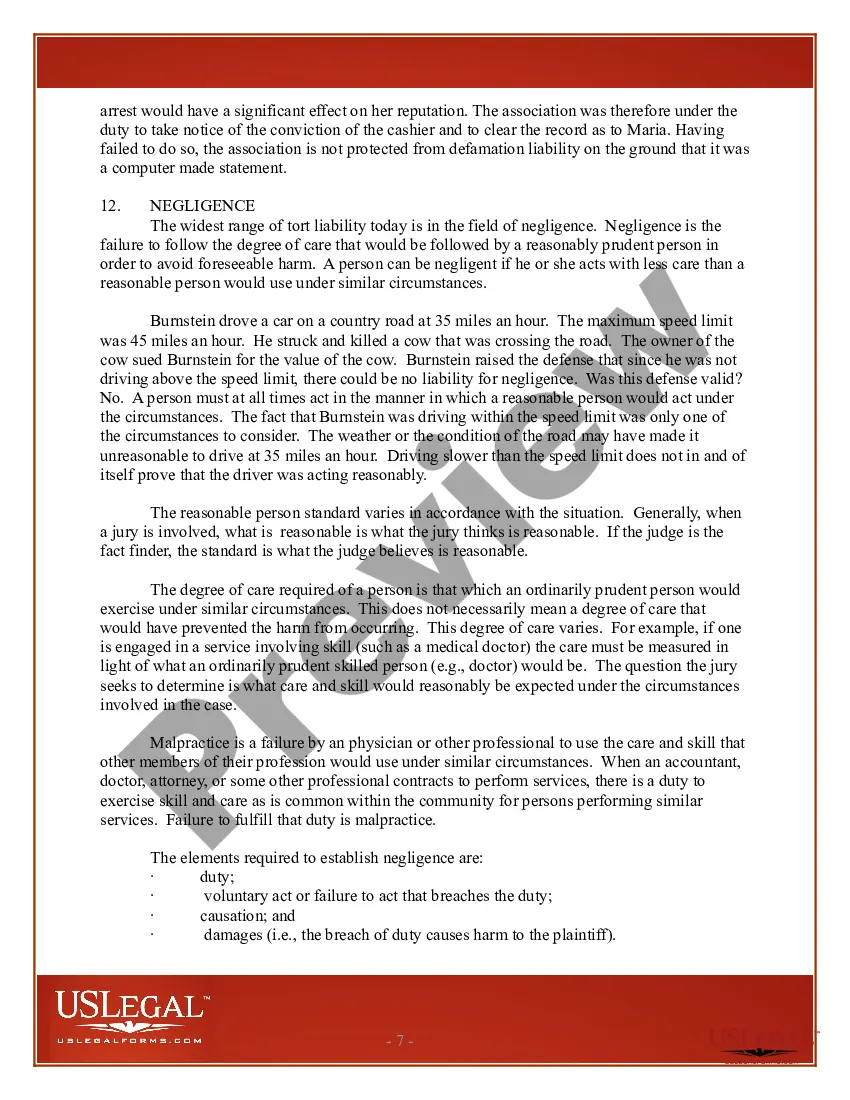
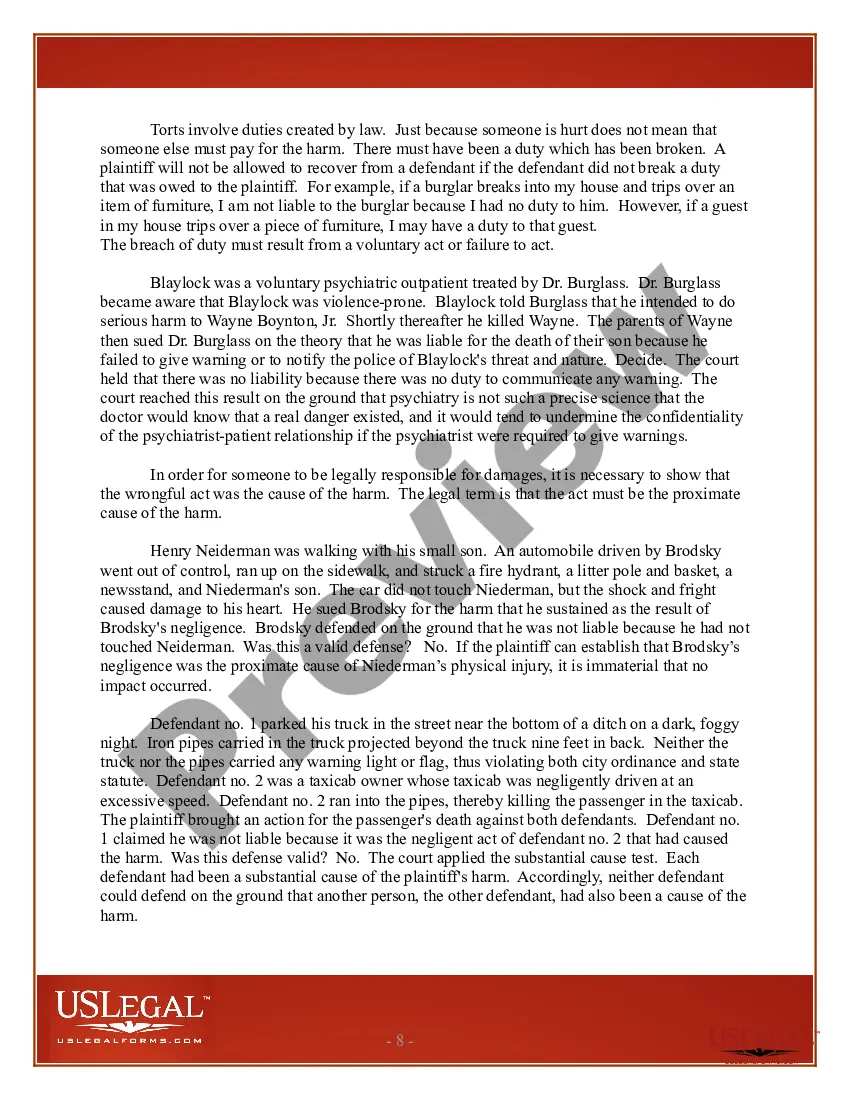
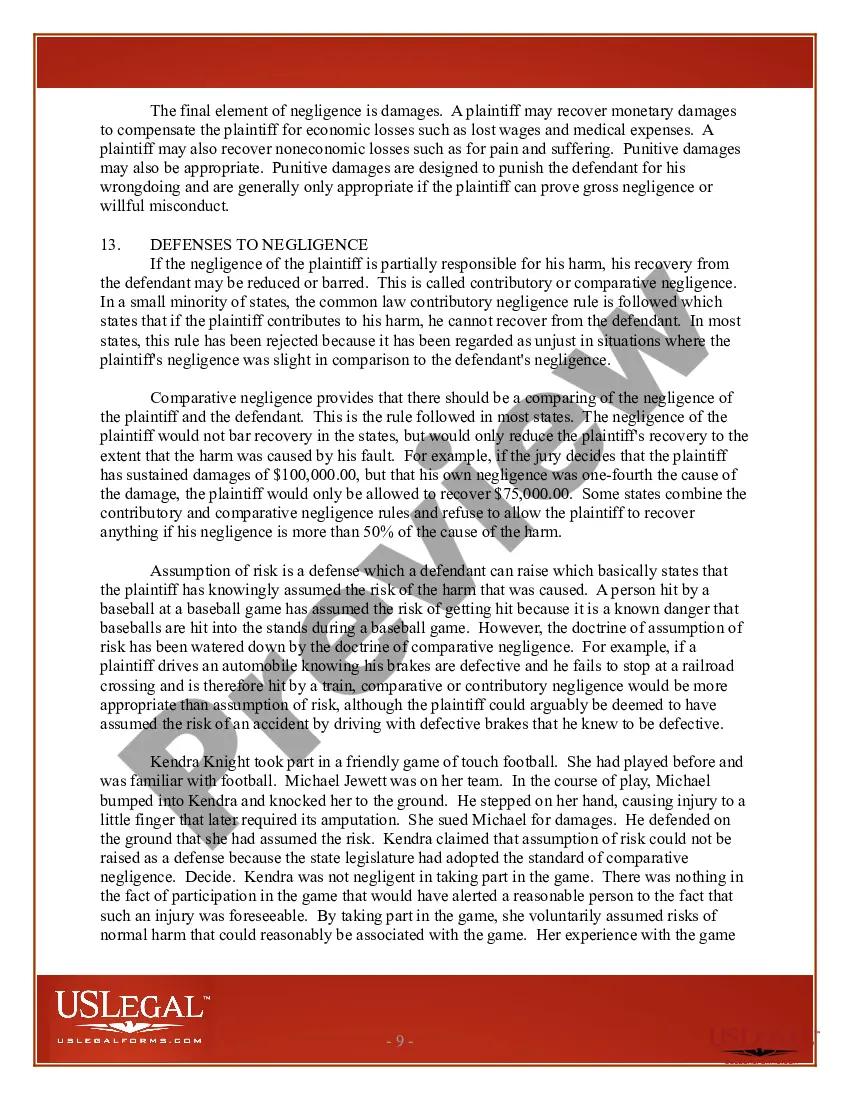
Negligence Torts To succeed in a negligence claim, you must prove duty, breach, causation, and damages.
The Federal Tort Claims Act (FTCA) is federal legislation enacted in 1946 that provides a legal means for compensating individuals who have suffered personal injury, death, or property loss or damage caused by the negligent or wrongful act or omission of an employee of the federal government.
To file a claim, complete these steps: Complete Standard Form 95. Explain in detail what happened, using additional pages if necessary. Attach all documents that support your claim, which may include the following. Submit the completed Standard Form 95 and supporting documents to the OPM Office of the General Counsel.
Tort claims in Arizona are legal actions that seek formal or informal resolution for wrongful action or wrongful inaction. This implies that it could be addressed in the appropriate court of law or out of it.
From this perspective, to make a claim in tort a claimant must show that they have (or had) a right, exercisable against the defendant, that has been infringed. However, the claimant's right is not a right exercisable against the defendant as it is not a property right (which is exercisable against the world).
In order to state a valid claim, the claimant must demonstrate that (1) he was injured or his property was damaged by a federal government employee; (2) the employee was acting within the scope of his official duties; (3) the employee was acting negligently or wrongfully; and (4) the negligent or wrongful act ...
Negligence Torts This usually involves car accidents, slip and fall accidents, or medical malpractice. To succeed in a negligence claim, you must prove duty, breach, causation, and damages.
Filing a Claim Alternatively, you may provide written notification (such as a letter) detailing: 1) the allegation(s), 2) sum certain (total dollar amount claimed in damages), and 3) an original signature of the claimant(s). You should also include all documentation supporting your claim.
