Tort Negligence Liability For Psychiatric Damage In North Carolina
Description

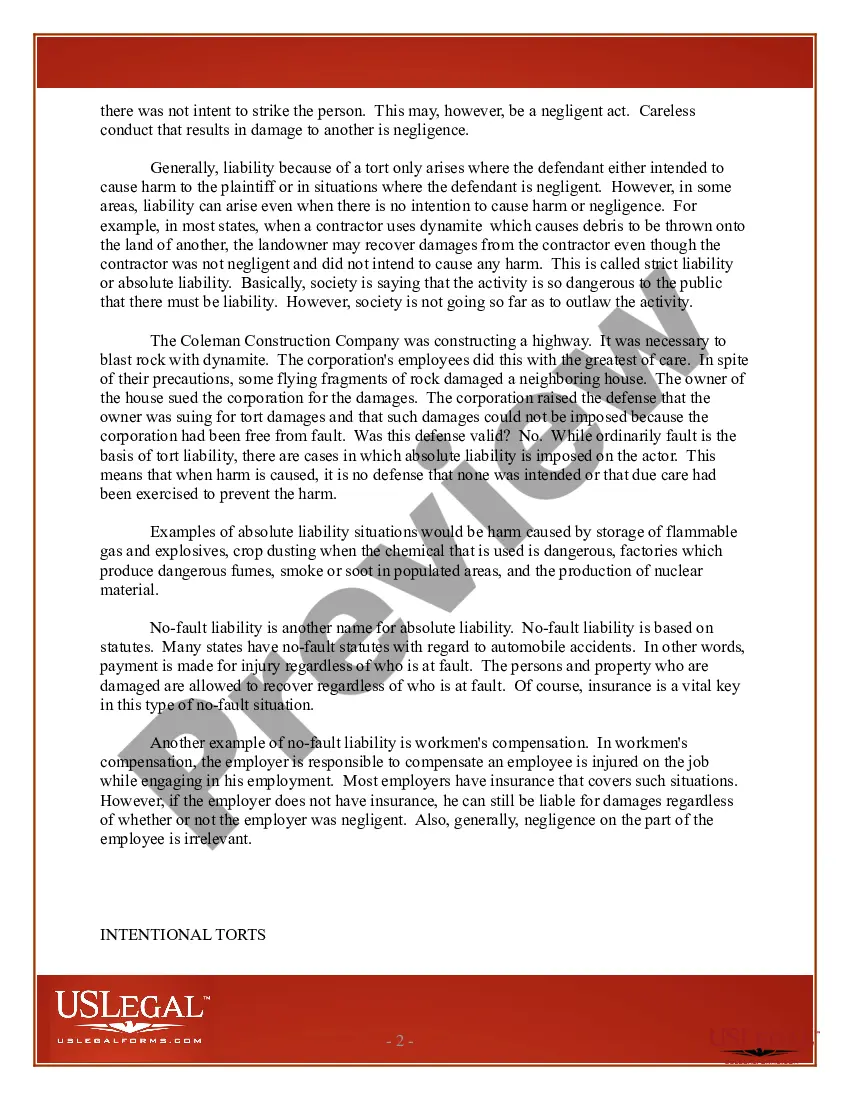
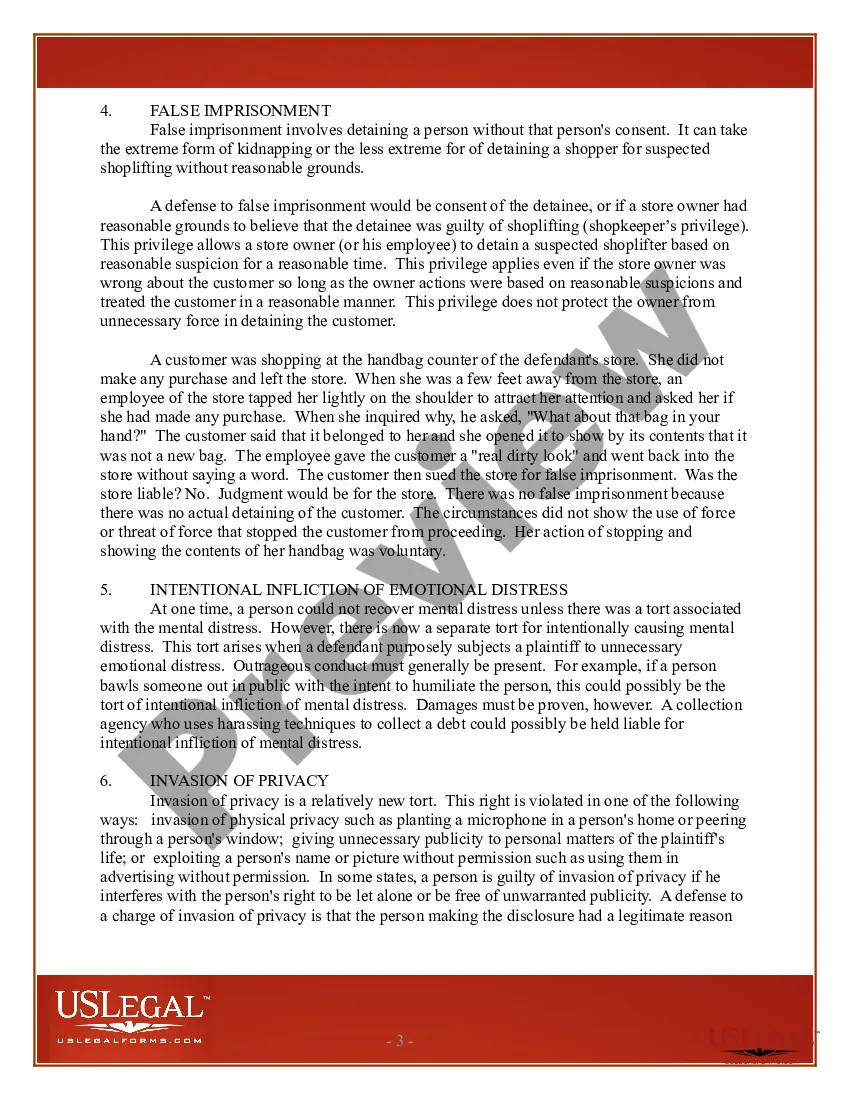
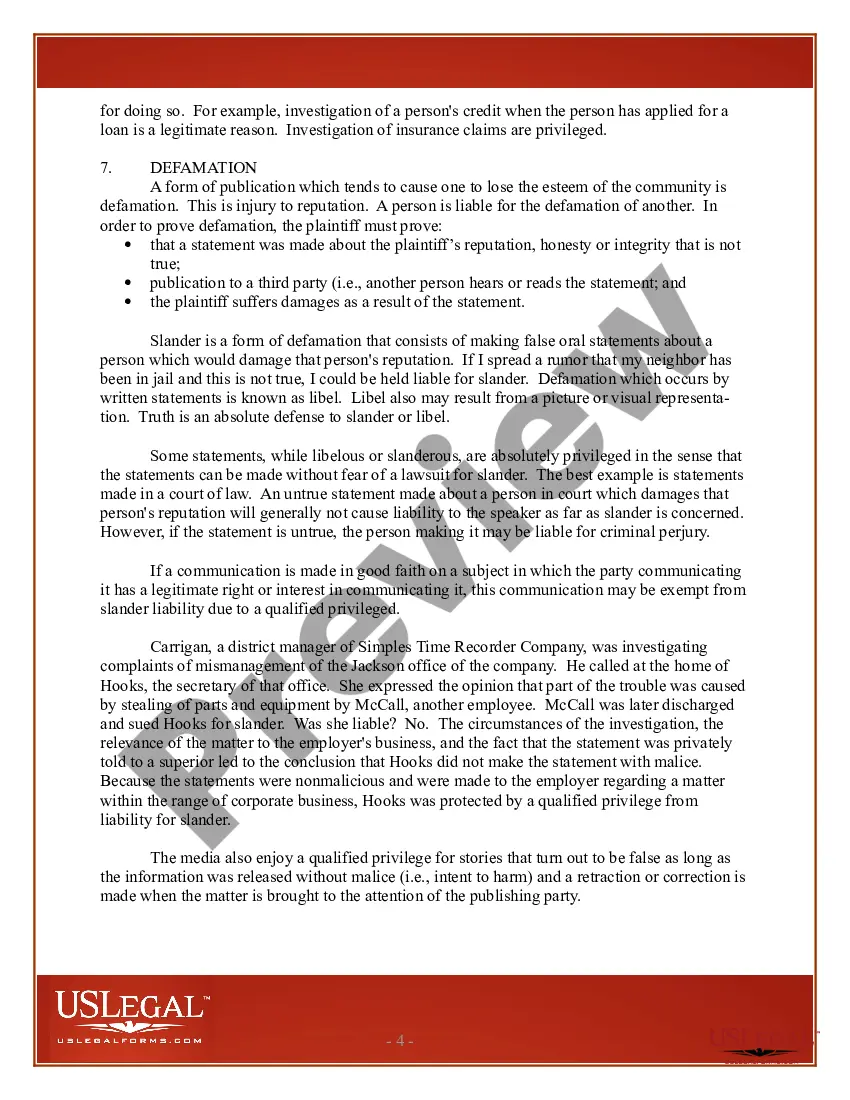
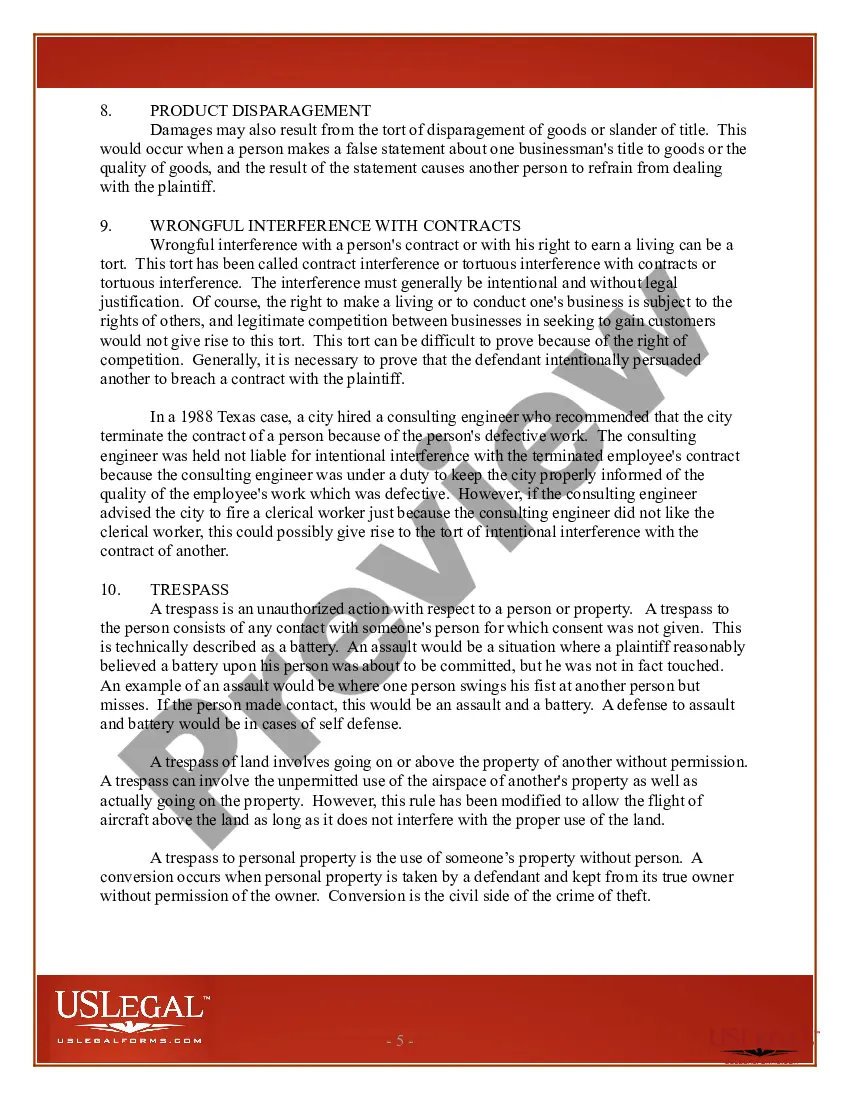
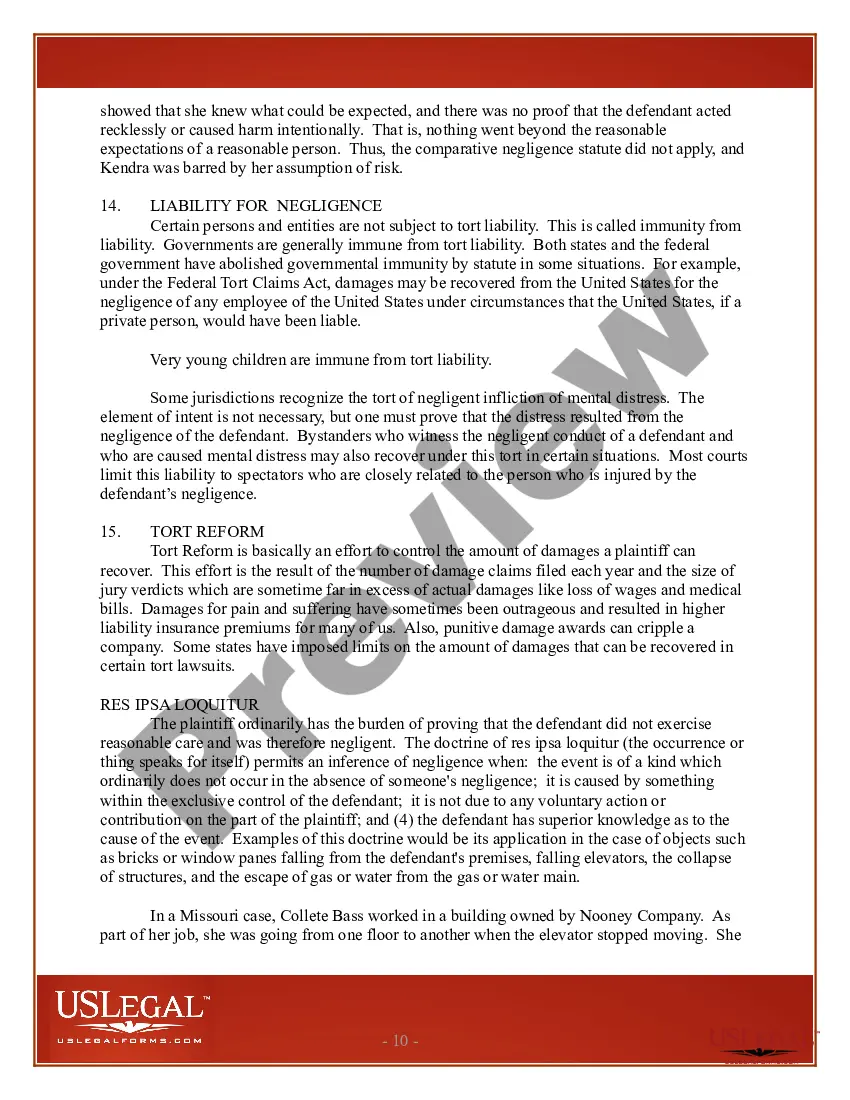




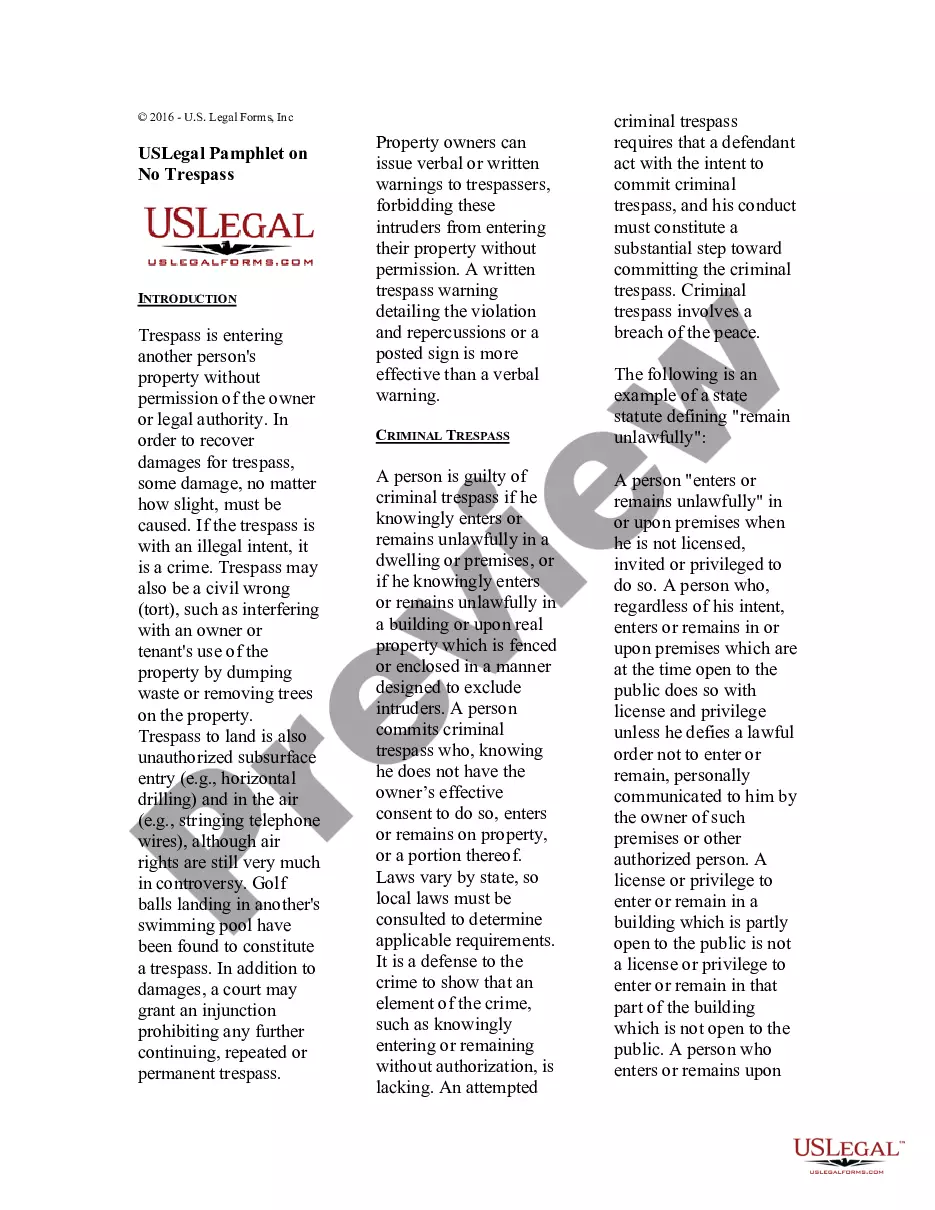
Get your form ready online
Our built-in tools help you complete, sign, share, and store your documents in one place.
Make edits, fill in missing information, and update formatting in US Legal Forms—just like you would in MS Word.
Download a copy, print it, send it by email, or mail it via USPS—whatever works best for your next step.
Sign and collect signatures with our SignNow integration. Send to multiple recipients, set reminders, and more. Go Premium to unlock E-Sign.
If this form requires notarization, complete it online through a secure video call—no need to meet a notary in person or wait for an appointment.
We protect your documents and personal data by following strict security and privacy standards.

Make edits, fill in missing information, and update formatting in US Legal Forms—just like you would in MS Word.

Download a copy, print it, send it by email, or mail it via USPS—whatever works best for your next step.

Sign and collect signatures with our SignNow integration. Send to multiple recipients, set reminders, and more. Go Premium to unlock E-Sign.

If this form requires notarization, complete it online through a secure video call—no need to meet a notary in person or wait for an appointment.

We protect your documents and personal data by following strict security and privacy standards.
Looking for another form?






Form popularity
FAQ
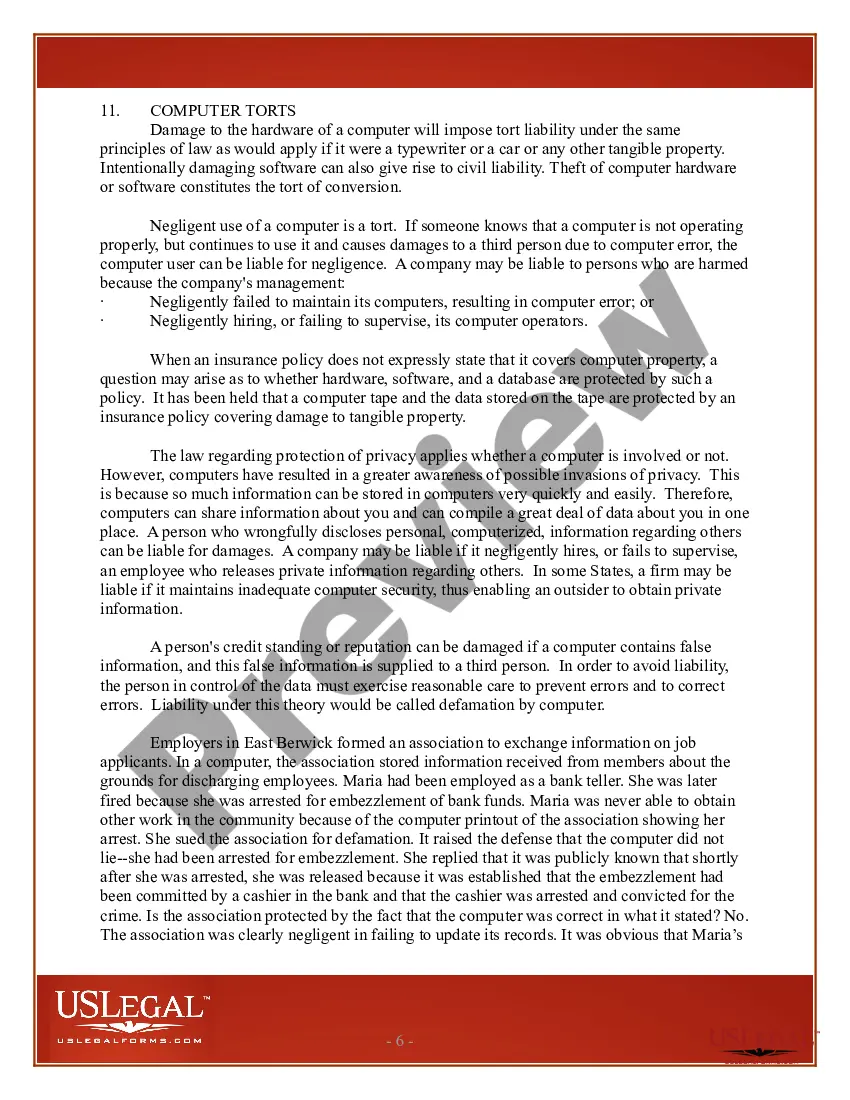
Suing for emotional distress may be an option for some individuals, but it's a complicated process. One of the core problems with suing for emotional distress is that it's hard to put a financial value on what you're experiencing.
In North Carolina, a person is liable for the intentional infliction of emotional distress when that person (1) engages in extreme and outrageous conduct; (2) the conduct was intended to cause severe emotional distress to another person; and (3) the conduct does in fact cause severe emotional distress to another person ...
Plaintiffs without legal representation may file all documents with the Office of the Clerk of the Commission via the Commission's Electronic Document Filing Portal ("EDFP") or by sending the documents to the Clerk of the Industrial Commission via electronic mail (dockets@ic.nc), facsimile, U.S. Mail, private ...
What Is Emotional Distress? Emotional distress is a legal concept used to describe a type of mental anguish or suffering that an individual feels at the hands of another. U.S. courts recognize emotional distress as a type of damage that can be awarded to a plaintiff via a civil lawsuit.
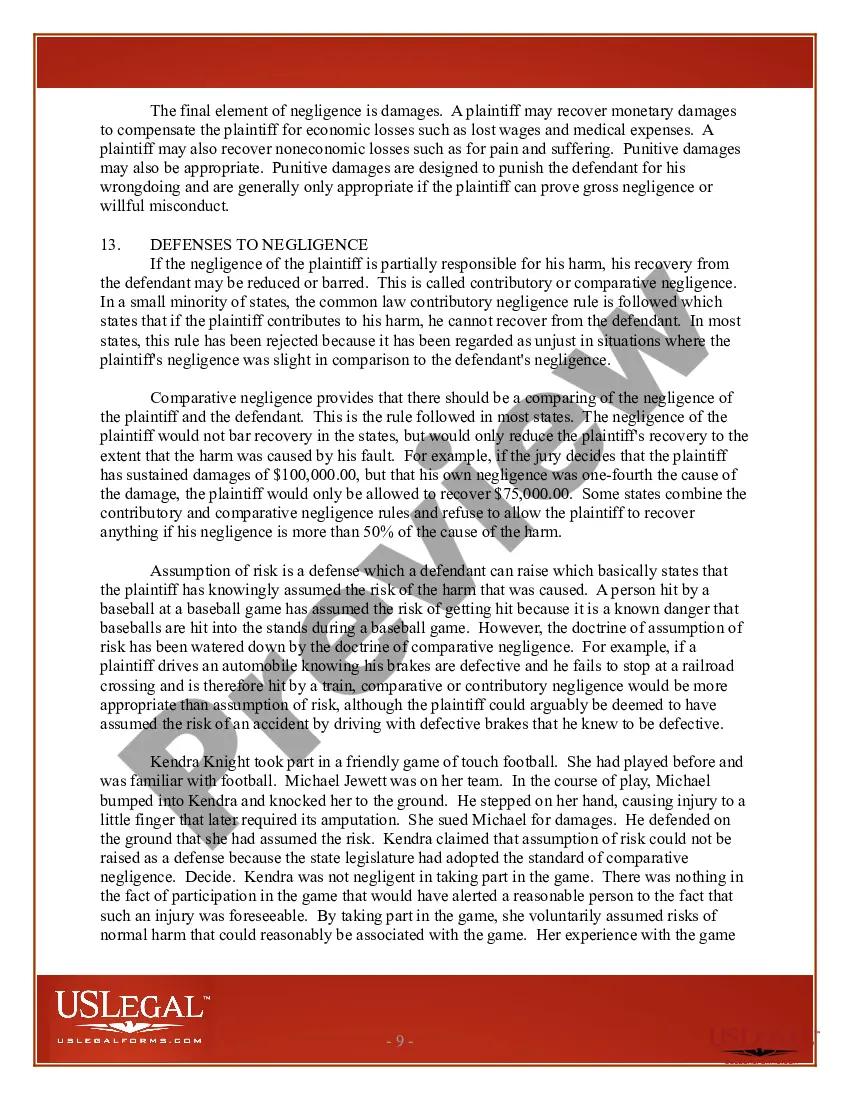
Once the attorney has argued for emotional distress damages, he or she will then calculate a settlement amount using what's called a “multiplier method.” It works by adding up all the tangible or economic damages, like medical costs and lost wages, and then multiplying that sum by a given number, usually between 1.5 ...
In North Carolina, a lawsuit for emotional distress can proceed without an accompanying physical injury. Even so, emotional distress claims can still be difficult to prove.
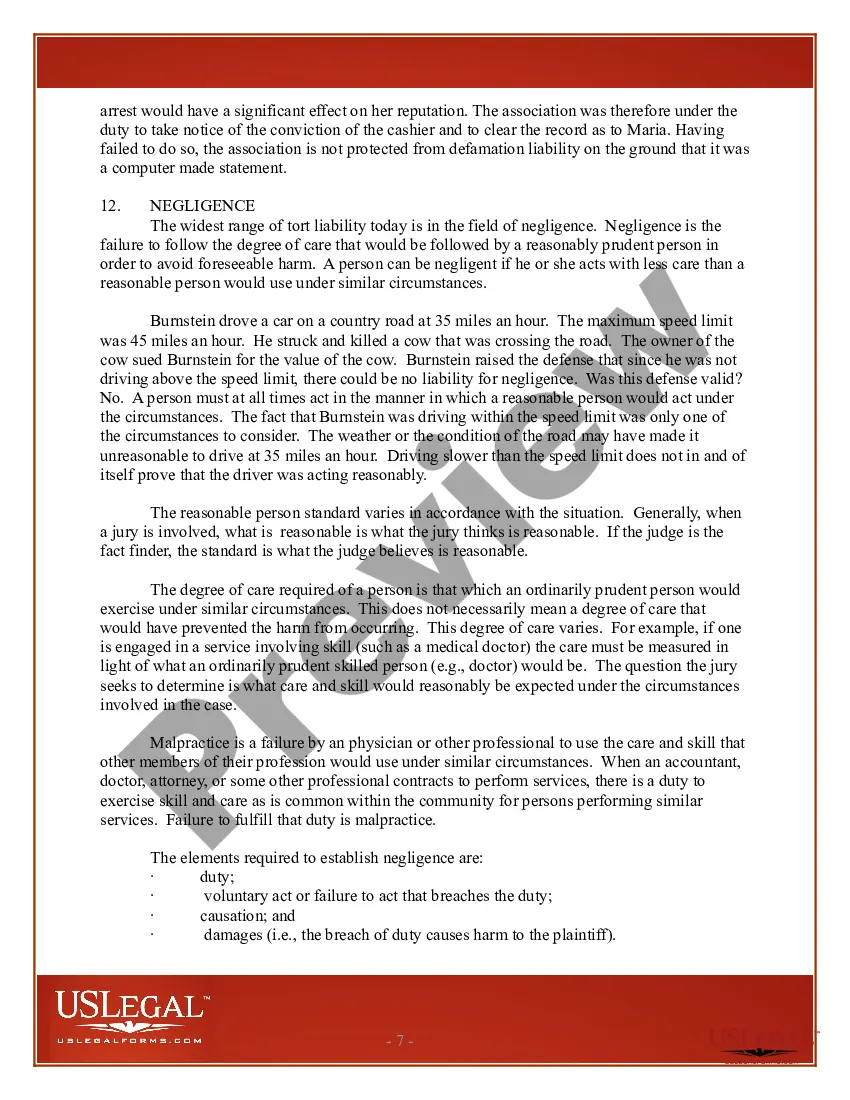
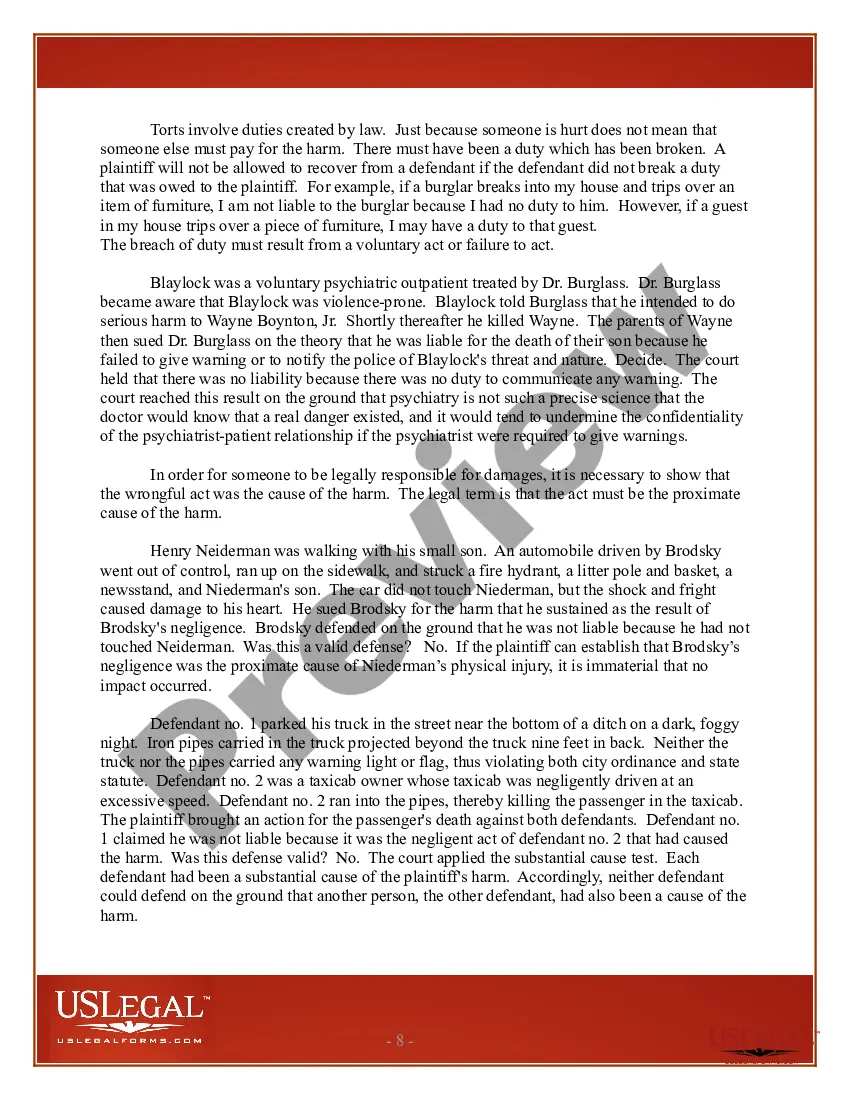
Negligent Infliction of Emotional Distress In such cases, the party who wants to pursue an emotional distress claim must demonstrate that the defendant owed them a duty of care, breached that duty, and the breach resulted in severe emotional harm.
Thankfully, in order to prove negligence and claim damages, a claimant has to prove a number of elements to the court. These are: the defendant owed them a duty of care. the defendant breached that duty of care, and.
Identifying the Four Tort Elements The accused had a duty, in most personal injury cases, to act in a way that did not cause you to become injured. The accused committed a breach of that duty. An injury occurred to you. The breach of duty was the proximate cause of your injury.
