Tort Negligence Liability With Insurance In Nevada
Description

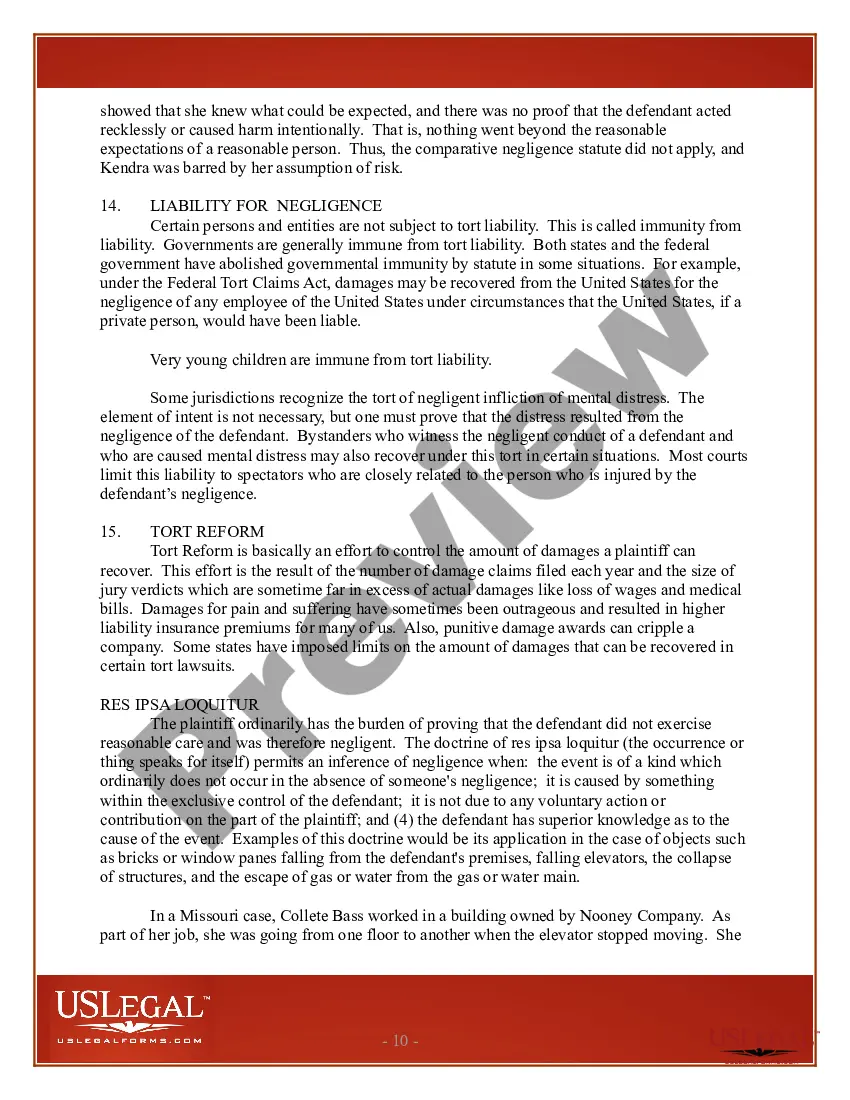



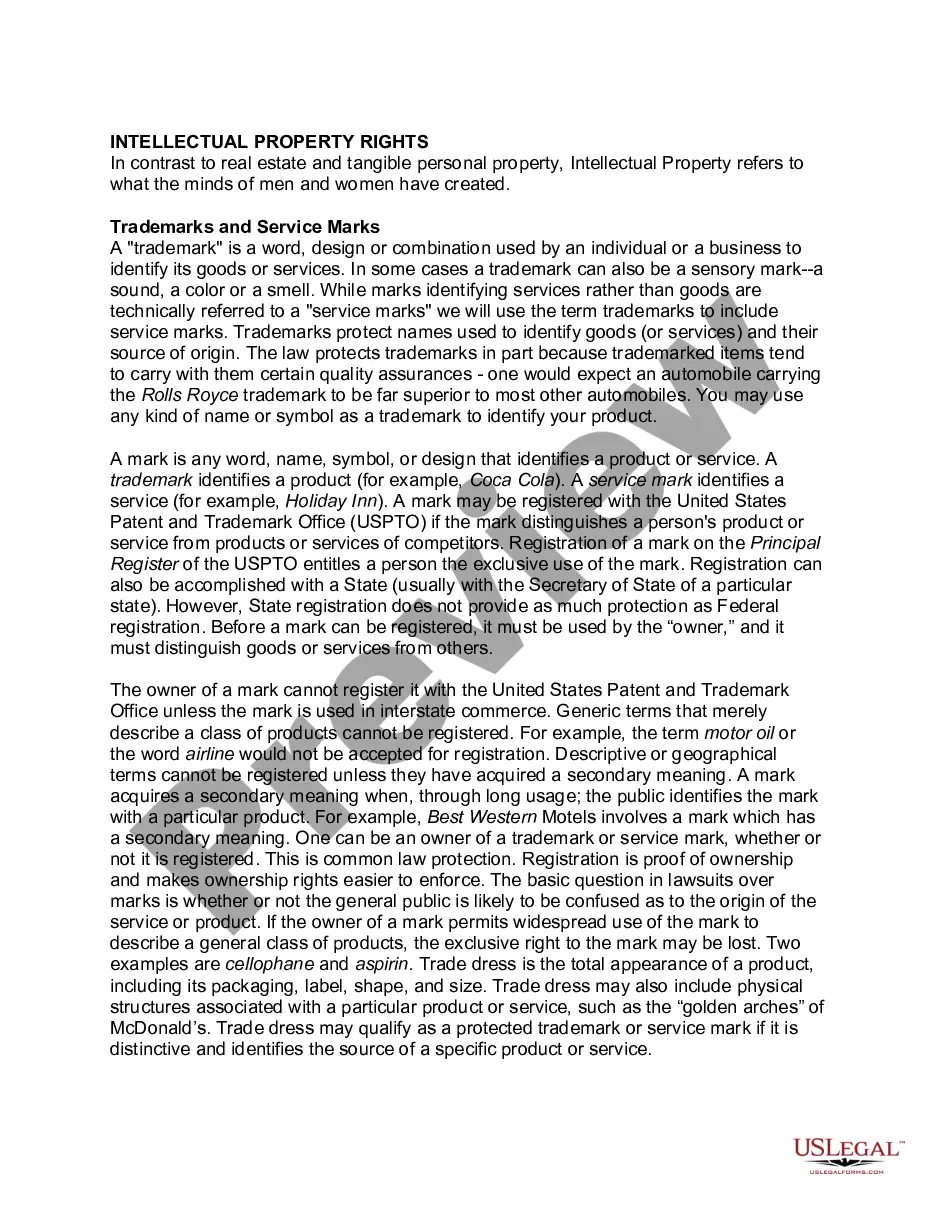
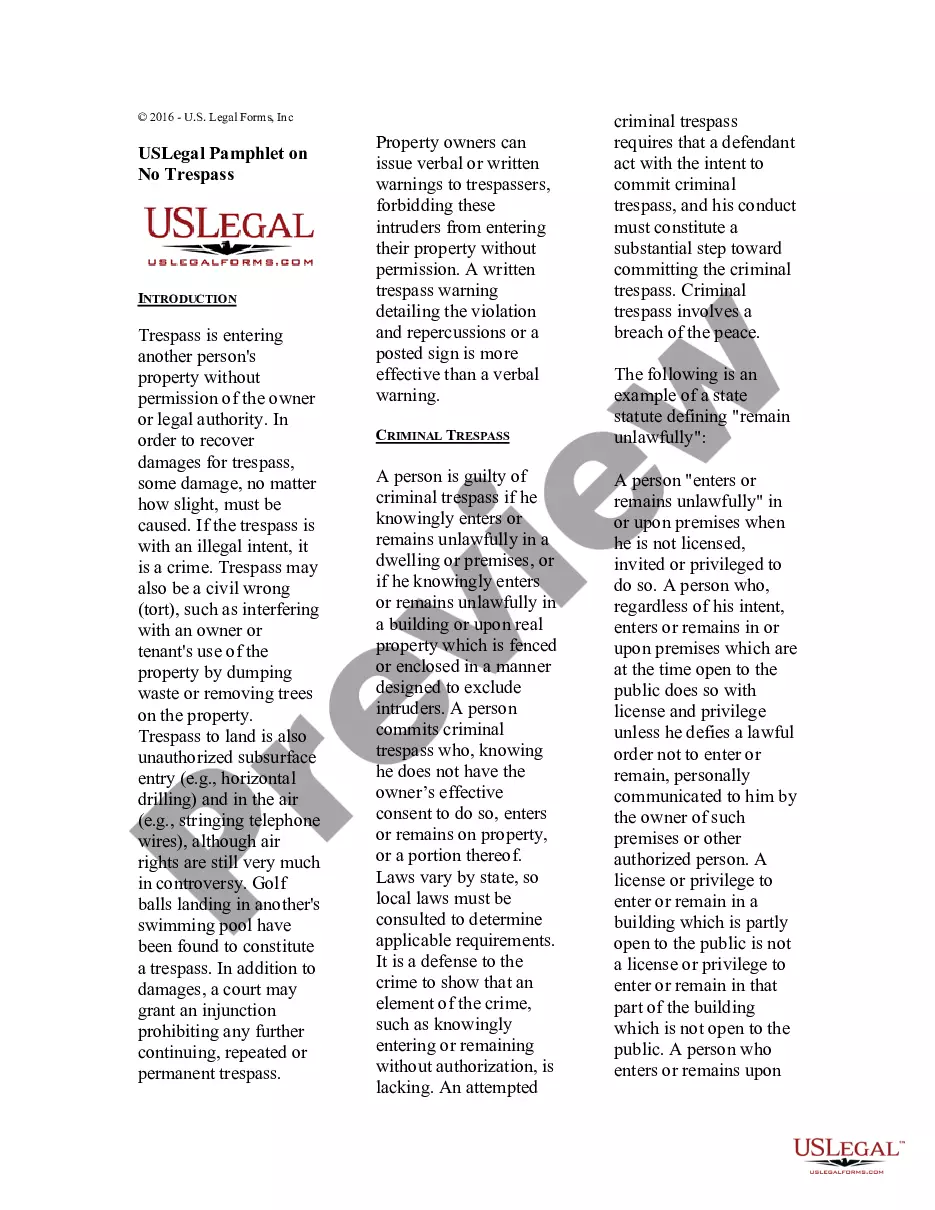
Get your form ready online
Our built-in tools help you complete, sign, share, and store your documents in one place.
Make edits, fill in missing information, and update formatting in US Legal Forms—just like you would in MS Word.
Download a copy, print it, send it by email, or mail it via USPS—whatever works best for your next step.
Sign and collect signatures with our SignNow integration. Send to multiple recipients, set reminders, and more. Go Premium to unlock E-Sign.
If this form requires notarization, complete it online through a secure video call—no need to meet a notary in person or wait for an appointment.
We protect your documents and personal data by following strict security and privacy standards.

Make edits, fill in missing information, and update formatting in US Legal Forms—just like you would in MS Word.

Download a copy, print it, send it by email, or mail it via USPS—whatever works best for your next step.

Sign and collect signatures with our SignNow integration. Send to multiple recipients, set reminders, and more. Go Premium to unlock E-Sign.

If this form requires notarization, complete it online through a secure video call—no need to meet a notary in person or wait for an appointment.

We protect your documents and personal data by following strict security and privacy standards.
Looking for another form?




Form popularity
FAQ
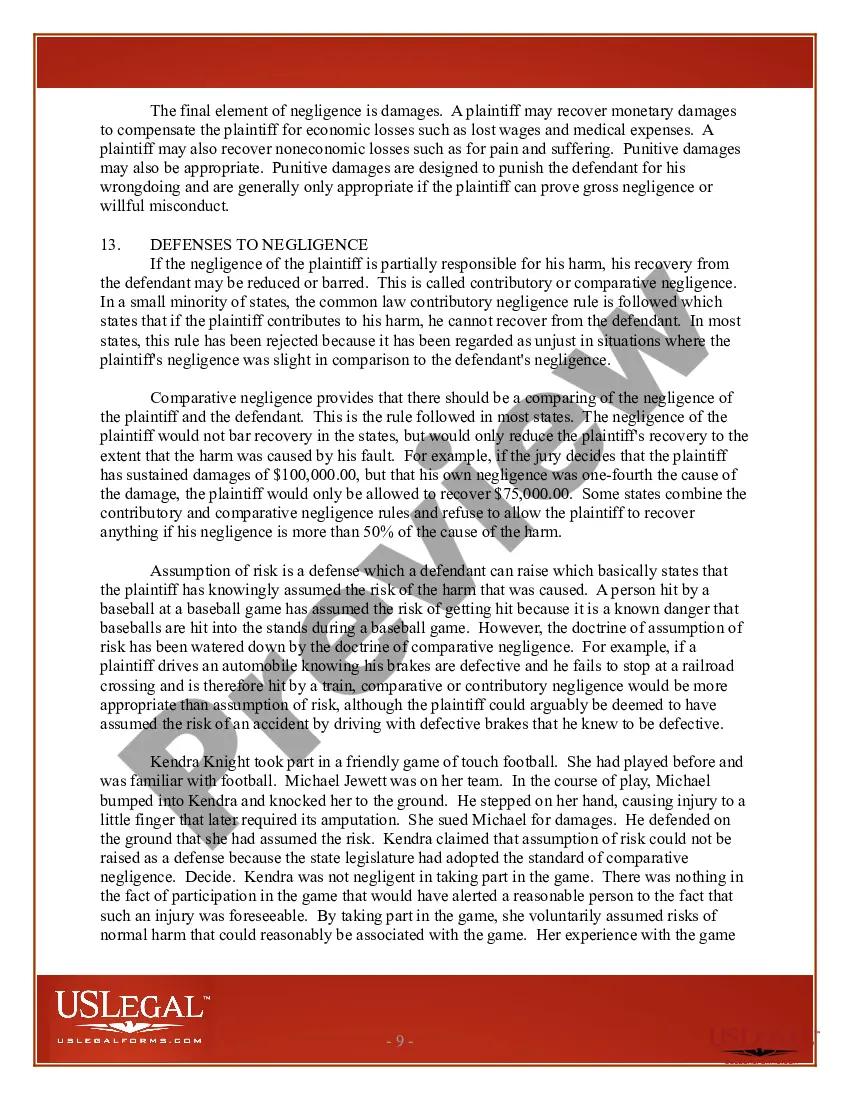
Nevada operates under a “modified comparative negligence” rule. This means that, as an injured party, if you're found to be partially at fault for your accident, your compensation will be reduced by your percentage of fault.
The Nevada Tort Claims Act (“NTCA”) provides that the State, its agencies, and political subdivisions are liable “in ance with the same rules of law as are applied to civil actions against natural persons and corporations.” 7 Although municipalities do not technically fall under the NTCA's definition of “ ...
In most cases, full tort coverage gives you more options, should something happen while limited tort is typically less expensive. If you are driving your vehicle often and on open roads with other drivers, it is always best to bite the bullet and spring for full tort coverage instead of opting for the cheaper option.
As a general rule, most standard general liability insurance policies contain exclusions for intentional acts. Insurance providers intend to safeguard against risks that are accidental or unintentional, and deliberate harm may fall outside the purview of the coverage.
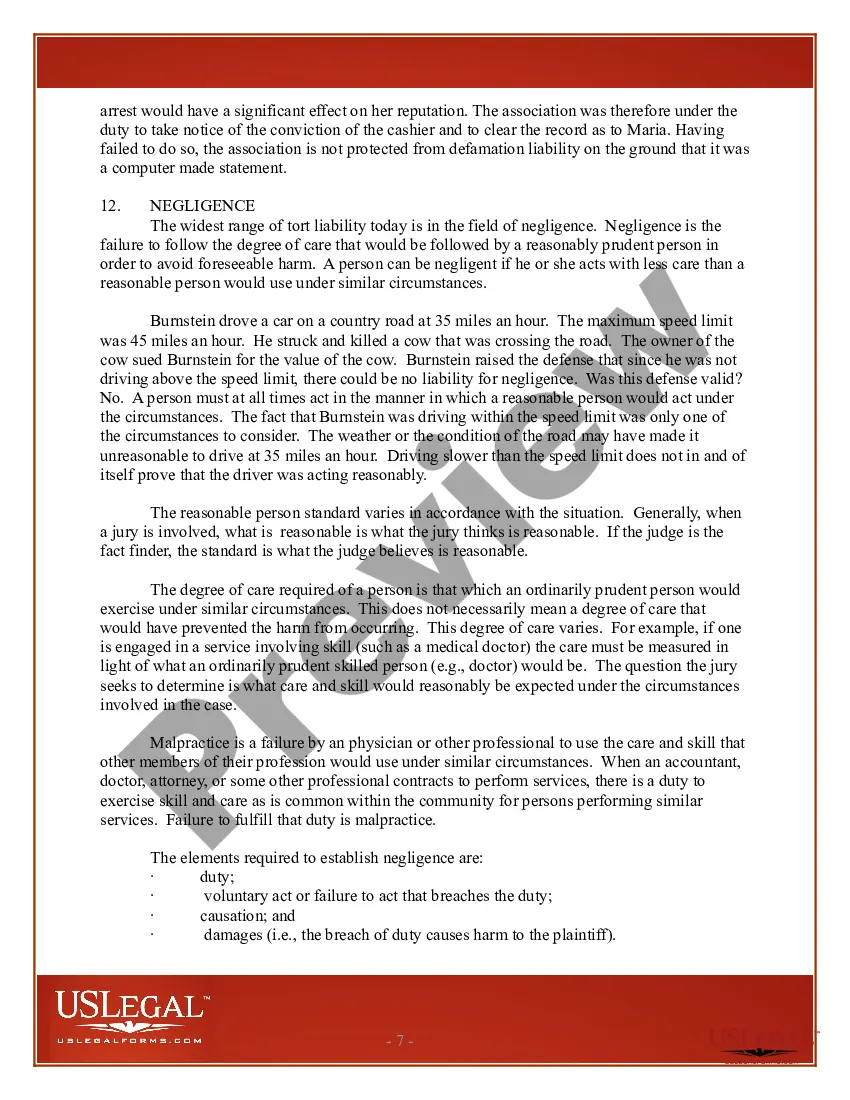
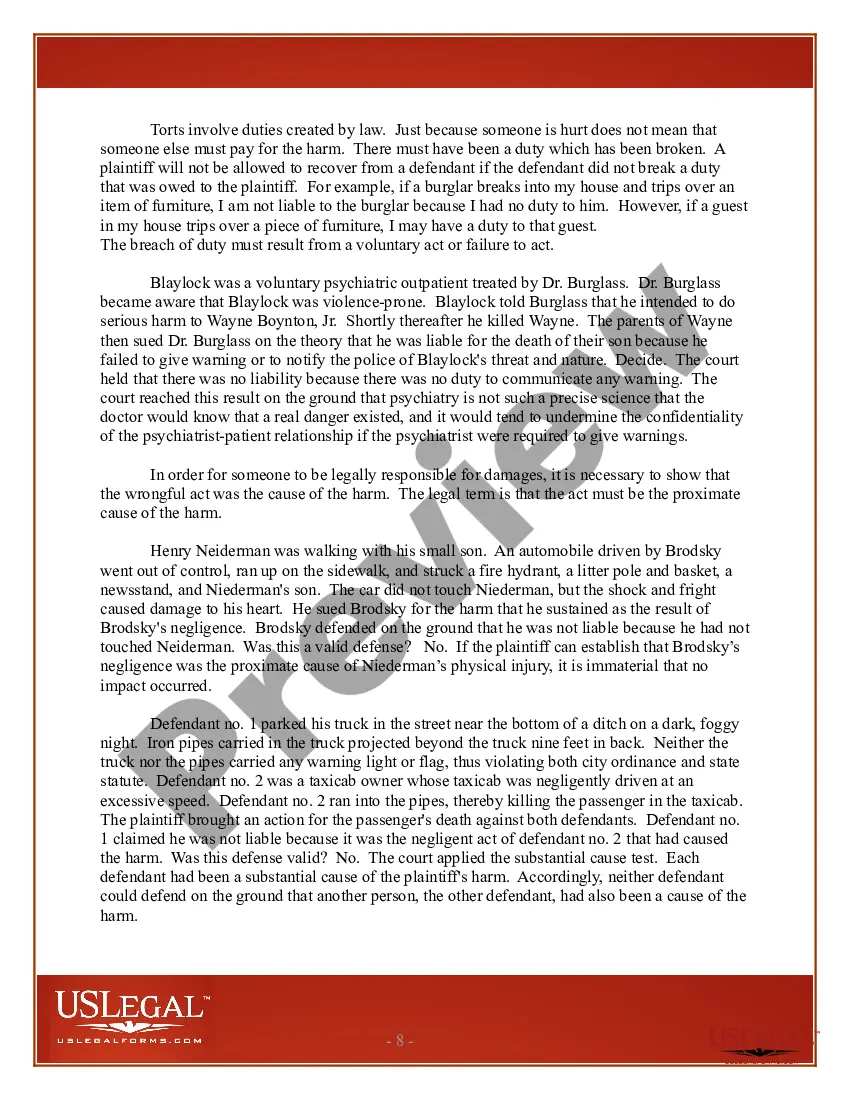
Tort liability is predicated on the existence of proximate cause, which consists of both: (1) causation in fact, and (2) foreseeability. A plaintiff must prove that his or her injuries were the actual or factual result of the defendant's actions.
What is tort insurance? Tort insurance allows auto insurance companies to recover damages from the party that caused an accident. Tort insurance isn't a separate policy but is instead a coverage option, and it may or may not be available depending on the state you live in.
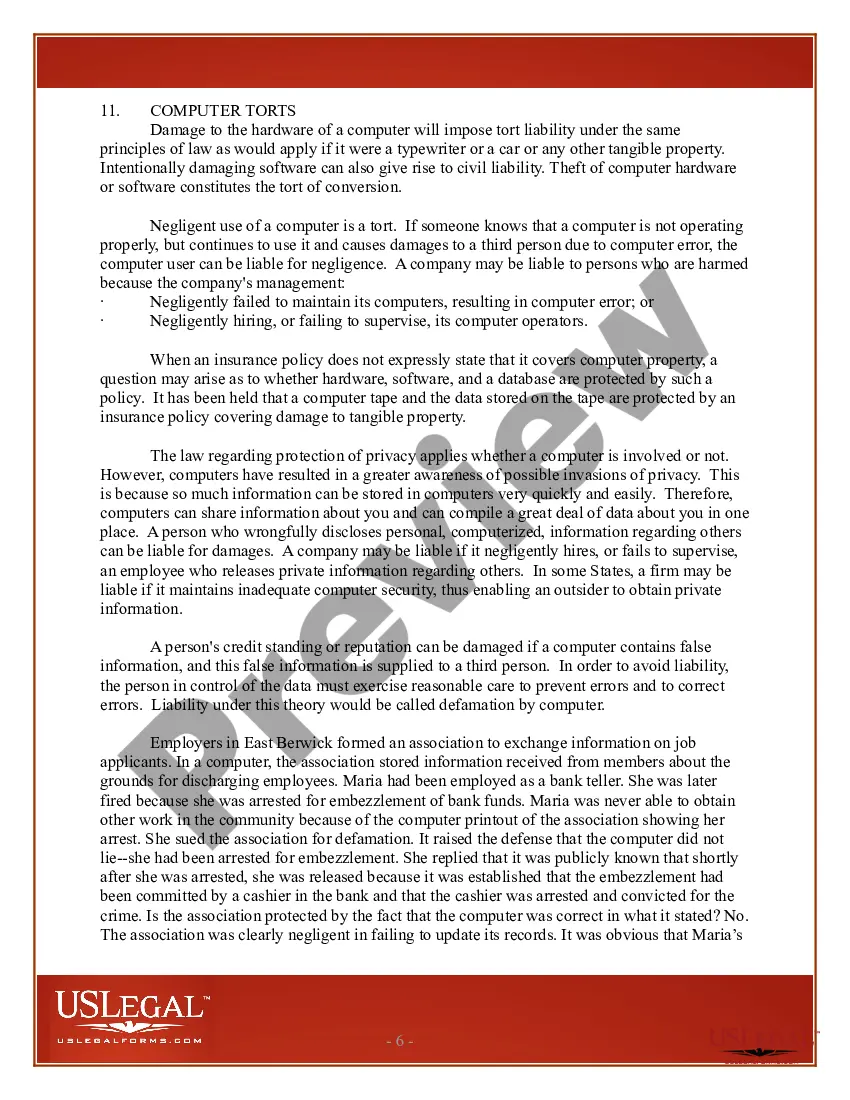
Torts fall into three general categories: Intentional torts (e.g., intentionally hitting a person); Negligent torts (e.g., causing an accident by failing to obey traffic rules); and. Strict liability torts (e.g., liability for making and selling defective products - see Products Liability).
Identifying the Four Tort Elements The accused had a duty, in most personal injury cases, to act in a way that did not cause you to become injured. The accused committed a breach of that duty. An injury occurred to you. The breach of duty was the proximate cause of your injury.
A tort claim is any act that can harm the well-being of a person, by that means violating their rights and making the guilty party liable for their damages and sufferings.
The Federal Tort Claims Act (FTCA) is federal legislation enacted in 1946 that provides a legal means for compensating individuals who have suffered personal injury, death, or property loss or damage caused by the negligent or wrongful act or omission of an employee of the federal government.
