Tort Form Meaning In Massachusetts
Description

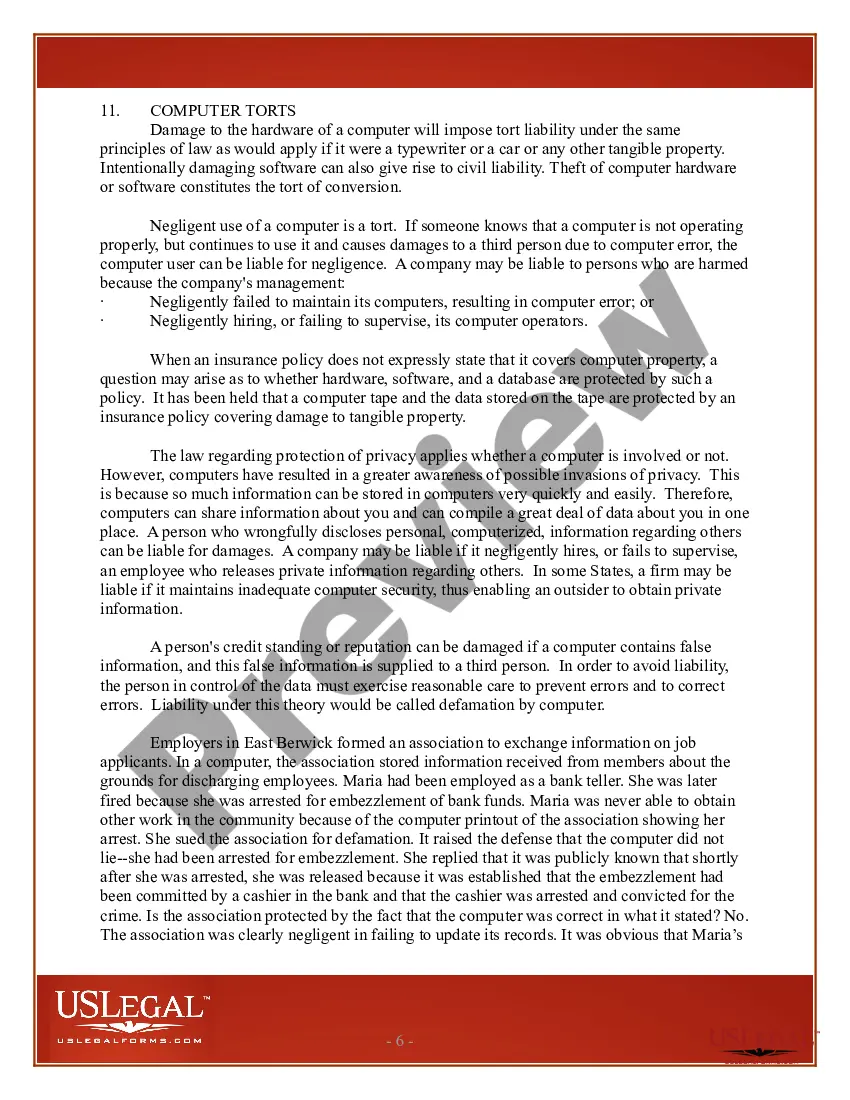
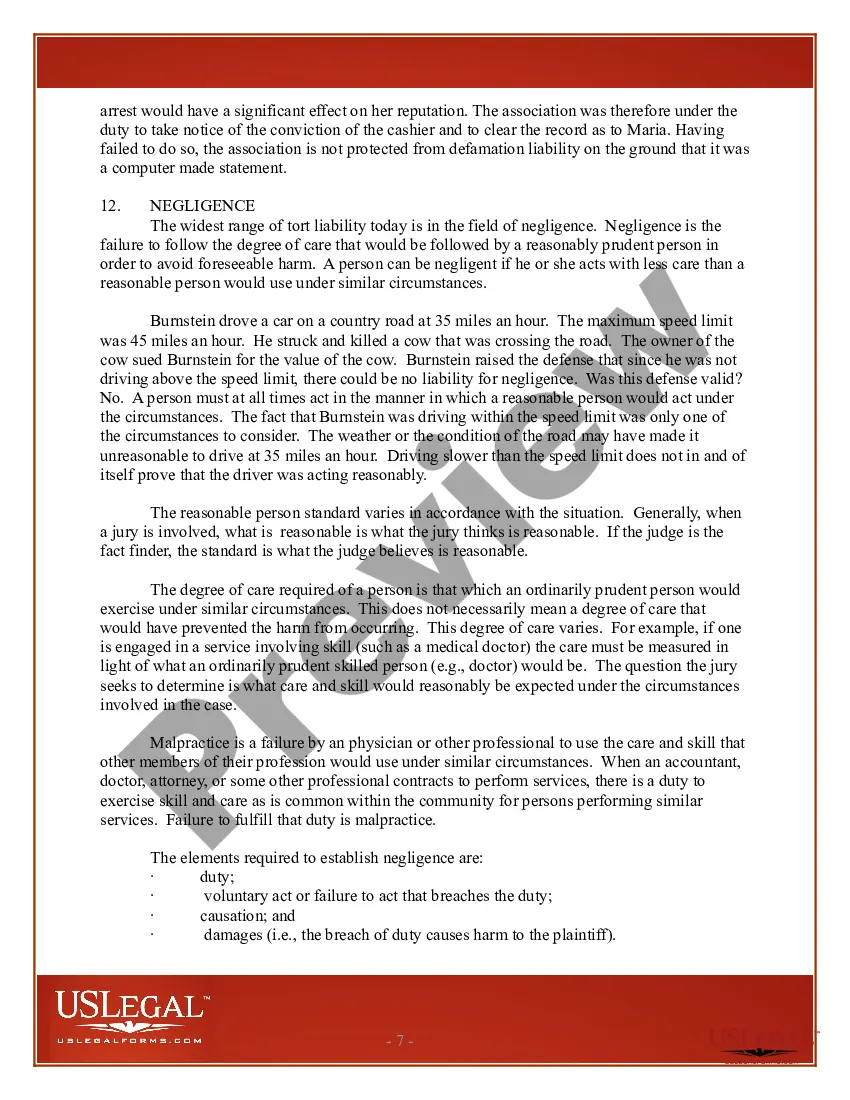
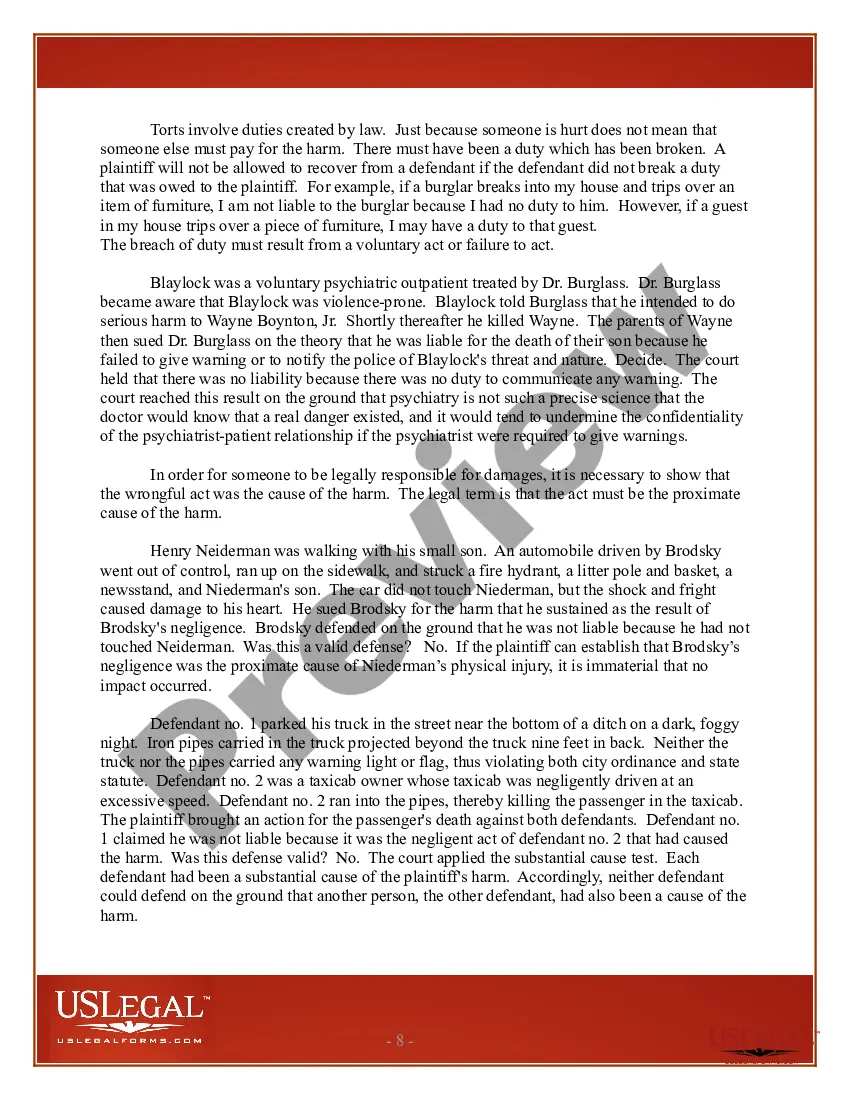
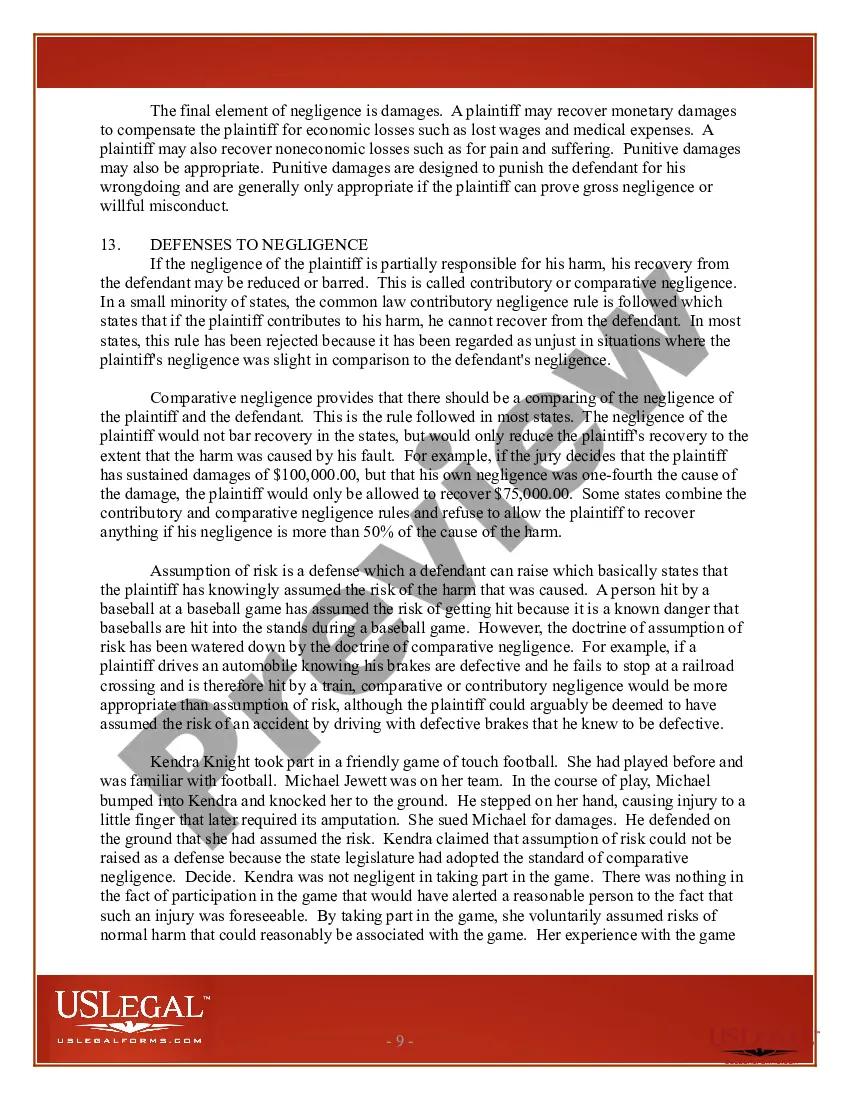




Get your form ready online
Our built-in tools help you complete, sign, share, and store your documents in one place.
Make edits, fill in missing information, and update formatting in US Legal Forms—just like you would in MS Word.
Download a copy, print it, send it by email, or mail it via USPS—whatever works best for your next step.
Sign and collect signatures with our SignNow integration. Send to multiple recipients, set reminders, and more. Go Premium to unlock E-Sign.
If this form requires notarization, complete it online through a secure video call—no need to meet a notary in person or wait for an appointment.
We protect your documents and personal data by following strict security and privacy standards.

Make edits, fill in missing information, and update formatting in US Legal Forms—just like you would in MS Word.

Download a copy, print it, send it by email, or mail it via USPS—whatever works best for your next step.

Sign and collect signatures with our SignNow integration. Send to multiple recipients, set reminders, and more. Go Premium to unlock E-Sign.

If this form requires notarization, complete it online through a secure video call—no need to meet a notary in person or wait for an appointment.

We protect your documents and personal data by following strict security and privacy standards.
Looking for another form?









Form popularity
FAQ
California Tort Claims Act Filing a claim gives the agency the opportunity to settle the claim before a lawsuit is filed and to investigate the claim so that it can properly defend itself, or to correct the conditions or practices that led to the claim.
A tort is an act or omission that causes legally cognizable harm to persons or property. Tort law, in turn, is the body of rules concerned with remedying harms caused by a person's wrongful or injurious actions.
A tort is an act or omission that causes legally cognizable harm to persons or property. Tort law, in turn, is the body of rules concerned with remedying harms caused by a person's wrongful or injurious actions.
In mass tort litigation, instead of filing a single lawsuit, each individual files their own separate lawsuit, but the cases are handled together by one judge for trial, discovery, and legal ruling.
A tort is a civil wrongdoing. When a medical provider's actions or inactions fail to meet the medical standard of care, their behavior constitutes medical negligence. If their medical negligence causes their patient to suffer an injury, it becomes medical malpractice.
Meeting the Tort Threshold In Massachusetts, to file a tort claim for pain and suffering, your medical expenses must exceed $2,000 or you must have severe injuries as discussed above. If you don't meet these criteria, you can't claim for pain and suffering, limiting your compensation.
The plaintiff will be barred from recovering damages if the jury finds that the contributory fault of the plaintiff is more than 50 percent of the proximate cause of the injury. Otherwise, any economic or non-economic damages allowed will be reduced in proportion to the amount of fault attributable to the plaintiff.
The Massachusetts tort law's primary purpose is to provide relief to injured parties for harms and damages caused by other parties. The law concerns itself with holding parties responsible for their wrongdoings by imposing liability on them for the harm caused due to their conduct or actions.
To file a claim, complete these steps: Complete Standard Form 95. Explain in detail what happened, using additional pages if necessary. Attach all documents that support your claim, which may include the following. Submit the completed Standard Form 95 and supporting documents to the OPM Office of the General Counsel.
The Massachusetts Tort Claims Act (starting at Mass. Gen. Laws Chapter 258, Section 2) is one of these laws, allowing claims for compensation against the government at the state and local level when the negligence of any public employee who's acting in the scope of their job causes: injury.