Tort Form Meaning In Houston
Description

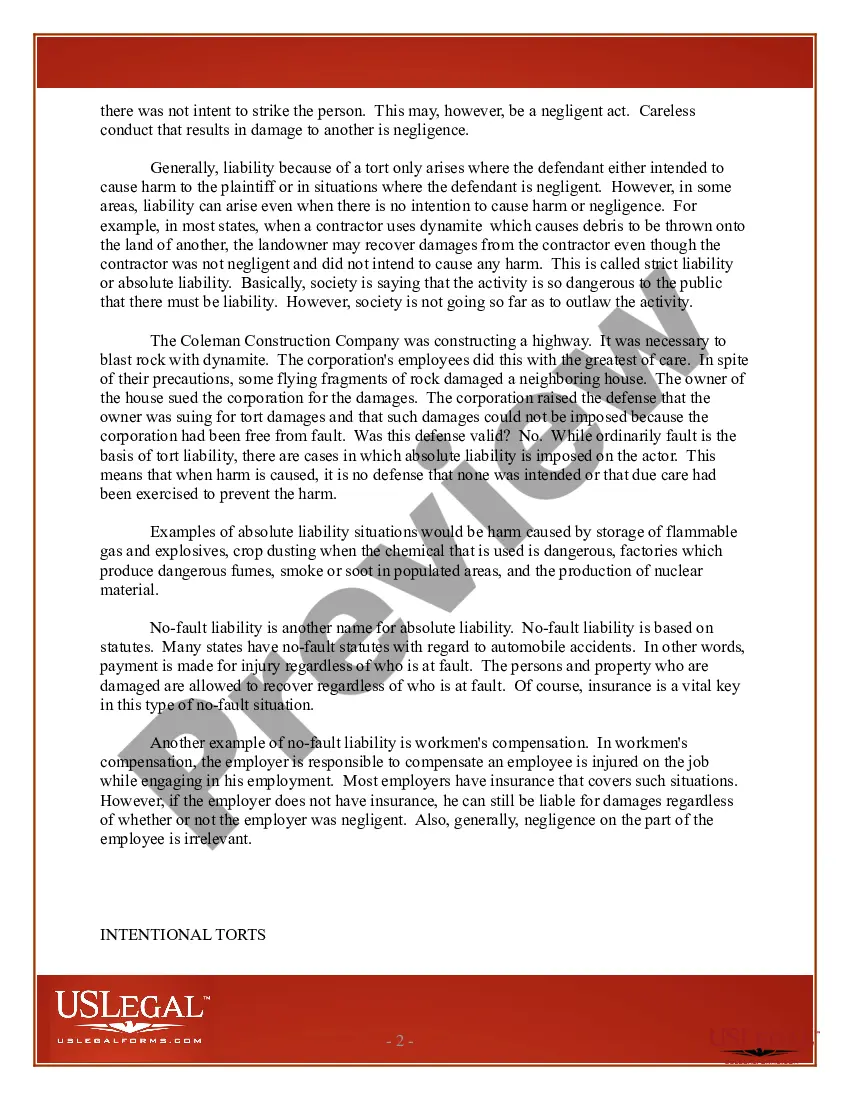
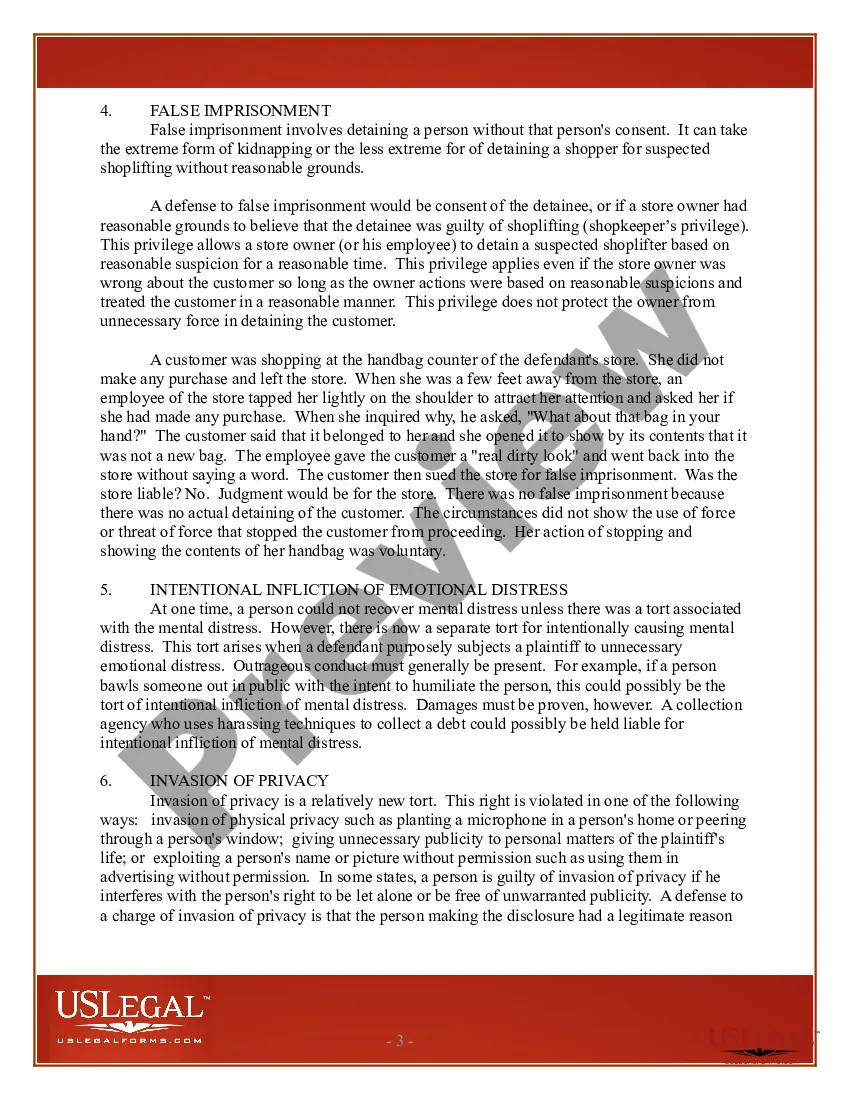
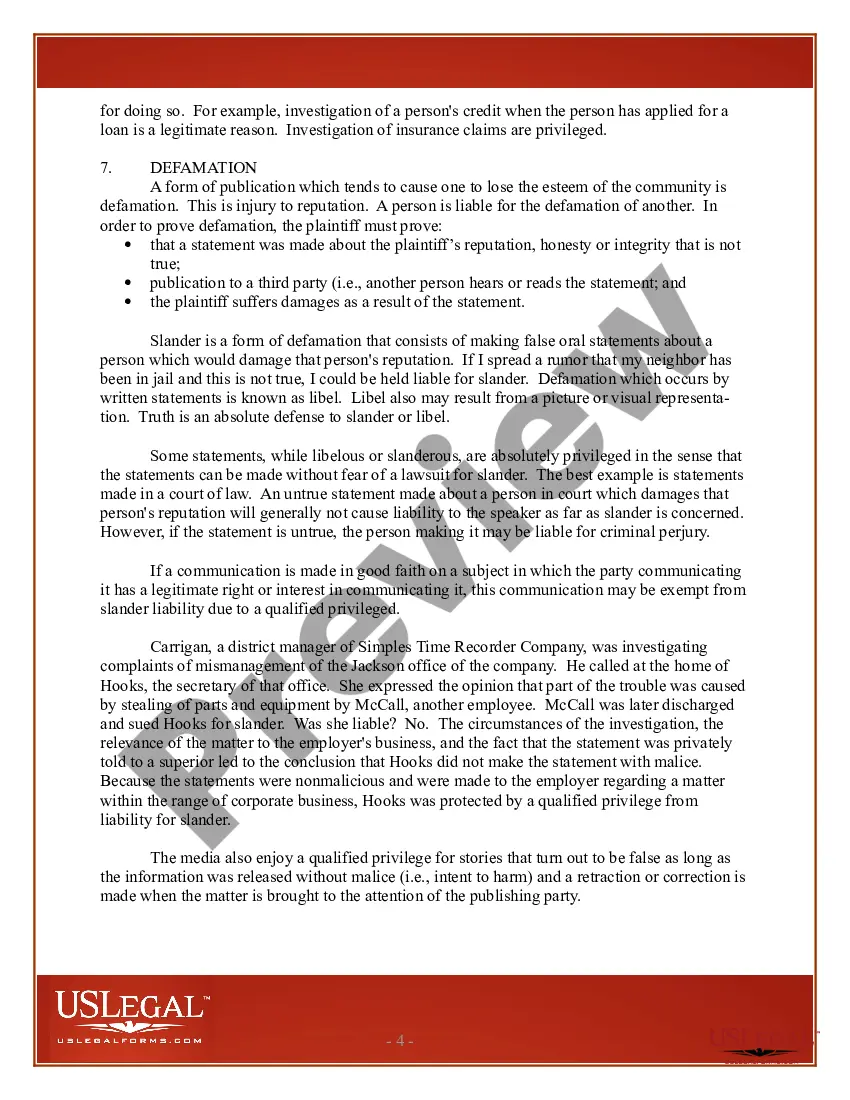
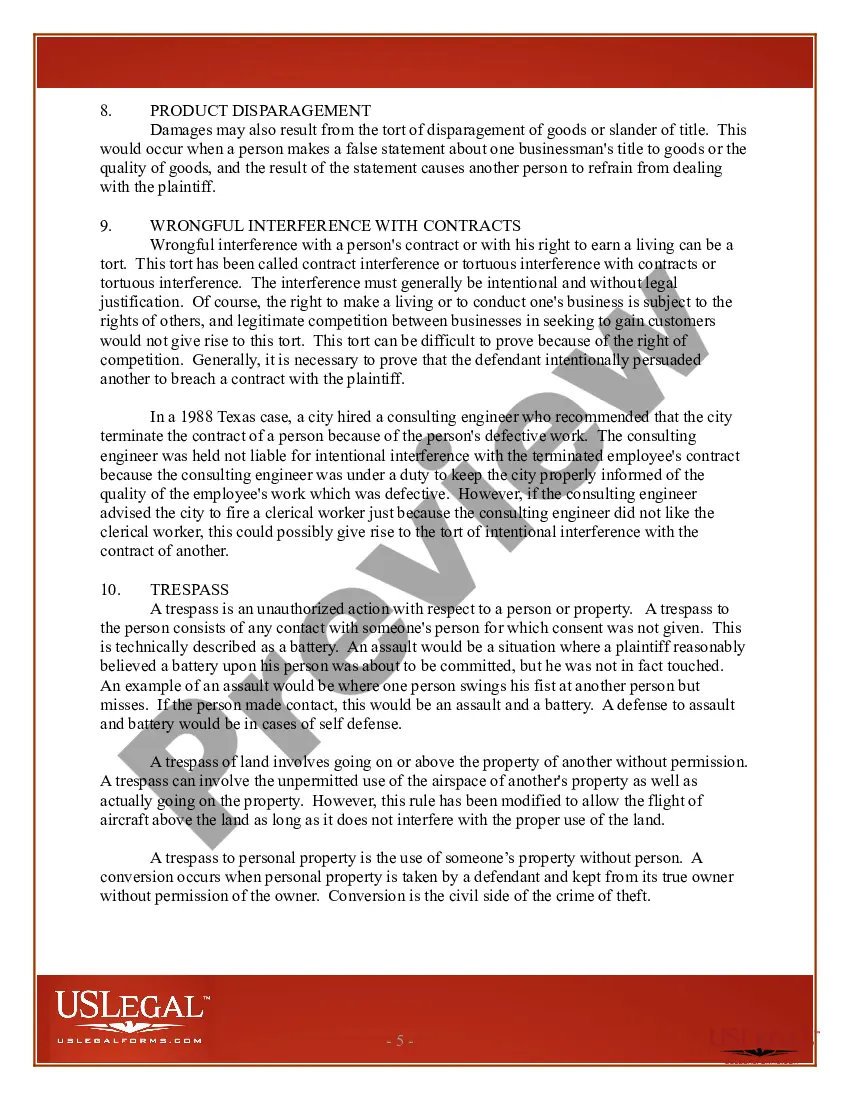
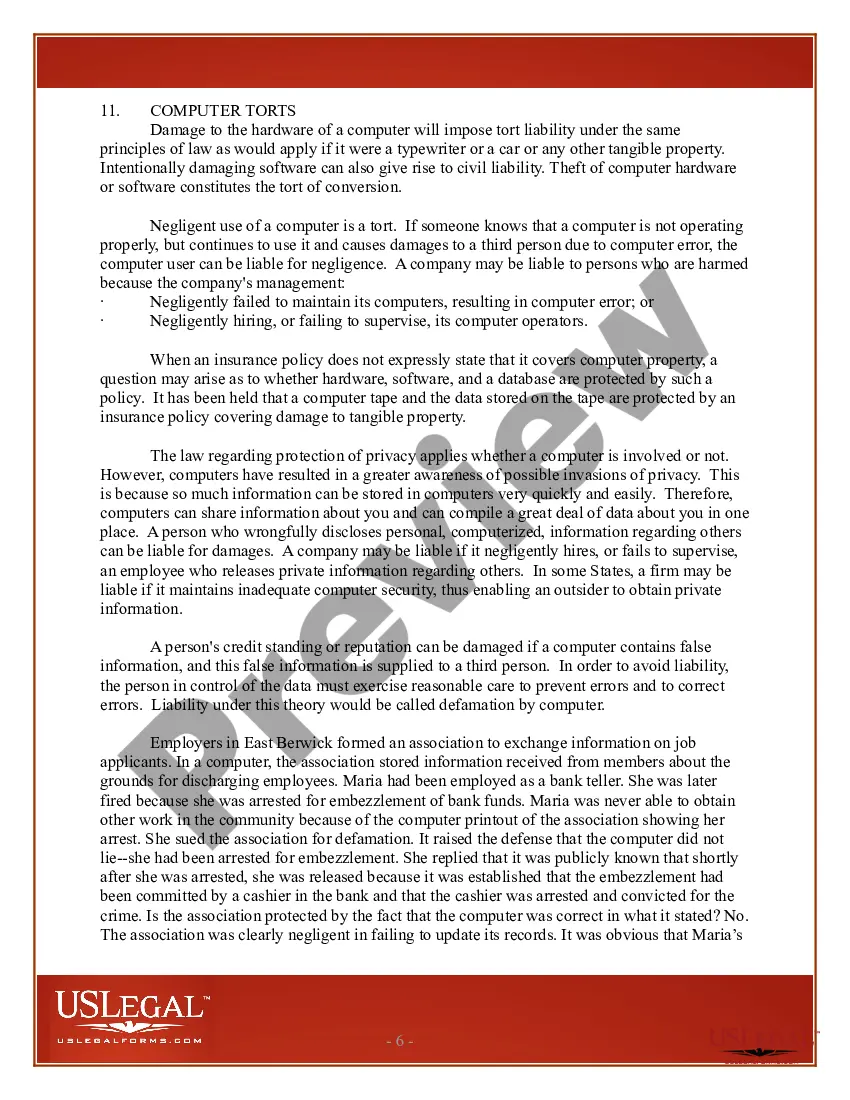
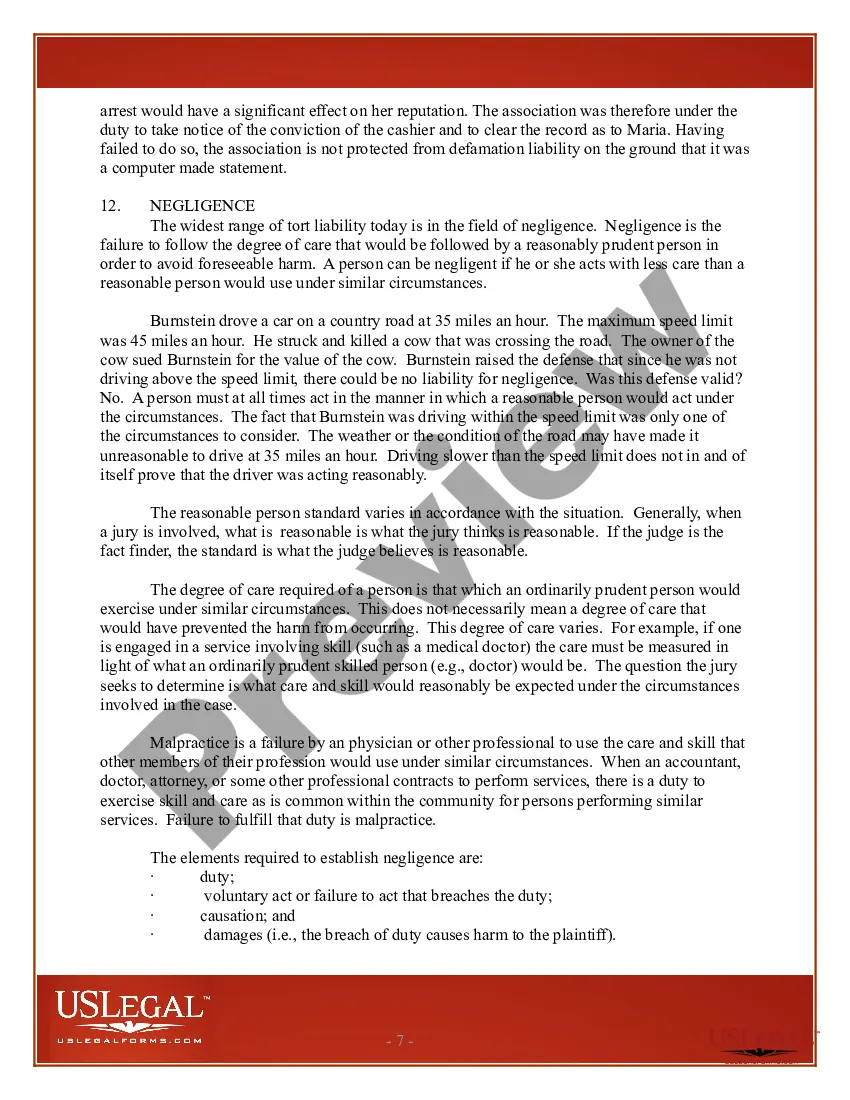
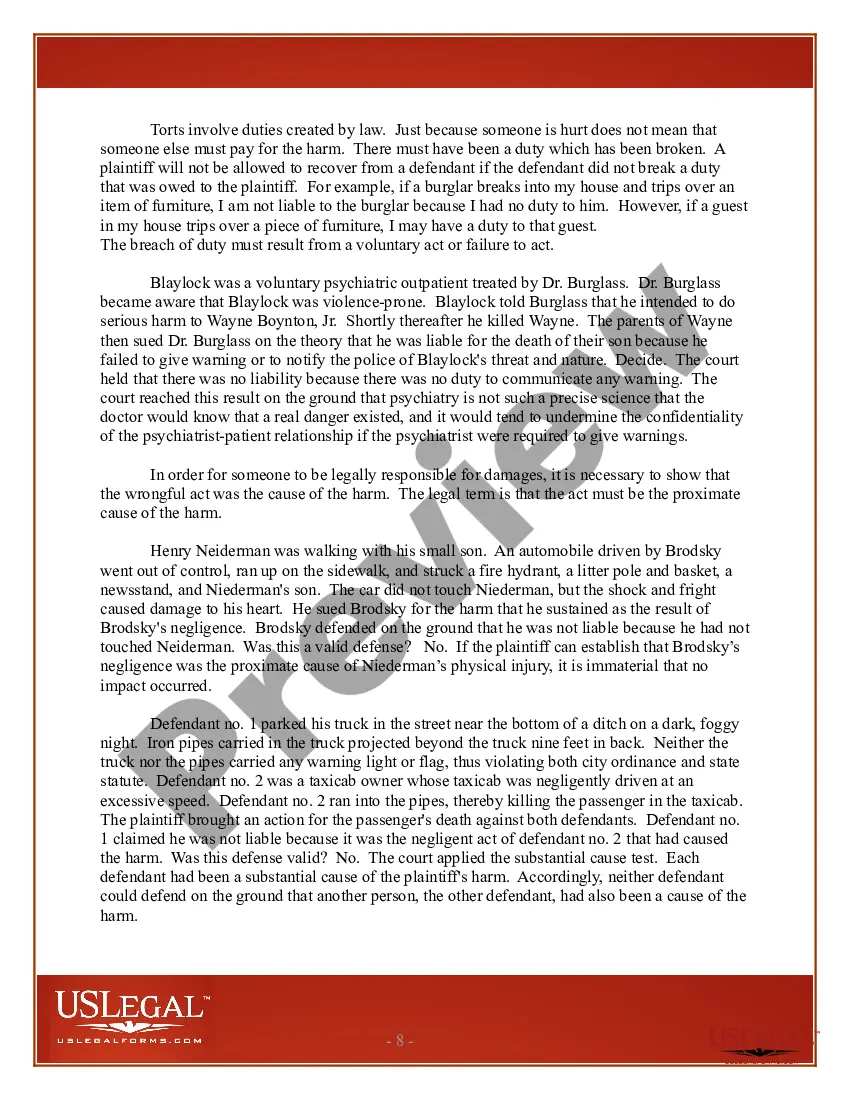
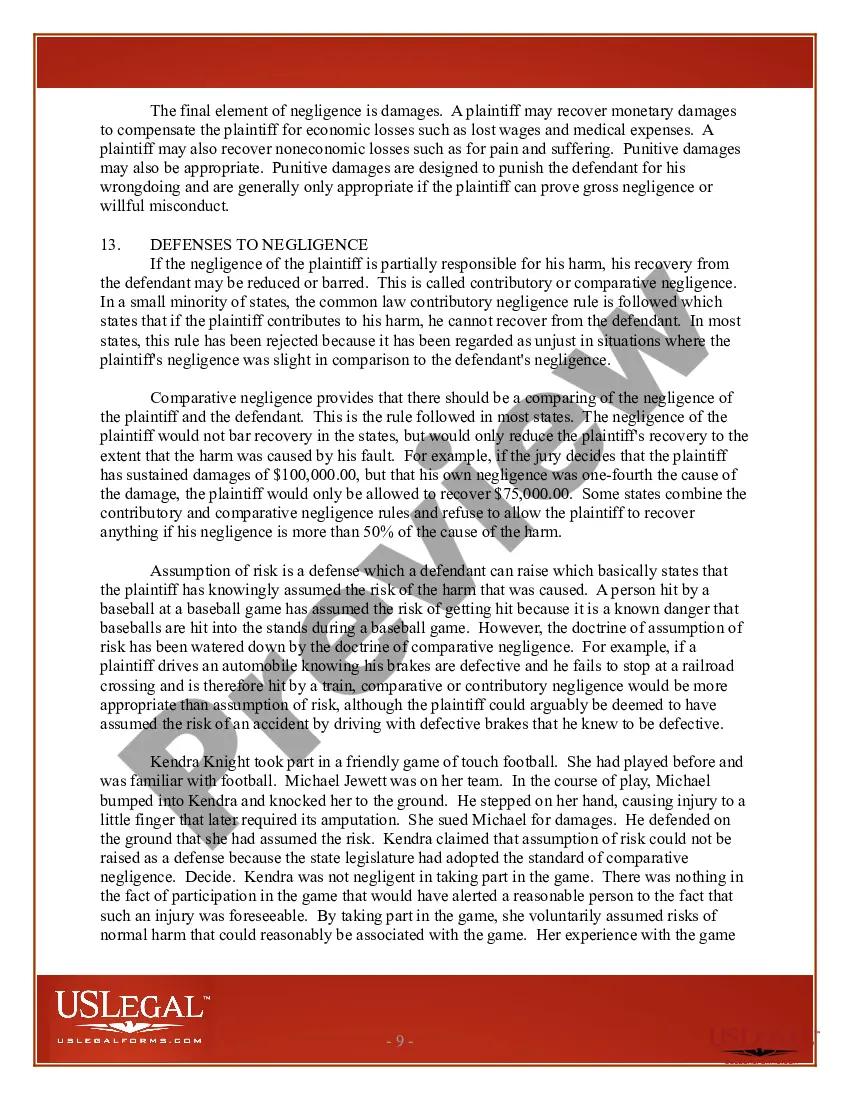



Get your form ready online
Our built-in tools help you complete, sign, share, and store your documents in one place.
Make edits, fill in missing information, and update formatting in US Legal Forms—just like you would in MS Word.
Download a copy, print it, send it by email, or mail it via USPS—whatever works best for your next step.
Sign and collect signatures with our SignNow integration. Send to multiple recipients, set reminders, and more. Go Premium to unlock E-Sign.
If this form requires notarization, complete it online through a secure video call—no need to meet a notary in person or wait for an appointment.
We protect your documents and personal data by following strict security and privacy standards.

Make edits, fill in missing information, and update formatting in US Legal Forms—just like you would in MS Word.

Download a copy, print it, send it by email, or mail it via USPS—whatever works best for your next step.

Sign and collect signatures with our SignNow integration. Send to multiple recipients, set reminders, and more. Go Premium to unlock E-Sign.

If this form requires notarization, complete it online through a secure video call—no need to meet a notary in person or wait for an appointment.

We protect your documents and personal data by following strict security and privacy standards.
Looking for another form?









Form popularity
FAQ
Intentional torts – An intentional tort is one in which the defendant knew or should have known that their action would cause injury. For example, if someone physically attacks another person, the injured person would have a tort claim against the attacker.
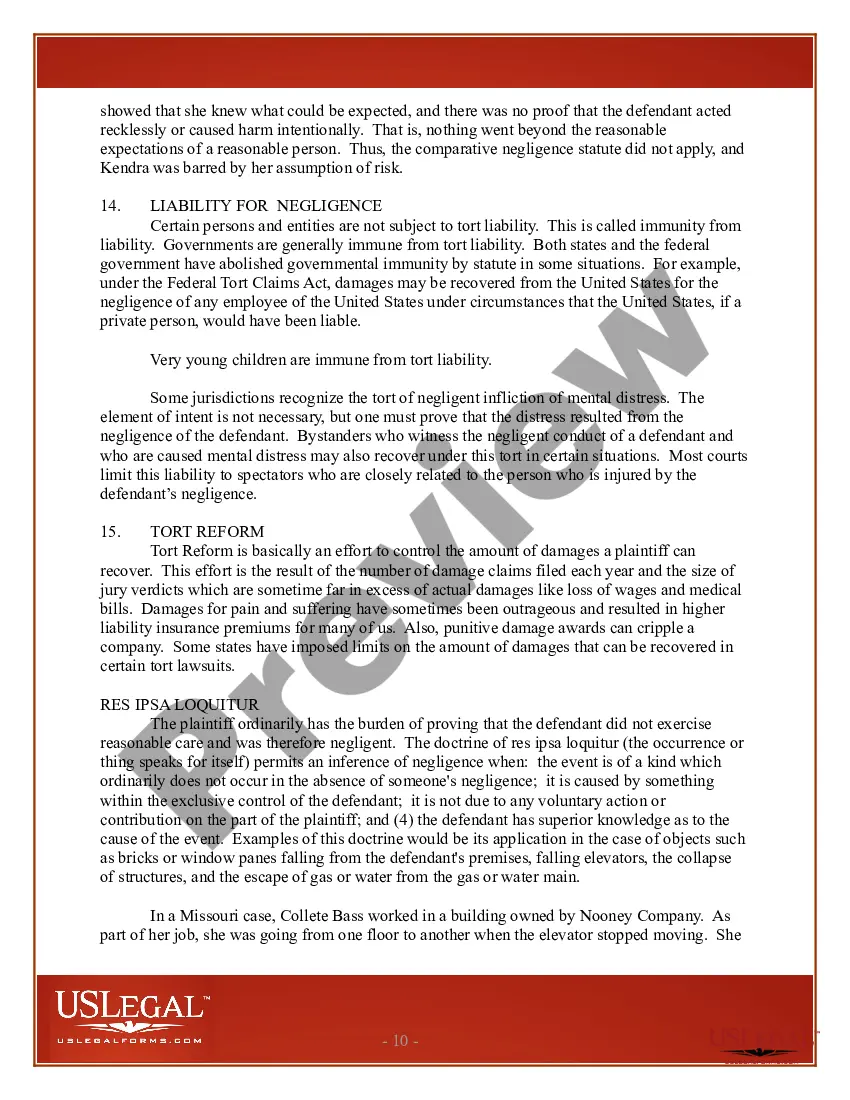
Simply put, a tort is an action by one party which results in loss or harm to another party and is governed by civil, not criminal, law. There are three main categories of torts: intentional, negligent, and strict liability. Assault, battery, and fraud are common examples of intentional torts.
Negligence is by far the most common type of tort. Negligence occurs when a person fails to act carefully enough and another person gets hurt as a result. For this type of case, a person must owe a duty to another person. Then, they must fail in their duty to act reasonably.
There are numerous specific torts including trespass, assault, battery, negligence, products liability, and intentional infliction of emotional distress. There are also separate areas of tort law including nuisance, defamation, invasion of privacy, and a category of economic torts.
To file a claim, complete these steps: Complete Standard Form 95. Explain in detail what happened, using additional pages if necessary. Attach all documents that support your claim, which may include the following. Submit the completed Standard Form 95 and supporting documents to the OPM Office of the General Counsel.
More simply, a tort claim is a right to sue an individual or entity to recover damages for injuries caused by their actions. It's a civil action where an injured party, the plaintiff, can sue the responsible party, the defendant, to recover damages. Damages in tort cases can be both economic and non-economic.
How do you Prove a Tort Claim? It is necessary to prove a tort to hold a person or company legally responsible for the harm you suffered. This must be proved in court for four things: duty, breach, causation, and damages/harm. Damages – The defendant's actions lead to injury or harm to the plaintiff.
Generally, intentional torts are harder to prove than negligence, since a plaintiff must show that the defendant did something on purpose.
California Tort Claims Act Filing a claim gives the agency the opportunity to settle the claim before a lawsuit is filed and to investigate the claim so that it can properly defend itself, or to correct the conditions or practices that led to the claim.
In Texas, tort cases are civil actions involving negligence that lead to physical injury, financial damage, property damage, and emotional injuries. Tort cases also cover breach of civil rights, medical malpractice, worker's compensation, libel, slander, and anti-retaliation claims.