Tort Form Meaning In California
Description





Get your form ready online
Our built-in tools help you complete, sign, share, and store your documents in one place.
Make edits, fill in missing information, and update formatting in US Legal Forms—just like you would in MS Word.
Download a copy, print it, send it by email, or mail it via USPS—whatever works best for your next step.
Sign and collect signatures with our SignNow integration. Send to multiple recipients, set reminders, and more. Go Premium to unlock E-Sign.
If this form requires notarization, complete it online through a secure video call—no need to meet a notary in person or wait for an appointment.
We protect your documents and personal data by following strict security and privacy standards.

Make edits, fill in missing information, and update formatting in US Legal Forms—just like you would in MS Word.

Download a copy, print it, send it by email, or mail it via USPS—whatever works best for your next step.

Sign and collect signatures with our SignNow integration. Send to multiple recipients, set reminders, and more. Go Premium to unlock E-Sign.

If this form requires notarization, complete it online through a secure video call—no need to meet a notary in person or wait for an appointment.

We protect your documents and personal data by following strict security and privacy standards.
Looking for another form?










Form popularity
FAQ
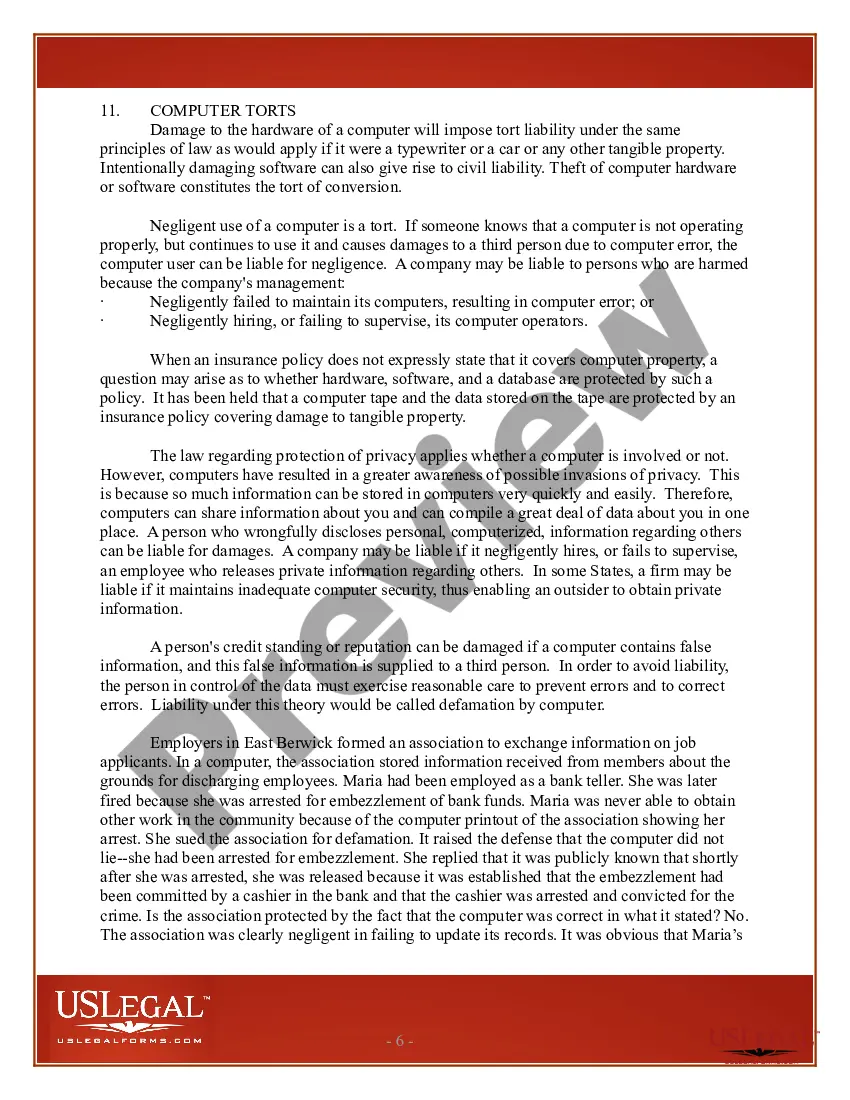
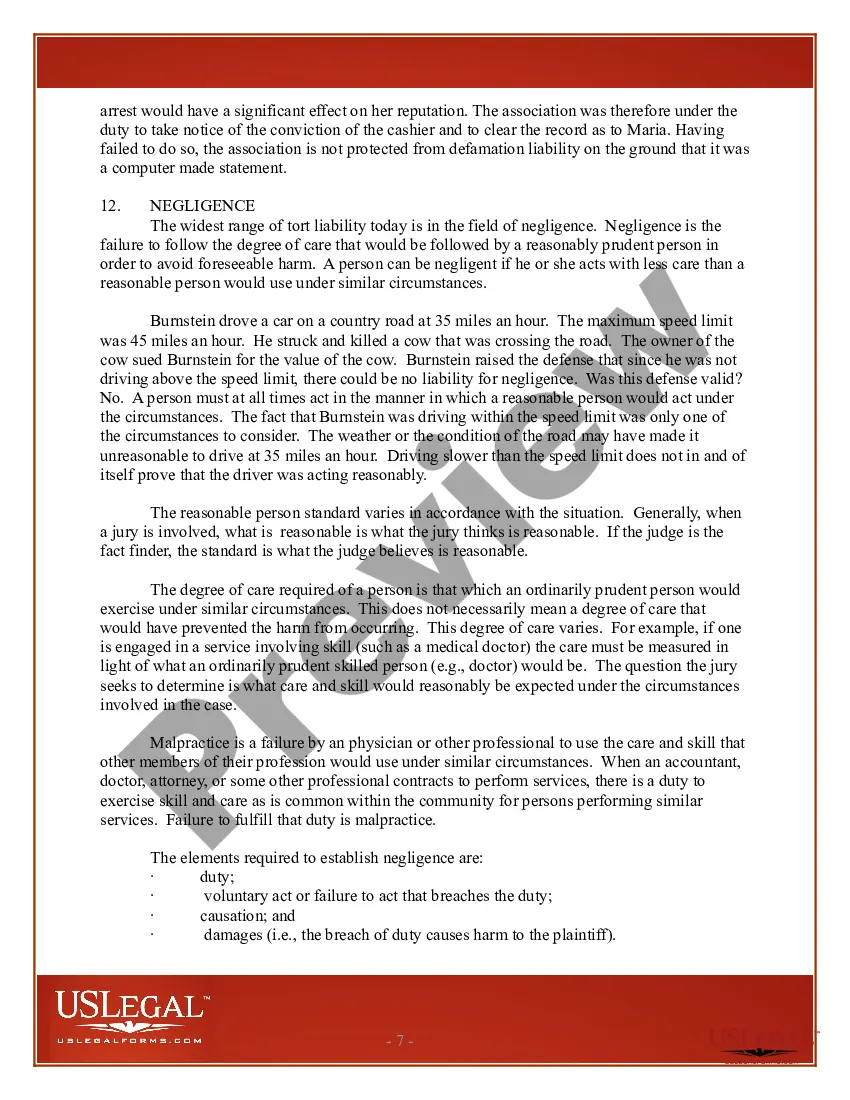
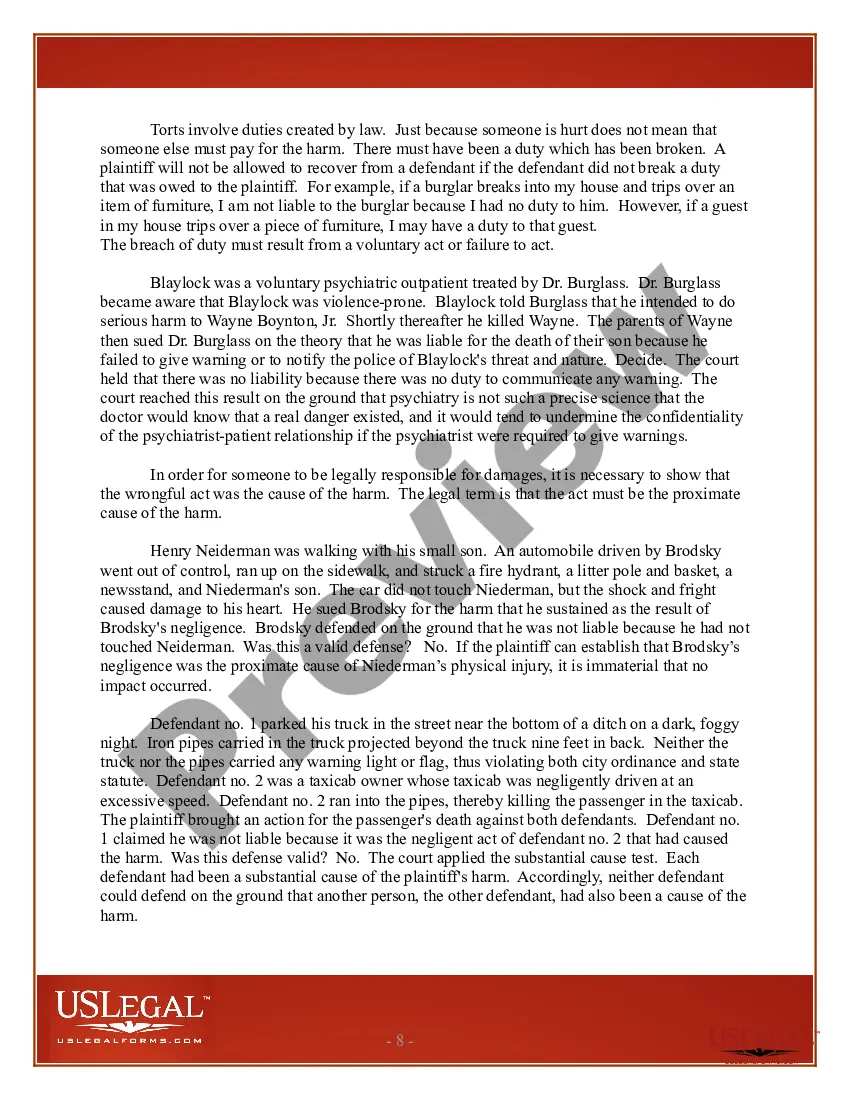
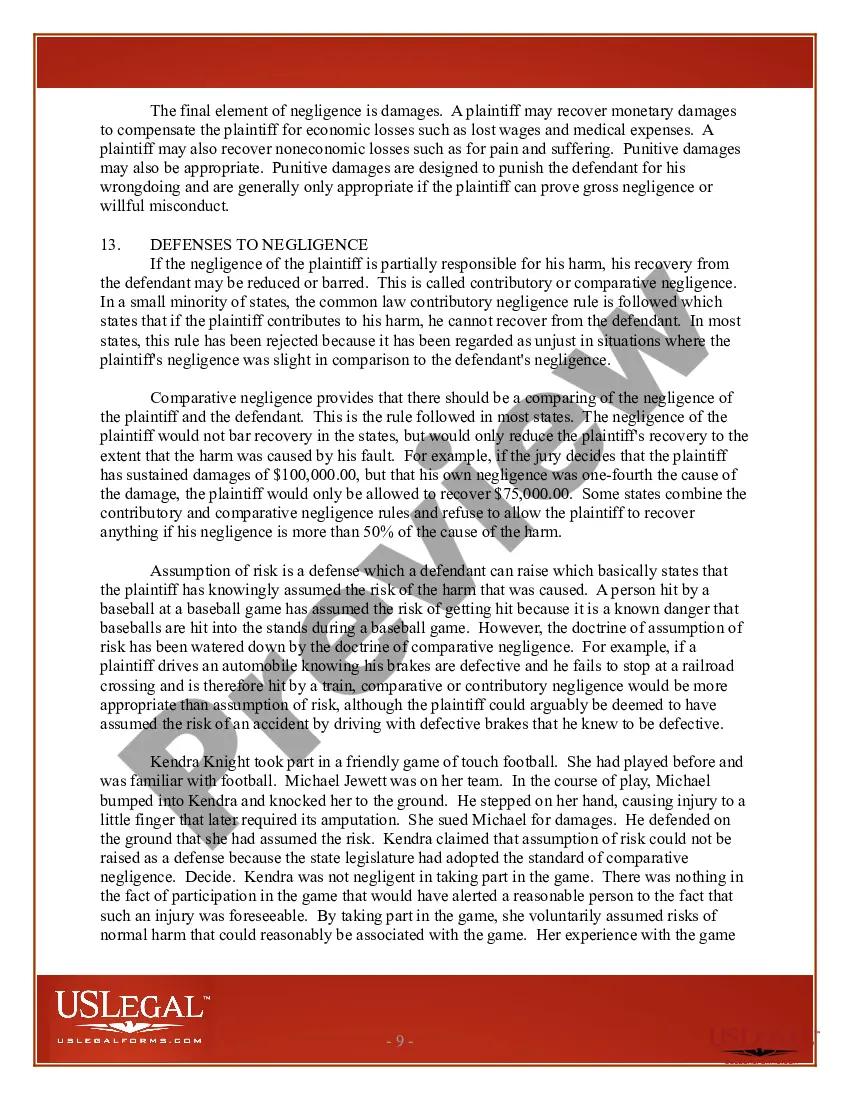
A tort is an act or omission that causes legally cognizable harm to persons or property. Tort law, in turn, is the body of rules concerned with remedying harms caused by a person's wrongful or injurious actions.
Standard Form 95 is used to present claims against the United States under the Federal Tort Claims Act (FTCA) for property damage, personal injury, or death allegedly caused by a federal employee's negligence or wrongful act or omission occurring within the scope of the employee's federal employment.
If they hit someone and hurt them, they have committed a negligence tort and likely owe the victim for their losses. Another common example of negligence torts are cases of slip and fall, which occur when a property owner fails to act as a reasonable person would, thus resulting in harm to the visitor or customer.
California Tort Claims Act Filing a claim gives the agency the opportunity to settle the claim before a lawsuit is filed and to investigate the claim so that it can properly defend itself, or to correct the conditions or practices that led to the claim.
Under the California Tort Claims Act, any person seeking to recover monetary damages for personal injuries, wrongful death and/or personal property, must file a government claim with each public entity defendant within six months of the accrual of the cause of action. (Gov. Code, § 911.2.)
California Tort Claims Act Filing a claim gives the agency the opportunity to settle the claim before a lawsuit is filed and to investigate the claim so that it can properly defend itself, or to correct the conditions or practices that led to the claim.
Typical Tort Claim Settlement Timeline While a good portion of injury claims are settled before trial, the timeline to a settlement can vary widely. A settlement can be reached at any point before the judge makes their ruling, but it typically takes anywhere from a few months to a few years.
If found liable, wrongdoers must compensate victims in full for losses. Compensation will not only include medical bills not covered by health insurance, lost past and future income and the costs of future care; it will also include awards for pain and suffering and the loss of the enjoyment of life.
To file a claim, complete these steps: Complete Standard Form 95. Explain in detail what happened, using additional pages if necessary. Attach all documents that support your claim, which may include the following. Submit the completed Standard Form 95 and supporting documents to the OPM Office of the General Counsel.