Torts Form With Decimals In Arizona
Description

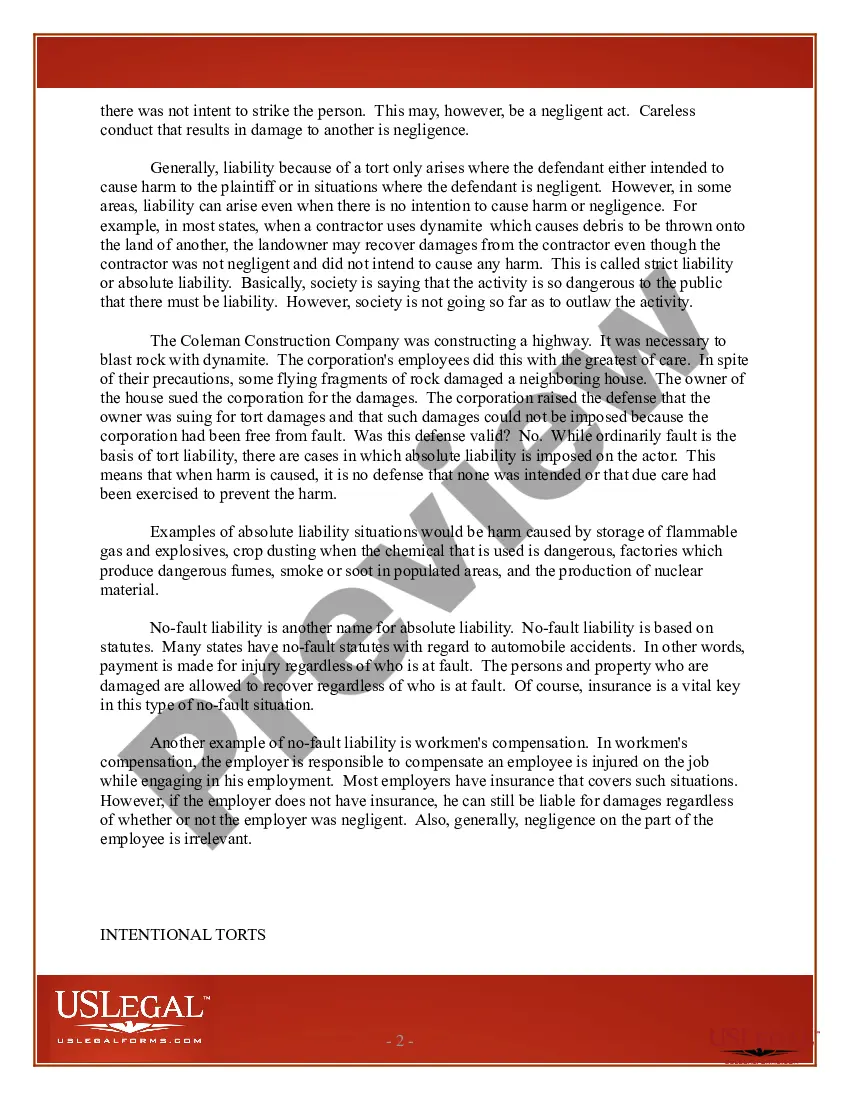
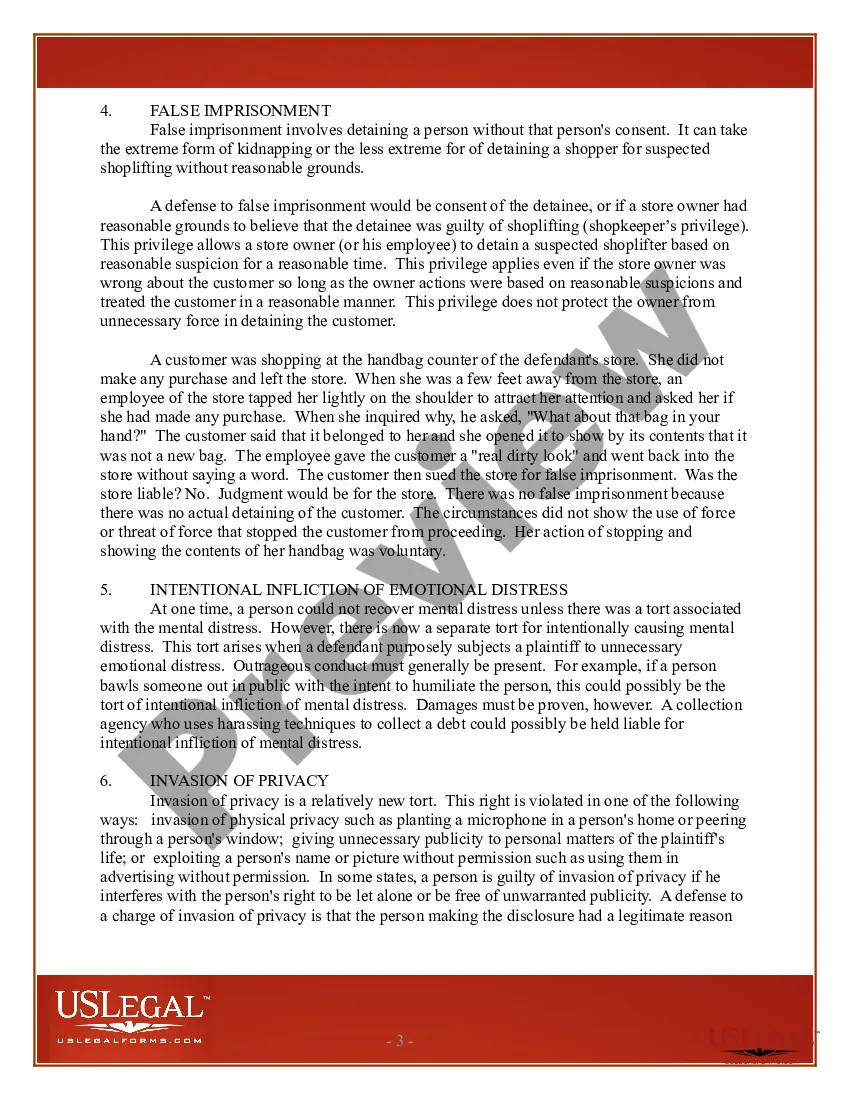
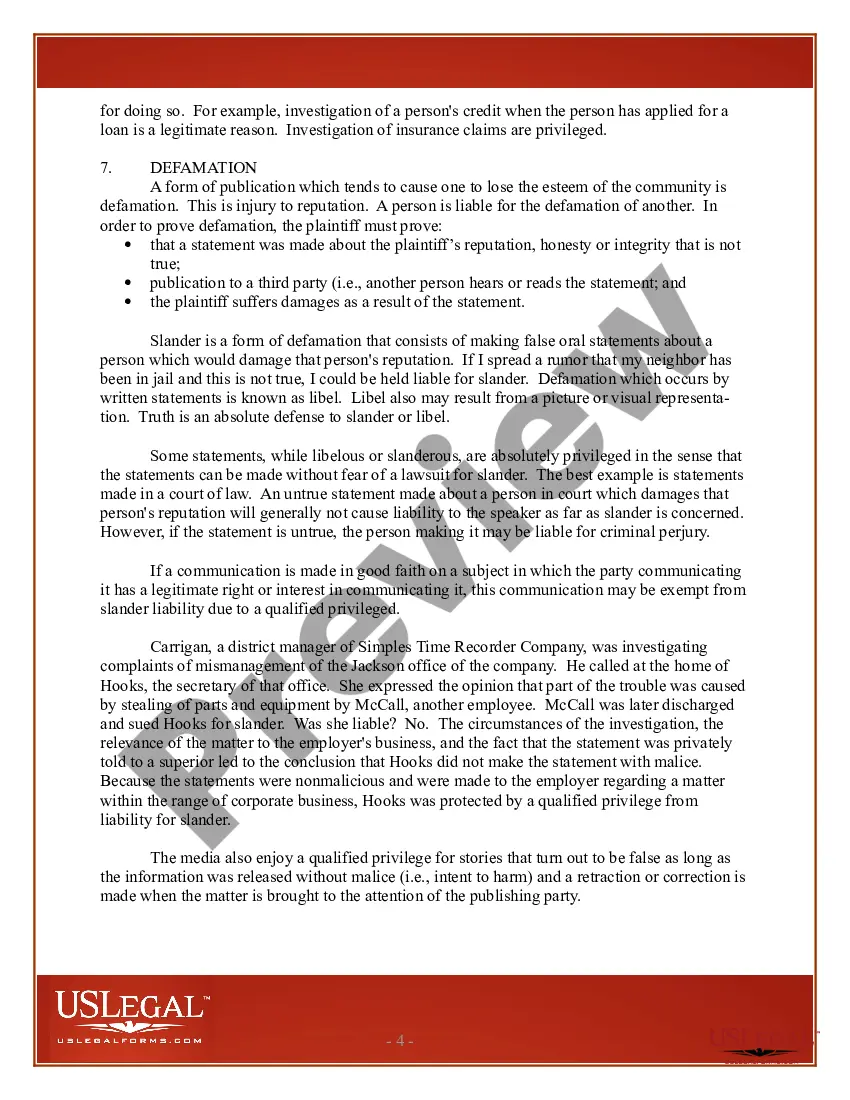
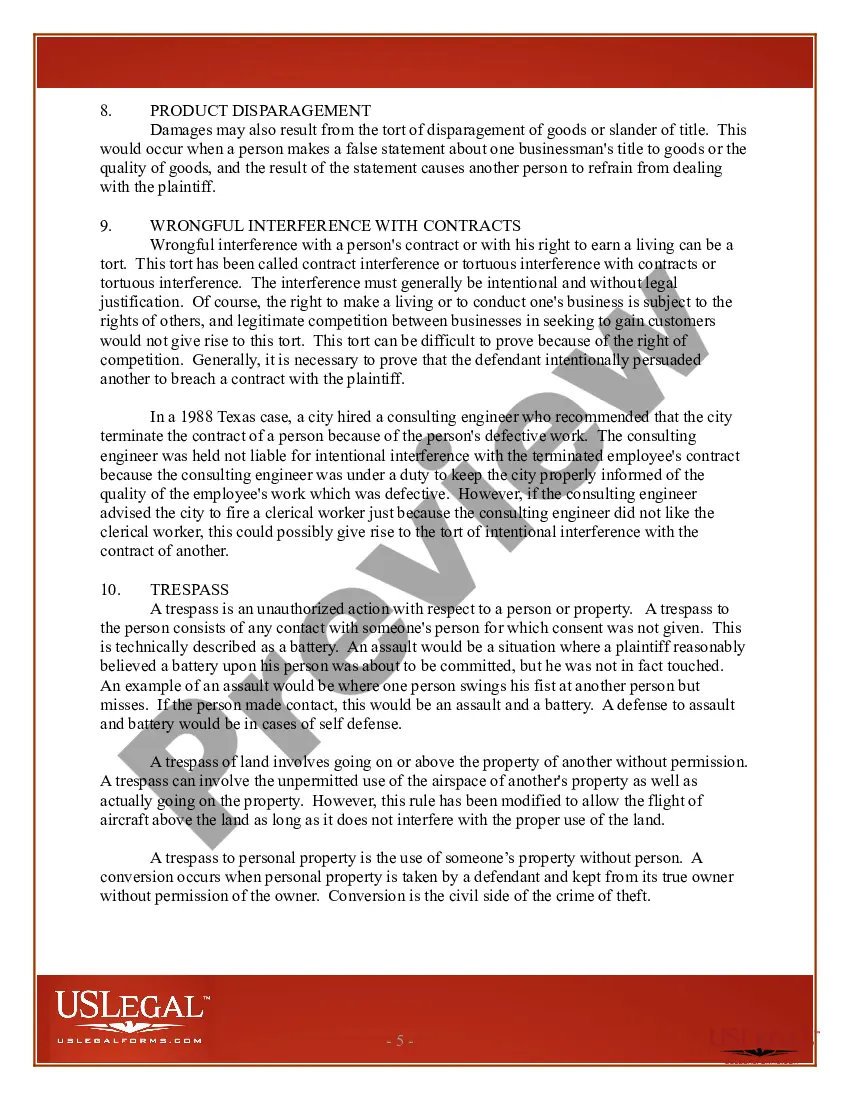
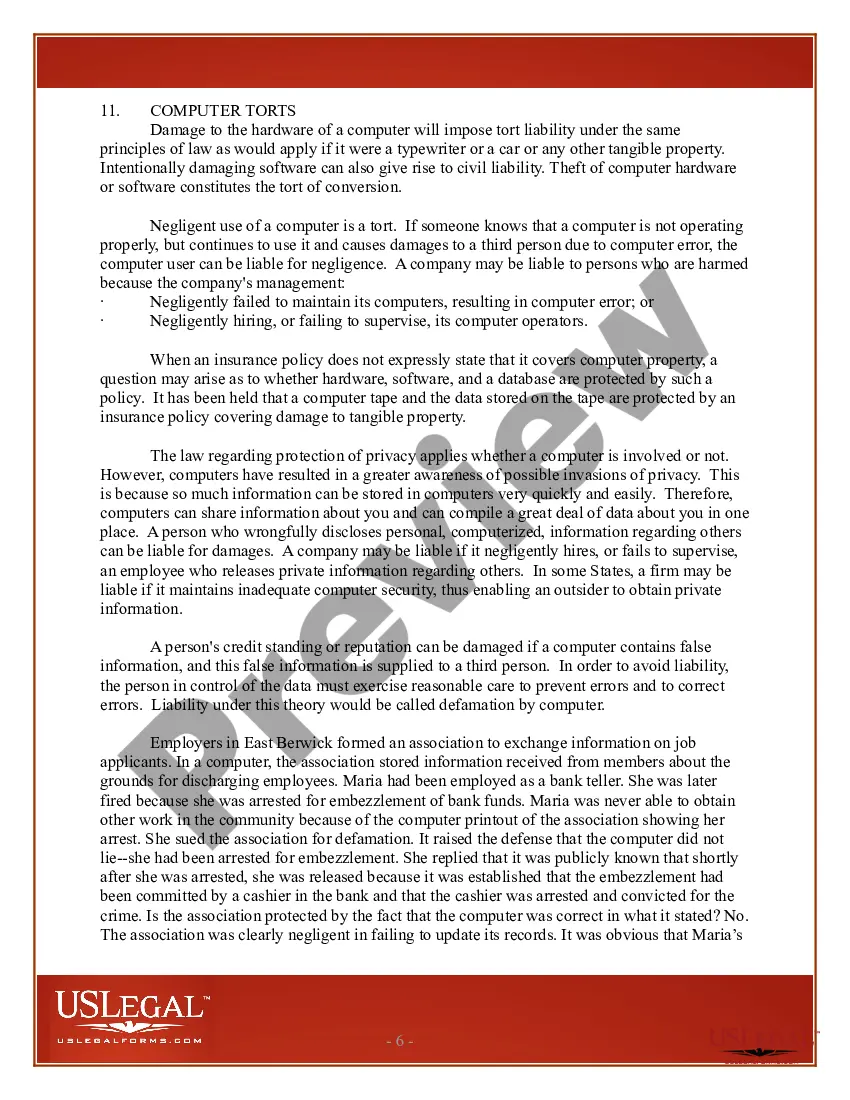
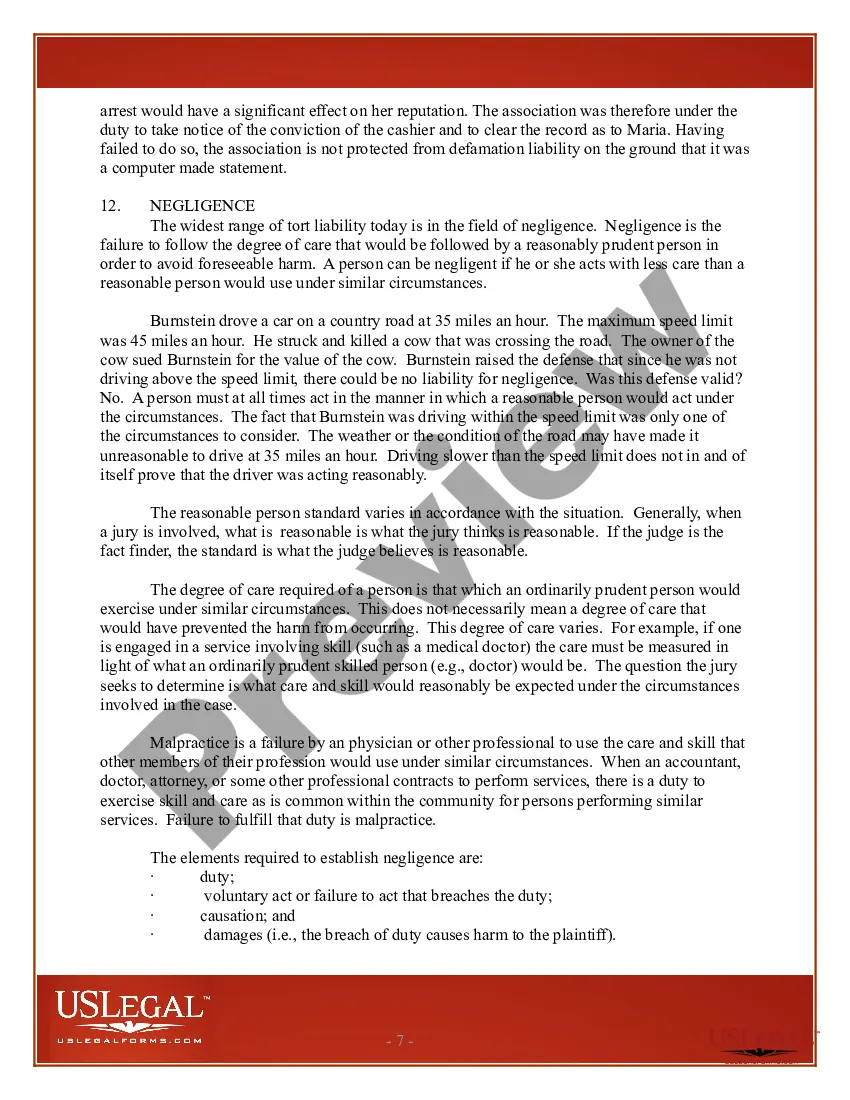
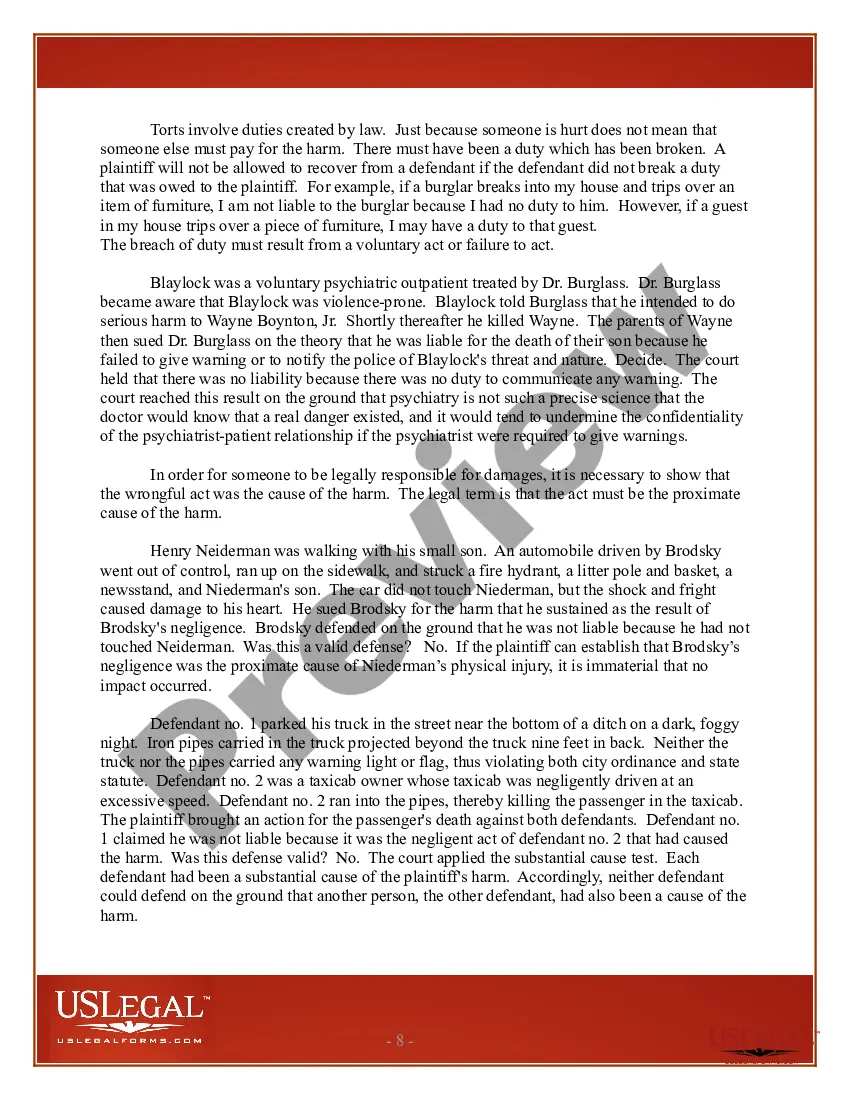
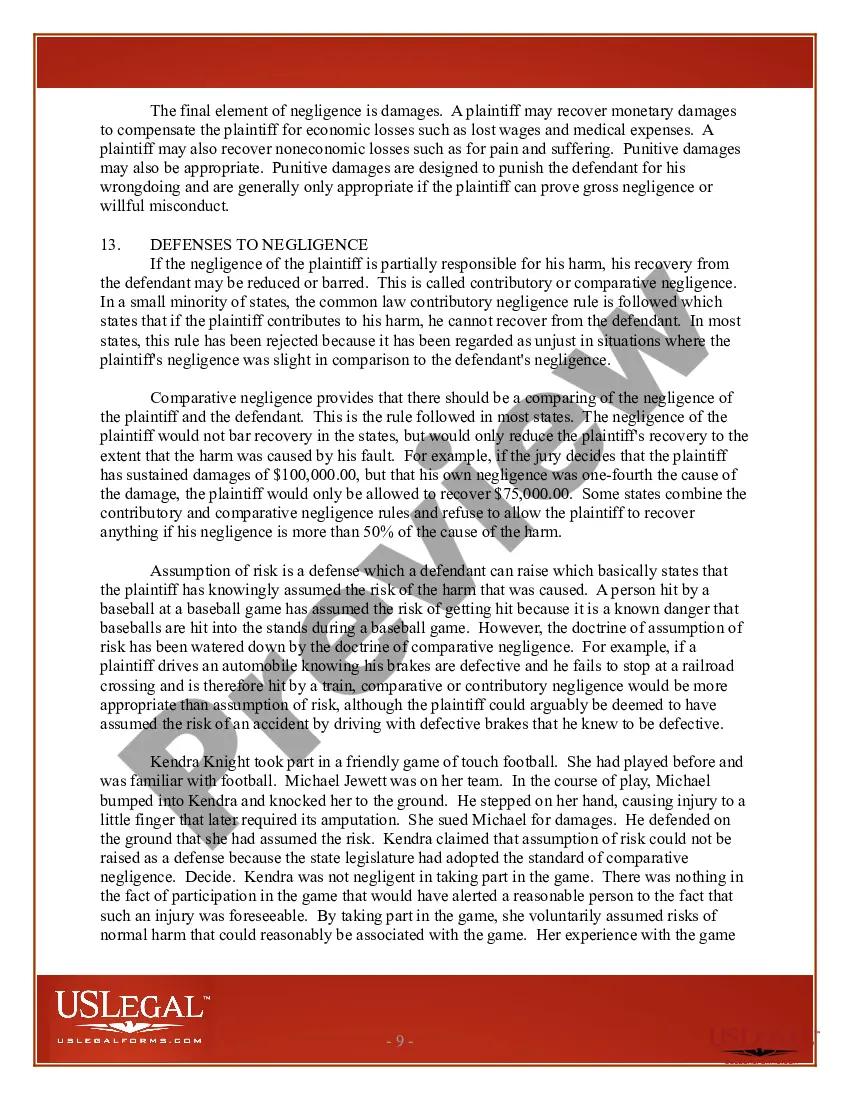




Get your form ready online
Our built-in tools help you complete, sign, share, and store your documents in one place.
Make edits, fill in missing information, and update formatting in US Legal Forms—just like you would in MS Word.
Download a copy, print it, send it by email, or mail it via USPS—whatever works best for your next step.
Sign and collect signatures with our SignNow integration. Send to multiple recipients, set reminders, and more. Go Premium to unlock E-Sign.
If this form requires notarization, complete it online through a secure video call—no need to meet a notary in person or wait for an appointment.
We protect your documents and personal data by following strict security and privacy standards.

Make edits, fill in missing information, and update formatting in US Legal Forms—just like you would in MS Word.

Download a copy, print it, send it by email, or mail it via USPS—whatever works best for your next step.

Sign and collect signatures with our SignNow integration. Send to multiple recipients, set reminders, and more. Go Premium to unlock E-Sign.

If this form requires notarization, complete it online through a secure video call—no need to meet a notary in person or wait for an appointment.

We protect your documents and personal data by following strict security and privacy standards.
Looking for another form?






Form popularity
FAQ
The case number typically appears in one of two formats, as shown in the following examples: CV 17-00010-PHX-DJH or cv00010 “CV” is the case type. Case types assigned by the Court include Civil (“cv”), Criminal (“cr”) and Miscellaneous (“mc”). The number 17 represents the year the case was filed.
A civil action filed in a limited jurisdiction court is a claim against another party for damages of an amount up to $10,000.00. These lawsuits are designed to resolve civil disputes before a justice of the peace. Parties in a civil lawsuit may be represented by attorneys and appeal their case to a higher court.
A party permitted to file a brief in paper must securely bind the brief (for example, the pages of the brief may be clipped or banded), but the binding must not use adhesives. The Supreme Court and Division One discourage the use of devices such as staples or two-pronged fasteners that perforate the pages of the brief.
Rule 13 - Costs (a) Statement of Costs; Objections. A party entitled to costs may, within ten days after entry of judgment, file in the Superior Court a sworn itemized statement of costs on appeal. An adverse party may file objections to the statement of costs within five days after service of such statement.
The court may permit service by publication, in such manner and form as the court may direct, if: (A) the serving party, despite reasonably diligent efforts, has been unable to determine the person's current address; or the person to be served has intentionally avoided service of process; (B) service by publication is ...
Under the new version of Rule 68(g), the sanctions against a party who fails to obtain a more favorable judgment than the offer is “twenty percent of the difference between the amount of the offer and the amount of the final judgment.” This change applies to offers of judgment served on or after January 1, 2022.
A plaintiff representing herself may obtain and fill out a prepared Complaint form from the Clerk of the Court at the courthouse or online at each county court website or by visiting . The Complaint must be filed with the Clerk of the appropriate court.