State Bar Form 9-2009 In Utah
Description
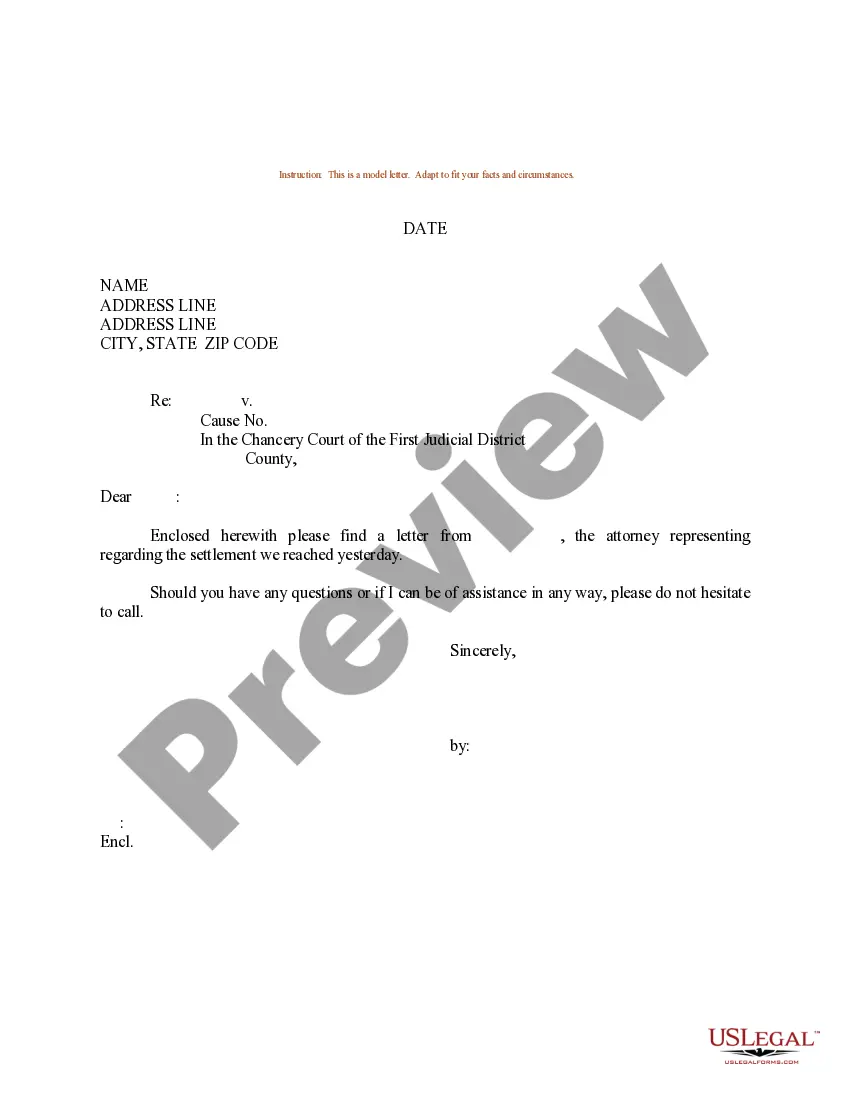
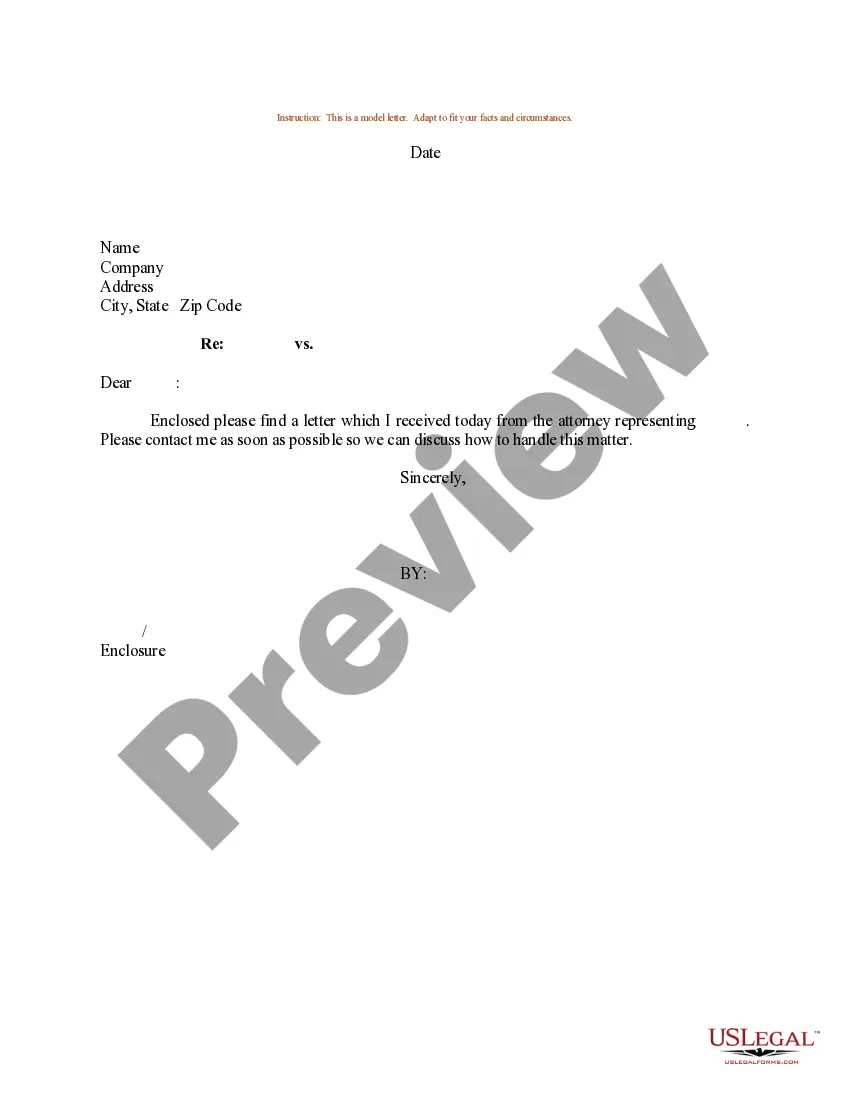
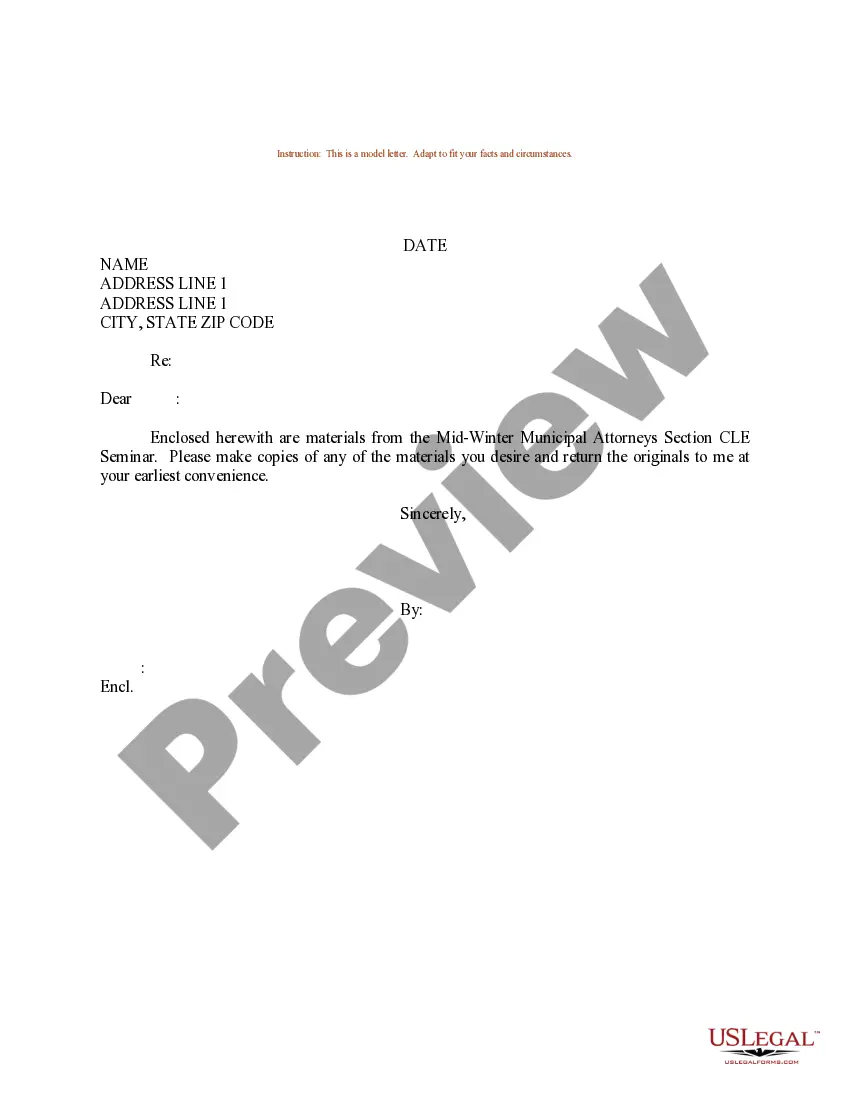
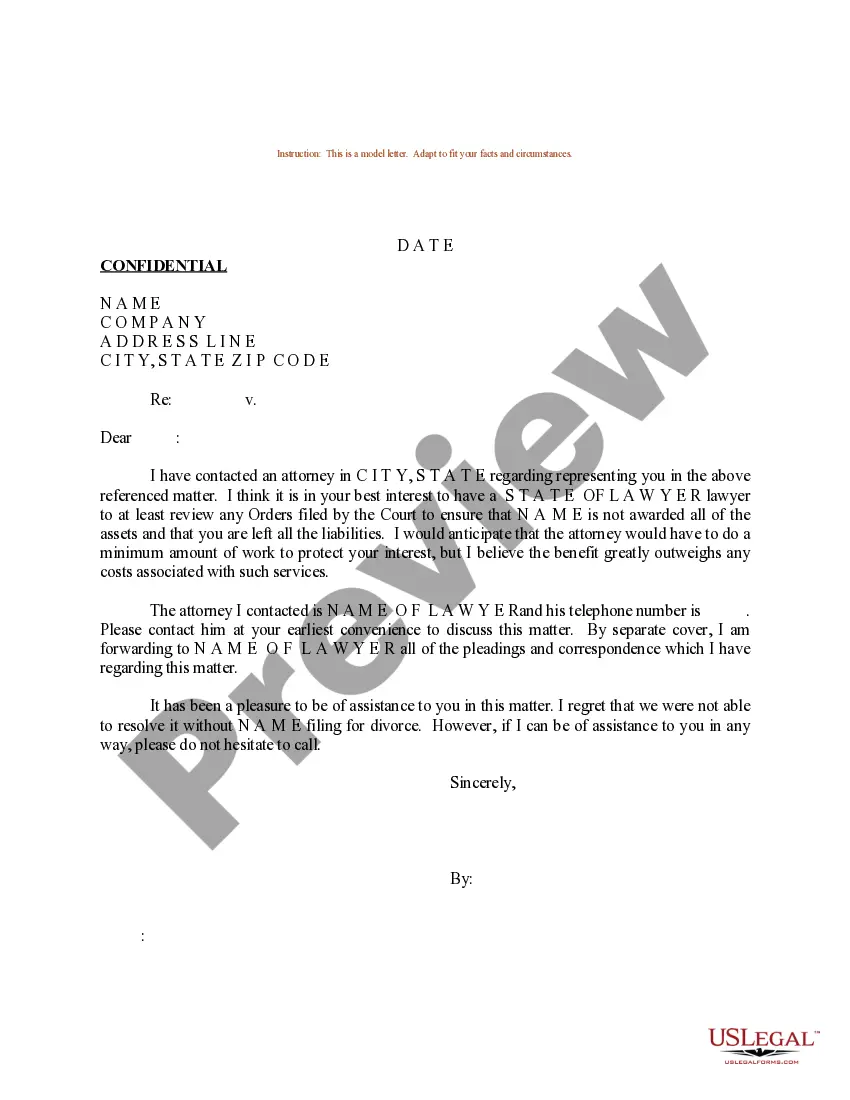
Get your form ready online
Our built-in tools help you complete, sign, share, and store your documents in one place.
Make edits, fill in missing information, and update formatting in US Legal Forms—just like you would in MS Word.
Download a copy, print it, send it by email, or mail it via USPS—whatever works best for your next step.
Sign and collect signatures with our SignNow integration. Send to multiple recipients, set reminders, and more. Go Premium to unlock E-Sign.
If this form requires notarization, complete it online through a secure video call—no need to meet a notary in person or wait for an appointment.
We protect your documents and personal data by following strict security and privacy standards.

Make edits, fill in missing information, and update formatting in US Legal Forms—just like you would in MS Word.

Download a copy, print it, send it by email, or mail it via USPS—whatever works best for your next step.

Sign and collect signatures with our SignNow integration. Send to multiple recipients, set reminders, and more. Go Premium to unlock E-Sign.

If this form requires notarization, complete it online through a secure video call—no need to meet a notary in person or wait for an appointment.

We protect your documents and personal data by following strict security and privacy standards.
Looking for another form?










Form popularity
FAQ
Disadvantages of transfer on death deeds Creditors may come after the new owner(s) of the property. Beneficiaries may get equal shares of the asset. Not available in many states. Unintentional disinheritance. Raises the risk that estate planning documents don't match.
A Utah transfer on death deed allows the owner of real property to set up a transfer of their ownership to a designated beneficiary for when they die. It skips the probate process and can be revoked at any time while the owner is still alive.
To get title to the property after your death, the beneficiary must record a certified copy of the death certificate in the county recorder's office. No probate is necessary. Use Nolo's Quicken WillMaker to make a transfer on death deed in any state that allows it.
To execute a TOD Deed in Utah: The property owner must create a deed that names one or more beneficiaries. The deed must be signed, notarized, and recorded with the county recorder where the property is located.
If you're thinking about ways to keep your home out of probate, and TOD deeds are an available option in your state, they are well worth considering. Unless you have a complex situation or have specific concerns, you likely won't need a lawyer to create a TOD deed.
The general requirements for a valid Will are usually as follows: (a) the document must be written (meaning typed or printed), (b) signed by the person making the Will (usually called the “testator” or “testatrix”, and (c) signed by two witnesses who were present to witness the execution of the document by the maker ...
Great question! Yes, you can draft your own documents, such as a separation agreement and quit-claim deed. There is nothing that prohibits this, although it is always best to have an attorney who handles that area of law prepare it for you.
How to File a Quitclaim Deed in Utah Step 1: Reference the Original Deed. Step 2: Consult an Attorney. Step 3: Complete the Quitclaim Deed. Step 4: Complete the Water Rights Addendum. Step 5: Sign and Notarize. Step 6: File with the County Recorder.
How to File a Quitclaim Deed in Utah Step 1: Reference the Original Deed. Step 2: Consult an Attorney. Step 3: Complete the Quitclaim Deed. Step 4: Complete the Water Rights Addendum. Step 5: Sign and Notarize. Step 6: File with the County Recorder.
Quitclaims, waivers, or releases by employees are generally looked upon with disfavor and are commonly frowned upon by the courts, since they are usually contrary to public policy, ineffective, and are meant to bar claims to an employee's legal rights.

