State Bar Form 9-2009 In Travis
Description
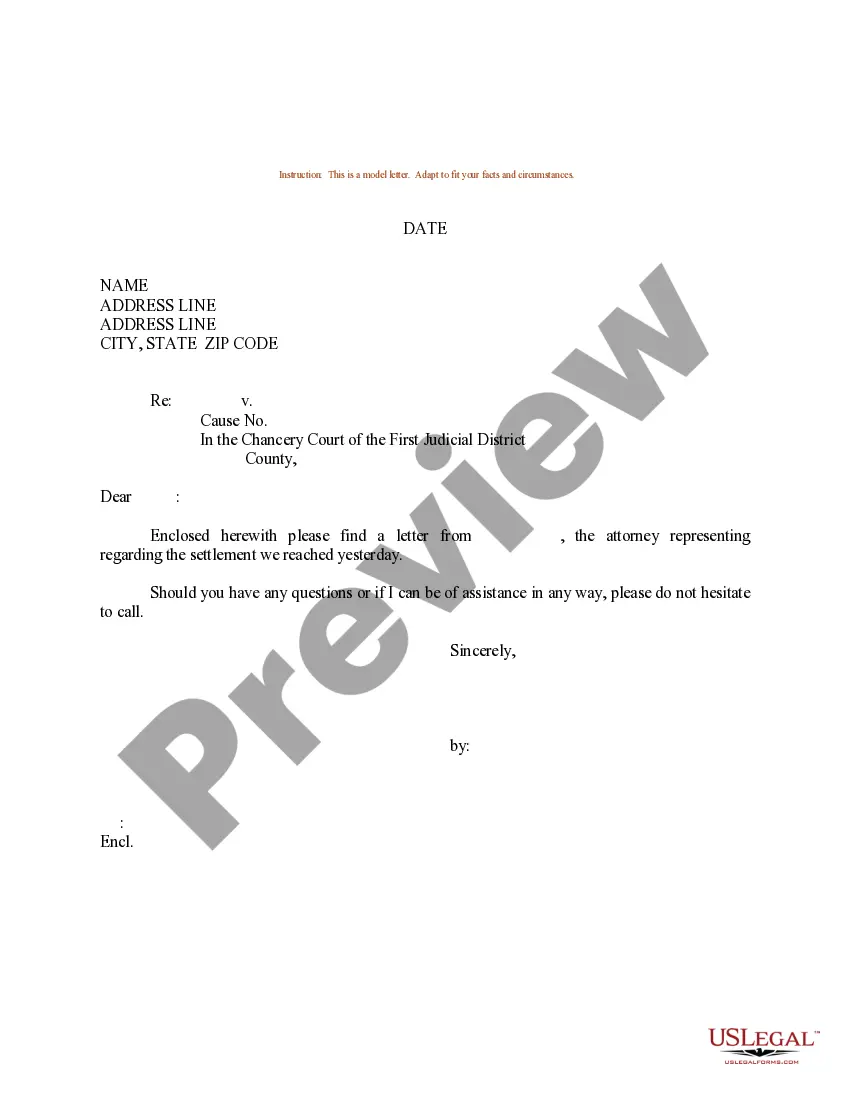
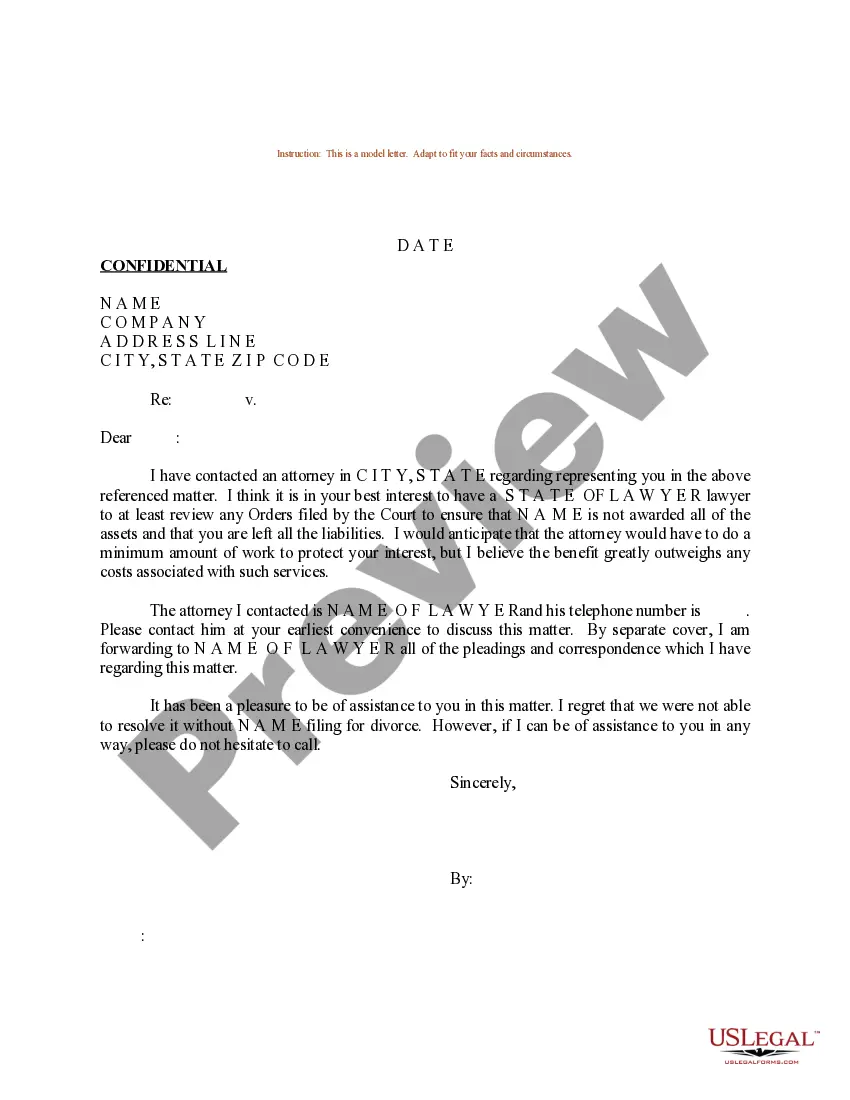
Get your form ready online
Our built-in tools help you complete, sign, share, and store your documents in one place.
Make edits, fill in missing information, and update formatting in US Legal Forms—just like you would in MS Word.
Download a copy, print it, send it by email, or mail it via USPS—whatever works best for your next step.
Sign and collect signatures with our SignNow integration. Send to multiple recipients, set reminders, and more. Go Premium to unlock E-Sign.
If this form requires notarization, complete it online through a secure video call—no need to meet a notary in person or wait for an appointment.
We protect your documents and personal data by following strict security and privacy standards.

Make edits, fill in missing information, and update formatting in US Legal Forms—just like you would in MS Word.

Download a copy, print it, send it by email, or mail it via USPS—whatever works best for your next step.

Sign and collect signatures with our SignNow integration. Send to multiple recipients, set reminders, and more. Go Premium to unlock E-Sign.

If this form requires notarization, complete it online through a secure video call—no need to meet a notary in person or wait for an appointment.

We protect your documents and personal data by following strict security and privacy standards.
Looking for another form?







Form popularity
FAQ
Potential for Disputes: Disputes among beneficiaries or challenges to the validity of the TOD deed can arise. Ambiguities in the deed, conflicting claims from heirs, or allegations of undue influence can result in legal disputes, delaying the process and undermining the intended efficiency of TOD deeds.
In California, property transfer at death must be done through a deed. When the property owner dies, the deed must be recorded with the county recorder's office to transfer the property title to the beneficiary. The deed must include the names of the deceased and the beneficiary and a legal description of the property.
Unless you have a complex situation or have specific concerns, you likely won't need a lawyer to create a TOD deed. But you will need to make sure that the TOD deed you make is valid in your state, since each state's rules are a little different.
In many cases, the spouse can inherit your house even if their name was not on the deed. This is because of how the probate process works. When someone dies intestate, their surviving spouse is the first one who gets a chance to file a petition with the court that would initiate administration of the estate.
Unless you have a complex situation or have specific concerns, you likely won't need a lawyer to create a TOD deed. But you will need to make sure that the TOD deed you make is valid in your state, since each state's rules are a little different.
Disadvantages of transfer on death deeds Creditors may come after the new owner(s) of the property. Beneficiaries may get equal shares of the asset. Not available in many states. Unintentional disinheritance. Raises the risk that estate planning documents don't match.
In California, property transfer at death must be done through a deed. When the property owner dies, the deed must be recorded with the county recorder's office to transfer the property title to the beneficiary. The deed must include the names of the deceased and the beneficiary and a legal description of the property.
You still own the property The beneficiary or TOD deed does not give the heirs any immediate rights to the property, so it avoids these problems.
Since a transfer on death account is not a trust, it is part of the decedent's estate. It does not avoid or minimize estate taxes.
Beneficiary Liability: A beneficiary named in a TOD deed becomes personally liable for the property owner's unsecured debts up to the value of the property received. This result may have been unintended by the owner and as an unpleasant surprise to the beneficiary.

