California State Bar Rules Of Professional Conduct In Salt Lake
Description
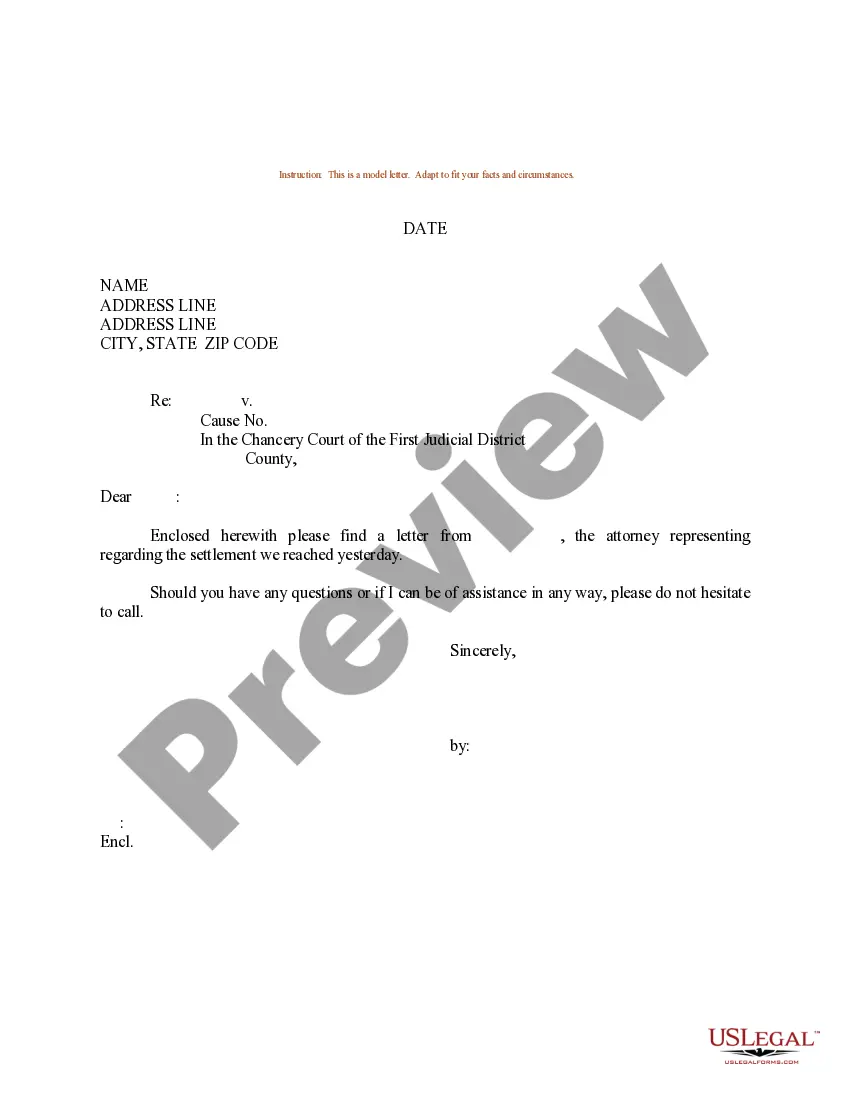
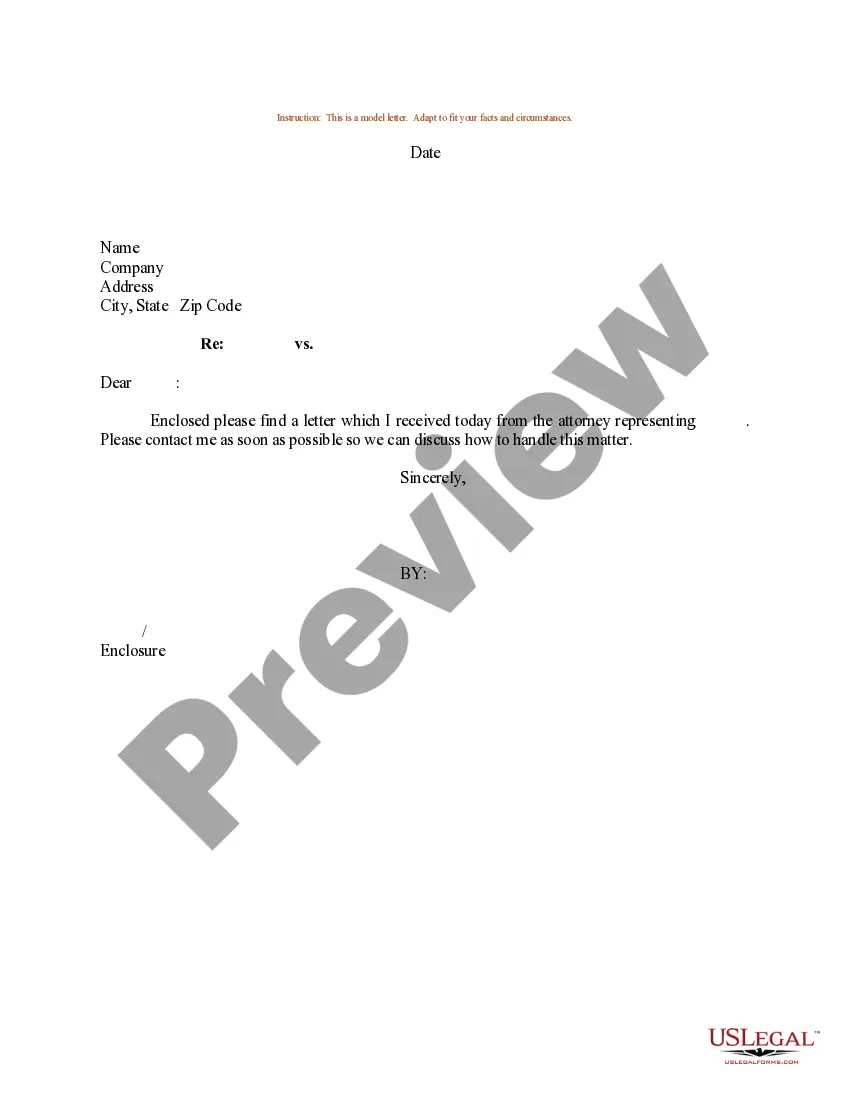
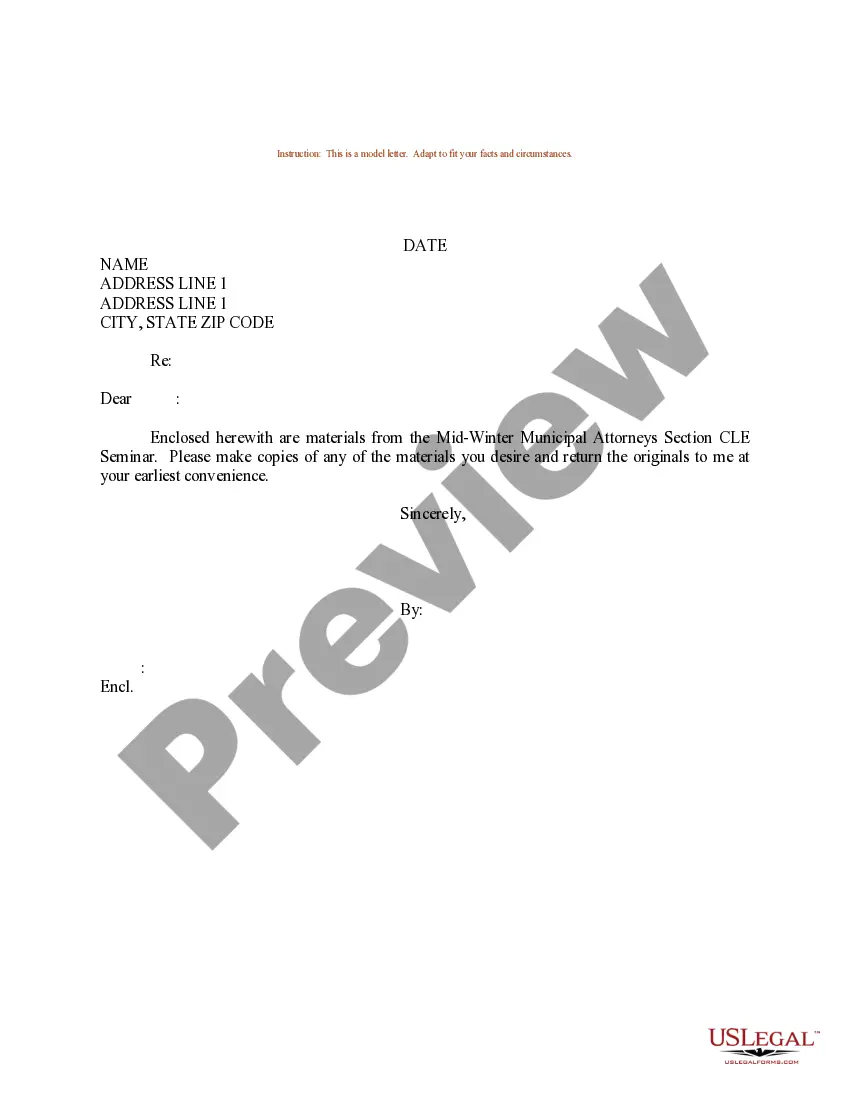
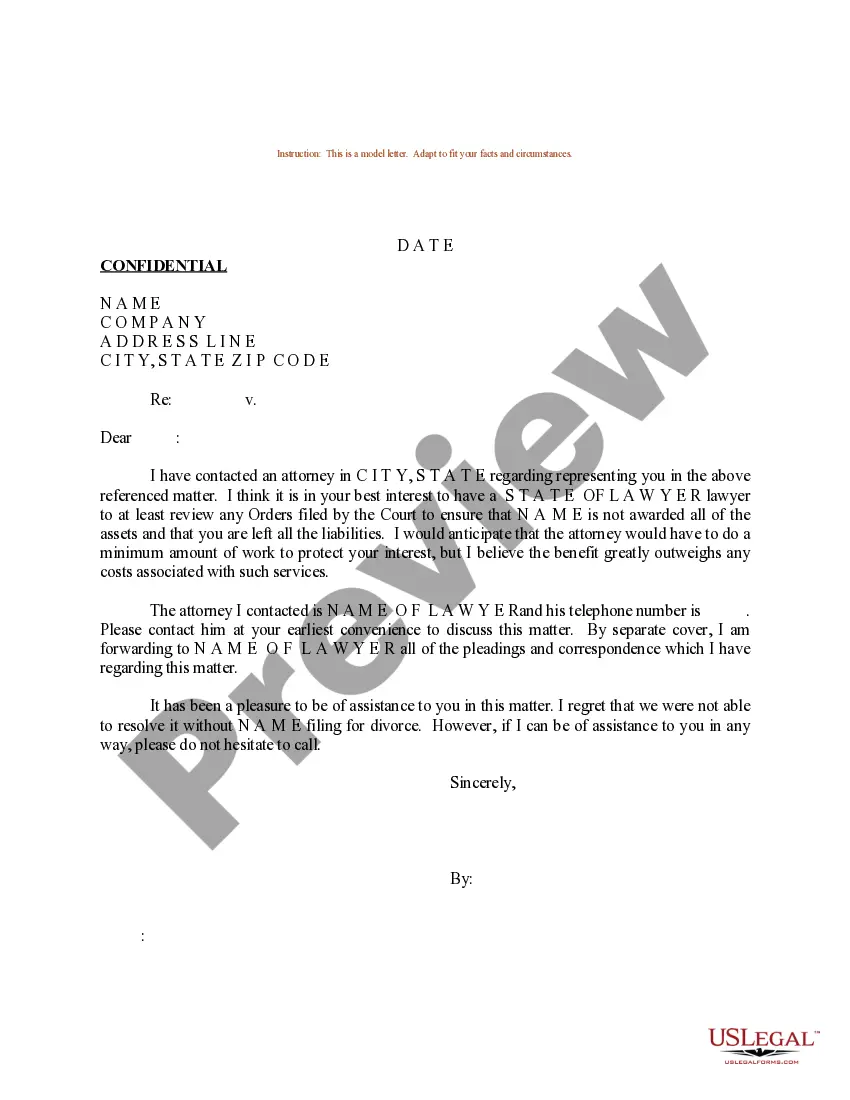
Get your form ready online
Our built-in tools help you complete, sign, share, and store your documents in one place.
Make edits, fill in missing information, and update formatting in US Legal Forms—just like you would in MS Word.
Download a copy, print it, send it by email, or mail it via USPS—whatever works best for your next step.
Sign and collect signatures with our SignNow integration. Send to multiple recipients, set reminders, and more. Go Premium to unlock E-Sign.
If this form requires notarization, complete it online through a secure video call—no need to meet a notary in person or wait for an appointment.
We protect your documents and personal data by following strict security and privacy standards.
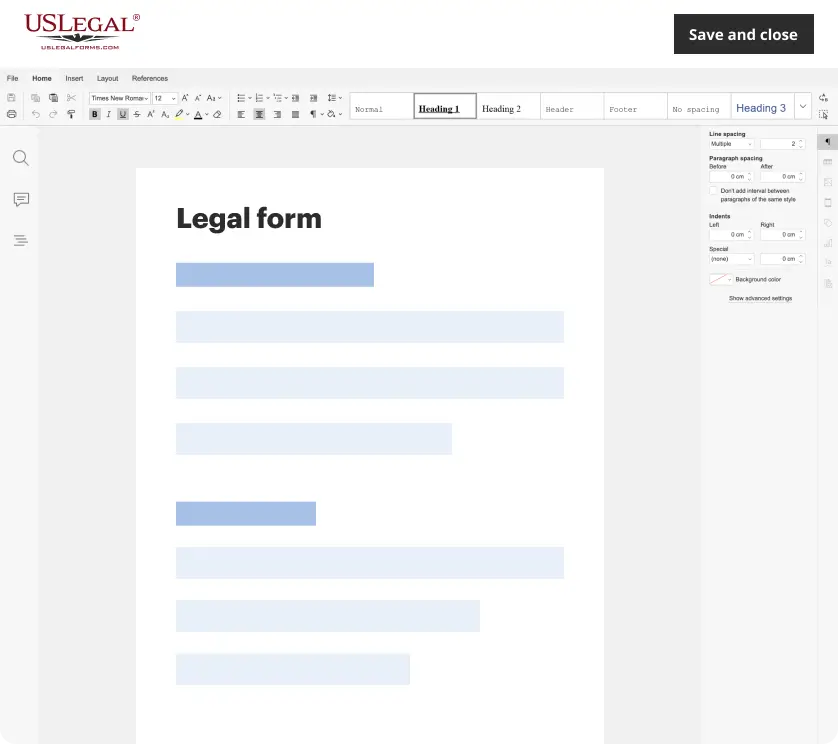
Make edits, fill in missing information, and update formatting in US Legal Forms—just like you would in MS Word.
Download a copy, print it, send it by email, or mail it via USPS—whatever works best for your next step.
Sign and collect signatures with our SignNow integration. Send to multiple recipients, set reminders, and more. Go Premium to unlock E-Sign.
If this form requires notarization, complete it online through a secure video call—no need to meet a notary in person or wait for an appointment.
We protect your documents and personal data by following strict security and privacy standards.
Looking for another form?
Form popularity
FAQ
Previously, as the only state not to adopt some version of the American Bar Association's Model Rule 8.3, California has now finally joined the rest of the nation. California's new Rule of Professional Conduct 8.3, which goes into effect August 1, 2023, establishes a duty to report the misconduct of other lawyers that ...
To further enhance accountability and ensure ethical behavior, a new rule has been introduced by the California State Bar: Rule of Professional Conduct 8.3. Effective August 1, 2023, this rule mandates lawyers to report credible evidence of certain conduct exhibited by other lawyers.
A member shall keep a client reasonably informed about significant developments relating to the employment or representation, including promptly complying with reasonable requests for information and copies of significant documents when necessary to keep the client so informed.
Rule 1.4 - Communication (a) A lawyer shall: (1) promptly inform the client of any decision or circumstance with respect to which the client's informed consent, as defined in Rule 1.0(e), is required by these Rules; (2) reasonably consult with the client about the means by which the client's objectives are to be ...
Proposed rule 4.1 prohibits a lawyer from making a false statement of fact or law to a third person and also requires a lawyer to disclose a material fact to avoid assisting a client in a criminal or fraudulent act, subject to the lawyer's duties under rule 1.6 and Business and Professions Code section 6068(e).
California Rule of Professional Conduct 5-300(B) prohibits an attorney from directly or indirectly communicating with a judge “upon the merits of a contested matter pending before the judge” except: (a) in open court; (b) with the consent of other counsel; (c) in the presence of other counsel; (d) in writing with a ...
Attorneys have an ethical obligation to promptly return a former client's papers and property upon a client's request when representation ends. After a brief representation, that duty may sound simple enough.
Rule 1-300 Unauthorized practice of Law. (A) A member shall not aid any person or entity in the unauthorized practice of law.
(A) A member shall not aid any person or entity in the unauthorized practice of law.
In California, qualified applicants can take the bar exam without going to law school. Most law schools require a college degree, but some may only ask for equivalent course work, and some law schools focus on your legal interest and life experiences and not on your grades or LSAT scores.

