State Bar Attorney Log In In Ohio
Description
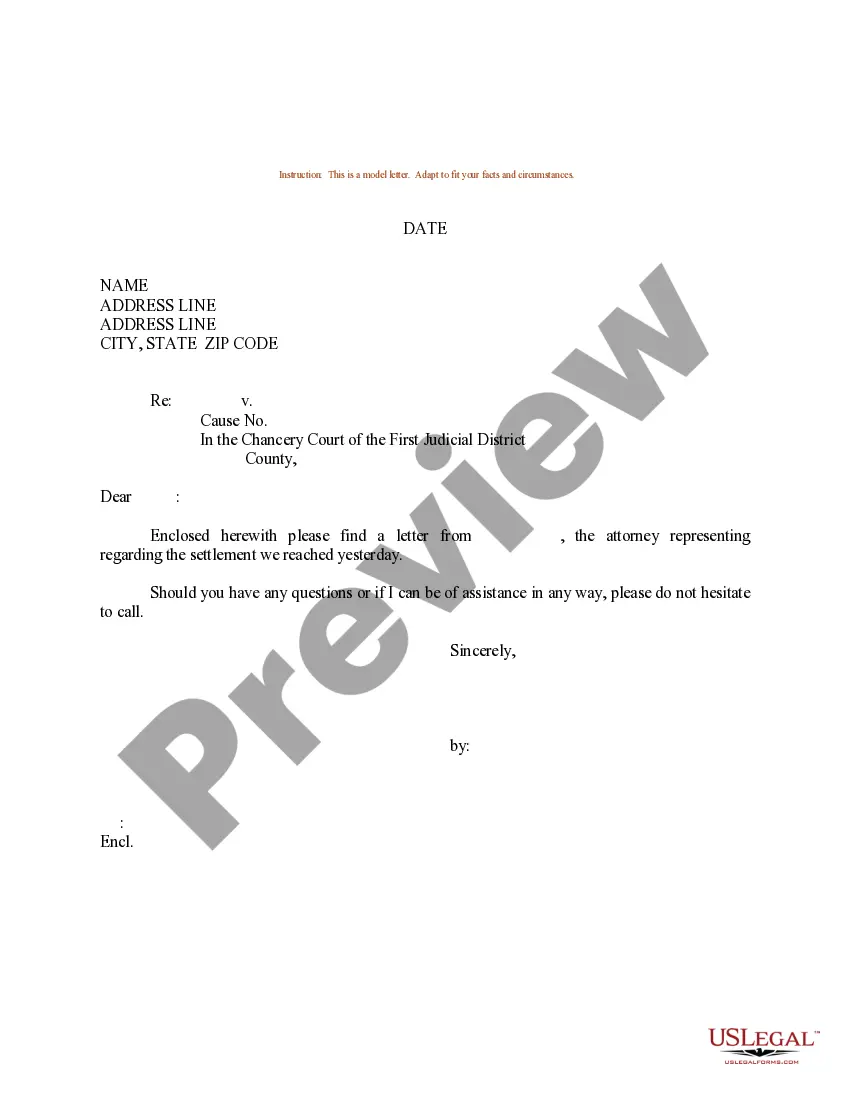

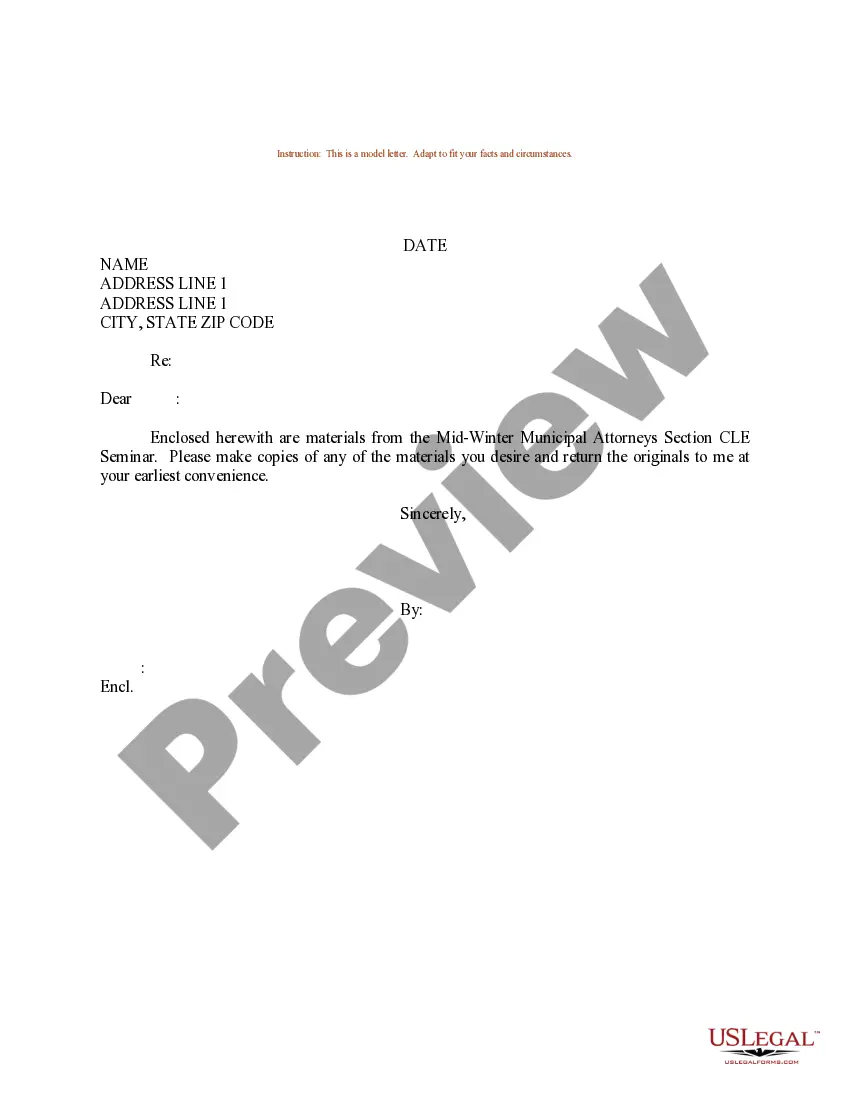
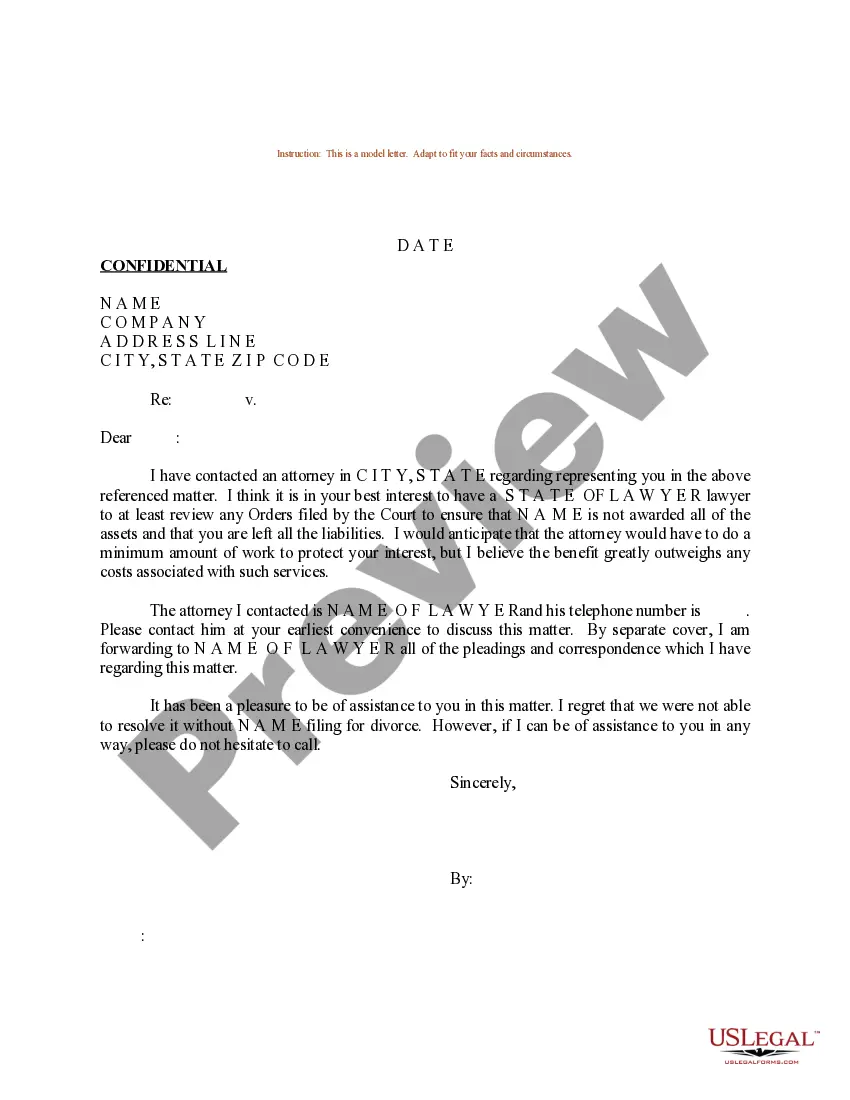
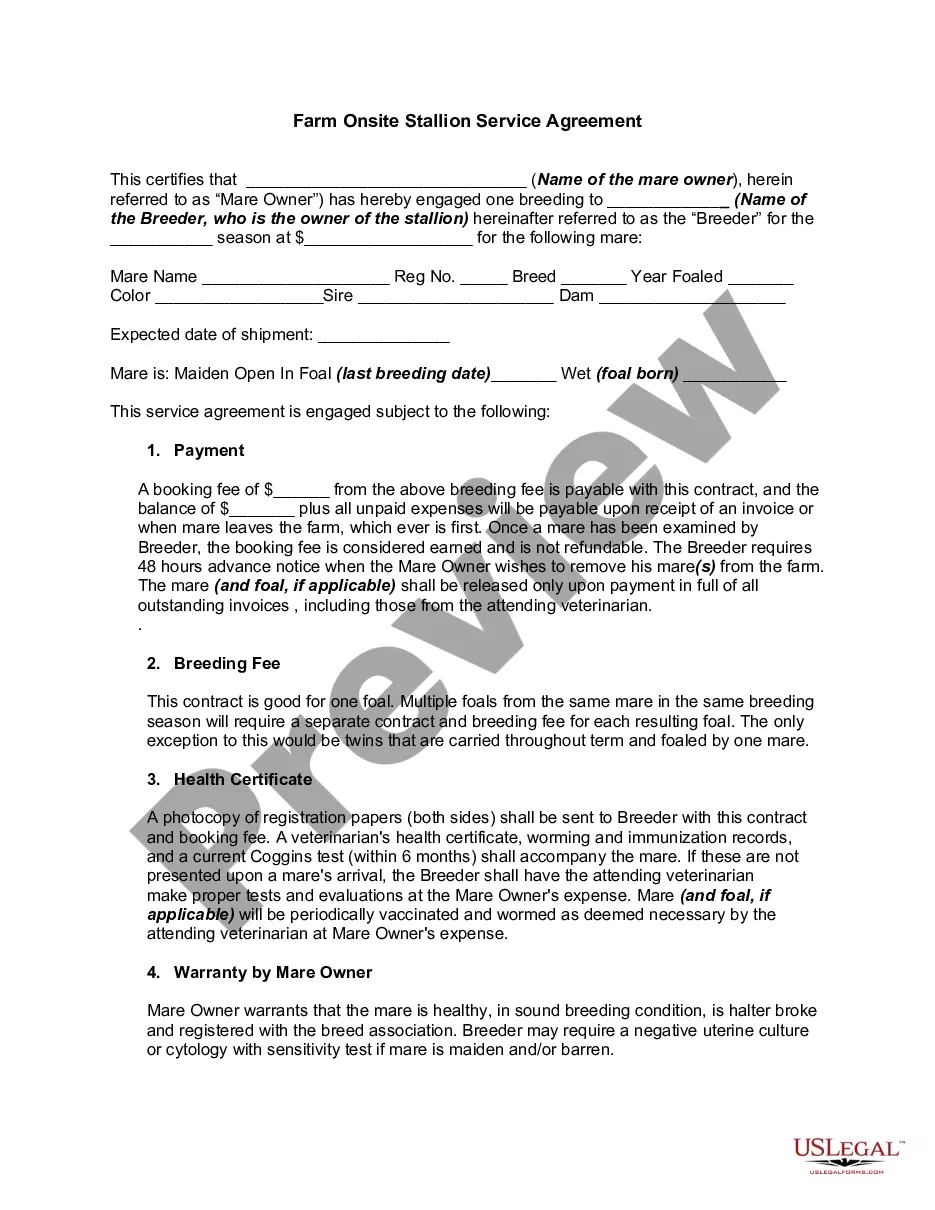
Get your form ready online
Our built-in tools help you complete, sign, share, and store your documents in one place.
Make edits, fill in missing information, and update formatting in US Legal Forms—just like you would in MS Word.
Download a copy, print it, send it by email, or mail it via USPS—whatever works best for your next step.
Sign and collect signatures with our SignNow integration. Send to multiple recipients, set reminders, and more. Go Premium to unlock E-Sign.
If this form requires notarization, complete it online through a secure video call—no need to meet a notary in person or wait for an appointment.
We protect your documents and personal data by following strict security and privacy standards.

Make edits, fill in missing information, and update formatting in US Legal Forms—just like you would in MS Word.

Download a copy, print it, send it by email, or mail it via USPS—whatever works best for your next step.

Sign and collect signatures with our SignNow integration. Send to multiple recipients, set reminders, and more. Go Premium to unlock E-Sign.

If this form requires notarization, complete it online through a secure video call—no need to meet a notary in person or wait for an appointment.

We protect your documents and personal data by following strict security and privacy standards.
Looking for another form?




Form popularity
FAQ
By telephone at 614-752-6417. By e-mail at OpinionsRequest@OhioAttorneyGeneral.
Phone. Call our Member Service Center between the hours of 8 a.m. and 5 p.m. at (800) 232-7124 or (614) 487-8585.
You must score a minimum of 405 points to pass. The MBE counts for 1/3 of the score and the written portion (MPT and essays) count for 2/3 of the score. In addition to passing the bar exam, in order to practice law in Ohio, you must also pass the Multistate Professional Responsibility Exam (MPRE).
These impermissible factors include, but are not limited to, the following: 1) age; 2) sex; 3) race; 4) color; 5) national origin; 6) religion; 7) disability, provided that the applicant, though disabled, is able to satisfy the essential eligibility requirements for the practice of law.
The OSBA does not license attorneys to practice law in Ohio; the Supreme Court of Ohio is the licensing body. For a complete listing of all attorneys licensed in Ohio, please visit the Court's Web site by clicking here. Click here to search our Member Directory.
To practice law in Ohio, an attorney must be admitted to practice (granted a license) by the Supreme Court of Ohio and must maintain that license in good standing.
1. To be admitted to the practice of law in Ohio, an applicant shall satisfy all of the following requirements: (A) Be at least twenty-one years of age; (B) Have earned a bachelor's degree or doctoral-level degree from an accredited college or university; (C) Have earned a J.D. or an L.L.B.
Character and Fitness This component of the bar exam varies by state but typically covers lack of candor, criminal record, untreated mental illness and substance abuse, and financial irresponsibility. This is why law school applications often ask detailed questions about applicants' disciplinary and criminal records.

