State Bar Association Directory With Pictures In Mecklenburg
Description
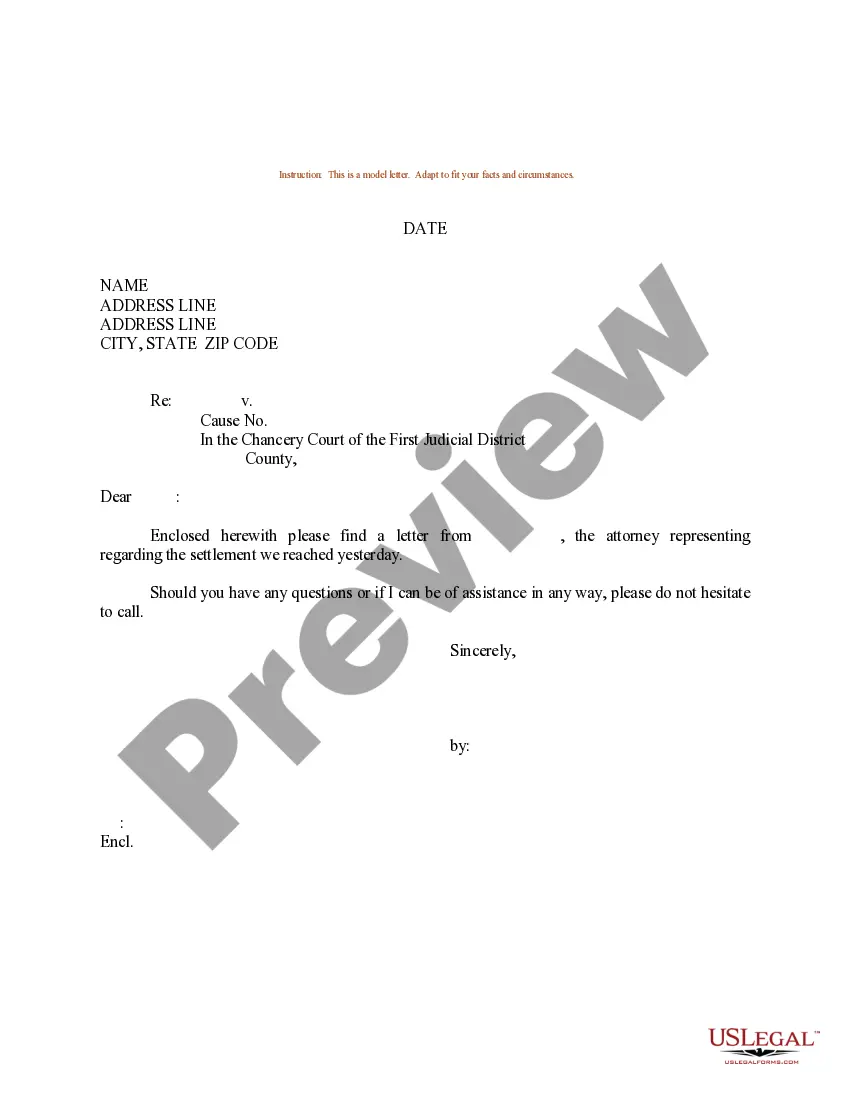
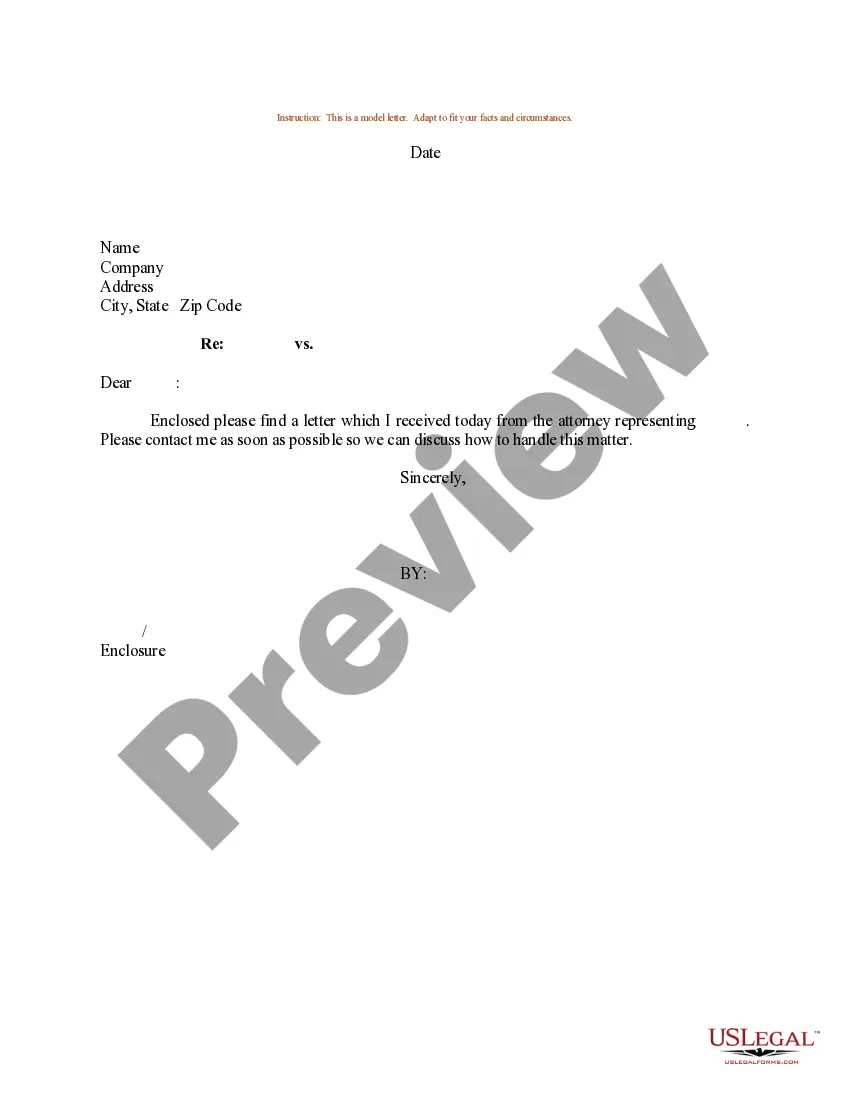
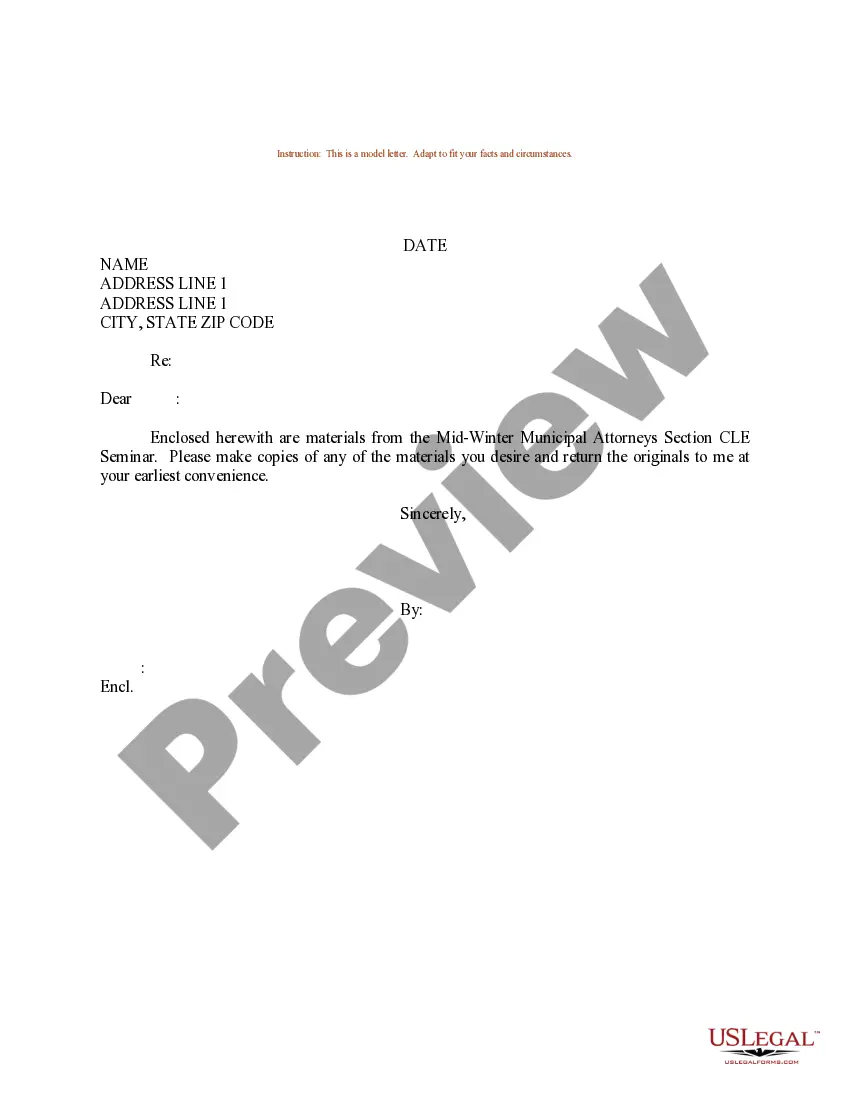
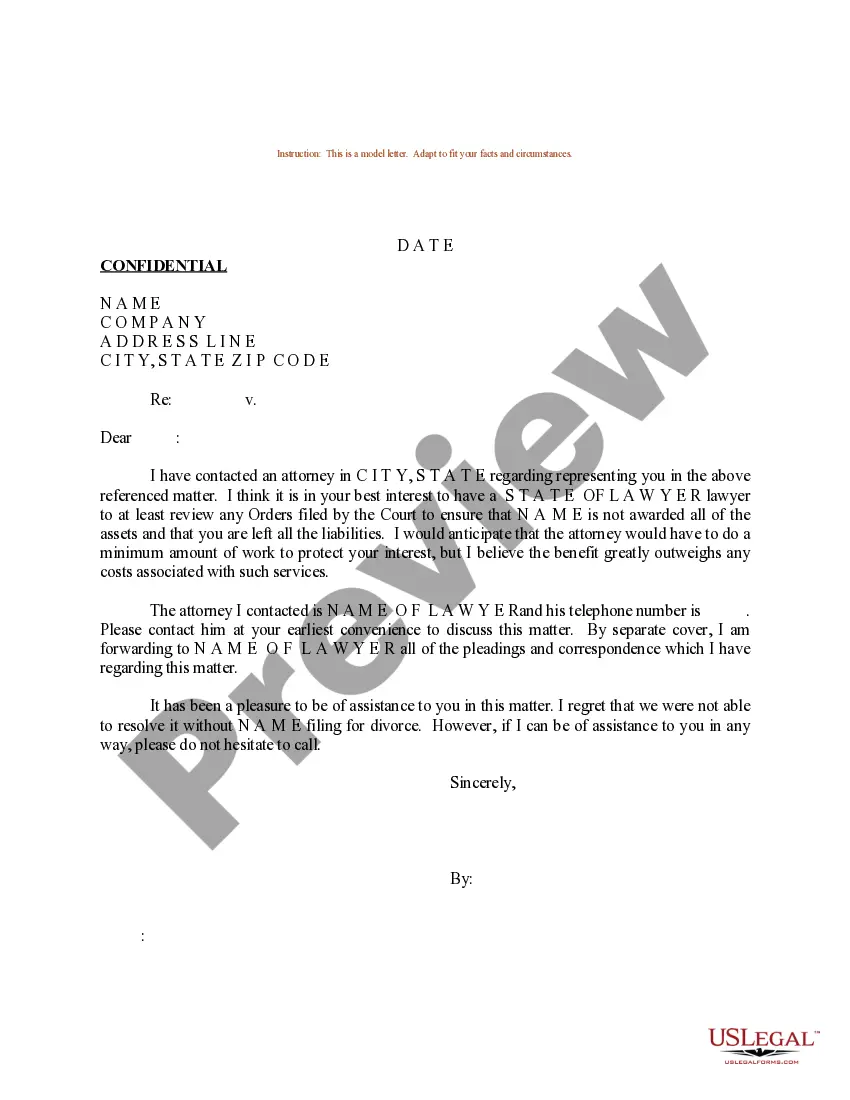
Get your form ready online
Our built-in tools help you complete, sign, share, and store your documents in one place.
Make edits, fill in missing information, and update formatting in US Legal Forms—just like you would in MS Word.
Download a copy, print it, send it by email, or mail it via USPS—whatever works best for your next step.
Sign and collect signatures with our SignNow integration. Send to multiple recipients, set reminders, and more. Go Premium to unlock E-Sign.
If this form requires notarization, complete it online through a secure video call—no need to meet a notary in person or wait for an appointment.
We protect your documents and personal data by following strict security and privacy standards.

Make edits, fill in missing information, and update formatting in US Legal Forms—just like you would in MS Word.

Download a copy, print it, send it by email, or mail it via USPS—whatever works best for your next step.

Sign and collect signatures with our SignNow integration. Send to multiple recipients, set reminders, and more. Go Premium to unlock E-Sign.

If this form requires notarization, complete it online through a secure video call—no need to meet a notary in person or wait for an appointment.

We protect your documents and personal data by following strict security and privacy standards.
Looking for another form?








Form popularity
FAQ
The State Bar is a government agency. All licensed North Carolina lawyers must be members of the State Bar. The North Carolina Bar Association is a non-governmental, voluntary, professional organization that lawyers may join, but they are not required to do so to practice law in North Carolina.
Admission to the North Carolina State Bar is the responsibility of the North Carolina Board of Law Examiners. An application and information about admission may be obtained by calling the board at (919) 848-4229 or writing to the board at 5510 Six Forks, Suite 300, Raleigh NC 27609.
The North Carolina State Bar is the state agency responsible for regulating the practice of law in North Carolina.
Most states have a bar that is a government-sanctioned body, charged with the regulation and licensing of attorneys. Some states also have a voluntary bar association that focuses on advancing and improving the legal profession. In other states, one organization serves both functions.
In other states, one organization serves both functions. In every state, however, there is at least one entity that exists to streamline and support the legal profession and to engage with the public to assure confidence in and accountability for attorneys.
In every U.S. jurisdiction except Wisconsin, Oregon, and Washington, all those seeking admission to the bar must pass a bar examination.
California doesn't offer reciprocity but offers a shorter bar exam for attorneys who are admitted in other states and who have been in good standing as an attorney in those states for at least four years prior to their application.
Mostly, no. Most practice areas are governed by state law, and those will require a State Bar license. Even fields of law that are primarily federal—bankruptcy, immigration, etc. —may require a State Bar license.
In total, there are 8,618 lawyers currently licensed to practice in New Mexico, and all of these attorneys are members of the State Bar of New Mexico—the state's mandatory bar association.
One-fourth of all the lawyers in the country are in just two states: New York (187,656 lawyers) and California (175,883 lawyers). Combined, they have 28% of the nation's lawyers, ing to the 2024 ABA National Lawyer Population Survey. North Dakota has the fewest lawyers among the 50 states: 1,663.

