Nv Bar Association For Nc In Collin
Description
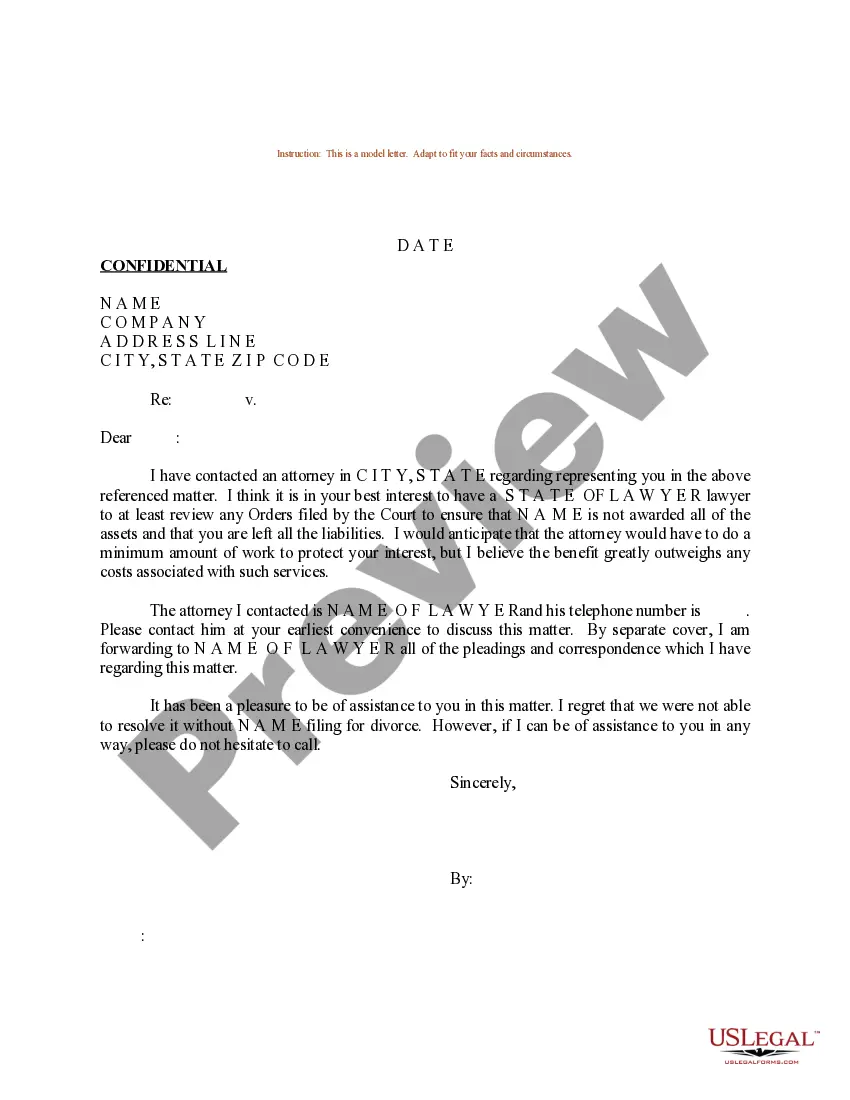
Get your form ready online
Our built-in tools help you complete, sign, share, and store your documents in one place.
Make edits, fill in missing information, and update formatting in US Legal Forms—just like you would in MS Word.
Download a copy, print it, send it by email, or mail it via USPS—whatever works best for your next step.
Sign and collect signatures with our SignNow integration. Send to multiple recipients, set reminders, and more. Go Premium to unlock E-Sign.
If this form requires notarization, complete it online through a secure video call—no need to meet a notary in person or wait for an appointment.
We protect your documents and personal data by following strict security and privacy standards.

Make edits, fill in missing information, and update formatting in US Legal Forms—just like you would in MS Word.

Download a copy, print it, send it by email, or mail it via USPS—whatever works best for your next step.

Sign and collect signatures with our SignNow integration. Send to multiple recipients, set reminders, and more. Go Premium to unlock E-Sign.

If this form requires notarization, complete it online through a secure video call—no need to meet a notary in person or wait for an appointment.

We protect your documents and personal data by following strict security and privacy standards.
Looking for another form?








Form popularity
FAQ
Nevada has NO RECIPROCITY OR ADMISSION BY MOTION of any kind.
What does bar exam stand for? The “bar” in bar exam or bar association is not an acronym. The origin of the term bar derives from the physical layout of a courtroom. A wood rail separates court observers from the judge, jury, lawyers, and parties in a courtroom.
North Carolina has reciprocity agreements with: AK, CO, CT, DC, GA, IL, IN, IA, KY, MA, MI, MN, MO, NE, NH, NY, ND, OH, OK, PA, TN, TX, UT, VT, WA, WV, WI, and WY.
The North Carolina Board of Law Examiners is an independent agency charged with admitting attorneys to practice law in the State of North Carolina. The Board is made up of 11 members elected by the Council of the North Carolina State Bar, and the Board employs an Executive Director.
The NC Lawyers Weekly article states, “A growth spurt over the last year has propelled Moore & Van Allen to the top spot in the North Carolina Lawyers Weekly's roster of the largest law firm in the state. “ Mitchell “credits his firm's partners for building relationships and adding clients to enable the firm to grow.”
The State Bar is a government agency. All licensed North Carolina lawyers must be members of the State Bar. The North Carolina Bar Association is a non-governmental, voluntary, professional organization that lawyers may join, but they are not required to do so to practice law in North Carolina.
These requirements vary among the 42 states that have adopted it. DOES NEVADA HAVE RECIPROCITY? Nevada has not adopted reciprocity as an avenue for entry into practice in this state.
The North Carolina State Bar was created in 1933 by the North Carolina General Assembly as the government agency responsible for the regulation of the legal profession in North Carolina. The State Bar currently regulates over 27,000 licensed lawyers.
In most cases, your attorney must be admitted to the bar in the state with jurisdiction. Most states have a process for an out of state attorney to be admitted to represent a client for one case only. The Latin phrase “pro hac vice” or “for this occasion only” describes this process.
1 A lawyer may practice law only in a jurisdiction in which the lawyer is authorized to practice. The practice of law in violation of lawyer-licensing standards of another jurisdiction constitutes a violation of these Rules.