Nv Bar Association Withdrawal In California
Description
Get your form ready online
Our built-in tools help you complete, sign, share, and store your documents in one place.
Make edits, fill in missing information, and update formatting in US Legal Forms—just like you would in MS Word.
Download a copy, print it, send it by email, or mail it via USPS—whatever works best for your next step.
Sign and collect signatures with our SignNow integration. Send to multiple recipients, set reminders, and more. Go Premium to unlock E-Sign.
If this form requires notarization, complete it online through a secure video call—no need to meet a notary in person or wait for an appointment.
We protect your documents and personal data by following strict security and privacy standards.

Make edits, fill in missing information, and update formatting in US Legal Forms—just like you would in MS Word.

Download a copy, print it, send it by email, or mail it via USPS—whatever works best for your next step.

Sign and collect signatures with our SignNow integration. Send to multiple recipients, set reminders, and more. Go Premium to unlock E-Sign.

If this form requires notarization, complete it online through a secure video call—no need to meet a notary in person or wait for an appointment.

We protect your documents and personal data by following strict security and privacy standards.
Looking for another form?









Form popularity
FAQ
2 A lawyer ordinarily must decline or withdraw from representation if the client demands that the lawyer engage in conduct that is illegal or violates the Rules of Professional Conduct or other law.
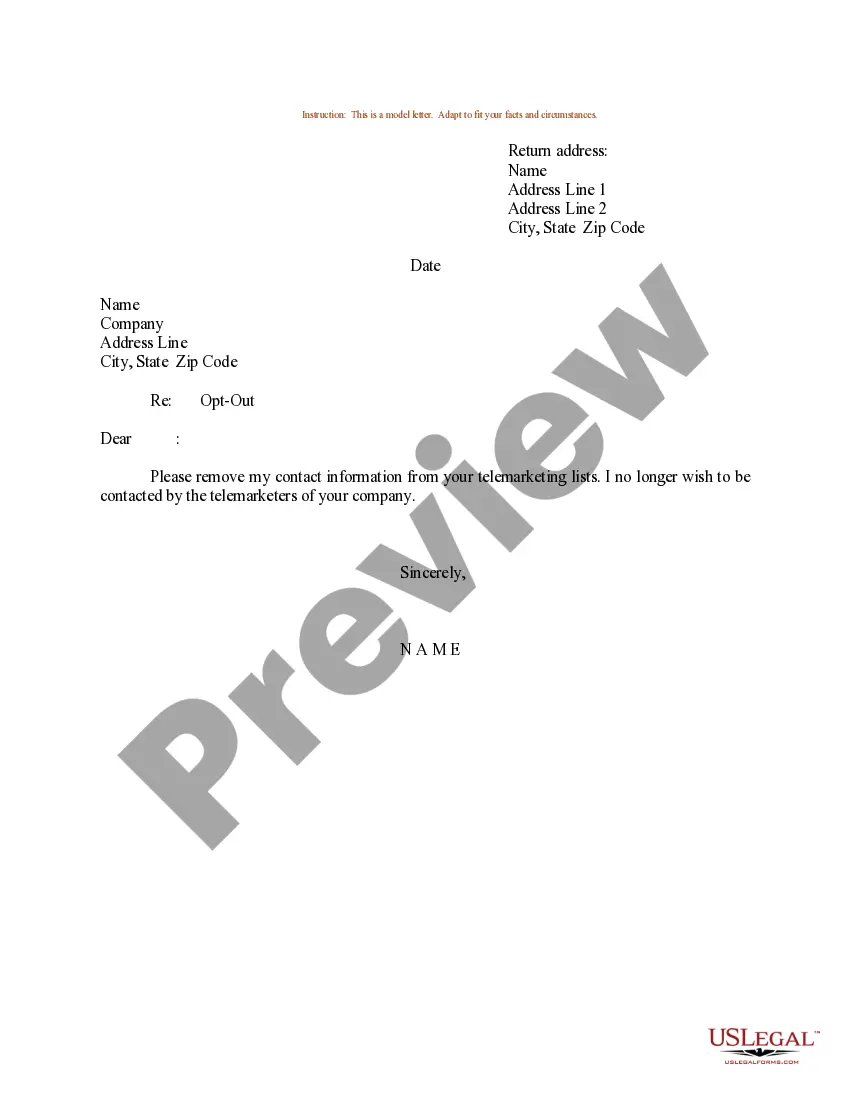
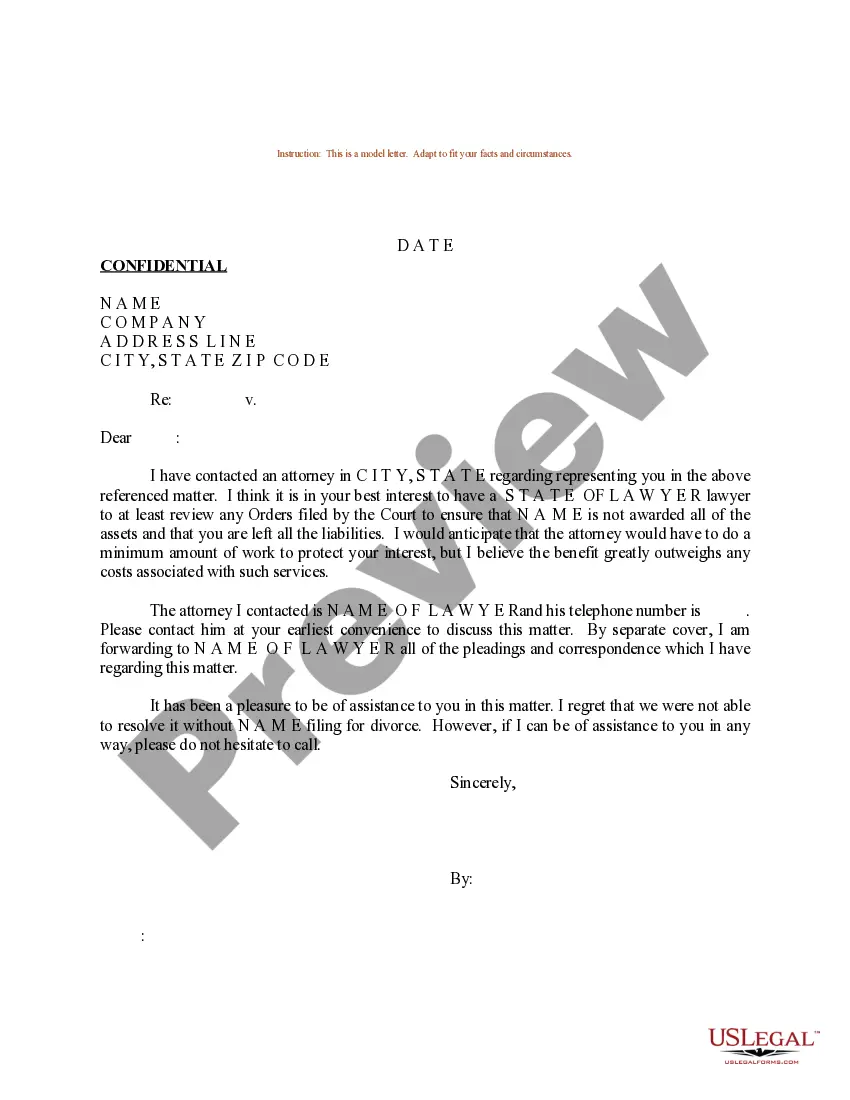
A form disengagement letter (also known as a withdrawal letter or a termination of engagement letter) sent by an attorney or law firm to a client when withdrawing from representation in a litigation matter. This Standard Document has integrated notes with important explanations and drafting tips.
Always terminate the relationship in writing. Be sure to send the letter by “certified mail with return receipt requested” so there's proof your lawyer received the letter. Taking these steps will ensure there's no confusion about the status of the relationship.
Consensual withdrawal Where your client consents to your withdrawal, have them sign a Substitution of Attorney (in California it's Judicial Council Form MC-050). File and serve the signed Substitution on all parties to the action and you are out of the case.
(d) A lawyer shall not terminate a representation until the lawyer has taken reasonable steps to avoid reasonably foreseeable prejudice to the rights of the client, such as giving the client sufficient notice to permit the client to retain other counsel, and complying with paragraph (e).
Be Clear: Be direct and get straight to the point. Clearly state that you are terminating the attorney and briefly state the reasons why. Additionally, the termination letter should state that the attorney should immediately stop working on any pending matters.
(d) A lawyer shall not terminate a representation until the lawyer has taken reasonable steps to avoid reasonably foreseeable prejudice to the rights of the client, such as giving the client sufficient notice to permit the client to retain other counsel, and complying with paragraph (e).
Those seeking to practice in Nevada must pass the bar examination administered by the State Bar of Nevada's Board of Bar Examiners or seek admission through pro hac vice application or limited practice certification under Supreme Court Rule 49.
Applicants who are already licensed to practice law in another state or jurisdiction must register as an attorney applicant, complete a positive moral character determination and pass the Multistate Professional Responsibility Examination as well as the California Bar Examination.
Nevada has NO RECIPROCITY OR ADMISSION BY MOTION of any kind. The Supreme Court of Nevada does provide limited practice rules including government or in-house counsel, student practice, and legal services.