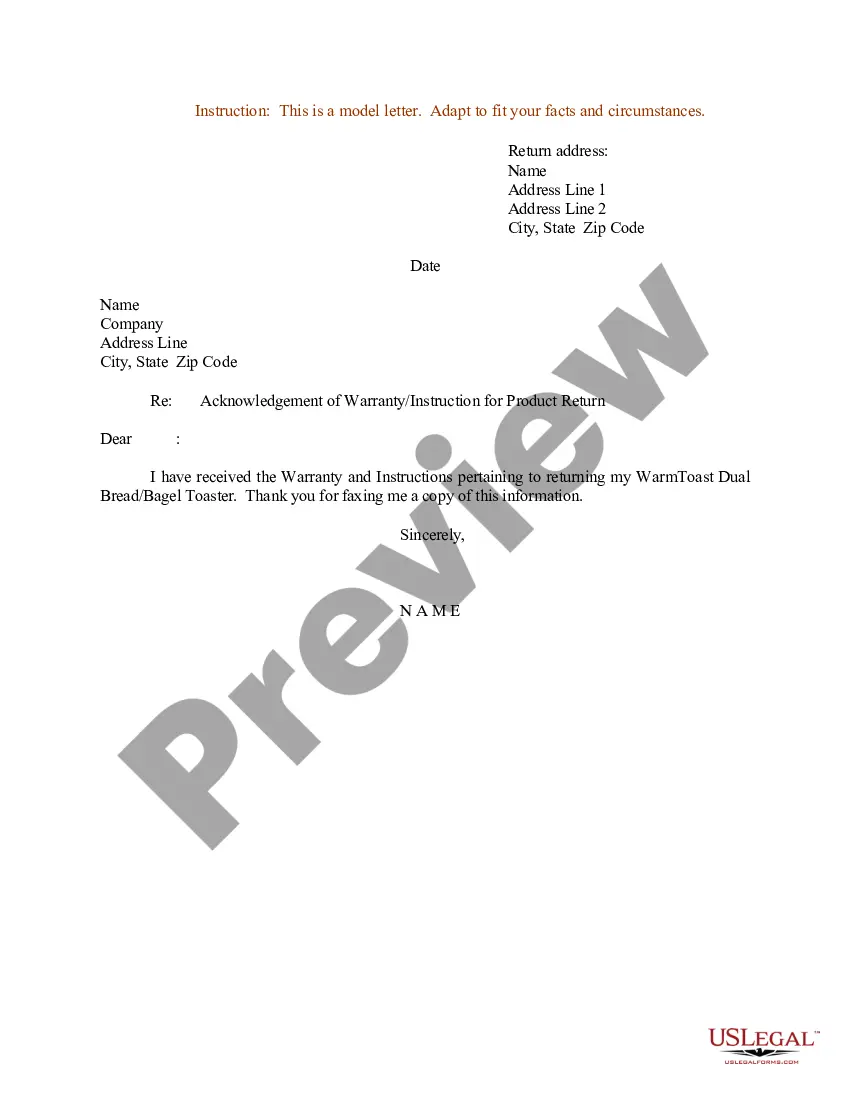
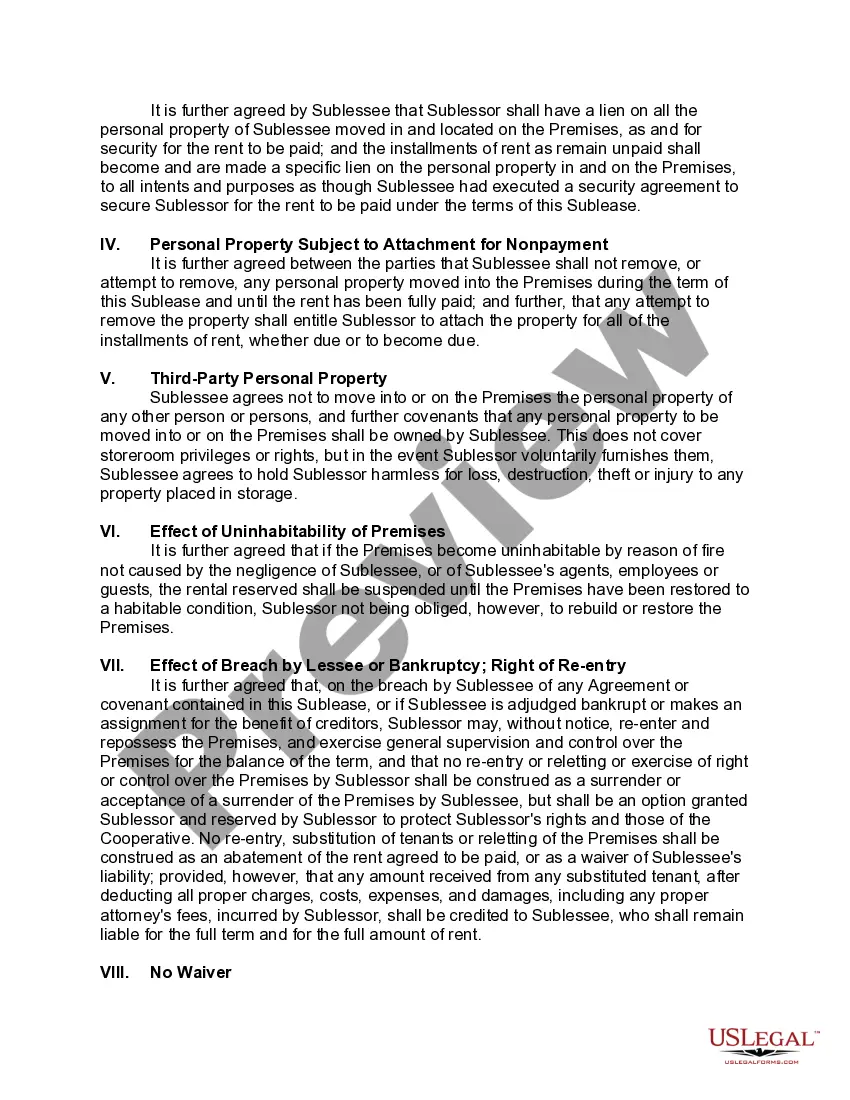
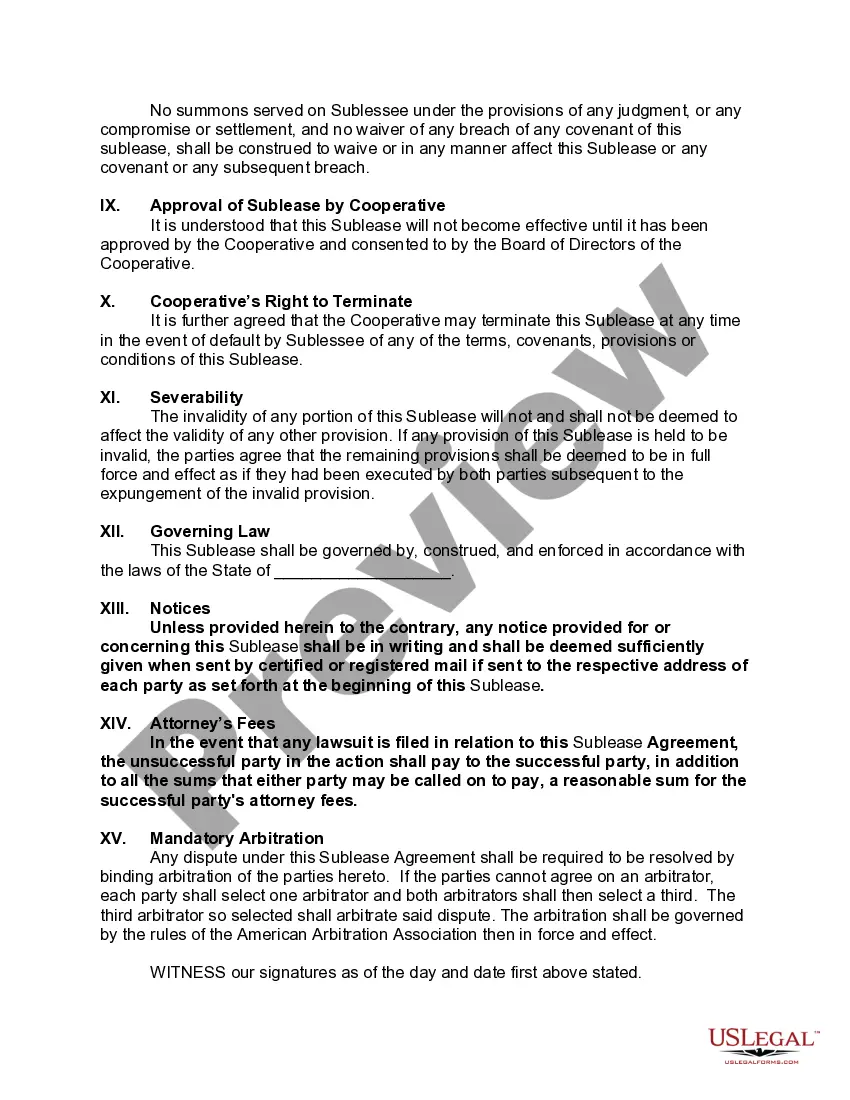
Sublease Agreement Form Ontario In Orange
Description

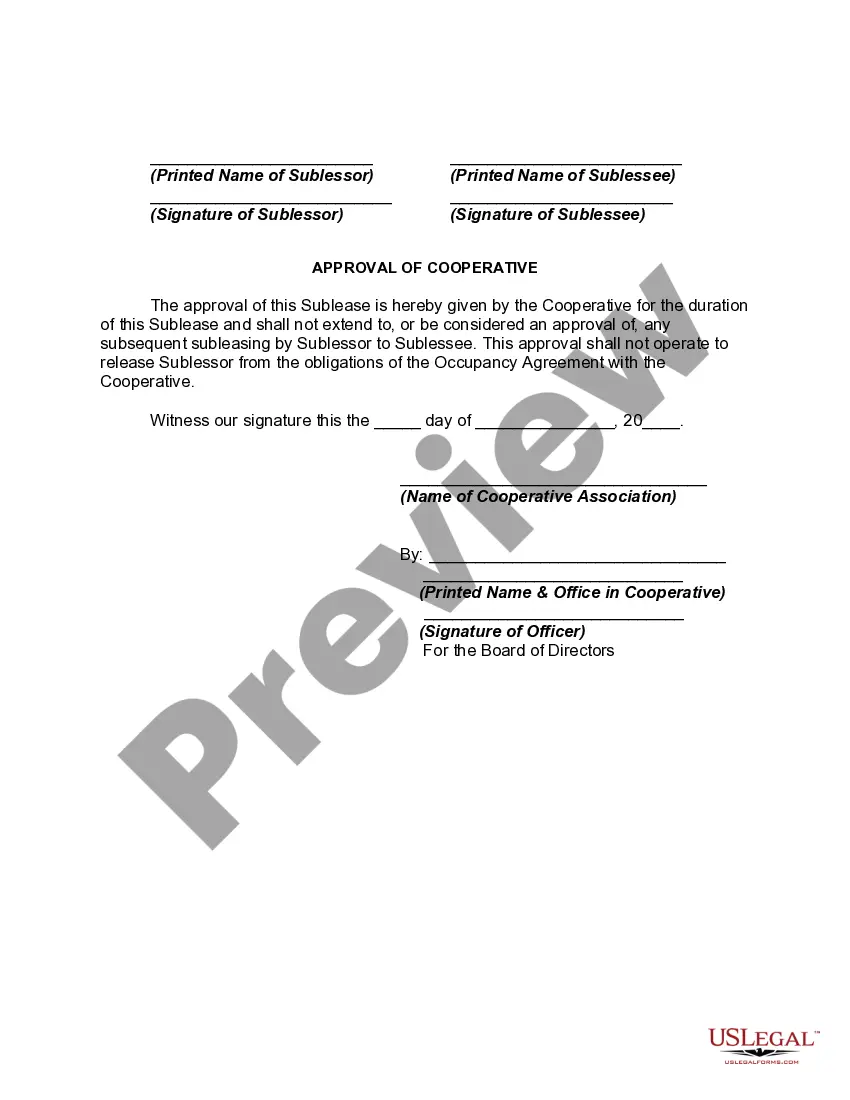

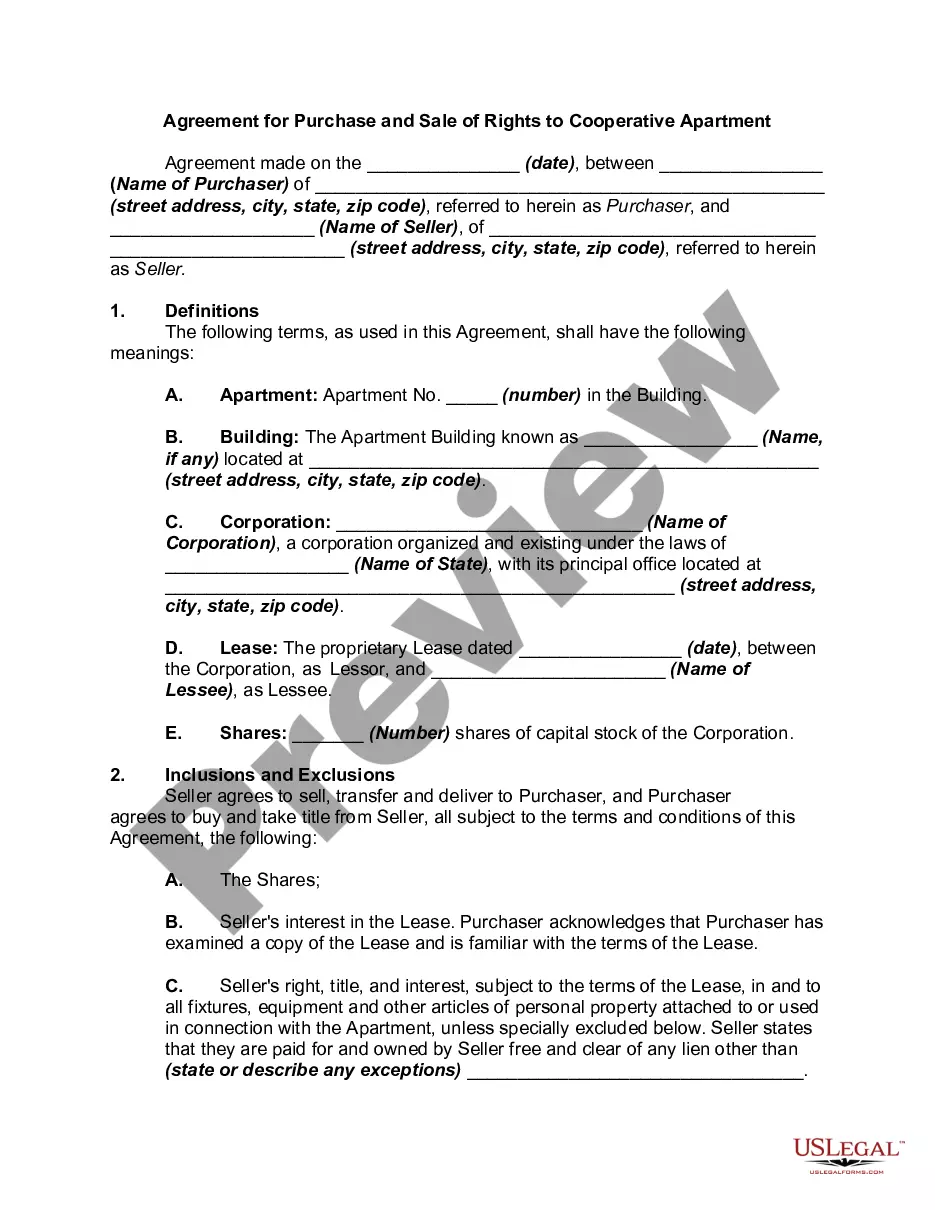
Get your form ready online
Our built-in tools help you complete, sign, share, and store your documents in one place.
Make edits, fill in missing information, and update formatting in US Legal Forms—just like you would in MS Word.
Download a copy, print it, send it by email, or mail it via USPS—whatever works best for your next step.
Sign and collect signatures with our SignNow integration. Send to multiple recipients, set reminders, and more. Go Premium to unlock E-Sign.
If this form requires notarization, complete it online through a secure video call—no need to meet a notary in person or wait for an appointment.
We protect your documents and personal data by following strict security and privacy standards.

Make edits, fill in missing information, and update formatting in US Legal Forms—just like you would in MS Word.

Download a copy, print it, send it by email, or mail it via USPS—whatever works best for your next step.

Sign and collect signatures with our SignNow integration. Send to multiple recipients, set reminders, and more. Go Premium to unlock E-Sign.

If this form requires notarization, complete it online through a secure video call—no need to meet a notary in person or wait for an appointment.

We protect your documents and personal data by following strict security and privacy standards.
Looking for another form?









Form popularity
FAQ
In California, within the Business and Professions Code, Section 1995.260, the landlord cannot unreasonably withhold the consent of the tenant to assign or sublease the property.
The landlord cannot arbitrarily or unreasonably withhold consent to a potential assignee or sublet of the rental unit. 1. Assignment: In an assignment, the tenant transfers their right to occupy the rental unit to someone else. The new person takes the place of the tenant, and the tenancy agreement stays the same.
Your landlord can refuse to let you sublet or assign to a particular person only if there is a good reason. For example, the person caused problems for a landlord in the past, such as damaging property or not paying rent.
Ontario has specific laws governing sublease agreements, outlined in the Residential Tenancies Act (RTA). Key points include: Landlord's Consent: Generally, a landlord must consent to a sublease. However, exceptions exist, such as when the landlord unreasonably withholds consent.
No subletting clause samples Section14. 04. No Subletting. Lessee shall not sublet any or all of the Properties without the prior written consent of Lessor, which consent shall not be unreasonably withheld, conditioned or delayed.
A no subletting clause is included in a lease to expressly forbid tenants from subletting. This is designed to prevent tenants from subletting a property even if it is legal to sublet without permission from the landlord in that state.
The terms sublet and sublease are often used synonymously, but they have very different meanings. The gist is that a sublet occurs when you find a new renter for the property who will sign a new lease with the landlord, while a sublease occupies the space without signing a lease directly with the landlord.
Landlord's Consent: Generally, a landlord must consent to a sublease. However, exceptions exist, such as when the landlord unreasonably withholds consent. Sublease Terms: The sublease agreement must be in writing and should include essential terms like rent, duration, and the subtenant's rights and responsibilities.
Tenant's Right to Sublet: In Ontario, tenants have the right to sublet their rental unit; however, they must get written approval from their landlord. You cannot unreasonably refuse consent as a landlord, but you should have sufficient information about the subtenant to make an informed decision.