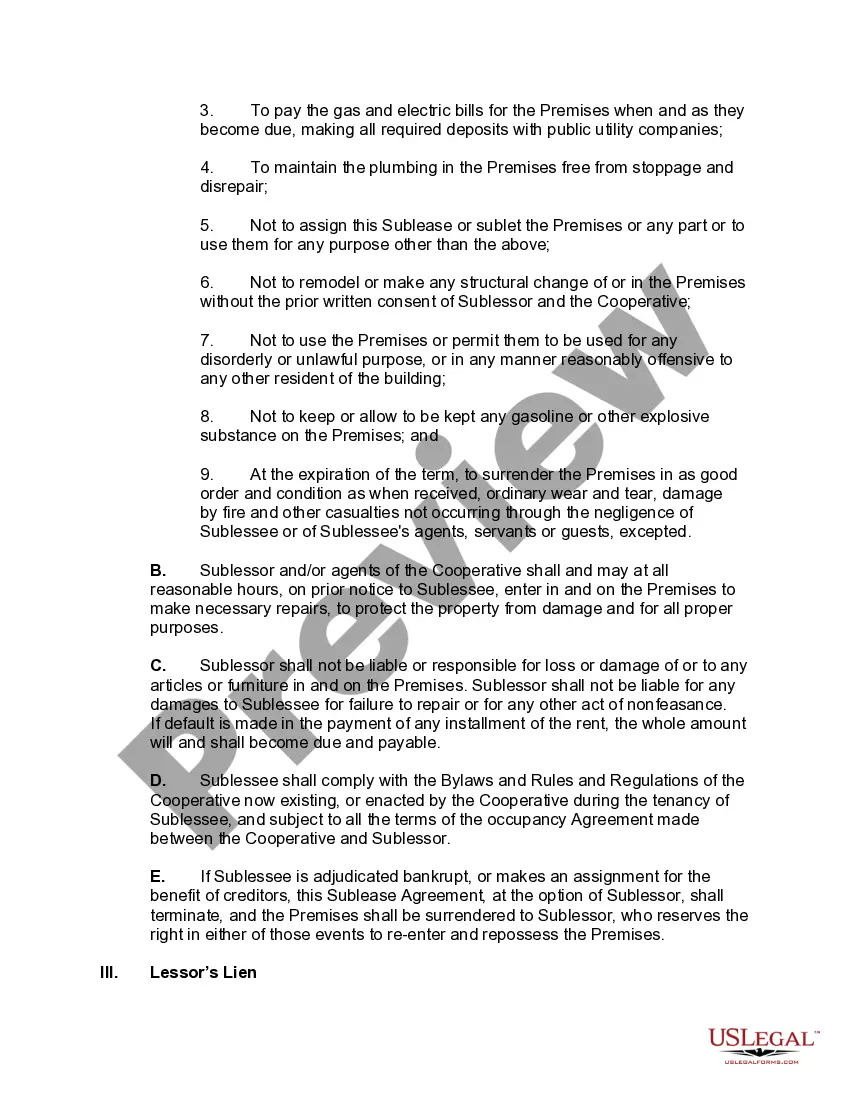
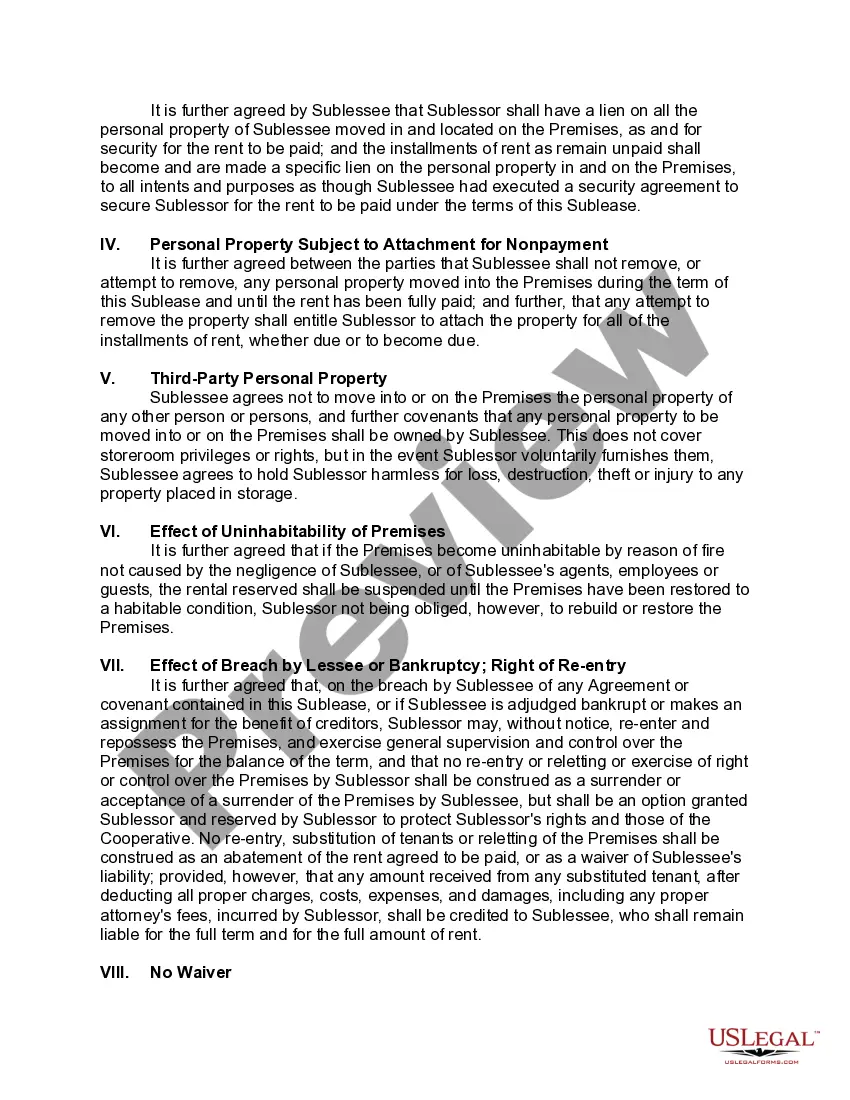
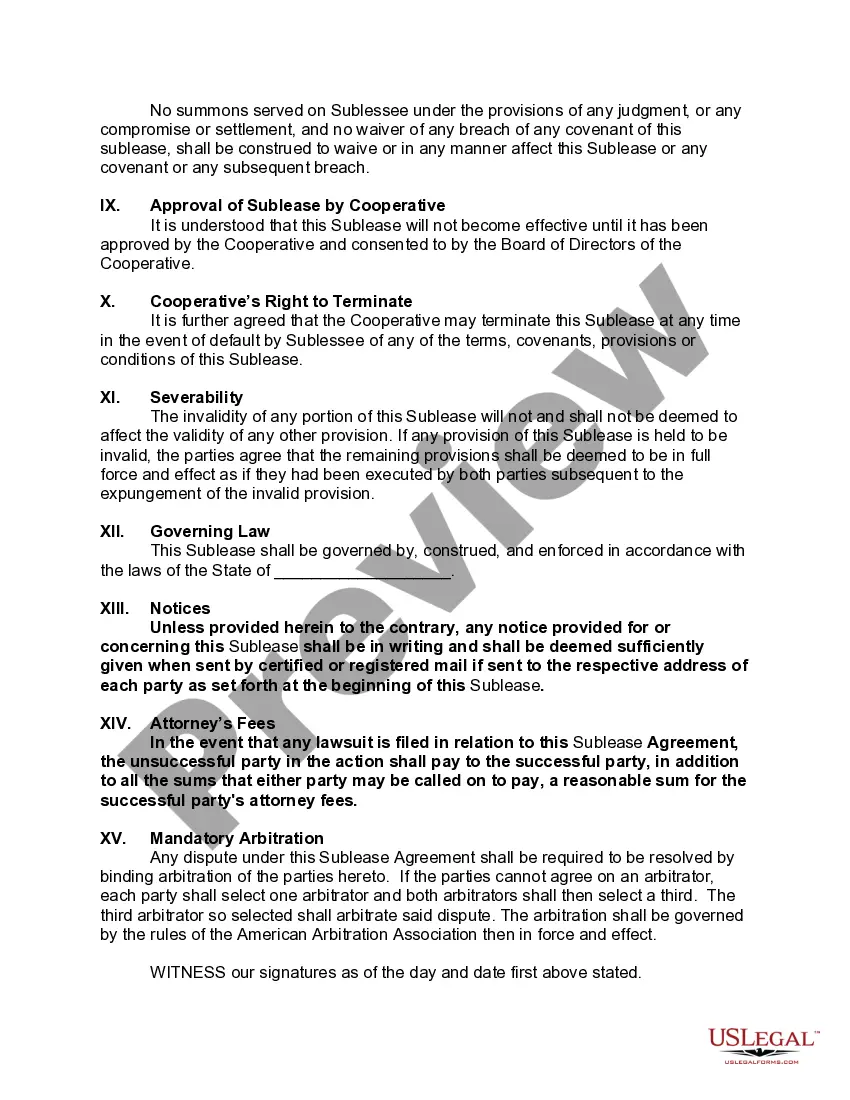
Sublease Agreement For Roommate In Cook
Description


Get your form ready online
Our built-in tools help you complete, sign, share, and store your documents in one place.
Make edits, fill in missing information, and update formatting in US Legal Forms—just like you would in MS Word.
Download a copy, print it, send it by email, or mail it via USPS—whatever works best for your next step.
Sign and collect signatures with our SignNow integration. Send to multiple recipients, set reminders, and more. Go Premium to unlock E-Sign.
If this form requires notarization, complete it online through a secure video call—no need to meet a notary in person or wait for an appointment.
We protect your documents and personal data by following strict security and privacy standards.

Make edits, fill in missing information, and update formatting in US Legal Forms—just like you would in MS Word.

Download a copy, print it, send it by email, or mail it via USPS—whatever works best for your next step.

Sign and collect signatures with our SignNow integration. Send to multiple recipients, set reminders, and more. Go Premium to unlock E-Sign.

If this form requires notarization, complete it online through a secure video call—no need to meet a notary in person or wait for an appointment.

We protect your documents and personal data by following strict security and privacy standards.
Looking for another form?






Form popularity
FAQ
If you include all or most of these clauses, you're helping resolve issues before they arise. You can draft a roommate agreement yourself or have an attorney draft one. A well-written roommate agreement can go a long way to protect your rights and to help ensure a happier living situation.
What do I include in a Roommate Agreement? Information about the property, roommates, and original lease. Term or length of the agreement. Rent responsibilities. Security deposit details. Responsibilities for utilities and household costs. House rules, roommate duties, and restrictions. Rules for termination of tenancy.
A Roommate Agreement is where there is one lease, naming both parties, with the owner of the property as the Landlord. A sublease, is where one person has a lease with the Landlord, and then enters into a sublease with another person and becomes their Landlord.
In California, if you are the only person on the lease and your roommate is not listed, you are considered the "master tenant" and your roommate is considered a "subtenant." As the master tenant, you have the right to evict your subtenant, but you must follow the proper legal procedures.
If your roommate isn't someone you're in a romantic relationship with, you'll need a roommate agreement rather than a cohabitation agreement. A roommate agreement explains what happens if one of you breaks the lease, so it should state what happens to the security deposit and who pays the remaining rent and utilities.
Step 1: Check your lease Check your rental agreement or lease documentation for specific rules on subletting your apartment. Step 2: Send landlord a letter Send your landlord or building manager a certified letter asking permission to sublet, and wait for approval. Keep copies of all communications.
Do I Need a Roommate Agreement? Even if making an agreement isn't a lease requirement, it is a good idea when adding a new roommate. Future issues can be hard to foresee and resolve — even among close friends.