Cooperative Agreement Short Form In Collin
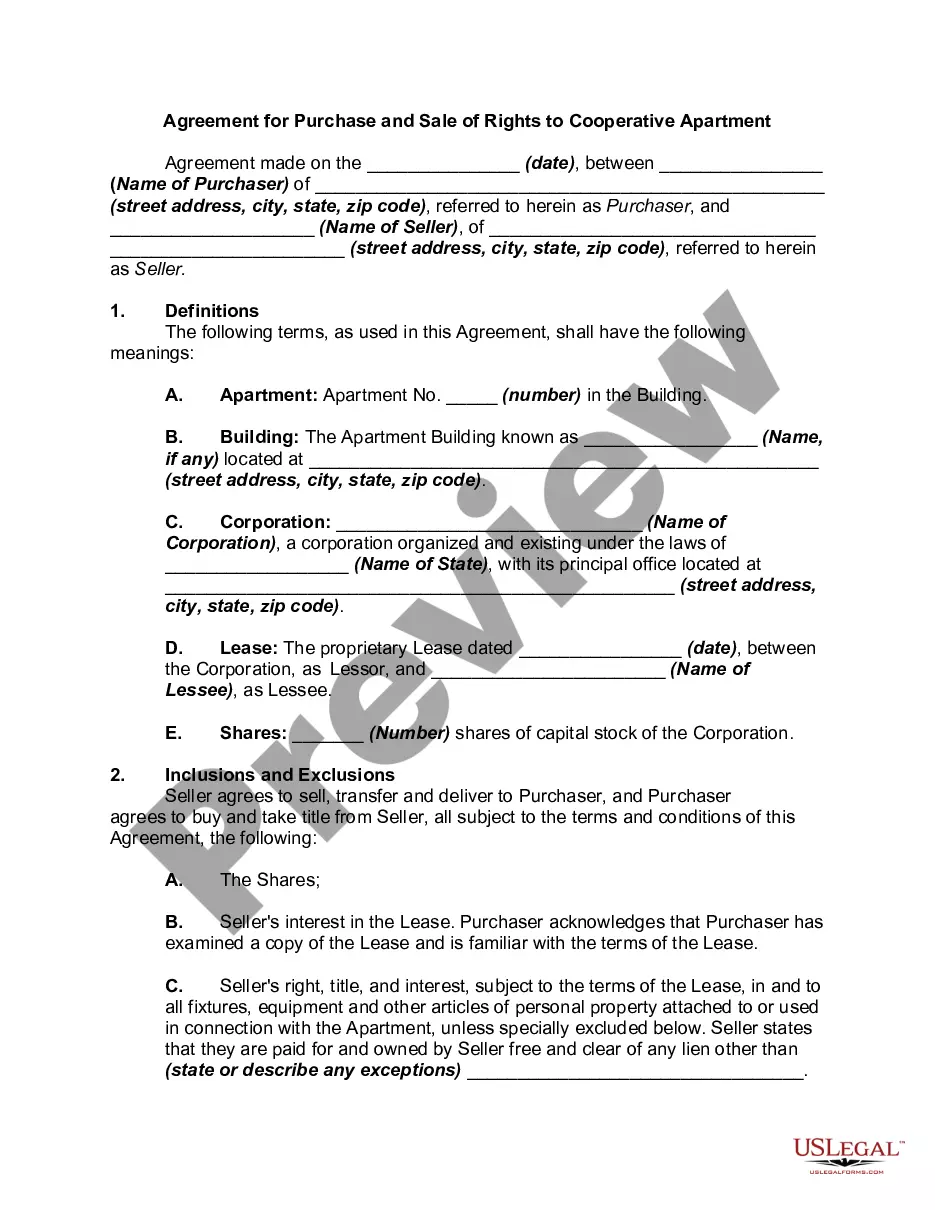
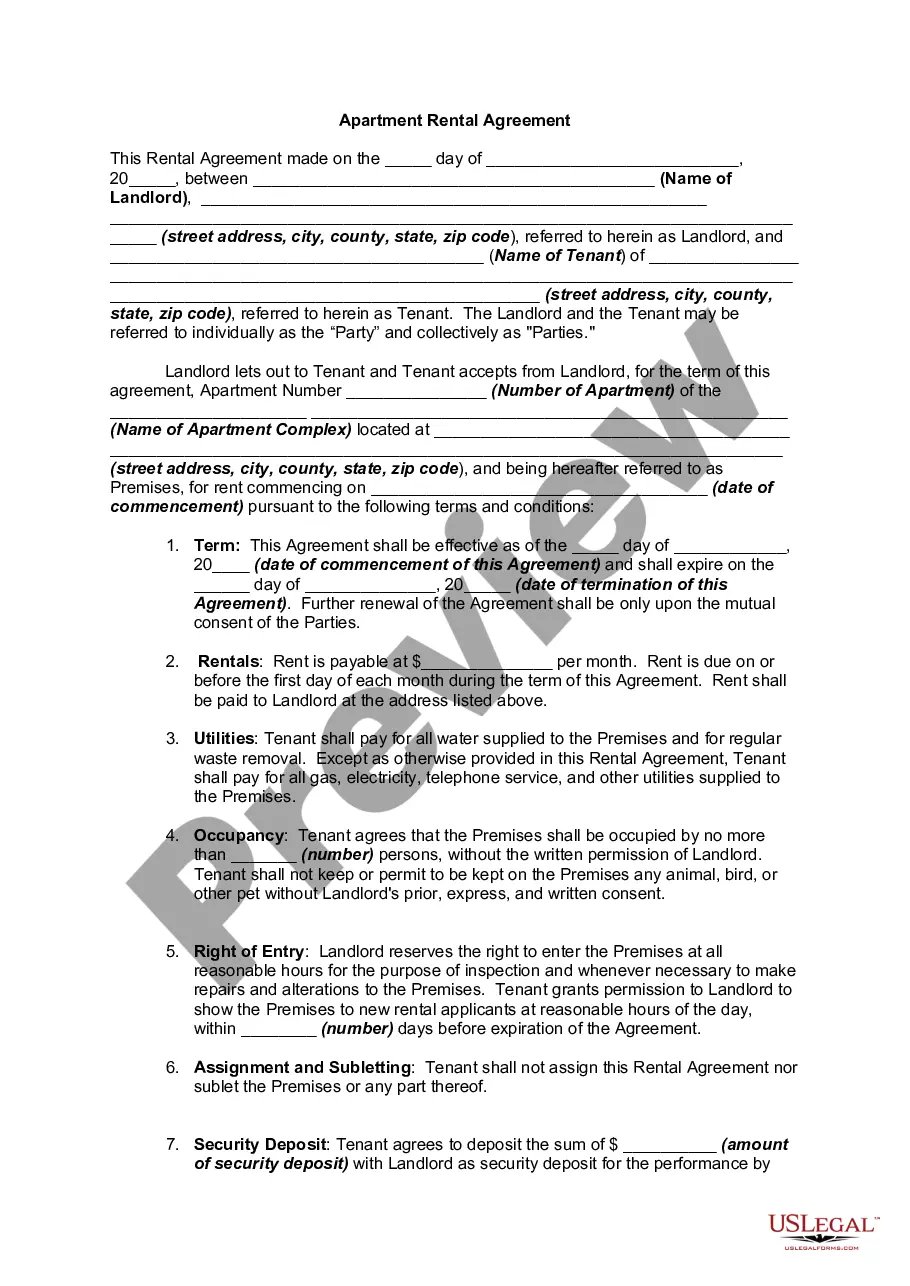
Description

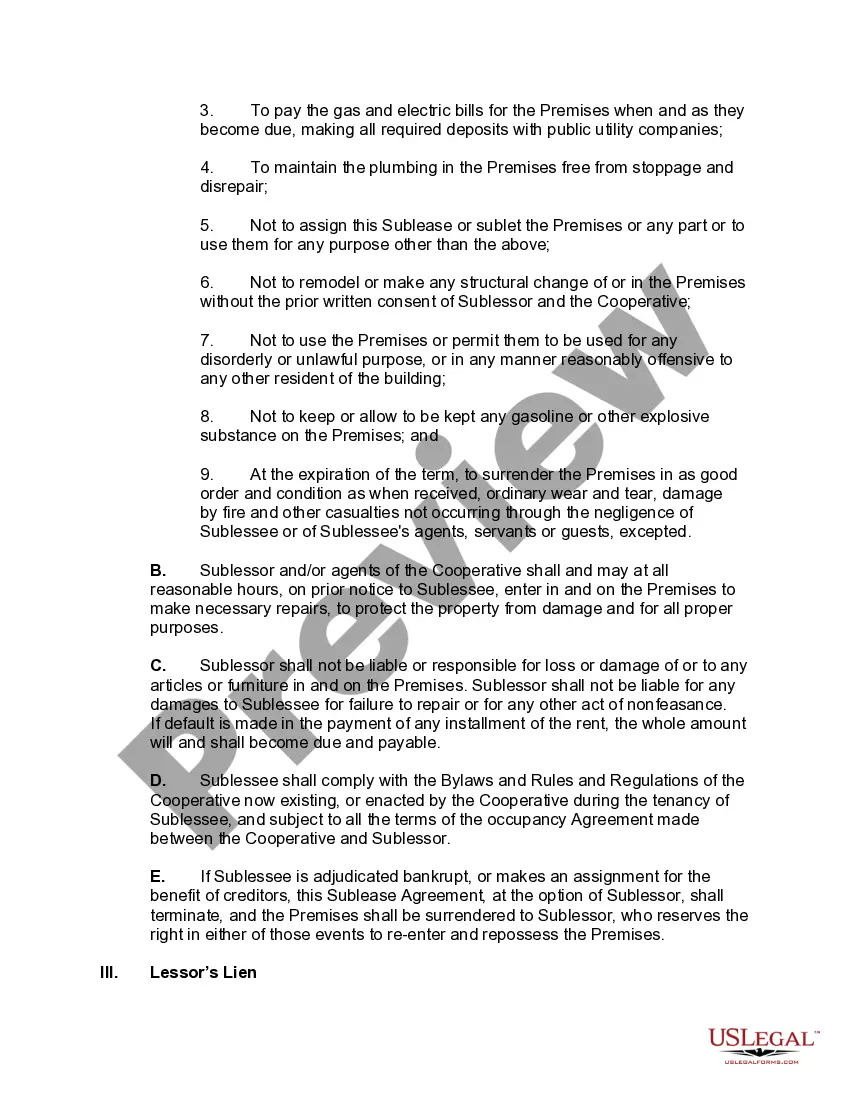
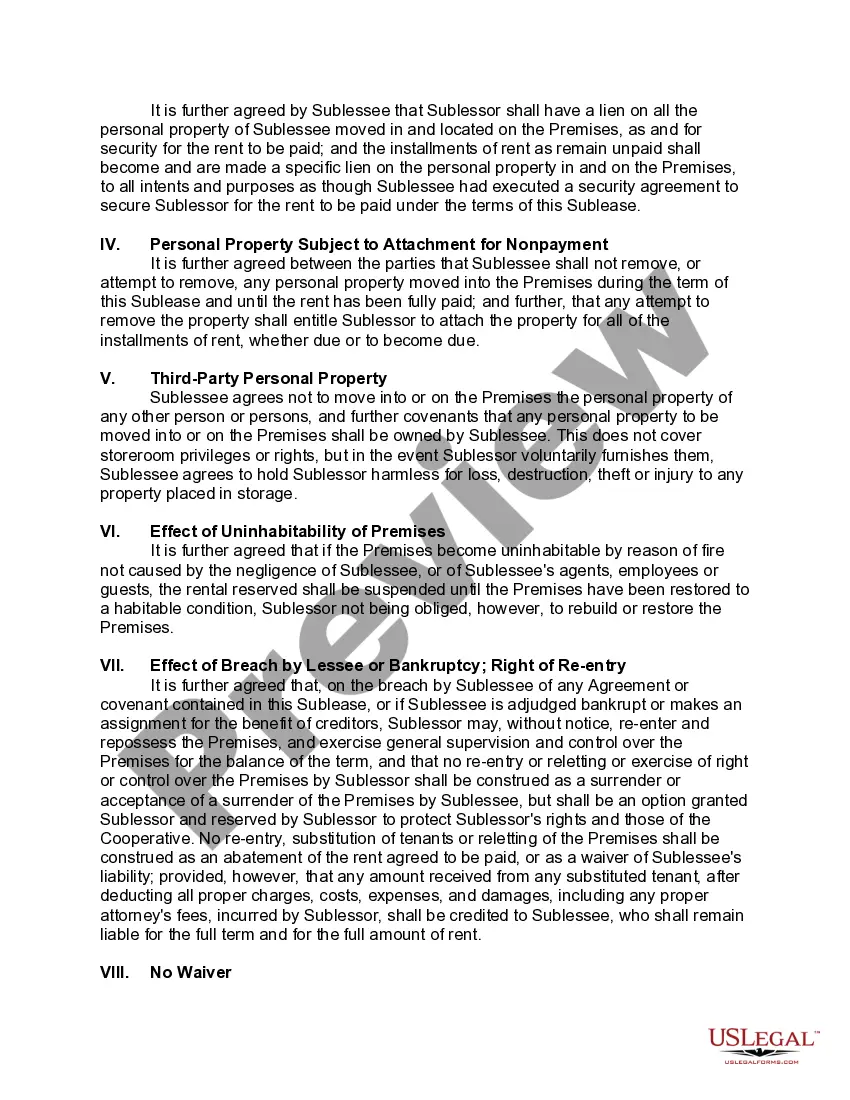
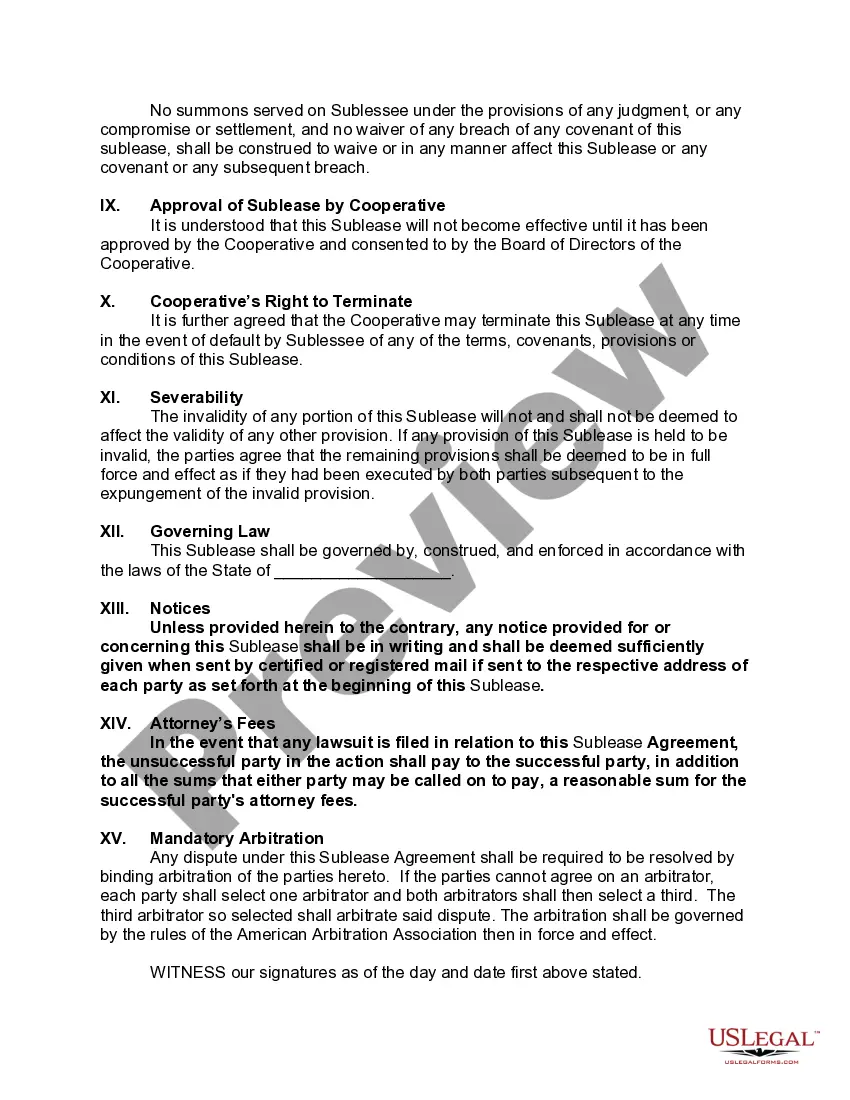
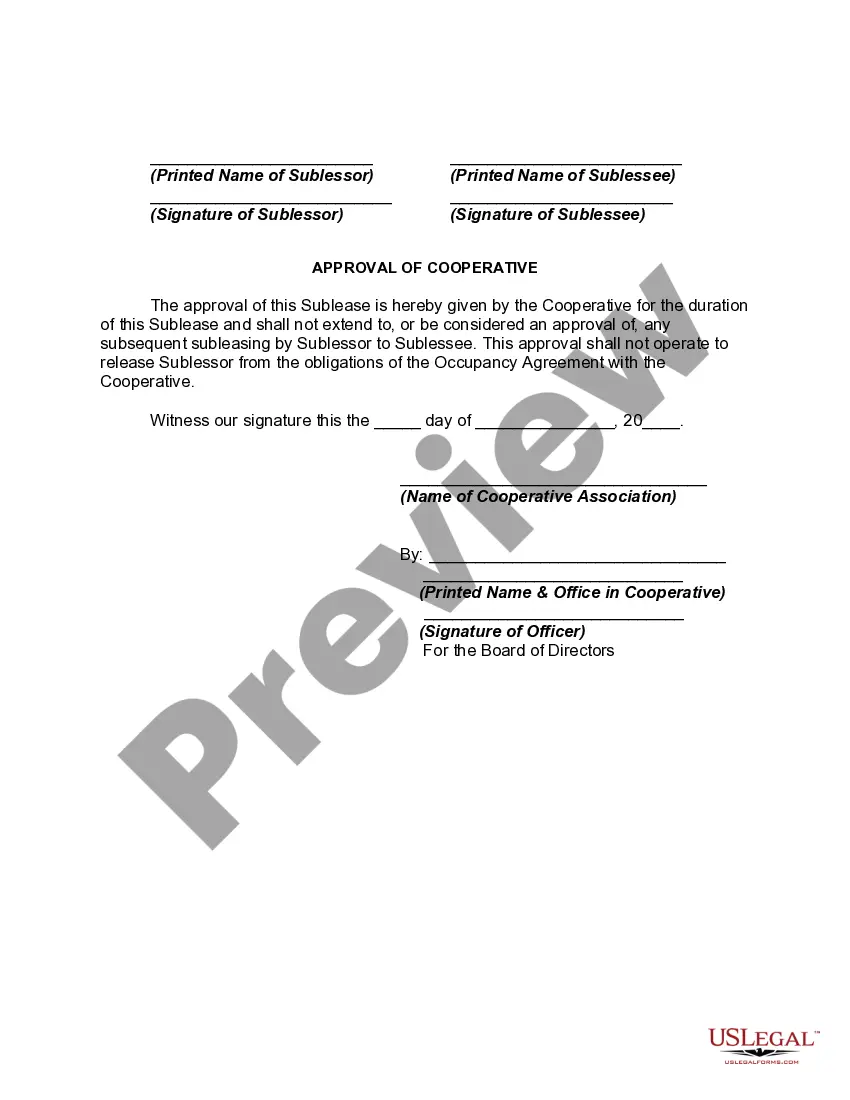

Get your form ready online
Our built-in tools help you complete, sign, share, and store your documents in one place.
Make edits, fill in missing information, and update formatting in US Legal Forms—just like you would in MS Word.
Download a copy, print it, send it by email, or mail it via USPS—whatever works best for your next step.
Sign and collect signatures with our SignNow integration. Send to multiple recipients, set reminders, and more. Go Premium to unlock E-Sign.
If this form requires notarization, complete it online through a secure video call—no need to meet a notary in person or wait for an appointment.
We protect your documents and personal data by following strict security and privacy standards.

Make edits, fill in missing information, and update formatting in US Legal Forms—just like you would in MS Word.

Download a copy, print it, send it by email, or mail it via USPS—whatever works best for your next step.

Sign and collect signatures with our SignNow integration. Send to multiple recipients, set reminders, and more. Go Premium to unlock E-Sign.

If this form requires notarization, complete it online through a secure video call—no need to meet a notary in person or wait for an appointment.

We protect your documents and personal data by following strict security and privacy standards.
Looking for another form?


Form popularity
FAQ
Cooperative agreements serves as an official framework for exploring partnership activities and identify future endeavors. If a specific collaborative project is identified between the two institutions, an addendum or additional agreement must be developed to outline the details of the project.
Cooperative contracts — also known as cooperative procurements or cooperative agreements — are agreements between the government and businesses, created in order to lower the costs of procuring goods or services that multiple entities commonly need.
With contracts, USAID purchases goods and services from a contractor to implement an Activity as directed by the Agency. Contracts are announced through Requests for Proposals (RFPs). With grants and cooperative agreements, the Agency provides funds to a recipient for a public good and has limited direct involvement.
Regardless of the specific content, ensure your agreements always contain the following from a structural perspective: The purpose of the cooperation. Details of all parties. Details of the cooperation. Duties of all parties. Payment structure. Term and termination. Confidentiality clause.
A cooperative agreement is another form of financial aid. The granting agency and the grantee work together to carry out the purpose of the award. Contracts are financial transactions.
The purpose of a grant is to provide assistance; there is generally little involvement by the sponsor, and the award instrument refers to general terms and conditions. Cooperative agreements also provide assistance, but with substantial sponsor involvement, typically described in a set of specific terms.
Cooperation (written as co-operation in British English and, with a varied usage along time, coöperation) takes place when a group of organisms works or acts together for a collective benefit to the group as opposed to working in competition for selfish individual benefit.
Collaboration Agreement Checklist Define important terms used throughout the Agreement. Objective of the Agreement. Duties, Responsibilities and Expectations of each party. Property to be licensed by each party to the other party(ies) for purposes of the Project.
Draft the agreement using clear and precise language. Specify each party's rights and obligations in detail, including remedies for breaching the agreement. Include all necessary legal clauses in the agreement, such as indemnification and dispute resolution clauses.
