Cooperative Agreement Short Form In Chicago
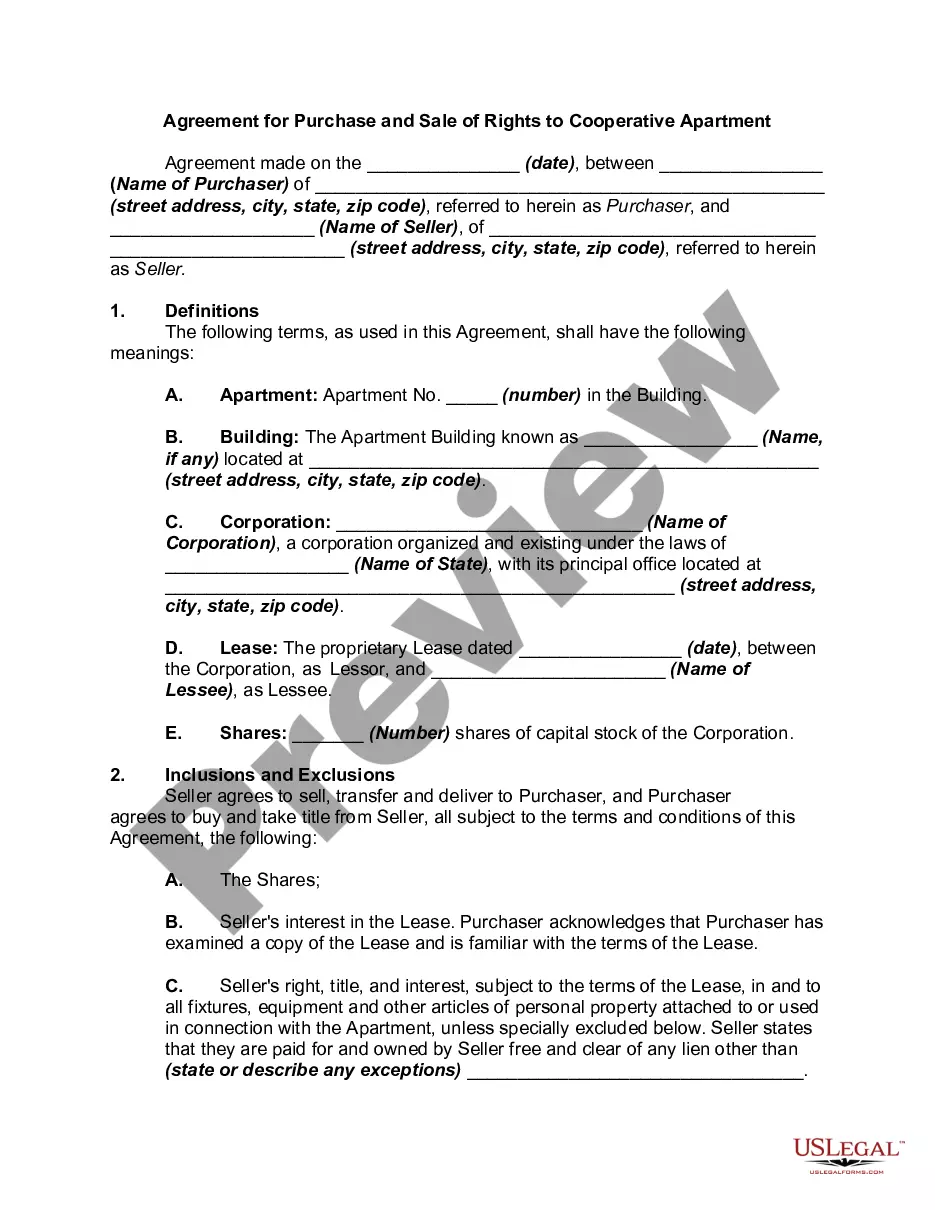
Description


Get your form ready online
Our built-in tools help you complete, sign, share, and store your documents in one place.
Make edits, fill in missing information, and update formatting in US Legal Forms—just like you would in MS Word.
Download a copy, print it, send it by email, or mail it via USPS—whatever works best for your next step.
Sign and collect signatures with our SignNow integration. Send to multiple recipients, set reminders, and more. Go Premium to unlock E-Sign.
If this form requires notarization, complete it online through a secure video call—no need to meet a notary in person or wait for an appointment.
We protect your documents and personal data by following strict security and privacy standards.

Make edits, fill in missing information, and update formatting in US Legal Forms—just like you would in MS Word.

Download a copy, print it, send it by email, or mail it via USPS—whatever works best for your next step.

Sign and collect signatures with our SignNow integration. Send to multiple recipients, set reminders, and more. Go Premium to unlock E-Sign.

If this form requires notarization, complete it online through a secure video call—no need to meet a notary in person or wait for an appointment.

We protect your documents and personal data by following strict security and privacy standards.
Looking for another form?









Form popularity
FAQ
Short form information should include the author's last name, a shortened version of the title (if longer than four words), and any other directing information, such as page numbers.
If the source title or organization name is longer than four words, shorten it to the first word or phrase in the in-text citation, excluding any articles (a, an, and the). The shortened title or organization name should begin with the word the source is alphabetized by in the Works Cited.
Last name, First name. Title of Work. Publisher City: Publisher, year of publication. URL.
The basic structure of the first shortened citation consists of the author(s)'s last name(s), the title of the work (usually shortened if more than four words), and the page number(s).
Should I use short notes or full notes for my Chicago citations? In Chicago notes and bibliography style, the usual standard is to use a full note for the first citation of each source, and short notes for any subsequent citations of the same source.
Basic Structure Author's lastname (include first initial if multiple authors with same last name) Shortened version of title (use matching stylization rule from full citation, be it italicized or in quotation marks) Pointer to information, if necessary (i.e. page numbers)
Chicago Bibliography Format: "Title of Treaty in Title Case." Description of significance of date Month Day, Year. Title of Source that Contains Treaty Text Vol, item # (Year): Page numbers. URL.
In Chicago Style, subsequent citations are formatted as shortened notes: The basic structure of the first shortened citation consists of the author(s)'s last name(s), the title of the work (usually shortened if more than four words), and the page number(s).
Short Form and Ibid. The 17th edition of the Chicago Manual of Style discourages the use of ibid., which previously was used to refer the same source cited in the previous footnote. Instead of using ibid., a shortened form of the citation may be used.
Chicago recommends against ibid. in its Author-Date style: ``A. Chicago considers an in-text parenthetical author-date citation to already be in a short form and therefore discourages ``ibid.'' as a substitute. If you must use ``ibid.,'' just be careful that no intervening sources creep into the text.
