Sublease Agreement Form Bc In Broward
Description

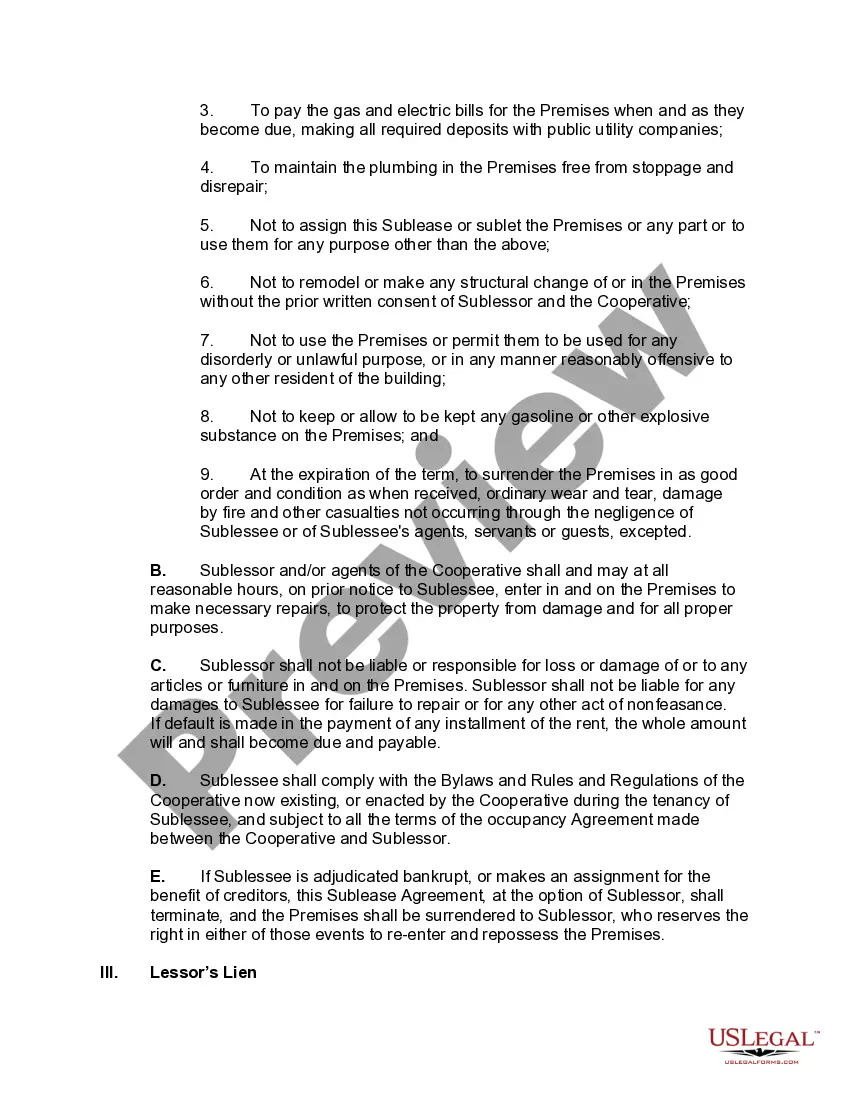
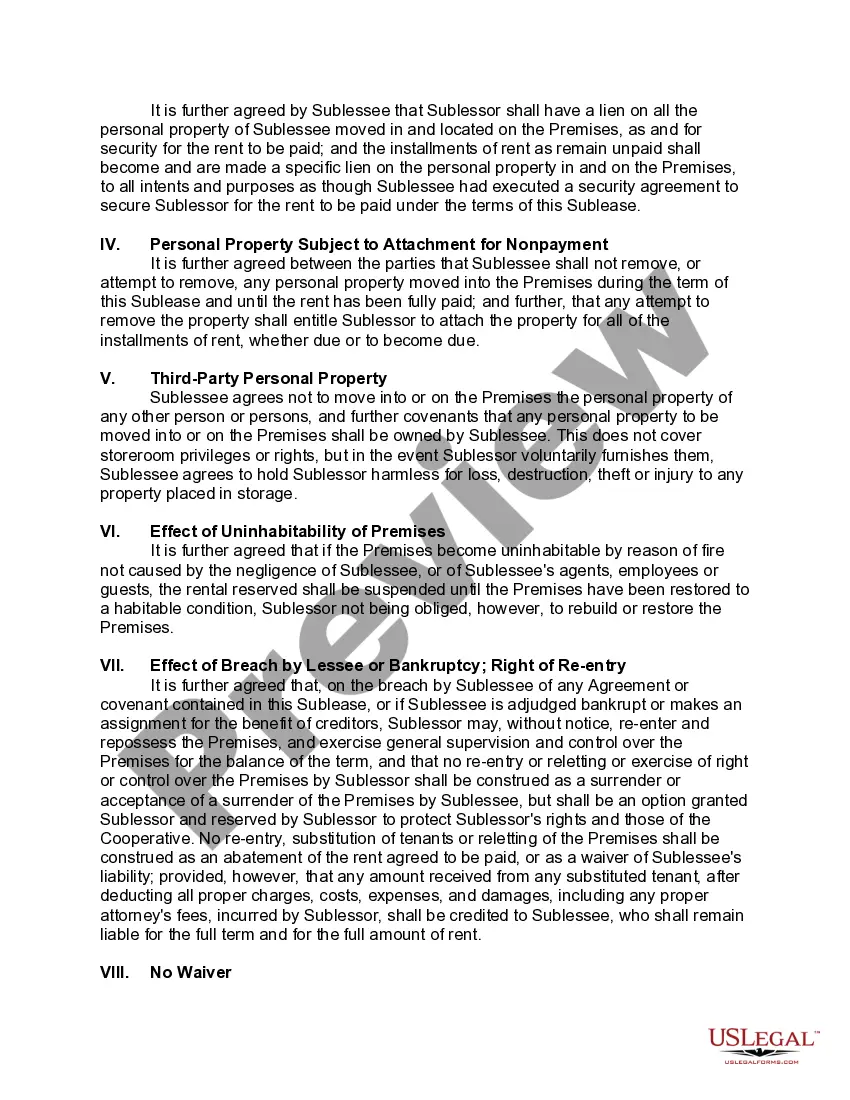
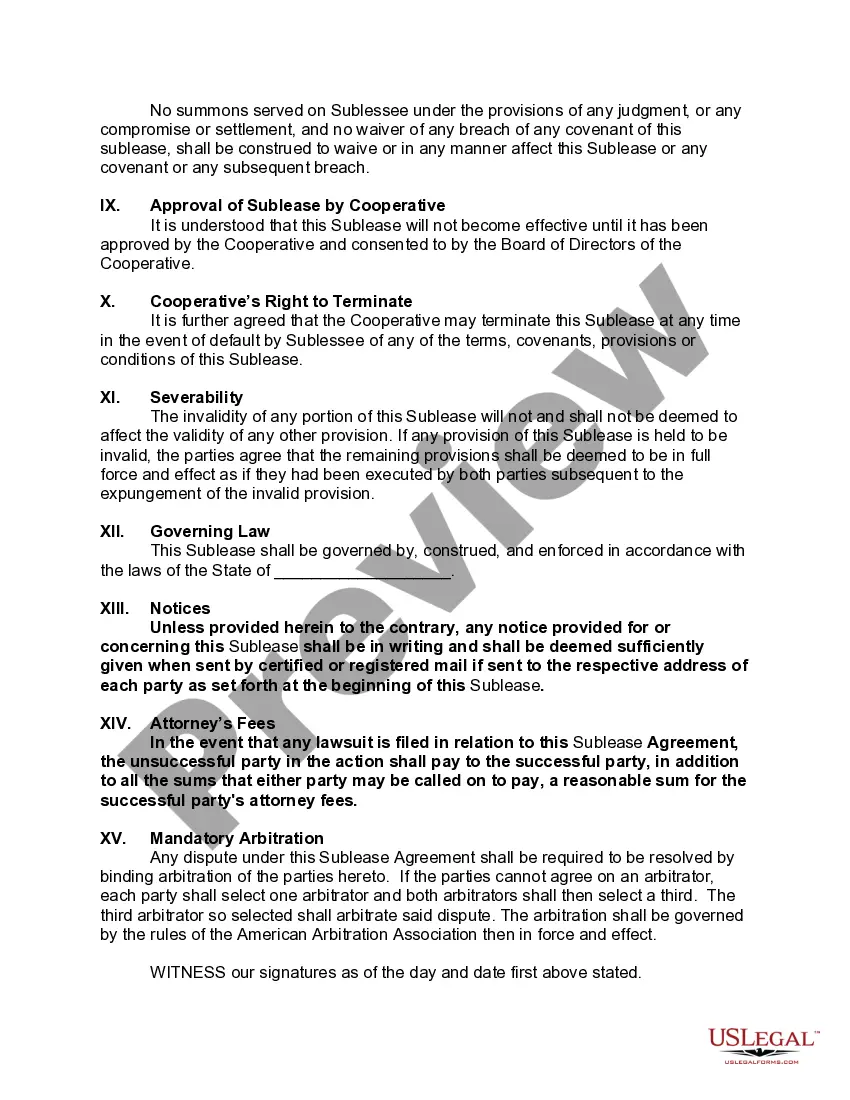
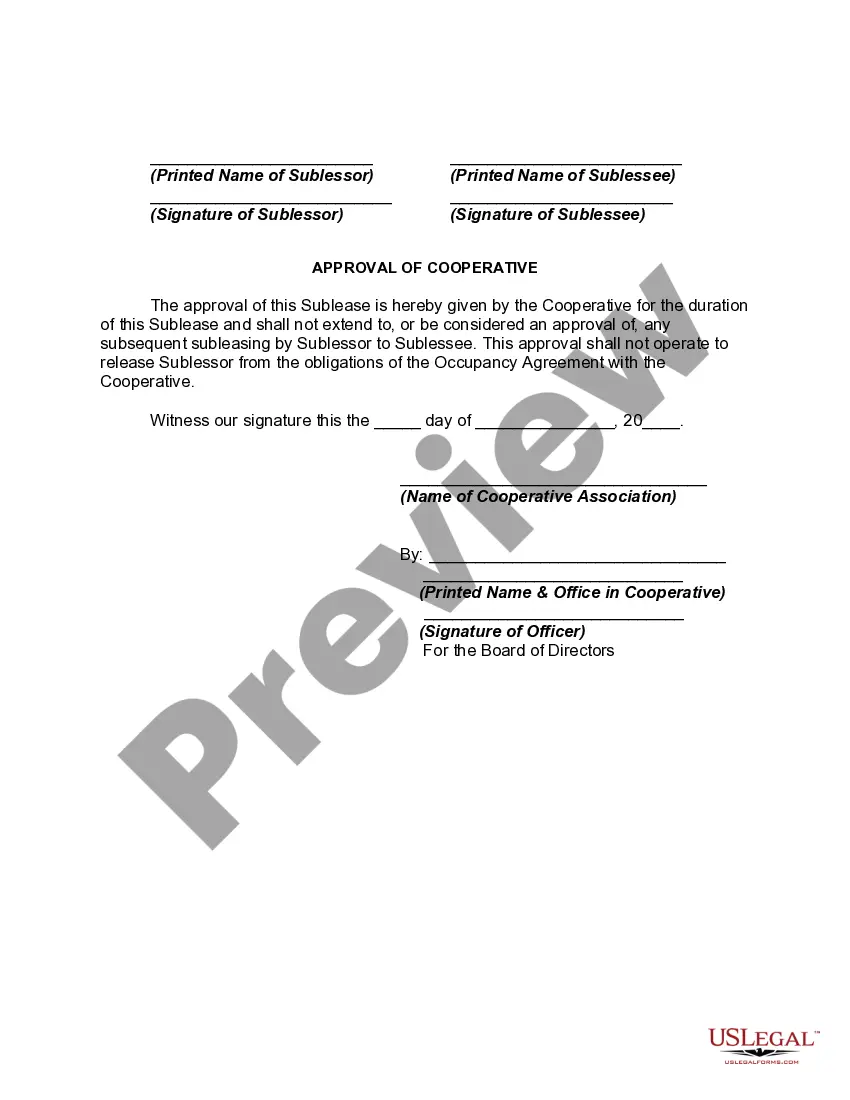

Get your form ready online
Our built-in tools help you complete, sign, share, and store your documents in one place.
Make edits, fill in missing information, and update formatting in US Legal Forms—just like you would in MS Word.
Download a copy, print it, send it by email, or mail it via USPS—whatever works best for your next step.
Sign and collect signatures with our SignNow integration. Send to multiple recipients, set reminders, and more. Go Premium to unlock E-Sign.
If this form requires notarization, complete it online through a secure video call—no need to meet a notary in person or wait for an appointment.
We protect your documents and personal data by following strict security and privacy standards.

Make edits, fill in missing information, and update formatting in US Legal Forms—just like you would in MS Word.

Download a copy, print it, send it by email, or mail it via USPS—whatever works best for your next step.

Sign and collect signatures with our SignNow integration. Send to multiple recipients, set reminders, and more. Go Premium to unlock E-Sign.

If this form requires notarization, complete it online through a secure video call—no need to meet a notary in person or wait for an appointment.

We protect your documents and personal data by following strict security and privacy standards.
Looking for another form?







Form popularity
FAQ
Your Step-by-Step Guide to Subletting in California Read Your Lease Carefully. Obtain Pre-Approval to Sublet. Find and Screen a Subletter. Send a Written Request for Approval. Wait Patiently (but Not Too Patiently). Collect and Store Security Deposit and Rent. Enjoy Your Freedom:
The lease must allow assignment or subleasing. The landlord must approve the assignment or subleasing. The tenant must provide the landlord with a copy of the assignment or sublease agreement.
Step 1: Check your lease Check your rental agreement or lease documentation for specific rules on subletting your apartment. Step 2: Send landlord a letter Send your landlord or building manager a certified letter asking permission to sublet, and wait for approval. Keep copies of all communications.
How to Write One Identify all parties to the contract. Define the lease term. Identify the terms and rent amount. Address any other financial responsibilities. Discuss the terms of the security deposit. List any other restrictions. Date and sign the agreement. Attach a copy of the original lease.
You are entitled to request permission to sublet from the owner, and the owner may not unreasonably refuse such permission. However, you must inform the owner by certified mail, return receipt requested, no less than 30 days prior to the proposed subletting.
Given the stakes, it's common for property owners to consider whether they can draft this document themselves. While it is legally possible to write your own commercial lease agreement in Florida, doing so involves careful consideration of legal, business, and practical factors.
The subtenant's monthly rent can influence the security deposit amount, but it cannot exceed one and a half times that amount. Typically, in sublet situations, the original tenant either transfers their existing deposit to the new tenant or the new tenant provides a fresh deposit.
Lessee shall not assign this Lease or sublet any portion of the Premises without prior written consent of the Lessor, which shall not be unreasonably withheld. Any such assignment or subletting without consent shall be void and, at the option of the Lessor, may terminate this Lease.
It is possible to draft your own lease agreement, but you are leaving yourself open to issues. Leases need to include specific information to be legally binding, so when you prepare your own agreement without the help of a legal professional, you risk missing essential clauses or provisions.
Several elements must be present for a lease to be valid in Florida. These include: Offer and acceptance: The landlord and the tenant must voluntarily agree to the lease terms. Legal capacity: Both parties must have the legal capacity to enter into a contract, meaning they must be of legal age and mentally competent.
