Angel Investing Form With $50 In Wayne
Description

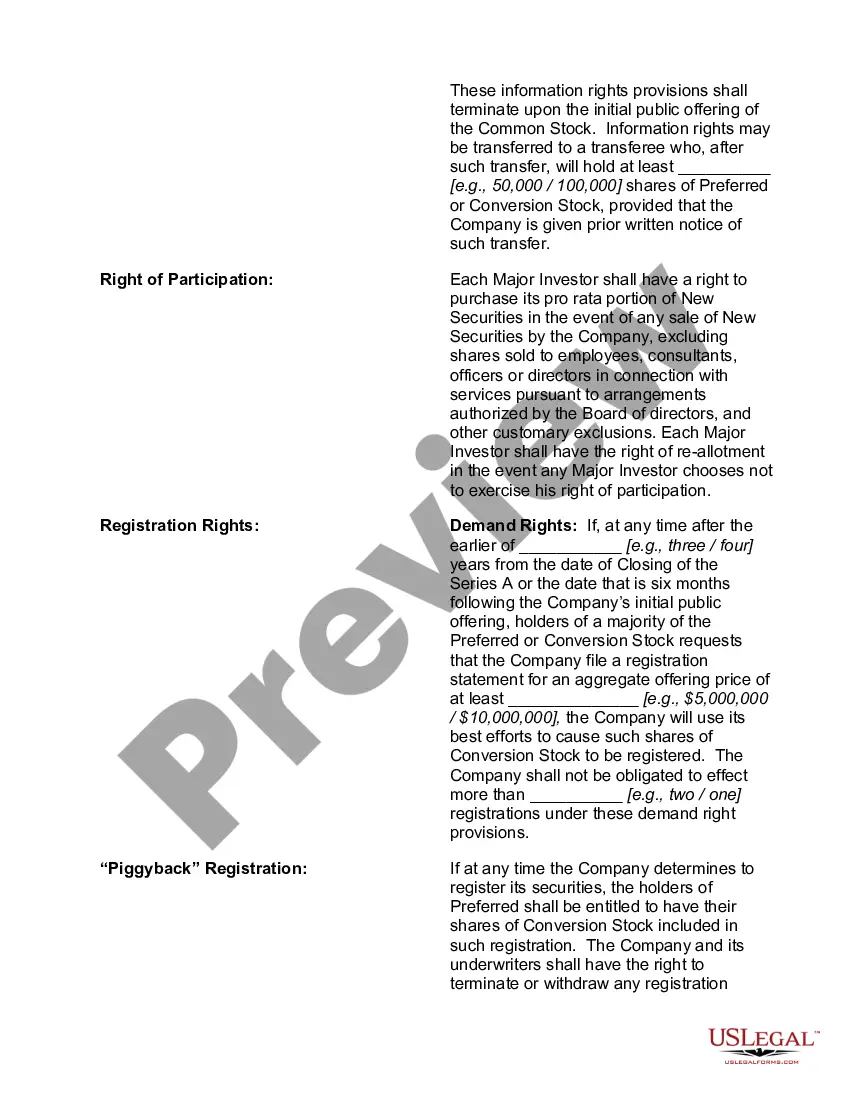
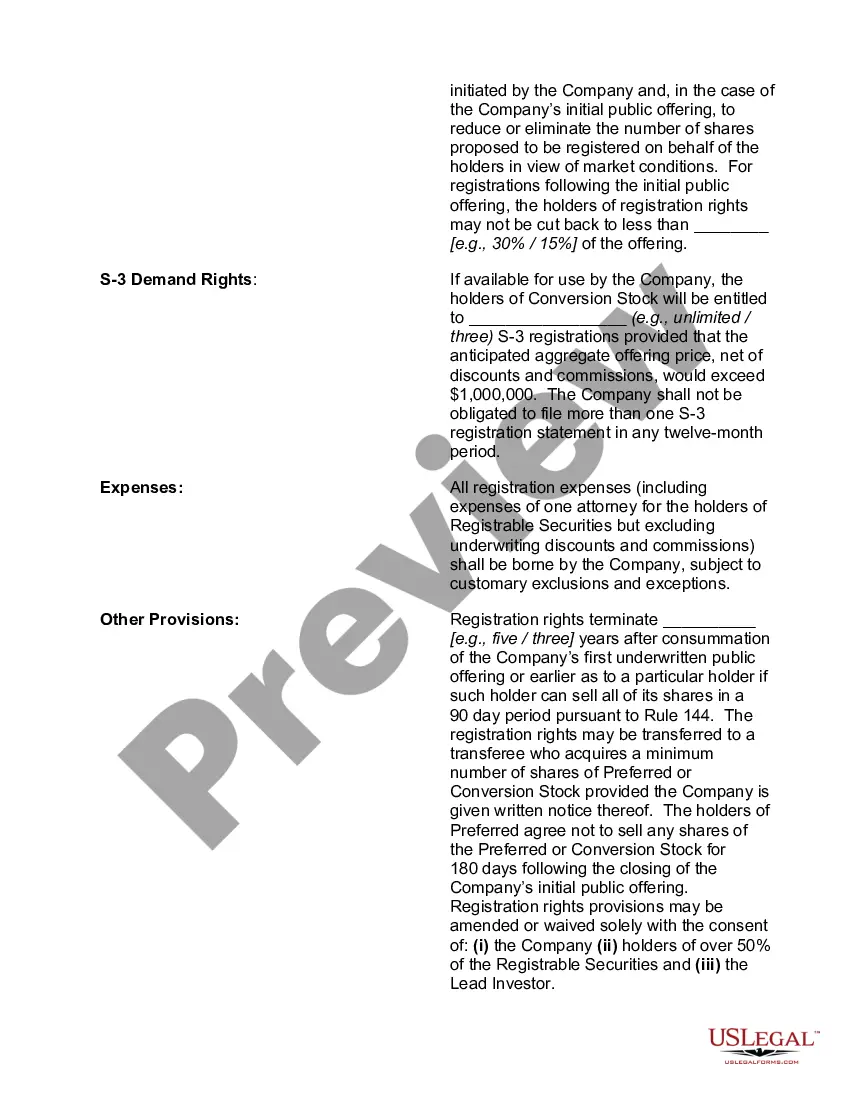
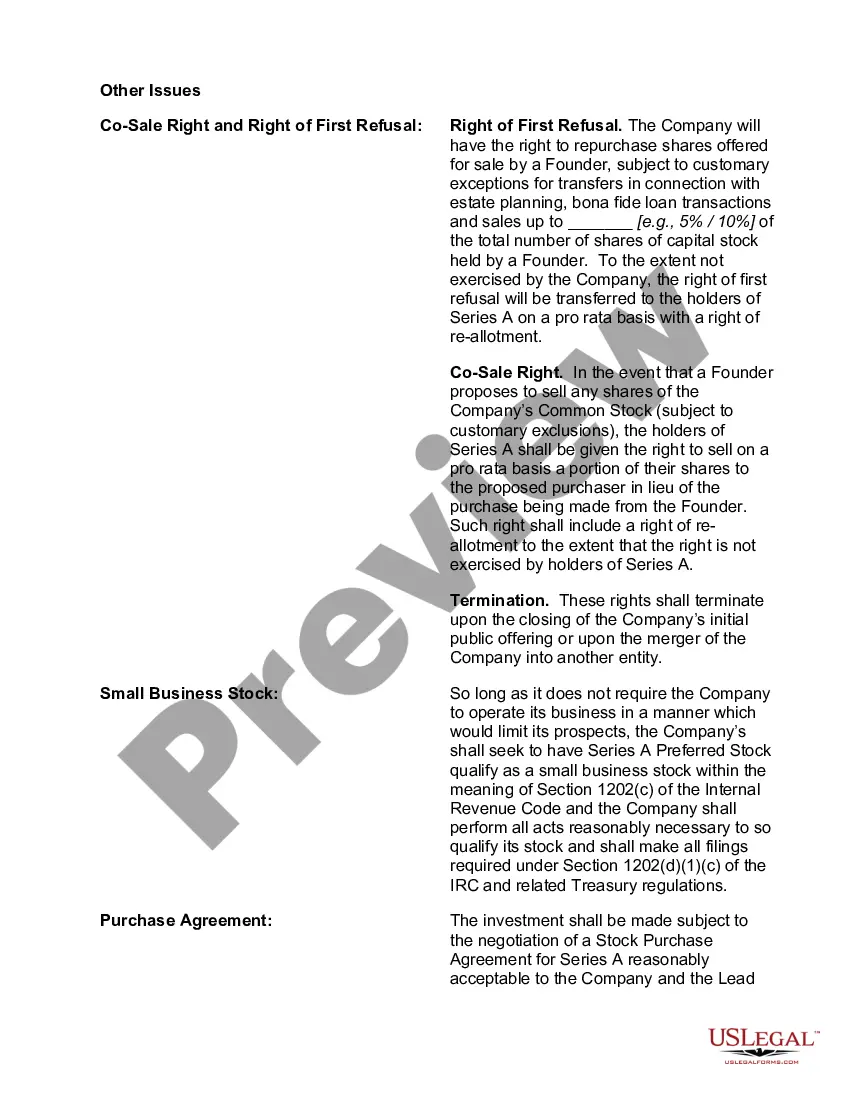
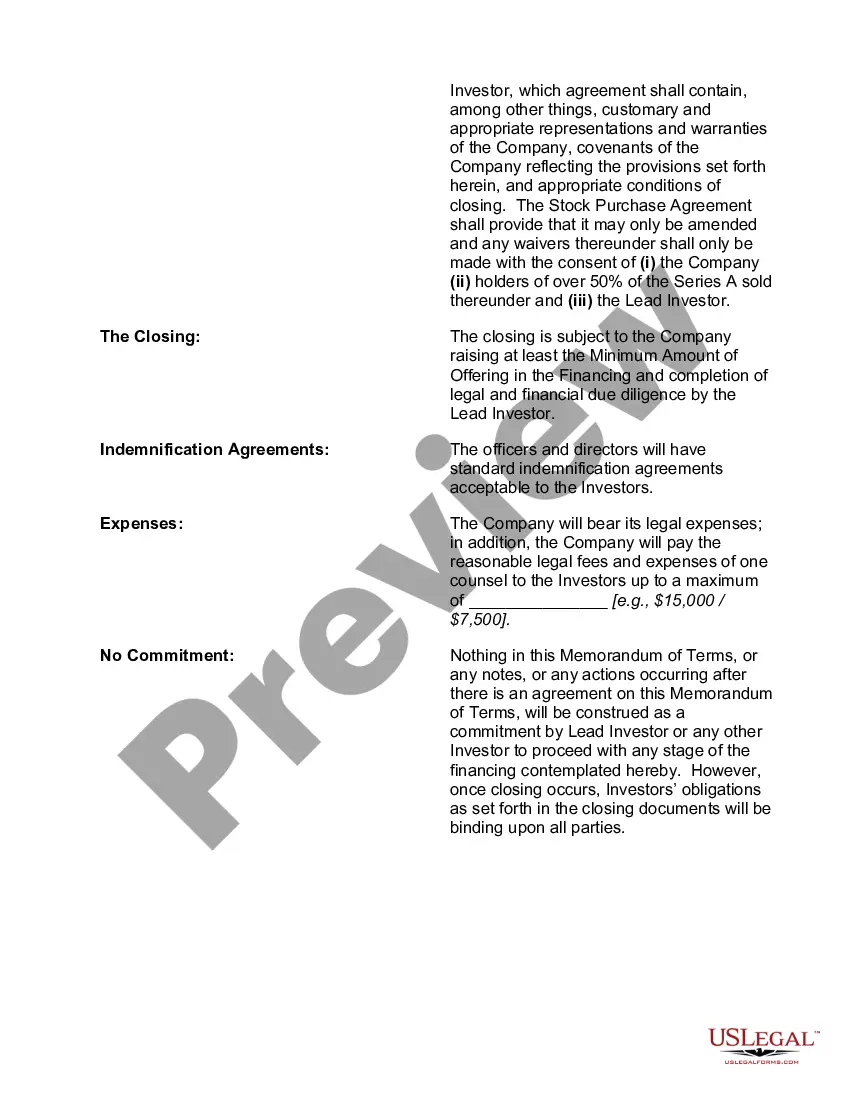
Get your form ready online
Our built-in tools help you complete, sign, share, and store your documents in one place.
Make edits, fill in missing information, and update formatting in US Legal Forms—just like you would in MS Word.
Download a copy, print it, send it by email, or mail it via USPS—whatever works best for your next step.
Sign and collect signatures with our SignNow integration. Send to multiple recipients, set reminders, and more. Go Premium to unlock E-Sign.
If this form requires notarization, complete it online through a secure video call—no need to meet a notary in person or wait for an appointment.
We protect your documents and personal data by following strict security and privacy standards.

Make edits, fill in missing information, and update formatting in US Legal Forms—just like you would in MS Word.

Download a copy, print it, send it by email, or mail it via USPS—whatever works best for your next step.

Sign and collect signatures with our SignNow integration. Send to multiple recipients, set reminders, and more. Go Premium to unlock E-Sign.

If this form requires notarization, complete it online through a secure video call—no need to meet a notary in person or wait for an appointment.

We protect your documents and personal data by following strict security and privacy standards.
Looking for another form?










Form popularity
FAQ
Money you invest as an angel investor is not tax deductible like a charitable gift. It's more complicated. However, since we wrote this piece in late 2021, there have been several states that have come out with “angel tax credits” - which means that there may be state level tax opportunities.
Most angel investors invest anywhere from $25,000 to $100,000 per deal, with the average return being somewhere in the range of 20–30%.
To be an angel, you need to qualify as an accredited investor, defined by the SEC as $1 million of net worth or annual income over $200,000. (I'm simplifying – the real definition is a bit more complex – but it gives you the idea.)
The amount invested during an angel round typically ranges from $25,000 to $1 million. This funding is crucial for startups as it helps them move from the idea phase to a stage where they can develop their products or services, build a team, and start generating revenue.
To be an angel, you need to qualify as an accredited investor, defined by the SEC as $1 million of net worth or annual income over $200,000. (I'm simplifying – the real definition is a bit more complex – but it gives you the idea.)
