Angel Term Form For Llc In Riverside
Description

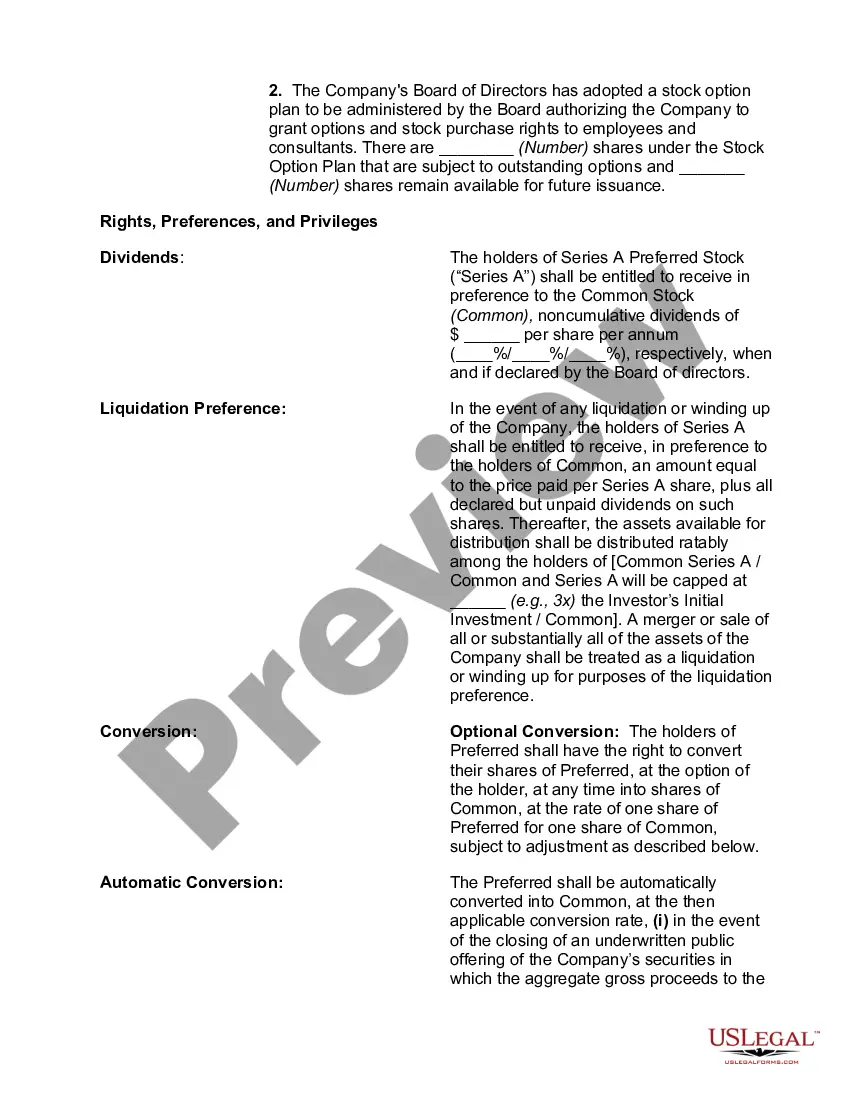
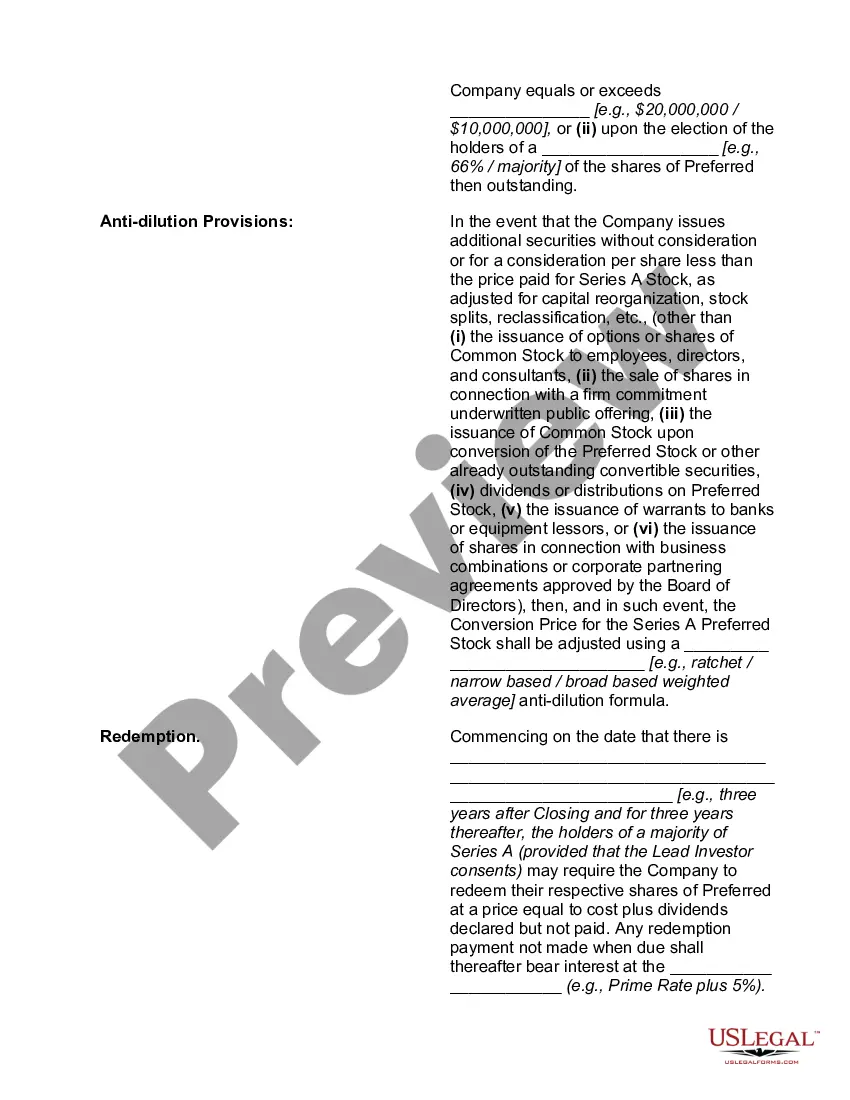
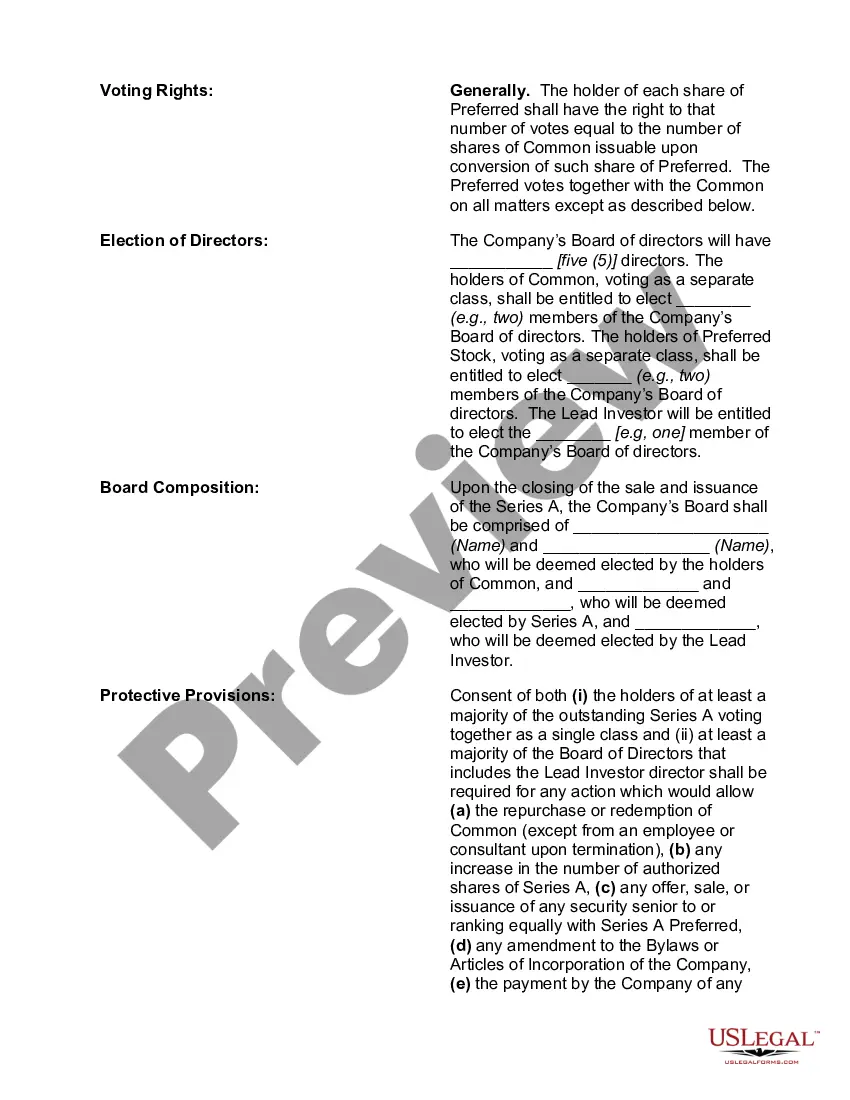
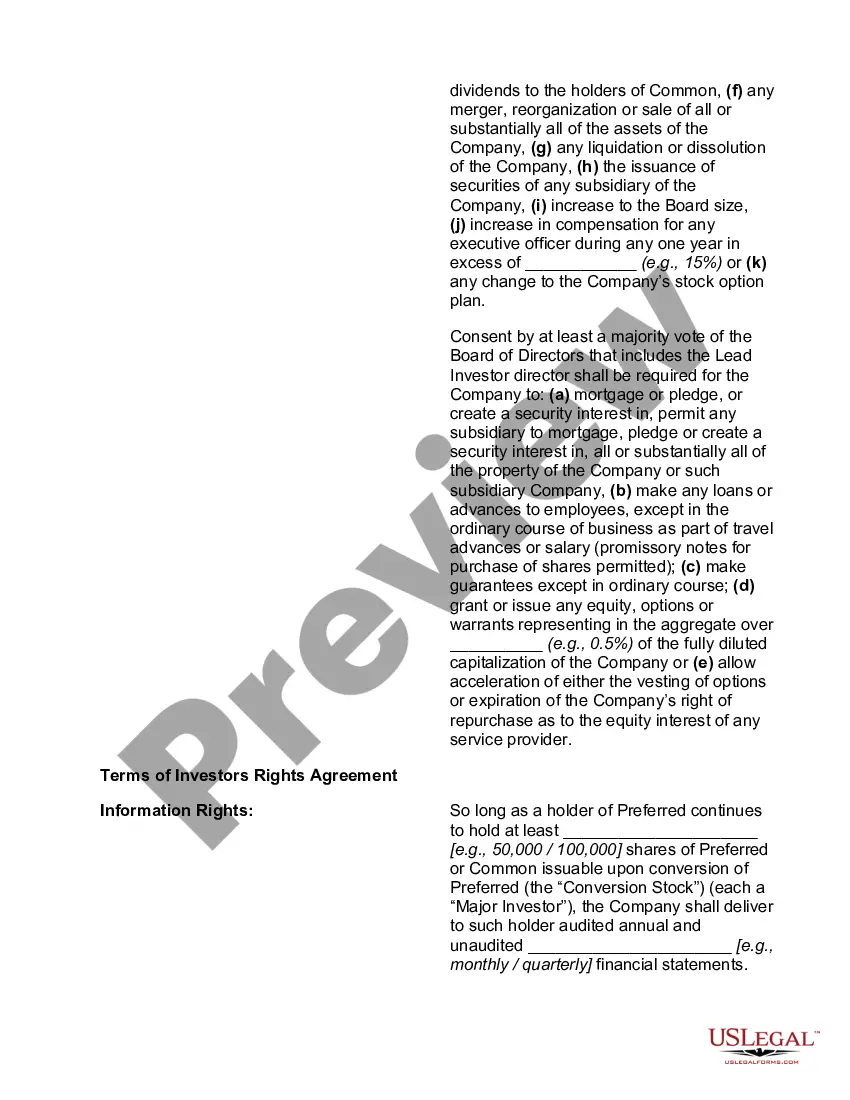
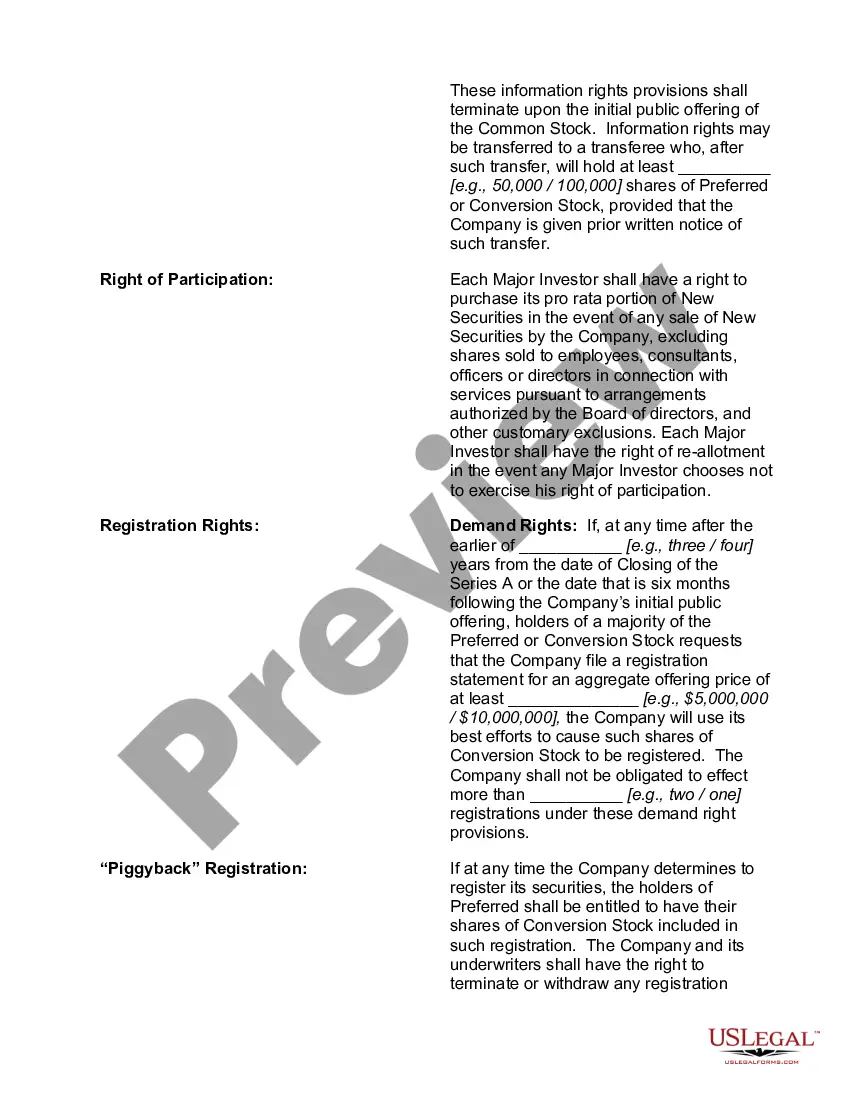
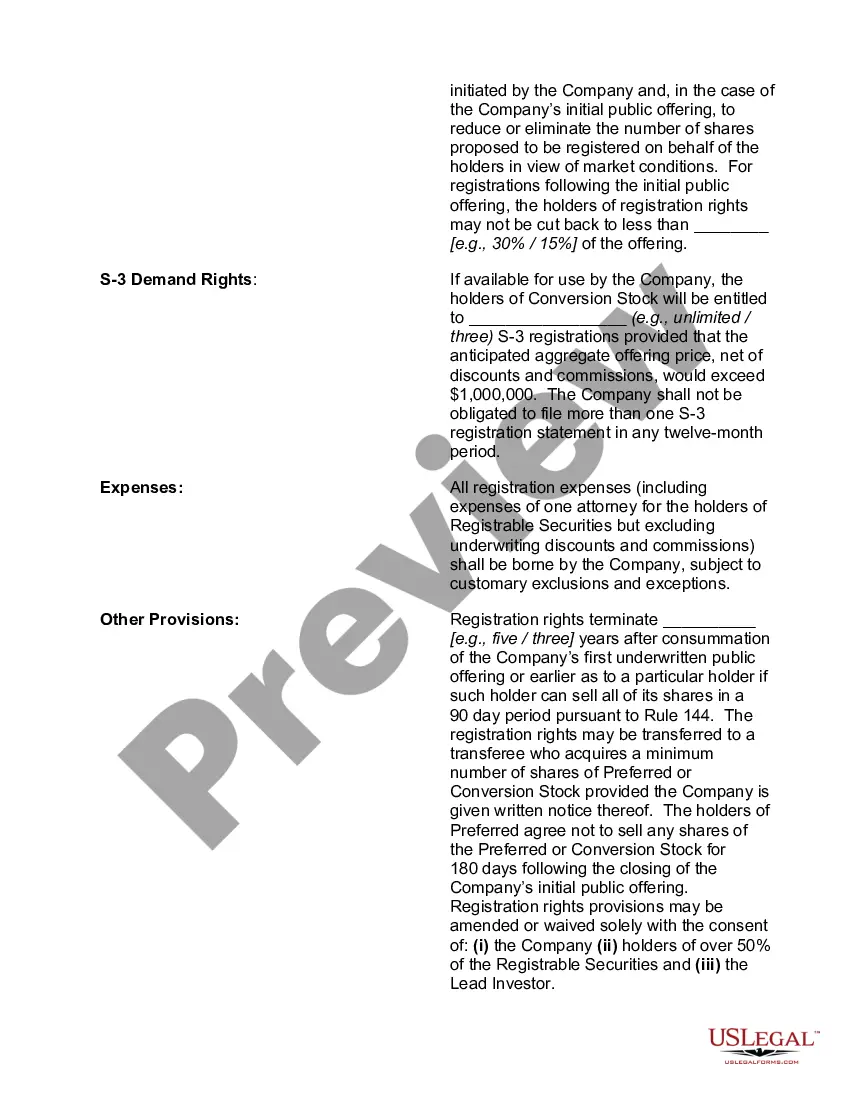
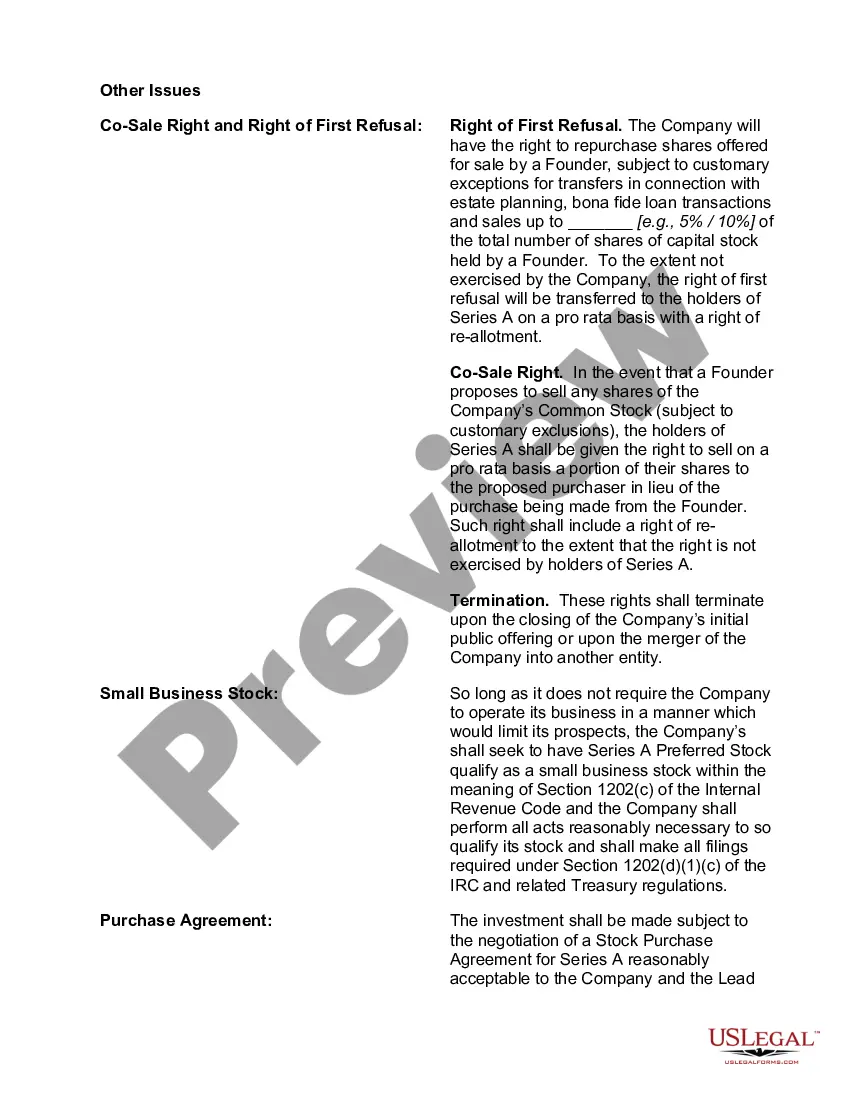
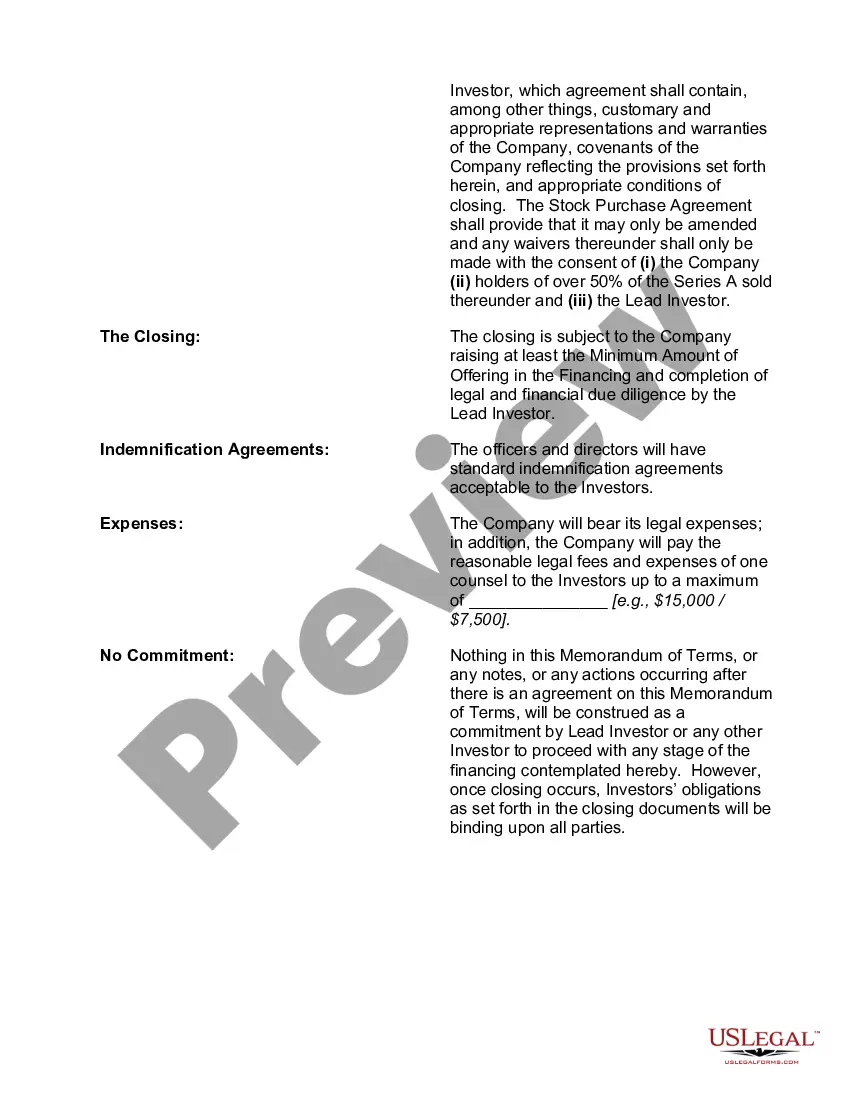
Get your form ready online
Our built-in tools help you complete, sign, share, and store your documents in one place.
Make edits, fill in missing information, and update formatting in US Legal Forms—just like you would in MS Word.
Download a copy, print it, send it by email, or mail it via USPS—whatever works best for your next step.
Sign and collect signatures with our SignNow integration. Send to multiple recipients, set reminders, and more. Go Premium to unlock E-Sign.
If this form requires notarization, complete it online through a secure video call—no need to meet a notary in person or wait for an appointment.
We protect your documents and personal data by following strict security and privacy standards.

Make edits, fill in missing information, and update formatting in US Legal Forms—just like you would in MS Word.

Download a copy, print it, send it by email, or mail it via USPS—whatever works best for your next step.

Sign and collect signatures with our SignNow integration. Send to multiple recipients, set reminders, and more. Go Premium to unlock E-Sign.

If this form requires notarization, complete it online through a secure video call—no need to meet a notary in person or wait for an appointment.

We protect your documents and personal data by following strict security and privacy standards.
Looking for another form?







Form popularity
FAQ
To form an LLC in California, go to bizfileOnline.sos.ca, log in, select Register a Business under the Business Entities Tile, Articles of Organization - CA LLC and follow the prompts to complete and submit.
To submit Form SI-100, you may file it online at the California Secretary of State's website or mail it to the Statement of Information Unit at P.O. Box 944230, Sacramento, CA 94244-2300. For in-person submissions, visit the Sacramento office located at 1500 11th Street, Sacramento, CA 95814.
To submit Form SI-100, you may file it online at the California Secretary of State's website or mail it to the Statement of Information Unit at P.O. Box 944230, Sacramento, CA 94244-2300. For in-person submissions, visit the Sacramento office located at 1500 11th Street, Sacramento, CA 95814.
When is the California Statement of Information due? Your filing due date will be the last day of your anniversary month. So, if you formed your business on June 14, then your filing date will be June 30 each year OR June 30 every other year – depending on what type of entity you own.
A business angel is a private individual, often with a high net-worth, and usually with business experience, who directly invests part of their assets in new and growing private businesses. Business angels can invest individually or as part of a syndicate where one angel typically takes the lead role.
An angel investor (also known as a business angel, informal investor, angel funder, private investor, or seed investor) is an individual who provides capital to a business or businesses, including startups, usually in exchange for convertible debt or ownership equity.
Angel investors are also called: Informal investors. Angel funders. Private investors. Seed investors.
An angel investor (also known as a business angel, informal investor, angel funder, private investor, or seed investor) is an individual who provides capital to a business or businesses, including startups, usually in exchange for convertible debt or ownership equity.
Some angel investors choose to invest through LLCs rather than as individuals. Generally, passively investing through an LLC rather than as an individual offers no tax advantages.
The tax laws that govern non-profits (such as pension funds) that often invest in VC funds make it difficult for those funds to invest in LLCs. Professional investors also generally want to see you giving stock options to employees which is much easier to do with a C-corporation (more about that below).
